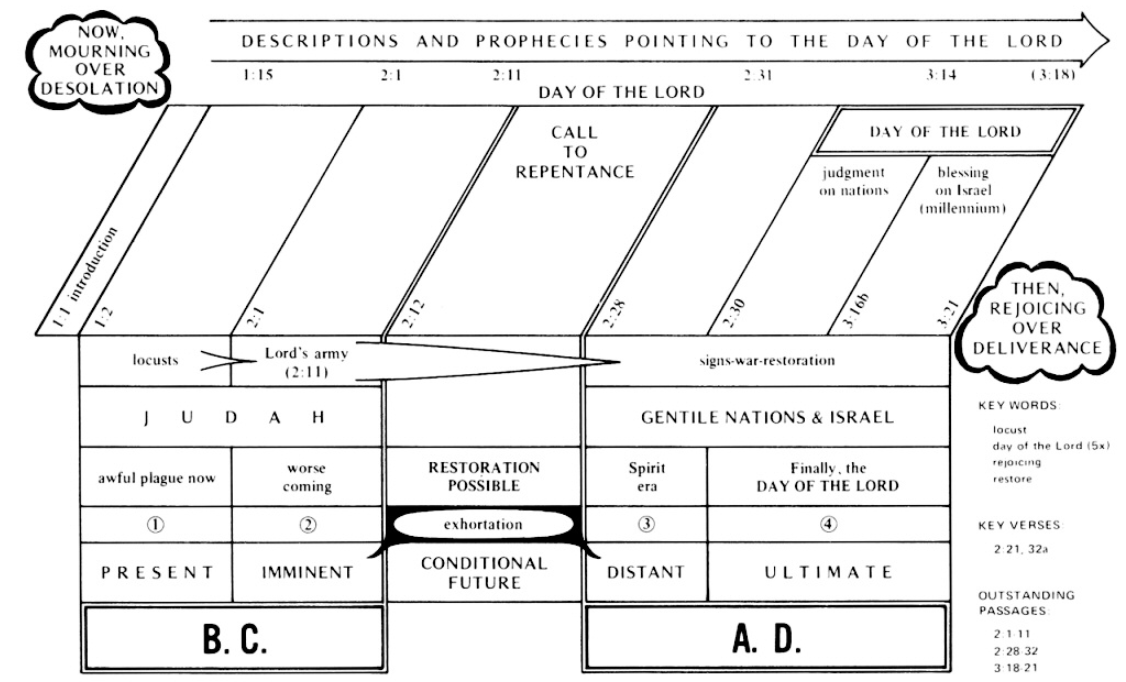
Click chart to enlarge
Chart from recommended resource Jensen's Survey of the OT - used by permission
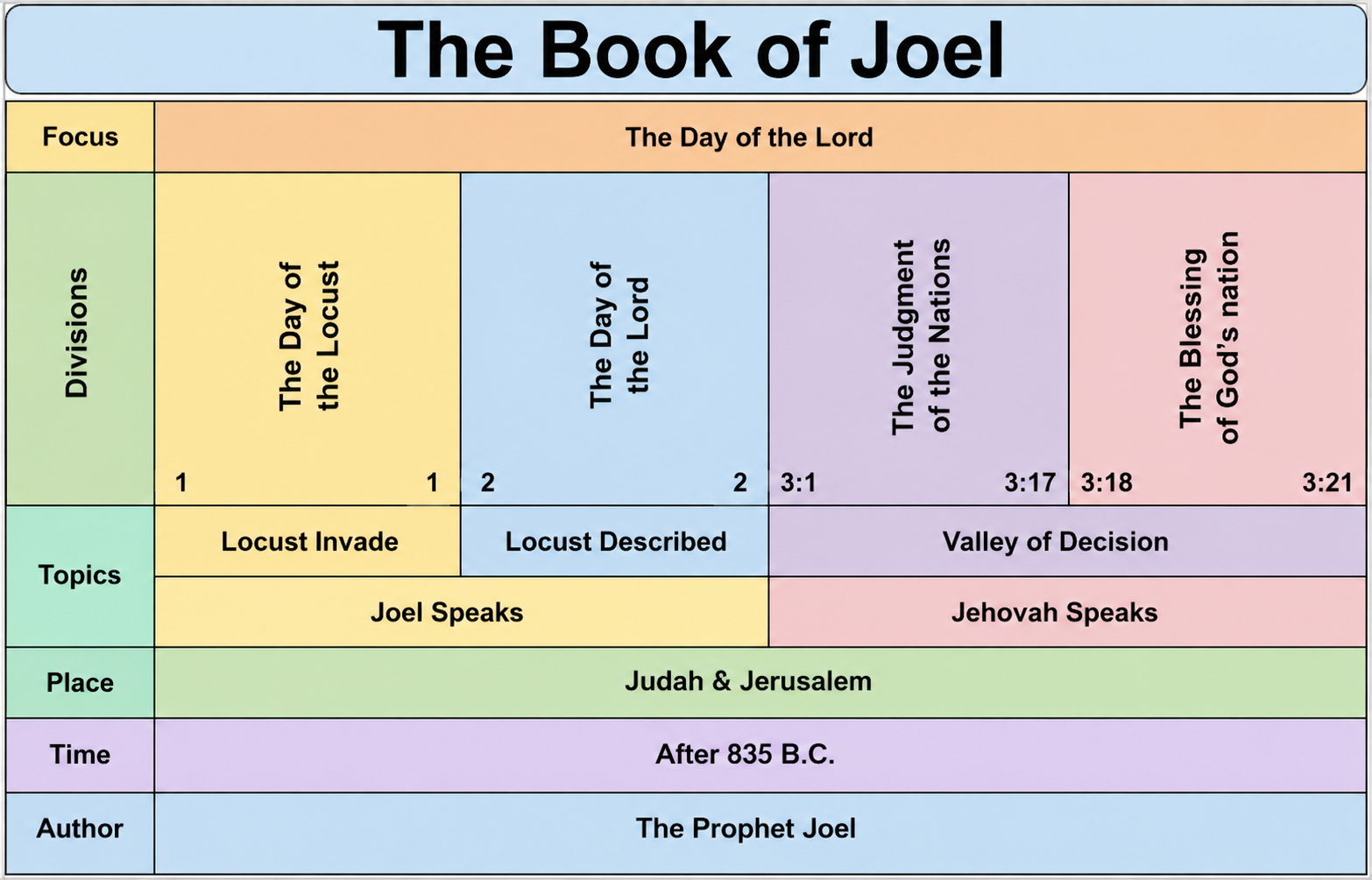
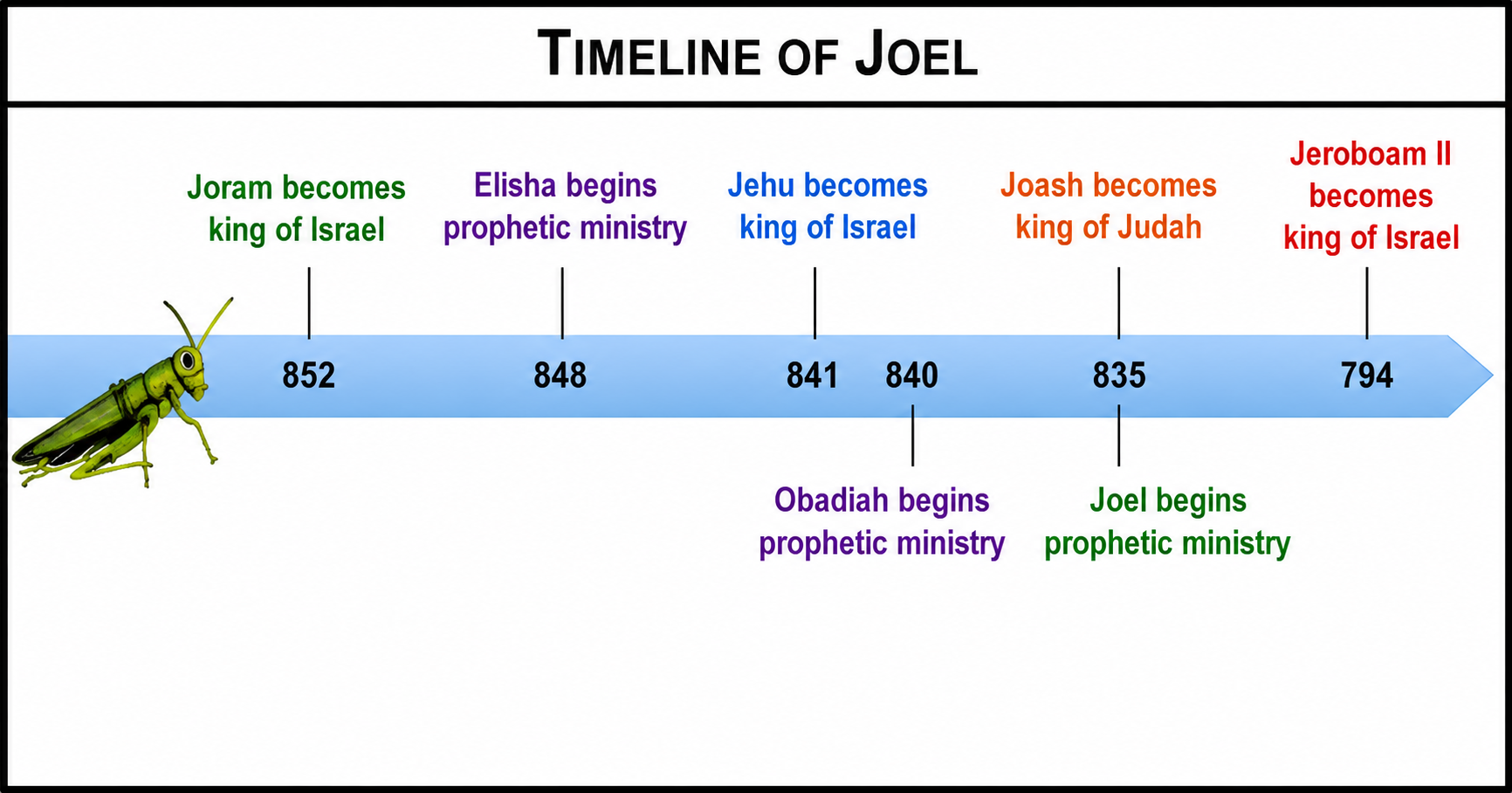
- John MacArthur's Introduction to Book of Joel
- Chuck Swindoll's Introduction to the Book of Joel see his Joel Chart
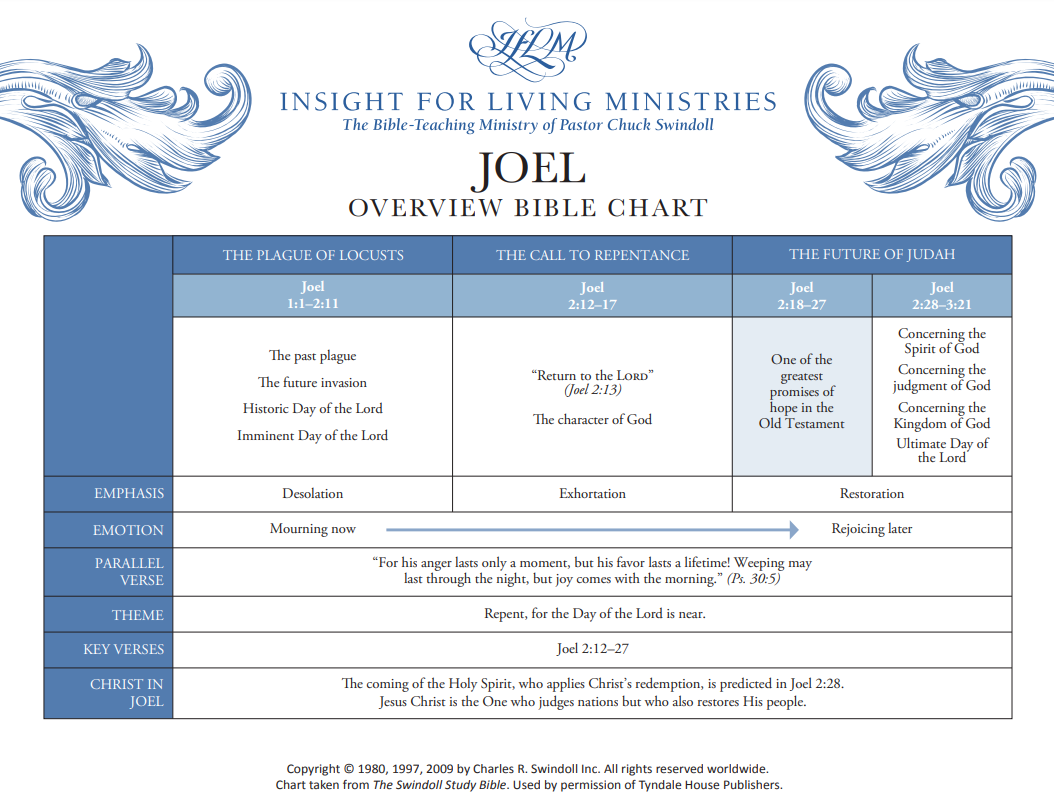
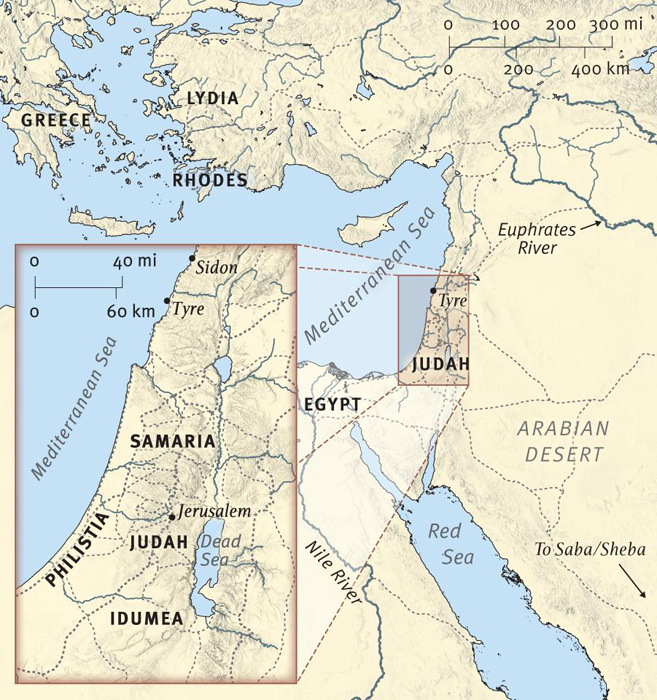
Source: Global Study Bible
1. Introduction (1:1)
2. The day of the Lord in Joel’s time (1:2–20)
1. The disastrous locust plague (1:2–14)
1. The destruction of the plague (1:2–4)
1. The rehearsal of the plague (1:2–3)
2. The totality of the plague (1:4)
2. The directions to the people (1:5–14)
1. The drunkards (1:5–7)
2. The people (1:8–12)
3. The priests (1:13–14)
2. The disastrous drought (1:15–20)
1. The nature of the drought (1:15)
2. The effect of the drought (1:16–20)
1. On daily life (1:16–17)
2. On animal life (1:18–20)
3. The day of the Lord in the latter time (2:1–3:21)
1. The invasion from the north (2:1–11)
1. The announcement of distress (2:1)
2. The analysis of the “day” (2:2–3)
1. The darkness and the destroyers (2:2)
2. The destruction (2:3)
3. The adversaries described (2:4–9)
1. Their swiftness (2:4–6)
2. Their precision (2:7–8)
3. Their conduct (2:9)
4. The awfulness of the “day” (2:10–11)
2. The challenge to the people (2:12–17)
1. To turn to Jehovah (2:12–14)
1. The plea and the reason (2:12–13)
2. The result (2:14)
2. To call upon Jehovah (2:15–17)
1. The participants (2:15–16)
2. The result (2:17)
3. The restoration of Israel (2:18–32)
1. The healing of the land (2:18–27)
1. The renewal of natural resources (2:18–19)
2. The removal of the enemy (2:20)
3. The renewal of God’s blessing (2:21–25)
1. On animal and plant life (2:21–22)
2. On mankind (2:23–25)
4. The results of the renewal (2:26–27)
2. The outpouring of the Spirit (2:28–32)
1. The time and extent (2:28–29)
2. The evidence (2:30–31)
3. The work (2:32)
4. The judgment of the nations (3:1–17)
1. The time of the judgment (3:1)
2. The participants in the judgment and the basis for the judgment (3:2–6)
1. The dispersion of Israel (3:2)
2. The enslavement of Israel (3:3)
3. The pillage of Israel (3:4–6)
3. The result of the judgment (3:7–8)
4. The gathering for the judgment (3:9–12)
5. The actuality of the judgment (3:13–16)
6. The result of the judgment (3:17)
5. The blessing of Israel (3:18–21)
1. The description of Israel’s blessing (3:18)
2. The desolation of Israel’s enemies (3:19)
3. The duration of Israel’s blessing (3:20)
4. The activity of Israel’s God (3:21)
The Minor Prophets and their Message
- Hosea - The Lord loves Israel despite her sin. 755-15 B.C.
- Joel - Judgment precedes Israel’s future spiritual revival. 835–796* B.C.
- Amos - God is just and must judge sin. 765-50 B.C.
- Obadiah - Sure retribution must overtake merciless pride. 848* B.C.
- Jonah - Divine grace is universal in its sweep. 780-50 B.C.
- Micah - Bethlehem-born Messiah will be mankind’s Deliverer. 740-690 B.C.
- Nahum - Doom is to descend on wicked Nineveh. 630-12 B.C.
- Habakkuk - Justification by faith is God’s way of salvation. 625 B.C. or earlier
- Zephaniah - The Day of the Lord must precede kingdom blessing. 625-10 B.C.
- Haggai - The Lord’s Temple and interests deserve top priority. 520 B.C.
- Zechariah - The Lord will remember His people Israel. 520-15 B.C.; Zech 9–14 after 500 B.C.
- Malachi - Let the wicked be warned by the certainty of judgment. 433-400 B.C.
- All dates are approximate. *The text does not specifically date these prophets. As a result differences of opinion exist concerning the time of their ministries. (from The New Unger’s Bible Handbook)
MacArthur Study Bible - Joel -Intro, Date, Setting, Themes, Interpretative Challenges, Outline
Swindoll Overview of Joel - Includes "Listen to Chuck Swindoll’s overview of Joel in his audio message"
KJV Bible Commentary - Intro, Outline and Verse by Verse Commentary
The King James Study Bible Second Edition - short introduction
NKJV Study Bible: New King James Version Study Bible - Introduction, Historical Setting, Purpose, Timeline, Christ in the Scriptures
Literal interpretation. Numerous Hebrew word studies and corresponding Greek words in the Septuagint (Lxx). Numerous links to related notes in other prophetic books (Isaiah 1-13, Micah 1-7, Zephaniah 3, Zechariah 12-14, Daniel 7-12, Matthew 24, Revelation 6-19)
Joel 1:2
Joel 1:3
Joel 1:4
Joel 1:5
Joel 1:6
Joel 1:7
Joel 1:8
Joel 1:9
Joel 1:10
Joel 1:11
Joel 1:12
Joel 1:13
Joel 1:14
Joel 1:15
Joel 1:16
Joel 1:17
Joel 1:18
Joel 1:19
Joel 1:20
Joel 2:2
Joel 2:3
Joel 2:4
Joel 2:5
Joel 2:6
Joel 2:7
Joel 2:8
Joel 2:9
Joel 2:10
Joel 2:11
Joel 2:12
Joel 2:13
Joel 2:14
Joel 2:15
Joel 2:16
Joel 2:17
Joel 2:18
Joel 2:19
Joel 2:20
Joel 2:21
Joel 2:22
Joel 2:23
Joel 2:24
Joel 2:25
Joel 2:26
Joel 2:27
Joel 2:28
Joel 2:29
Joel 2:30
Joel 2:31
Joel 2:32
Joel 3:2
Joel 3:3
Joel 3:4
Joel 3:5
Joel 3:6
Joel 3:7
Joel 3:8
Joel 3:9
Joel 3:10
Joel 3:11
Joel 3:12
Joel 3:13
Joel 3:14
Joel 3:15
Joel 3:16
Joel 3:17
Joel 3:18
Joel 3:19
Joel 3:20
Joel 3:21
Explanation - The following list includes not only commentaries but other Christian works by well known evangelical writers. Most of the resources below are newer works (written after 1970) which previously were available only for purchase in book form or in a Bible computer program. The resources are made freely available by archive.org but have several caveats - (1) they do not allow copy and paste, (2) they can only be borrowed for one hour (but can be checked out immediately when your hour expires giving you time to read or take notes on a lengthy section) and (3) they require creating an account which allows you to check out the books free of charge. To set up an account click archive.org and then click the picture of the person in right upper corner and enter email and a password. That's all you have to do. Then you can read these more modern resources free of charge! I have read or used many of these resources but not all of them so ultimately you will need to be a Berean (Acts 17:11) as you use them. I have also selected works that are conservative and Biblically sound. If you find one that you think does not meet those criteria please send an email at https://www.preceptaustin.org/
COMMENTARIES
Bible Knowledge Commentary - Old Testament - 1608 pages. Dallas Theological Seminary Faculty
The Minor Prophets : an Expositional Commentary by Boice, James Montgomery, 292 pages
Cyril Barber - The Minor Prophets, by James Montgomery Boice is illustrative of scholarship being applied to the needs of individuals, Heralds the return to the kind of Bible commentary made famous by the Reformers. Boice deals clearly, concisely, and adequately with this sorely neglected segment of the canon. His handling of the text serves as a model of how preaching through these prophetic writings can be relevant to the times and meet people's needs. Indexed. Recommended.
James Rosscup - Boice has a catchy title for each chapter or section of the prophets. Pages are large with two columns and he provides much good material on the relevance then and now, lessons such as God’s love, repentance, sincerity (Hosea 6), etc. If a Christian took time to read these pages and dwelt on the principles over a span of weeks or months, he could grow much by applying them. Boice at times could be more definite in specifying in what framework God will bless Israel in the future, as in Hosea 14. He can be vague, as in Joel 2:1–11 where he says the invader is neither locusts nor a human army (1,107). He can be very wordy and wander on, too, as in using Joel 2:28 as a take-off into a long discussion of clericalism. He sees Joel 2:28 fulfilled at Pentecost, yet it would help if he showed some aspects were not yet fulfilled. He is more to the point on Zechariah 14.
The Minor Prophets: Feinberg, Charles Lee Published: Jan 01, 1990
Cyril Barber - Formerly published between 1948 and 1952 in a series of volumes under the title Major Messages on the Minor Prophets, these studies have served well the needs of laypeople for more than thirty years
James Rosscup - A Jewish Christian scholar in Hebrew who taught in Old Testament at Dallas Seminary and later at Talbot Seminary, where he also was Academic Dean, did this exposition of all the minor prophets. Feinberg made biblical prophecy one of his specializations and does a good survey, being aware of interpretive problems, main views, contextual factors and correlation with other Old Testament and New Testament prophetic passages in a premillennial dispensational understanding. This is a I-volume edition of what originally was issued as 5 small volumes.
Joel and Amos : an introduction and commentary By: Hubbard, David Allan
Cyril Barber - Tyndale Old Testament Commentaries. Downers Grove, IL: InterVarsity Press, 1990. A clear explanation of the imagery of these prophetic writings. Ties in the church's eschatological vision with God's words to Israel. Also seeks to awaken the conscience of God's people through a careful handling of Amos' vision. Contains valuable comments on the original text.
Hosea, Joel, Amos, Obadiah, Jonah, Micah By: Butler, Trent C Published: Jan 01, 2005 - Holman OT Commentary Series
The Communicator's Commentary. Hosea, Joel, Amos, Obadiah, Jonah By: Ogilvie, Lloyd John Published: Jan 01, 1990 (now published as the Preacher's Commentary series)
A Commentary on the Minor Prophets By: Hailey, Homer, 1903- Published: Jan 01, 1972
James Rosscup - A non-technical work of 428 pp. for lay people, taking an amillennial stance on the kingdom issue: in his opinion there will not be a future kingdom for Israel after the Second Advent of Christ (cf. in this work pp. 126, 200, etc.; cf. also his commentary on the Book of Revelation).
Twelve Prophets By: Craigie, Peter C Published: Jan 01, 1984 - The Daily Study Bible Series - beware as he is not always literal in his interpretation
Cyril Barber - (These volumes adequately introduce the writing of each minor prophet. The exposition contains something good on each canonical book. Craigie's writings always give evidence of being well researched, and this study is no exception. Interesting sidelights are to be found on the history and culture of the times. The eschatology of these OT writers is marred, however, by the author's amillennialism
The Books of Joel, Obadiah, Jonah, and Micah By: Allen, Leslie C
Cyril Barber - New International Commentary on the Old Testament. Grand Rapids: Wm. B. Eerdmans Publishing Co., 1976. Extensive research into the historic setting coupled with interesting information on the etymology of certain words makes this book worthy of serious consideration. Other treatments of individual books are fuller and may better meet the needs of the expositor
Interpreting the Minor Prophets By: Chisholm, Robert B Published: Jan 01, 1990
James Rosscup - This well-informed survey is by a professor of Old Testament studies, Dallas Seminary, who wrote on Hosea and Joel in the Bible Knowledge Commentary. Chisholm looks broadly at each prophet’s structure, message, doctrinal themes, literary and rhetorical features. After a brief survey of overall themes—sin, judgment, salvation—he takes up each prophet from Hosea to Malachi successively. On long-range prophecy he is presumably premillennial, but in several texts where one would expect a commitment, he keeps things so vague that one finds no distinct word as to when the fulfillment will come (Hosea 3, 14; Joel 3:9ff.; Zechariah 14, etc.). He surveys each book section by section with much that helps, dealing briefly with main problems. At the end of each survey of a book he sums up points of theology. He views Joel 2:1–11 as meaning a human army but is not distinct on what army and when. The work is good but general. The reader who has the Bible Knowledge Commentary from Dallas Seminary would already have the books covered in greater premillennial specificity in many cases.
Enjoying the Minor Prophets By: MacDonald, William, 1917-2007 Published: Jan 01, 2013 - A 113 page devotional commentary - same authors as the Believer's Bible Commentary below -- recommended
Believer's Bible Commentary - OT and NT - MacDonald, William (1995) 2480 pages. Conservative. Literal. Often has very insightful comments. John MacArthur, says "Concise yet comprehensive - the most complete single-volume commentary I have seen." Warren Wiersbe adds "For the student who is serious about seeing Christ in the Word." One hour limit.
Rosscup - This work, originally issued in 1983, is conservative and premillennial, written to help teachers, preachers and people in every walk of life with different views, explanation and application. The 2-column format runs verse by verse for the most part, usually in a helpfully knowledgeable manner, and there are several special sections such as “Prayer” in Acts and “Legalism” in Galatians. The premillennial view is evident on Acts 1:6, 3:20, Romans 11:26, Galatians 6:16, Revelation 20, etc.
Wycliffe Bible Commentary - Charles Pfeiffer - 1560 pages (1962). 214 ratings Less detailed than the KJV Bible Commentary. Conservative. Notes are generally verse by verse but brief.
Rosscup - Conservative and premillennial scholars here have been experts in their fields. The work contains brief introductions and attempts to give a verse-by-verse exposition, though it does skip over some verses. The treatments vary with the authors, but as a whole it is a fine one-volume commentary for pastors and students to use or give to a layman. Outstanding sections include, for example: Whitcomb on Ezra-Nehemiah-Esther; Culver on Daniel; Ladd on Acts; Harrison on Galatians; Johnson on I Corinthians; and Ryrie on the Johannine Epistles.
The books of Joel, Obadiah, Jonah, and Micah By: Allen, Leslie C Published: Jan 01, 1976
James Rosscup - The author holds that Joel is late pre-exilic or early post exilic, Obadiah is from the early postexilic times. Jonah is a tale perhaps devised by wisdom teachers of the fifth or fourth century B. C. and not by Jonah. Micah is from ca. 701 B. C. The author was lecturer in Old Testament language and exegesis at London Bible College and now is at Fuller Theological Seminary. He has rather thorough word studies and a discussion of many issues, e. g. the relationship of Joel 2:28ff. with Acts 2 and with final times, and Joel 2:32a with Romans 10:13 (pp. 97–105). He shows good awareness of recent scholarly literature on his subjects, but many will not agree with some of his views, such as his suggestion that Jonah is simply a tale made by wisdom writers to convey a message (see p. 191).
The minor prophets By: Theo. Laetsch, D.D. Published: Jan 01, 1956
James Rosscup - This is a very good amillennial commentary on the minor prophets as a whole. Laetsch deals with the text verse-by-verse, grapples with difficult phrases and explains them, uses the Hebrew extensively, and presents illuminating word studies. The lucid presentation helps make it a very interesting commentary to read. In crucial prophetical sections, his strong amillennialism appears. His weakness here is offset by his helpfulness in exegesis generally plus his good background material.
Understanding the Old Testament by Scripture Union - All 12 minor prophets. 100 pages.
James Rosscup - This succinct effort gets directly at issues, as in giving three views on what Gomer was when Hosea married her, and views on the woman Hosea took in 3:1. He is fuzzy on what the future of Israel will be (1:10; 2:16–23 etc.) but a bit clearer on 3:5 (p. 7; cf. p. 20). Sometimes he is clear, sometimes vaguely general, as on the heavenly signs in Joel 2. He sees Amos 9:11–15 as not fulfilled literally in such aspects as agricultural prosperity, but figuratively, as if 9:13b proves his view. Reference, he feels, is to the New Jerusalem. Strangely, he also sees Zechariah 14:20–21 as in the New Jerusalem, after describing the verses before where imperfection is evident. Often, though, his work gives the lay reader a good survey without getting bogged down.
The Prophets of Israel By: Wood, Leon James Published: Jan 01, 1979 - 416 pages
James Rosscup - This quite readable work by a premillennialist covers the overall range of Old Testament prophets, various key subjects under “Prophetism” such as what “to prophesy” means, the prophets’ function, early prophets, Samuel, monarchy prophets, and writing prophets both major and minor. Wood has solid sections on Elijah and Elisha (their spiritual features, episodes, miracles). The Elisha part surveys each miracle. Some sections, as on Hosea, even discuss in some detail leading problems such as whether Gomer was tainted before marriage or became unfaithful later. But sections on the books do not delve into nearly the detail Chisholm gives. Wood does sum up the message well, has an outline on each book, and organizes much on background, character qualities and work of each prophet. He deals with each prophet in relation to the reign he fitted into. Chisholm and Freeman deal more with various problems. Cf. Hobart Freeman, Introd. to the Old Testament Prophets, available now only in some theological libraries.
Preaching the Old Testament : a lectionary commentary By: Allen, Ronald J. (Ronald James), 1949- Published: Jan 01, 2007)
James Rosscup - (THIS CRITIQUE IS NOT ABOUT THE BOOK ABOVE but gives you a sense of who Allen is as a writer.) Allen is skilled in Hebrew and interpretation and writes attractively. He is conservative and premillennial. In his view the locusts are literal in both Chapters 1 and 2, yet supernatural in the latter case. He never seems to clear up what the supernatural locusts are in the future Armageddon time but stays general and vague. They sound like angelic hosts when Allen links them with Revelation 9:11–16. Allen has good emphases about God’s grace, compassion, anger and love in 2:12–17. Apparently he sees the “northern army” of 2:20 as a human one, not identified with the locusts of 2:1–11. He has a long, helpful discussion on whether Acts 2 fulfills the outpouring of the Spirit, and sees a partial fulfillment (p. 95). In 3:9ff., he believes the blessing is in the millennium after the Second Advent, yet he identifies the fountain of verse 18 as the river in the ultimate state, the New Jerusalem (116), and is not clear on why or how he leaps from the millennium to the ultimate bliss.
Unger's Commentary on the Old Testament (Volume 2 - Isaiah - Malachi) by Unger, Merrill Frederick, 1909- (1981) 972 pages.
Unger's bible handbook : a best-selling guide to understanding the bible by Unger, Merrill F
Rosscup - A former Professor of Old testament at Dallas Seminary, evangelical writer of many scholarly books, did this in his late years. He has sections on each Bible book, archaeology, Major Prophets, Minor Prophets, between the testaments, the four gospels, epistles of Paul, how the Bible came to us, Bible statistics, outline of church history, creation stories, Ur of Abram’s day, Egypt, Assyria, the Chaldean empire, demonism, miracles, Bethlehem, Dead Sea scrolls, Corinth, Ephesus, Rome, etc. The work includes more than 20 charts and 30 maps and has color sections. Unger has good material at some points in surveying passages, dealing with certain problems, etc., and handles the long-range prophecies in a premillennial way. Often he is very cursory.
Evangelical Commentary on the Bible - editor Walter Elwell (1989) 1239 pages. User reviews.
The twelve minor prophets Published: Jan 01, 1926 Robinson, George -- note this book has no time restriction and does allow copy/paste
James Rosscup - This is a reprint of the 1926 edition (New York: Harper and Brothers). He devotes a chapter to each prophet, “Hosea the Prophet of Love,” etc. The studies are terse summaries. On Hosea he lists and comments on steps in Israel’s downfall and has five points on the message to men today. He packs a lot of information in and organizes it well. His word portrait of Jonah is choice (pp. 74–75), and he has interesting accounts of great fish swallowing men. Though brief, the book has frequent material a preacher can use.
Mastering the Old Testament [volume 20] : Hosea, Joel, Amos, Obadiah, Jonah - 460 pages - Lloyd J Ogilvie (Book by book commentary)
With the Word - Devotional Commentary - Warren Wiersbe - 428 ratings
Be Amazed - Hosea, Joel, Jonah, Habakkuk, Malachi - Warren Wiersbe
Bible Exposition Commentary - Old Testament - Warren Wiersbe - always worth checking
Wiersbe's Expository Outlines on the Old Testament by Wiersbe, Warren W 113 ratings
"Even the most difficult Scriptures come alive as Warren Wiersbe leads you book-by-book through the Old Testament and helps you to see the "big picture" of God's revelation. In this unique volume, you will find: • Introductions and/or outlines for every Old Testament book • Practical expositions of strategic chapters • Special studies on key topics, relating the Old Testament to the New Testament • Easy-to-understand expositions that are practical, preachable, and teachable If you have used Dr. Wiersbe's popular BE series, you know how simple and practical his Bible studies are, with outlines that almost teach themselves. If not, you can now discover a wonderful new resource. This work is a unique commentary on every book of the Old Testament. It contains new material not to be found in the BE series.
STUDY BIBLE
NO RESTRICTIONS
(1) KJV Bible Commentary - Hindson, Edward E; Kroll, Woodrow Michael. Over 3000 pages of the entire OT/NT. Well done conservative commentary that interprets Scripture from a literal perspective. Pre-millennial.
Very well done conservative commentary that interprets Scripture from a literal perspective
The King James Version Bible Commentary is a complete verse-by-verse commentary. It is comprehensive in scope, reliable in scholarship, and easy to use. Its authors are leading evangelical theologians who provide practical truths and biblical principles. Any Bible student will gain new insights through this one-volume commentary based on the timeless King James Version of the Bible.
(2) The King James Study Bible Second Edition 2240 pages (2013) (Thomas Nelson) General Editor - Edward Hindson with multiple contributing editors. . Pre-millennial. See introduction on How to Use this Study Bible.
(3) NKJV Study Bible: New King James Version Study Bible (formerly "The Nelson Study Bible - NKJV") by Earl D Radmacher; Ronald Barclay Allen; Wayne H House. 2345 pages. (1997, 2007). Very helpful notes. Conservative. Pre-millennial.
STUDY BIBLES THAT
CAN BE BORROWED
The MacArthur Study Bible - John MacArthur. Brief but well done notes 1,275 ratings
ESV Study Bible - Excellent resource but not always literal in eschatology and the nation of Israel 6,004 ratings
HCSB Study Bible - conservative notes.
The Holman Illustrated Study Bible Includes the excellent Holman maps but otherwise of little help in serious study.
NIV Study Bible - (2011) 2570 pages - Use this one if available as it has more notes than edition below. This resource has been fully revised in 2020.
Life Application Study Bible : New Living Translation. Has some very helpful notes. 4,445 ratings
The Defender's Study Bible : King James Version by Morris, Henry M. Excellent notes for well known creationist.
Ryrie Study Bible Expanded Edition (1994) 2232 pages
The David Jeremiah study bible - (2013) 2208 pages. 2,272 ratings Logos.com - "Drawing on more than 40 years of study, Dr. David Jeremiah has compiled a legacy resource that will make an eternal impact on generations to come. 8,000 study notes. Hundreds of enriching word studies"50+ Essentials of the Christian Faith" articles."
The Apologetics Study Bible Understand Why You Believe by Norman Geisler
NIV Archaeological Study Bible (2005) 2360 pages 950 ratings (See also Archaeology and the Bible - OT and NT)
NIV Cultural Backgrounds Study Bible. Bringing to Life the Ancient World of Scripture Keener, Craig and Walton, John. Editors (2017)
Believer's Bible Commentary by MacDonald, William (1995) 2480 pages. One of my favorites. Often has some excellent devotional comments.
Dr. John MacArthur, Jr. - "Concise yet comprehensive - the most complete single-volume commentary I have seen."
Warren Wiersbe - "For the student who is serious about seeing Christ in the Word."
The Word in life Study Bible - interesting format. Not your routine study Bible. Worth checking the very informative notes. (e.g., here is a picture of Jesus' post-resurrection appearances.)
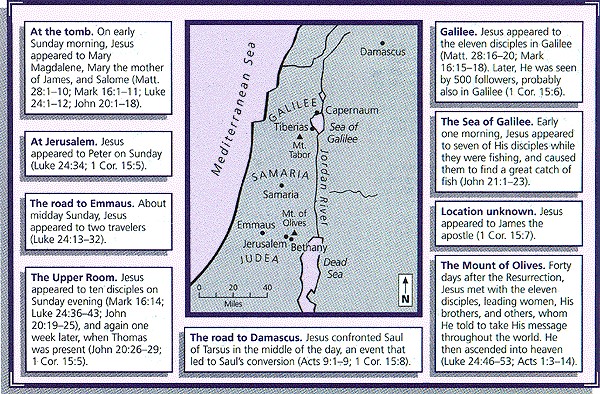
Wycliffe Bible Commentary - Charles Pfeiffer - 1560 pages (1962). 214 ratings Less detailed than the KJV Bible Commentary. Conservative. Notes are generally verse by verse but brief.
Rosscup - Conservative and premillennial scholars here have been experts in their fields. The work contains brief introductions and attempts to give a verse-by-verse exposition, though it does skip over some verses. The treatments vary with the authors, but as a whole it is a fine one-volume commentary for pastors and students to use or give to a layman. Outstanding sections include, for example: Whitcomb on Ezra-Nehemiah-Esther; Culver on Daniel; Ladd on Acts; Harrison on Galatians; Johnson on I Corinthians; and Ryrie on the Johannine Epistles.
New Bible Commentary - (1994)
The Experiencing God Study Bible : the Bible for knowing and doing the will of God - Blackaby, Henry (1996) 1968 pages - CHECK THIS ONE! Each chapter begins with several questions under the title "PREPARE TO MEET GOD." Then you will interesting symbols before many of the passages. The chapter ends with a "DID YOU NOTICE?" question. This might make a "dry chapter" jump off the page! Read some of the 48 ratings
Compact Bible commentary by Radmacher, Earl D; Allen, Ronald Barclay; House, H Wayne, et al - 954 pages. Multiple contributors to the comments which are often verse by verse. The comments are brief but meaty and can really help your study through a given book. A sleeper in my opinion.
NIV archaeological study Bible (2005) 2360 pages 950 ratings (See also Archaeology and the Bible - OT and NT)
NIV cultural backgrounds study Bible. bringing to life the ancient world of scripture Keener, Craig and Walton, John. Editors (2017)
Evangelical Commentary on the Bible - editor Walter Elwell (1989) 1239 pages.
MISCELLANEOUS RESOURCES
IVP Background Commentary - OT - John Walton
Zondervan Atlas of The Bible By: Umair Mirza
Dictionary of Biblical Imagery - free for use online with no restrictions (i.e., you do not need to borrow this book). Editors Leland Ryken, J C Wilhoit, Tremper Longman III - This is a potential treasure chest to aid your preaching and teaching as it analyzes the meaning of a host of Biblical figures of speech. Clue - use the "One-page view" which then allows you to copy and paste text. One downside is there is no index, so you need to search 3291 pages for entries which are alphabetical.
Dictionary of deities and demons in the Bible (DDD) - 950 pages (1995) Read some of the 65 ratings (4.8/5 Stars). A definitive in depth resource on this subject. Very expensive to purchase.
Unger's bible handbook : a best-selling guide to understanding the bible by Unger, Merrill F
Halley's Bible Handbook Henry H. Halley - (2000) 2720 pages (much larger than original edition in 1965 and no time limit on use). (Halley's Bible handbook : an abbreviated Bible commentary - one hour limit 1965 872 pages)
Rosscup - A much-used older evangelical handbook bringing together a brief commentary on Bible books, some key archaeological findings, historical background, maps, quotes, etc. It is helpful to a lay Bible teacher, Sunday School leader, or pastor looking for quick, pertinent information on a Bible book. This is the 72nd printing somewhat revised. Halley packed in much information. Unger’s is better overall, but that is not to say that Halley’s will not provide much help on basic information.
The Shaw Pocket Bible Handbook - Editor - Walter Elwell (1984) 408 pages.
"This hardback is small in size but packed full of content: Brief summaries of every book of the bible, cultural, archaeological and historical info, word definitions, pictures, maps and charts." Worth checking!
Eerdmans' Handbook to the Bible (1983) 688 pages
The New Unger's Bible Dictionary by Unger, Merrill Frederick, 1909-
Every prophecy of the Bible: Walvoord, John F
J.Sidlow Baxter: Explore The Book - pdf Vol. 2 Judges to Esther
Jensen's Survey of Bible (online) by Jensen, Irving 140 ratings (NT) 133 ratings (OT) This is a classic and in conjunction with the following three resources should give you an excellent background to the Bible book you are studying. Jensen has some of the best Book charts available and includes "key words." He also gives you some guidelines as to how to begin your inductive study of each book.
What the Bible is all about by Mears, Henrietta. This is a classic and is filled with "pearls" from this godly teacher of God's Word.
Talk thru the bible by Wilkinson, Bruce The Wilkinson & Boa Bible handbook : the ultimate guide to help you get more out of the Bible
Today's Handbook of Bible Times & Customs by Coleman, William L
Nelson's New Illustrated Bible Manners & Customs : How the People of the Bible Really Lived by Vos, Howard Frederic
The New Unger's Bible Dictionary by Unger, Merrill Frederick, 1909-
Nelson's Expository Dictionary of the Old Testament by Unger, Merrill. Indexed by English word and then any related Hebrew nouns or verbs. Definitions are solid and geared to the lay person.
Nelson's Expository Dictionary of the Old Testament by Unger, Merrill
HEBREW WORD STUDIES
Theological Wordbook of the Old Testament by Harris, R. Laird - (5/5 Stars) One of the best OT lexicons for studying Hebrew words.
Here is another link to the TWOT which has no time limit on use and does allow copy and paste. Can be downloaded as PDF.
Hebrew honey : a simple and deep word study of the Old Testament by Novak, Alfons, (332 pages) Indexed by English words. No Strong's numbers to help you determine if you are researching the correct Hebrew word. Here is a "work around" - go to page 289 and see if there is an annotation of the Scripture you are studying. E.g., say you want to see if there is anything for "heart" in Ezek 11:19. In the Scripture list find an entry for Ezek 11:19 with the English word "Heart." Now go look up "Heart" (on page 123). It does take some effort, but you might glean an insight not described in other Hebrew lexicons.
Vine's Expository Dictionary of Old Testament and New Testament Words - pdf. The old standby. You can also borrow Vine's complete expository dictionary of Old and New Testament words
Nelson's Expository Dictionary of the Old Testament by Unger, Merrill. Indexed by English word and then any related Hebrew nouns or verbs. Definitions are solid and geared to the lay person.
Expository Dictionary of Bible Words by Richards, Larry, It is does not go into great depth on the Greek or Hebrew words but does have some excellent insights.
So That's What it Means (Theological Wordbook) - Formerly titled "Theological Wordbook" edited by Charles Swindoll. It is now under this new title So That's What it Means and can be borrowed - it is more like a dictionary than a lexicon but the comments are superb! The contributors include Donald Campbell, Wendell Johnston, John Witmer, John Walvoord
Synonyms of the Old Testament-Robert Girdlestone
APOLOGETICS
The Apologetics Study Bible Understand Why You Believe - Comments from over 90 leading apologists, including: Ted Cabal, Lee Strobel, Chuck Colson, Norm Geisler, Josh McDowell, Albert Mohler, J.P. Moreland, see reviews. Here is a review from The Christian Reviewer.
Baker Encyclopedia of Christian Apologetics by Geisler, Norman
Cyril Barber - This is a goldmine of valuable information! Well-indexed. Covers everything from “Absolute Truth” to “Zen Buddhism.” Extensive articles on such topics as “Agnosticism,” “Annihilationism,” “Bible, Alleged Errors in,” “Gnosticism,” “Miracles in the Bible,” “New Testament Manuscripts,” and “Objections to Resurrection,” “Big Bang Theory,” “Edward John Carnell,” “Christ, Death of,” are only a few of the insightful essays in this masterful work. Each article has been written in an understandable way, and a 28 page bibliography forms a valuable source for further research. An excellent resource.
Evidence That Demands A Verdict - Josh McDowell
The New Evidence that Demands a Verdict - Josh McDowell
More Than A Carpenter - A modern classic by Josh McDowell - Great resource for those who are skeptical that Jesus is fully God, fully Man.
Encyclopedia of Bible difficulties by Archer, Gleason L - or here with no restrictions
Hard Sayings of the Bible - Walter Kaiser
When Critics Ask - Norman Geisler
MANNERS AND CUSTOMS
IN THE BIBLE
Today's Handbook of Bible Times & Customs by Coleman, William L
Nelson's New Illustrated Bible Manners & Customs : How the People of the Bible Really Lived by Vos, Howard Frederic
Manners & Customs of the Bible (The New Manners and Customs) Freeman, James M., 1827-1900 Published 1998
The New Manners and Customs of Bible Times: Gower, Ralph, 1933- Published 1987
Manners and Customs of Bible lands By: Wight, Fred Published 1983
Manners and Customs in the Bible By: Matthews, Victor Harold Published 1991
Handbook of life in Bible times By: Thompson, J. A. (John Arthur), 1913-2002 Published 1986
Illustrated dictionary of Bible manners and customs By: Deursen, A. van (Arie), 1891-1963 Published 1982
The Illustrated Guide to Bible Customs & Curiosities by Knight, George W.
Orientalisms in Bible lands, giving light from customs, habits, manners, imagery, thought and life in the East for Bible students By: Rice, Edwin Wilbur, 1831-1929 Published 1910
Bible manners and customs By: Mackie, G. M. 1854-1922 Published 1898
Teach it to your children : how kids lived in Bible days By: Vamosh, Miriam Feinberg, author
Everyday life in Bible times : work, worship, and war By: Embry, Margaret Published 1994
Everyday living : Bible life and times : fascinating, everyday customs and traditions from the people of the Bible Published 2006
The Land and the Book; or, Biblical illustrations drawn from the manners and customs, the scenes and scenery, of the Holy land By: Thomson, William M. (William McClure), 1806-1894 Published 1880
Eastern manners illustrative of the Old Testament history By: Jamieson, Robert, 1802-1880 Published 1838
Scripture manners and customs : being an account of the domestic habits, arts, etc., of Eastern nations mentioned in Holy Scripture Published 1895
Joel was the first to prophesy the outpouring of the Spirit upon all flesh. His prophecy seems to have been delivered all at one time—not like that of Hosea, spread over a period of many years—and its scope extends from his own day to the end of time.
He was probably the earliest of the prophetic writers, but he tells us nothing about himself beyond the few words necessary to authenticate his book and give it its Divine authority. “The word of the Lord that came to Joel the son of Pethuel” (Joel 1:1).
Locusts. He was prophet to Judah, and, using God’s present judgment of a plague of locusts, with urgency he calls his people to repentance in order to avert the still severer judgment upon their sins by means of hostile armies, of which the army of locusts was a type.
In graphic language he describes the plague, calling first on the old men to confirm its unparalleled severity. The drunkards feel the effects of it, for the vines have perished. The priests have no meat offering of corn, nor drink offering of wine to offer. The husbandmen and vine-dressers are ashamed. The cry of the cattle and sheep goes up to God. Joel urges the people to call a fast, and then, in the beginning of the second chapter, he continues his description of the plague.
Before the army of locusts the land is as the Garden of Eden—behind them it is a desolate wilderness (Joel 2:3). An army of locusts is incredible to those who have not watched it. They fill the air, and darken the sun like an eclipse (Joel 2:2), and spread for miles over the land. The advance columns will attack all that is green and succulent; in half an hour every leaf and blade is destroyed (Joel 1:11–12). Others coming on in succession will strip the bark from the trees (Joel 1:6–7). A land so devastated takes years to recover (Joel 1:17–20). The noise of their wings can be heard for miles, and the noise of their browsing is like a fire (Joel 2:5), and the land over which they have passed has the appearance of being fire-swept (Joel 2:3). Having stripped the country, they scale the walls of the cities, in serried ranks like mailed horsemen and chariots, and marching into the houses consume everything which can be consumed in their resistless onslaught (Joel 2:4, 7–9).
“The Day of the Lord.” “Blow the trumpet in Zion ... for the day of the Lord cometh, for it is nigh at hand. Sanctify a fast, call a solemn assembly; gather the people” (Joel 2:1, 15–17). Joel urges all classes of the people to repent, from the priests—the ministers of the Lord—and the elders, to the bride and bridegroom, and the children, even the little ones. “The day of the Lord” always signifies judgment; the expression occurs five times in this short book, and is its Keynote. It refers, doubtless, to a series of judgments—the present locusts, the coming armies of invasion which were about to come as a scourge of God upon the land, and the final Day of the Lord described in the third chapter [Joel 3].
Joel calls on the Lord to spare His people, and, like Moses, urges the plea that the heathen would question “Where is their God?” (Joel 2:17). His call to repentance is enforced by promises. The pity of the Lord, His readiness to bless if the conditions are fulfilled, the removal of the scourge, the plentiful rain and abundant crops, and the outpouring of the Spirit.
Promise of the Spirit. This brings us to the great central promise of the book. Other prophets have foretold details of our Lord’s life on earth and of His future reign; to Joel was committed the privilege of telling that He would pour out His Spirit upon all flesh, alike on Jew and Gentile, bond and free, male and female; for all should be one in Christ Jesus. He tells us that the blessing shall flow forth from Jerusalem (Joel 2:32; 3:18). This prophecy, we are distinctly told, was fulfilled on the day of Pentecost; for Peter said, “This is that which was spoken by the prophet Joel.” And again: “This Jesus hath God raised up, and having received of the Father the promise of the Holy Ghost, He hath shed forth this, which ye now see and hear” (Acts 2:16, 32–33). It no doubt has a further fulfillment yet to come after the great Day of the Lord, which is described in Joel 3, when unquestionably the prophet looks forward to a final day when the Lord shall come in judgment. Christ speaks of this day in the same figure of a great harvest (Joel 3:13; Matthew 13:36–43), and we find the figure of the wine-press again in the Book of Revelation (Joel 3:13; Revelation 14:18–20).
A Lesson for Today. The whole book contains a beautiful spiritual lesson for today. First, the desolated condition of the Church of Christ. It is laid waste by many spiritual foes, well described in Joel 1:4. There is famine and drought on all sides. The call goes forth afresh today to the Church of God to come down into the very dust before the Lord in true repentance of heart. This repentance should begin with the leaders, the ministers, the elders, the vine-dressers. But it may be the work will begin with the little ones, as it has been so often in times of revival. If only there is this turning of heart to the Lord we may count on the fulfillment of His promise of the abundant outpouring of His Spirit, and that He will restore the years that the canker-worm hath eaten.
Although Joel 3 is one of judgment we may take it also in a spiritual sense, and see the Church, prepared by the fulness of the Spirit, ready to fight the battle of the Lord against the hosts of darkness, ready for a great ingathering of souls, and multitudes, multitudes shall be brought into the valley of decision.
Although the book of Joel contains only three chapters and is seldom read, it is one of the most stirring of all the prophetic writings. The date of the book is uncertain because it names no kings. However, many feel that Joel must have prophesied during the reign of Joash (2Chronicles 22-24). If so, he was a contemporary of Elisha. His name means, ''Jehovah is God,'' and he prophesied to a people who had forgotten that.
This prophecy surveys the history of Israel, from the time it was given, to the second advent of Christ. The book is an illustration of how God makes the future known to man; in fact, it illustrates the way all biblical truth is revealed. It demonstrates that revelation is progressive. Joel unfolds and develops a new concept, ''the day of the Lord,'' as do the prophets that follow him. The three aspects of his vision increase in scope as the book progresses.
OUTLINE OF THE BOOK--
A Plague Destroys the Land (Joel 1:1-5)
The Vision of the Invading Army (Joel 1:6-2:27)
Future Judgment and Deliverance (Joel 2:28-3:21)
Every book of the Bible has its own key to its interpretation. Sometimes the key is at the front door of the book; other times at the back door. The key to the prophecy of Joel is found near the front door: ''Alas for the day! For the day of the Lord is at hand, and as a destruction from the Almighty shall it come'' (Joel 1:15).
The land of Palestine had been a wonderful place. The hills were dotted with fig and olive trees, the slopes were covered with luxuriant vineyards, and the valleys were filled with corn. It had previously been described in metaphor as ''a land that floweth with milk and honey'' (Joshua 5:6). But when Joel was called to prophesy, a terrible judgment had befallen it.
THE LOCUST JUDGMENT--
Four plagues had come upon the land: palmer worms, locusts, canker worms, and caterpillars. Some of the best authorities on the locust, as well as Hebrew scholars, maintain that four stages of the development of the locust are described here. The context shows what they did to their fair land. The advance column destroyed every leaf and blade of grass. Those that followed even devoured the bark from the trees. The noise of their wings was heard for miles, and the land looked as though it had been swept by fire.
The prophet revealed the cause for the plagues. These scourges had come from God as chastisement upon the people because of their sin. Although the judgment was regional in nature, it was filled with prophetic importance.
INVASION BY ASSYRIA PROPHESIED--
The Lord said through Joel, ''For a nation is come up upon My land, strong, and without number, whose teeth are the teeth of a lion, and he hath the cheek teeth of a great lion'' (1:6). The specific prediction of invasion is recorded in chapter 2. The primary reference is to the impending invasion by Assyria, but the fuller picture is of the day of the Lord. The Assyrian invasion was but a shadow of something far more terrible to come. The devastation by the invading Assyrians fulfills the prophecy, but a complete and greater fulfillment will occur in the day of the Lord. In chapters 2 and 3, Joel spans the centuries and gives to us, by inspiration, a detailed description of the time that will close this age and usher in the next.
The armies will surround Jerusalem. As the locusts had attacked and destroyed the land, and as the nations of Babylon and Assyria would attack and destroy, so the endtime will be characterized by warfare and destruction. Compare Joel 2:1-10 with Zechariah 14:1-3, where the prophet warned, ''Behold, the day of the Lord cometh, and thy spoil shall be divided in the midst of thee. For I will gather all nations against Jerusalem to battle; and the city shall be taken, and the houses rifled, and the women ravished; and half of the city shall go forth into captivity, and the residue of the people shall not be cut off from the city.'' This is in keeping with our Lord's dire prediction in the Olivet Discourse, ''Verily I say unto you, There shall not be left here one stone upon another, that shall not be thrown down... And except those days should be shortened, there should no flesh be saved; but for the elect's sake those days shall be shortened'' (Mat 24:2,22).
Joel 2:11 declares that the Lord's ''army'' (the locusts) is already in the land. Men have always failed to take Jehovah into account. Read again the story of Sennacherib and the Assyrians [2Kings 18:13-19:37], and recall how God intervened to destroy that army. All of this is a picture of what will happen in the future. Joel declared the intent of Jehovah when he wrote, ''I will also gather all nations, and will bring them down into the Valley of Jehoshaphat, and will judge them there for My people and for My heritage, Israel...'' (Joel 3:2). This is what John saw in Revelation 19:17-19, and is preceded by the regathering of Judah to Jerusalem (Joel 3:1).
THE OUTPOURING OF THE SPIRIT--
A plan is revealed in Joel 2:28-32. Note the words, ''And it shall come to pass afterward...'' When Peter quoted this passage on the day of Pentecost, he did not say that the scene they witnessed was the fulfillment of the prophecy, but simply that ''this is that which was spoken through the prophet, Joel'' (Acts 2:16). We know that many of the signs accompanying the prediction were not witnessed on the day of Pentecost. There was no blood or fire or vaporous smoke. The sun was not turned into darkness, nor the moon into blood. These signs did not follow the coming of the Spirit in Peter's day because Israel was not repentant and obedient. But they will appear just before the glorious return of Christ. They will surely be seen in that future day.
THE DAY OF THE LORD--
Chapter 3 of Joel's prophecy gives us the order of events for that period of time known as ''the day of the Lord.'' We list them briefly with accompanying Scriptures for you to study.
- The regathering of Judah to Jerusalem (Joel 3:1). Compare Zechariah 10:6.
- The gathering of the Gentile powers against Jerusalem (Joel 3:2, 9-15). Compare Revelation 17:12-15; 19:17-19.
- God's controversy with the Gentile powers over their treatment of His people (Joel 3:2-8). Consult Deuteronomy 30:5-7; Matthew 25:31-45.
- The Deliverer who came out of Zion (v.15,16). See Joel 2:32. In connection with this tremendous event, the reader will do well to study Obadiah, Romans 11:26-29, and Revelation 19:11-21.
- The millenial blessing of Israel with Jehovah dwelling in Zion (Joel 3:17-21). This will be the time of ingathering, the time of Jewish conversion. Isaiah spoke of that time as follows:
''And it shall come to pass in the last days, that the mountain of the Lord's house shall be established in the top of the mountains, and shall be exalted above the hills; and all nations shall flow into it. And many people shall go and say, Come ye, and let us go up to the mountain of the Lord, to the house of the God of Jacob; for He will teach us of His ways, and we will walk in His paths; for out of Zion shall go forth the law, and the word of the Lord from Jerusalem'' (Isaiah 2:2,3).
Joel sets forth the mighty works of Jehovah, our Lord Jesus Christ, both in judgment and blessing upon His covenant people, Israel. He ''shall roar out of Zion, and utter His voice from Jerusalem, and the heavens and the earth shall shake; but the Lord will be the hope of His people, and the strength of the children of Israel'' (Joel 3:16). - Paul Van Gorder
- Joel Overview - Repentance and Restoration Contrasted with the Devastation of the Coming Day of the Lord
Excerpt -
Big idea: the devastation of the coming day of the lord (prefigured in the locust plague and severe drought) should prompt heartfelt repentance that will lead to god’s gracious promises of restoration and blessing “Yet even now, declares the Lord, Return to Me with all your heart, and with fasting, weeping and mourning; and rend your heart and not your garments. Now return to the Lord your God, for He is gracious and compassionate, slow to anger, abounding in lovingkindness and relenting of evil.” (2:12-13)INTRODUCTION: Both the book of Hosea and the book of Joel provide solid support for the dispensational position of maintaining a distinction between God’s program for Israel and God’s program for the church. How does a passage like Isaiah 49:14-15 fit into an amillennial perspective? Edward Young comments: “Even though the forces of infidelity andunbelief, of indifference andignorance, may attempt to overthrow the Church, yet God iw with her, for she is ever before His eyes.” That view really waters down the impact of Hosea where God restores His adulterous people to the covenant relationship. In Joel we are going to see more of the details of God’s program for Israel as it relates to the coming Day of the Lord.
MacArthur: The phrase does not have reference to a chronological time period, but to a general period of wrath and judgment uniquely belonging to the Lord. It is exclusively the day which unveils His character – mighty, powerful, and holy, thus terrifying His enemies. The Day of the Lord does not always refer to an eschatological event; on occasion it has a near historical fulfillment, as seen in Eze 13:5, where it speaks of the Babylonian conquest and destruction of Jerusalem. As is common in prophecy, the near fulfillment is a historic event upon which to comprehend the more distant, eschatological fulfillment.
Beware: Does Not Always Interpret Literally!
- Joel 1 Locust Plague…a mini-version of The Day of the Lord!
- Joel 2:1-27 Turn to Me!
- Joel 2:28-32 Holy Spirit Poured Out!
- Joel 3 Your arms are too short to box with God!
Note: First, the good news - Calvin's prayers are excellent, and are very convicting - Suggestion: Read them aloud, very slowly and as a sincere prayer to the Almighty God. On the other hand the careful Berean (Acts 17:11) should be cautious when reading Calvin's comments, for he often interprets passages that in context clearly relate to the literal nation of Israel as if they spoke of the Church. Furthermore, he makes no mention of a future Millennial Reign of Messiah as described in passages like Joel 3:17, 18. Commenting on Joel 3:18, Chisholm says that "At that time (in that day, when Messiah will reign over His people in the Millennium) the land will be a virtual paradise, enabling the Lord’s people to enjoy His agricultural blessings to the fullest. [Bible Knowledge Commentary]. Contrast commentaries such as Driver (1898) below (Joel 3:18) or Dr McGee (listen to his commentary on Joel 3:13-21).
Be a Berean - Not Always Literal Especially in prophetic passages
- Joel 1:1-14
- Joel 1:15-2:11
- Joel 2:12-19
- Joel 2:20-27
- Joel 2:28-29
- Joel 2:30-3:21
Be a Berean: Interpretation not always conservative and literal.
Beware: Does Not Always Interpret Literally!
Note: This resource is listed because it has numerous commentary notes that relate to the OT Prophetic Books
- Israelology: Part 1 of 6 Introduction: Definition of Terms
- Israelology: Part 2 of 6 Israel Present (Note: Article begins on Page 2)
- Israelology: Part 3 of 6 Israel Present (Continued)
- Israelology: Part 4 of 6 - Israel Future (Part One)
- Israelology: Part 5 of 6 - Israel Future (Part Two)
- Israelology: Part 6 of 6 Other Relevant Topics - Illustrations of Israel (including marriage)
See Gaebelein's longer commentary below. Conservative, Literal Interpretation Highly Recommended
- I. The Plague of Locusts
- Joel 1:1-4 The Prophet's Appeal
- Joel 1:5-7 The Call to the Drunkards
- Joel 1:8-14 The Call to the People and the Priests
- Joel 1:15-18 The Day of the Lord; The Suffering Land
- Joel 1:19-20 The Prayer of the Prophet
- II. The Coming Day of the Lord; The Ruin; The Repentance and the Restoration
- Joel 2:1-2 The Alarm Sounded; The Day at Hand
- Joel 2:3-11 The Invading Army from the North
- Joel 2:12-17 The Repentance of the People and Cry for Help
- Joel 2:18 "Then" The Great Change
- Joel 2:19-27 Promises of Restoration. The Early and Latter Rain
- Joel 2:28-31 The Outpouring of the Spirit Upon All Flesh
- Joel 2:32 Deliverance in Mount Zion and Jerusalem
See in depth word studies - Repent = metanoeo; Repentance = metanoia
- III. The Events of the Day of the Lord; Israel's Enemies Judged; The Kingdom Established.
- Joel 3:1-8 The Judgment of the Nations
- Joel 3:9-16 The Preceding Warfare of the Nations and How it Ends
- Joel 3:17-21 Jehovah in the Midst of His People
NOTE: This is different from Gaebelein's works above - this is more in depth
- The Prophet Joel, an exposition - Foreword - Worth Reading
- To Whom did Gaebelein dedicate this book?
- Introduction
- Outline
- Note on Shaddai
- The Exposition
- Joel 1:1 The Word of the Lord
- Joel 1:5-7 The Call to the Drunkards to Lament
- Joel 1:8-12 The Call to the People and Priests to Lament and Mourn
- Joel 1:13-14 The Call to the Priests to Lament and to Cry to Jehovah
- Joel 1:15-18 The Approaching Day and the Conditions of the Land
- Joel 1:19-20 The Prayer of the Prophet
- Joel 2 Commentary
- Joel 2:1-2 The Sounding of the Alarm. The day of Jehovah is at Hand
- Joel 2:3-11 Description of the Invading Army
- Joel 2:12-17 The Second Blowing of the Trumpet. The Great Repentance.
- Joel 2:18 The Prophetic Word "Then". The Great Change and How it is Brought About
- Joel 2:19-27 Promises of Restoration; The Early and Latter Rain. End of Israel's Tribulation
- Joel 2:28-31 Outpouring of the Spirit Upon All Flesh. Wonders in Heaven and On Earth
- Joel 2 Salvation in Jerusalem and in Zion for Residue Whom the Lord Shall Call
- Joel 3 Commentary
- Joel 3:1-8 Judgment of the Nations in the Valley of Jehoshaphat. Tyre & Sidon's Retribution.
- Joel 3:9-16 Nations Making War Against Jerusalem. Jehovah's Glorious Manifestation
- Joel 3:17-21 Jehovah's Rule in the Midst of His People
- Appendix A: Reasons for the Early Date of Joel
- Appendix B: The Metamorphosis of the Locust
- Index of Scriptures Referenced
- Topical Index
SEE ALSO:
Be cautious (Acts 17:11-note): Does not always interpret the Scripture Literally
and sometimes replaces Israel with the Church (note)
Comment on this Commentary: John Gill unfortunately all too often offers a non-literal interpretation in the Old Testament (especially the prophetic books) as shown in the following example from Joel 3:17 where Gill interprets "Jerusalem will be holy" as "not Jerusalem literally...but rather the church of God everywhere consisting of holy persons". Yet there is nothing in the context that allows for the spiritualizing Jerusalem. The interpretation as a literal city is clear from the context. Comments of this ilk can be very misleading and cause one to completely miss God's intended meaning of the passage being studied! John Calvin, Matthew Henry and Adam Clarke are among a number of older commentators who exhibit a similar propensity to identify OT references to the literal nation of Israel as references to the New Testament church. Jamieson's commentary is generally more literal (see his notes on 3:17) These commentaries have some good material (e.g., Gill does occasionally inject interesting comments by Jewish writers) but clearly must be approached with a Berean mindset (Acts 17:11). The best rule to apply in the interpretation of the OT (especially the prophetic) passages is to remember the maxim that if the plain sense of the text (the literal sense) makes good sense in context, seek to make no other sense lest it turn out to be nonsense!
James Rosscup writes "This 1858 work supplies much help on matters of the text, word meaning, resolving some problems, etc. Some have found it one of the most contributive sources in getting at what a text means." (Commentaries for Biblical Expositors: An Annotated Bibliography of Selected Works) (Note - you can also borrow the book, but the links below have no restriction)
Be cautious (Acts 17:11): Does not always interpret the Scripture Literally and sometimes replaces Israel with the Church (note)
Comment on this Commentary: Matthew Henry's comments on the OT like John Gill's (and like Adam Clarke's and John Calvin's) are not always literal (see preceding discussion). For example, his interpretation of "Jerusalem will be holy" (Joel 3:17) is that "The saints are the Israel of God; they are his people; the church is his Jerusalem". To make the beloved literal holy city of God "the church" is nonsense and makes the text almost impossible to comprehend (See Tony Garland's article - Rise of Allegorical Interpretation). So why is Henry even listed? Matthew Henry is included because he often has very practical, poignant devotional thoughts and/or pithy points of application. But "Caveat emptor!" ( See Related Resources : Millennium and the Israel of God)
Interesting Resource Be a Berean - Not Always Literal
Joel 1 Critical Notes - Scroll down for Topics Listed Below
- Joel 1:1-4 God's Message Demands Earnest Attention
- Joel 1:4, 6, 7 National Calamities
- Joel 1:5 A Solemn Warning to Drunkards
- Joel 1:8-10 National Lamentation
- Joel 1:8-9 A Cast Off People
- Joel 1:11, 12 Disappointed Husbandmen
- Joel 1:13, 14 Ministries of the Sanctuary An Example of Penitence & Piety in the Day of Calamity
- Joel 1:15 The Terrible Day
- Joel 1:16-18 Great National Calamities
- Joel 1:19, 20 Stupidity in National Calamities Reproved by Brutes & Good Men
- Joel 1 Illustrations to Chapter 1
Joel 2 Critical Notes - Scroll down for Topics Listed Below
- Joel 2:1 Alarm in Zion
- Joel 2:2, 11 The Dark Day
- Joel 2:4-11 The Army of the LORD
- Joel 2:12-14 Space for Personal Repentance
- Joel 2:15-17 A Call to Public Repentance
- Joel 2:18-20 Restoration of Lost Blessings
- Joel 2:21-27 The Great Things of God
- Joel 2:28-32 The New Dispensation
- Joel 2 Illustrations to Chapter 2
Joel 3 Critical Notes - Scroll down for Topics Listed Below
- Joel 3:1-3 Punishment on the Persecutors of God's People
- Joel 3:4-8 Righteous Recompense
- Joel 3:9-12 The Holy War
- Joel 3:13-16 The Terrible Overthrow
- Joel 3:17 The Unprofaned City
- Joel 3:18-21 The New World
- Joel 3:1-21 The Final Scene
- Joel 3 Illustrations to Chapter 3
Joel 1:15
- Break, Day of God, Oh Break
- The Day of the Lord Is at Hand
Joel 2:1
- Sound the Alarm!
Joel 2:12
- By Precepts Taught of Ages Past
- Good It Is to Keep the Fast
Joel 2:13
- Once More the Solemn Season Calls
Joel 2:21
- Rejoice, O Land, in God Thy Might
Joel 2:28
- Don’t Lose the Vision
- Holy Ghost, with Light Divine
- Joy! Because the Circling Year
- Winter Reigns O’er Many a Region
Joel 2:30
- When the Gospel Race Is Run
Joel 3:9
- Wake, Brothers, Wake
Joel 3:12
- Awake, Thou Guilty World, Awake
Joel 3:13
- Ye Angels, Put the Sickle In
Joel 3:16
- Lion of Judah’s Tribe, Draw Near
Joel 3:18
- Welcome the Bright Millennial Day
One of the best "older" commentaries for it tends toward a more literal interpretation.
SEE UNABRIDGED VERSION BELOW
- Joel 1:1-20 Judah, the Locusts, and the Day of the Lord
- Joel 2:1-17 Judah's Repentance and God's Repentance
- See in depth word studies - Repent = metanoeo; Repentance = metanoia
- Joel 2:18-32 Joel and the Day of Pentecost
- Joel 3:1-14 The Gentile's Surprise in the Valley of Jehoshaphat
- Joel 3:13-21 The Day of the Lord in Verdict Valley
Caveat emptor: Does Not always interpret literally
Comment on this Commentary: While Keil and Delitzsch generally (in my opinion) interpret the text literally, unfortunately they also occasionally spiritualize the text as attested by their comments on Joel 3:17, 18, 19...
"this passage does not teach the earthly glorification of Palestine, and desolation of Egypt and Idumaea, but that Judah and Jerusalem are types (Ed: see discussion of typology) of the kingdom of God, whilst Egypt and Edom are types of the world-powers that are at enmity against God; in other words, that this description is not to be understood literally, but spiritually." (Joel 3 Commentary)
Comment: Note also the non-literal interpretations of Joel 3:17 by Matthew Henry and John Gill. It is noteworthy that these three commentators end up with different interpretations (Henry and Gill differ from Keil in stating that Jerusalem is actually the church!), which is a perfect illustration of why one must assiduously avoid allegorizing or spiritualizing the Scriptures! (See discussion of the Rise of Allegorical Interpretation)
To the contrary, there is nothing in the text or context of Joel 3:17-19 which warrants spiritualization or typological interpretation because the plain (normative) reading of the name Jerusalem (Zion) dictates that it is most logically (literally) interpreted as a literal city and it is this literal city which will be the future dwelling place of the LORD (Joel 3:17). To be sure, the "hills will drip with sweet wine" is figurative language, but remember that even figurative language has a literal meaning and in this context this description speaks of the extreme fertility of the land that will follow the Lord's return (Joel 3:16). When one begins to spiritualize God's Word, the range of interpretations is limitless as illustrated in the previous paragraph. Literal interpretation is always the safest road to accurate interpretation. Remember that commentaries (even those that are conservative and literal) should be secondary resources. It is always best to first make your own observations of the Scriptures and arrive at your own interpretation (see Inductive Bible Study) before consulting the commentaries. In so doing, you will be better prepared to "comment on the commentaries"! (See Consult Conservative Commentaries)
Arno Gaebelein (who wrote in the early 1900's) is an excellent expositor of the prophetic books because he assiduously adheres to the literal approach to interpretation. Compare his comments on the same passage (Joel 3:17, 18, 19)...
It is the literal Zion and not something spiritual. (Ed: The exact opposite of Keil and Delitzsch!) Even good expositors of the Bible have missed the mark. One good commentator says: “For Zion or Jerusalem is of course not the Jerusalem of the earthly Palestine, but the sanctified and glorified city of the living God, in which the Lord will be eternally united with His redeemed, sanctified and glorified church.” Such exposition emanates from ignorance of God’s purposes with His earthly people and in not dividing the Word of Truth rightly. (see his commentary which is recommended)
James Rosscup writes that "This (Keil and Delitzsch) is the best older, overall treatment of a critical nature on the Old Testament Hebrew text verse by verse and is a good standard work to buy. The student can buy parts or the whole of this series. Sometimes it is evangelical, at other times liberal ideas enter." (Commentaries for Biblical Expositors: An Annotated Bibliography of Selected Works)
These are excellent full color, modern maps with events marked on many of the maps
The Kingdom of David and Solomon
- David's Rise to Power
- David in Conquest of Canaan
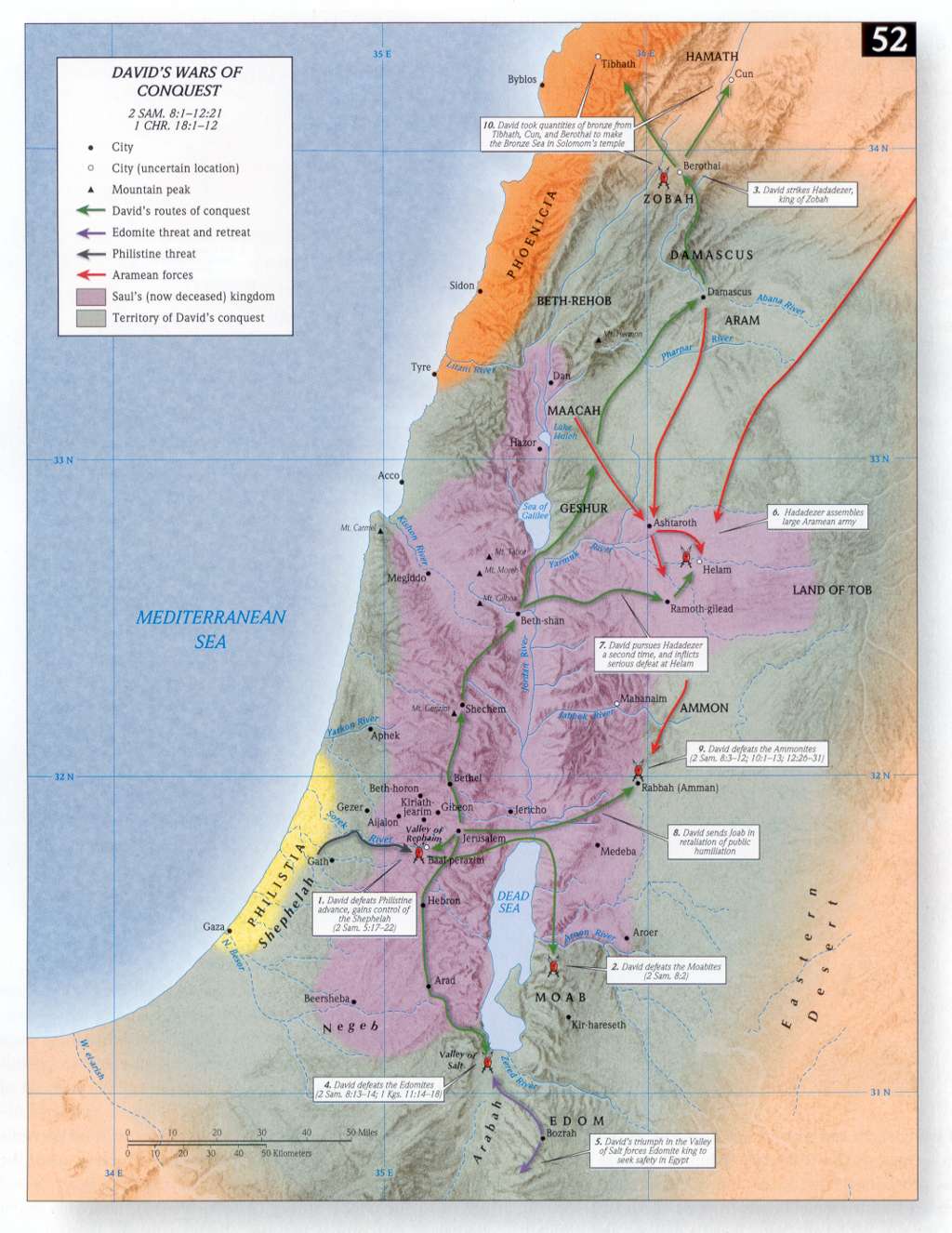
- David's Wars of Conquest
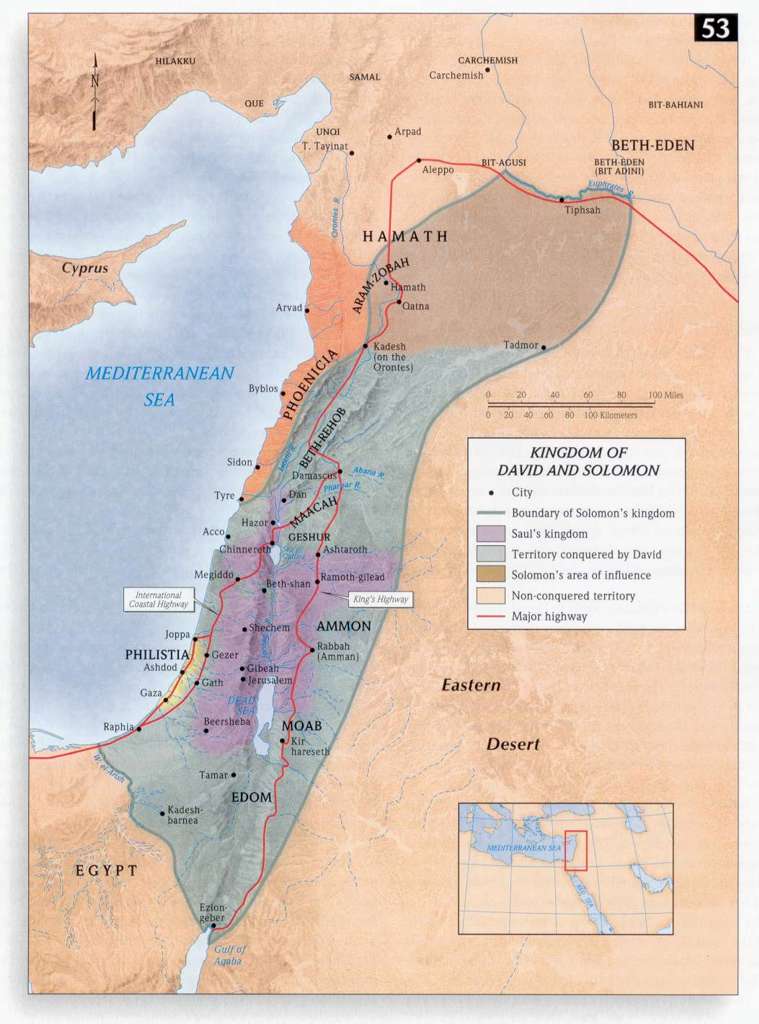
- Kingdom of David and Solomon
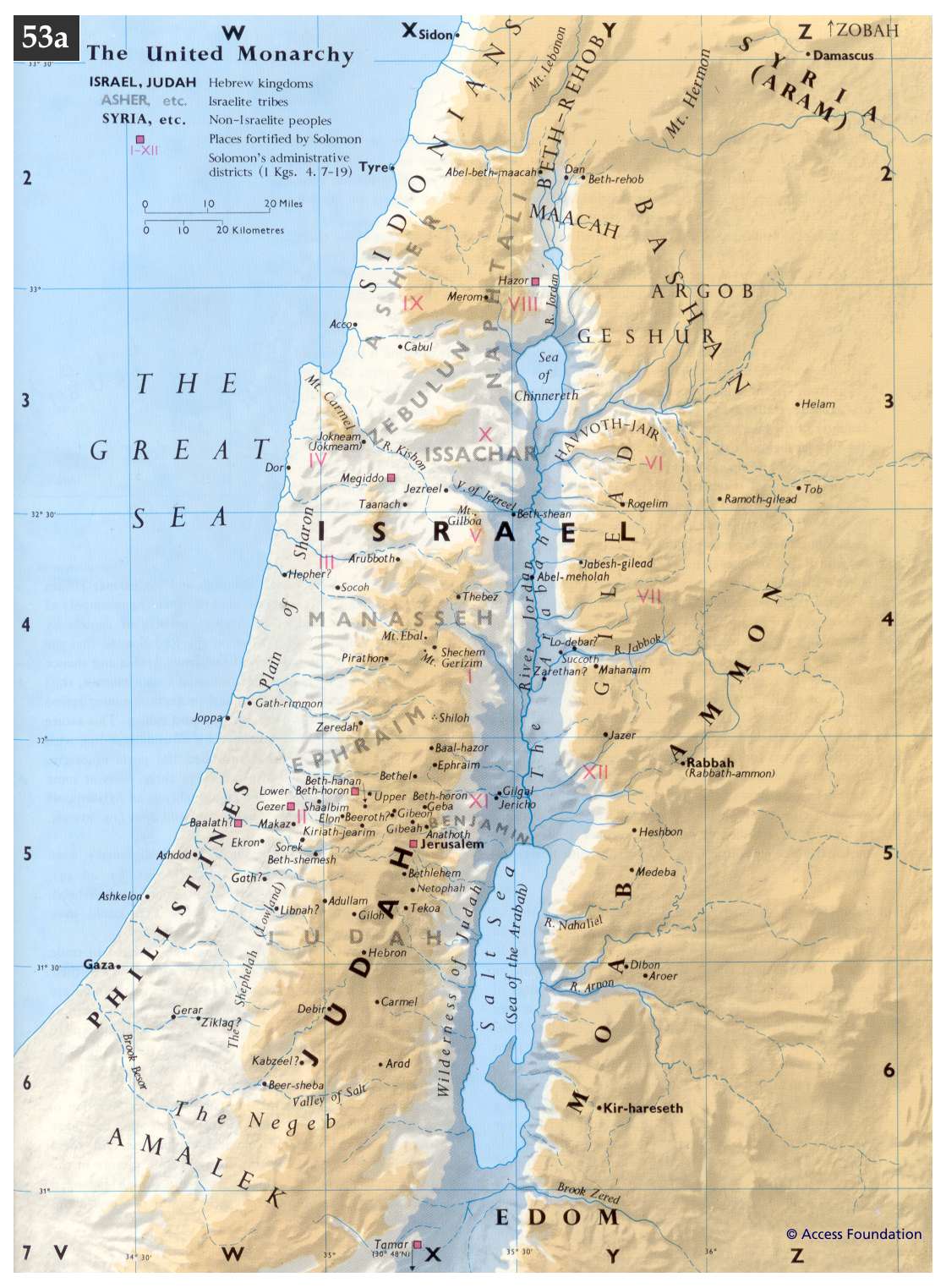
- The United Monarchy under Solomon (1)
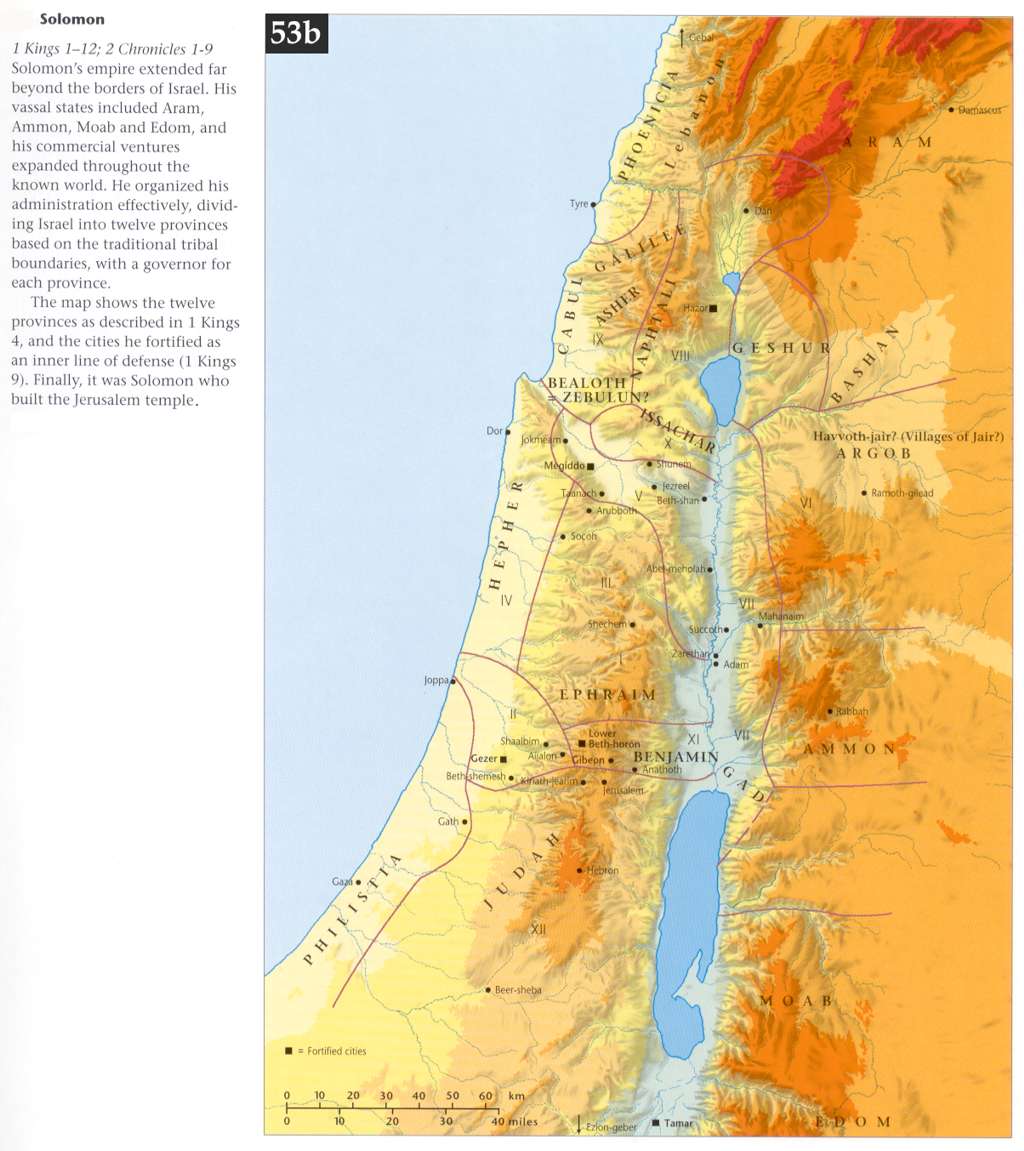
- The United Monarchy under Solomon (2)
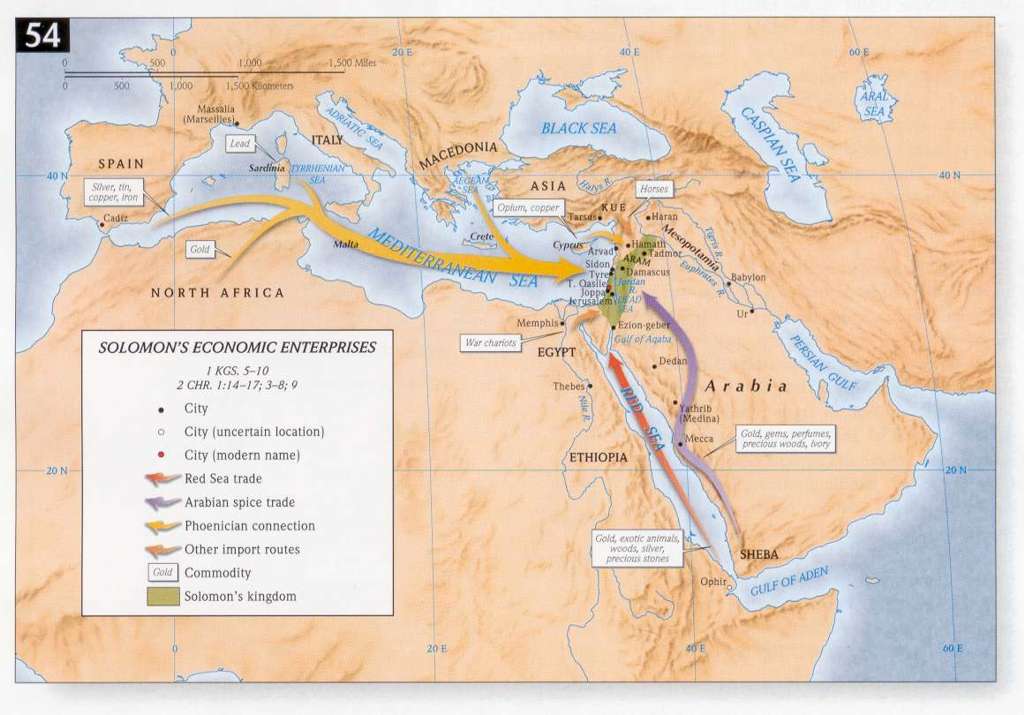
- Solomon's Economic Enterprises
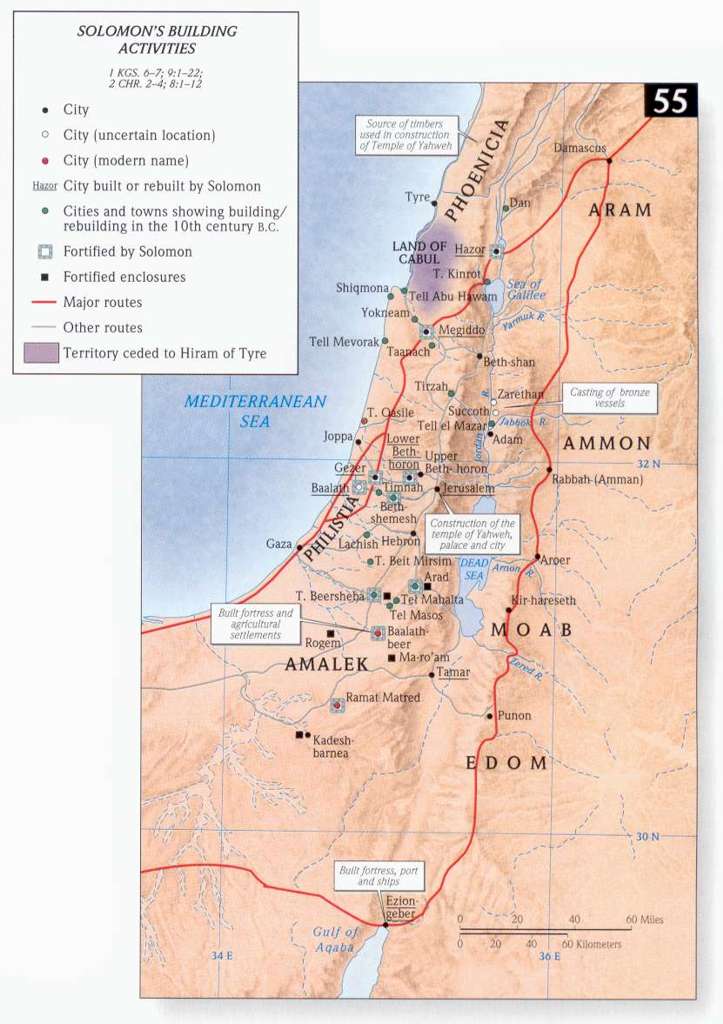
- Solomon's Building Activities
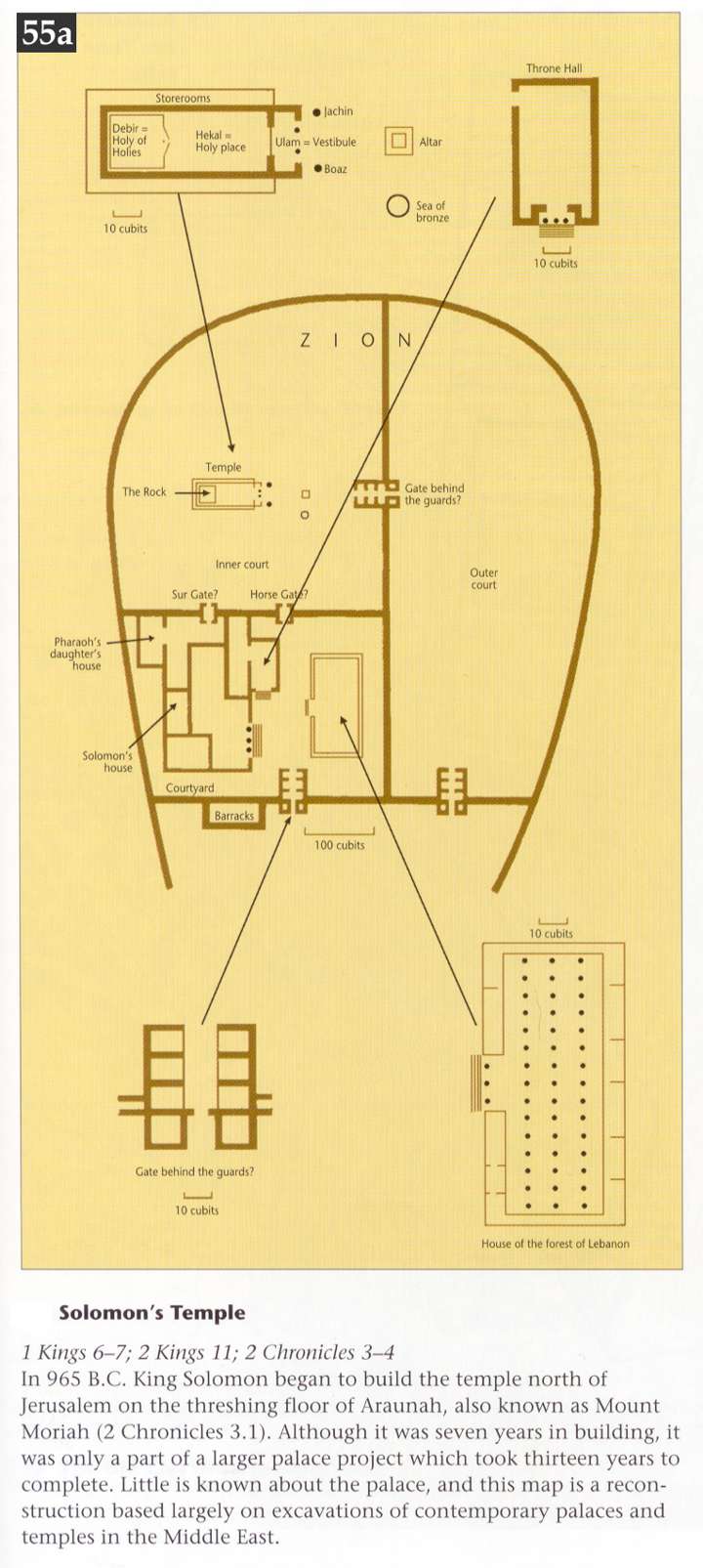
- Solomon's Temple
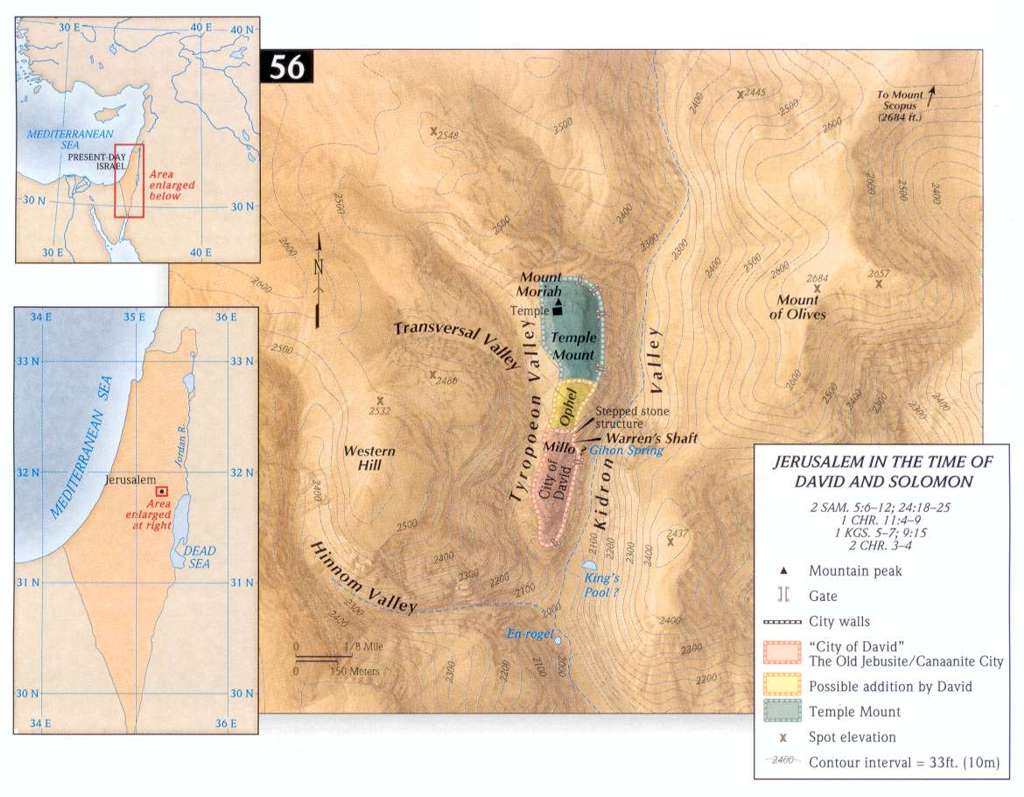
- Jerusalem in the Time of David and Solomon
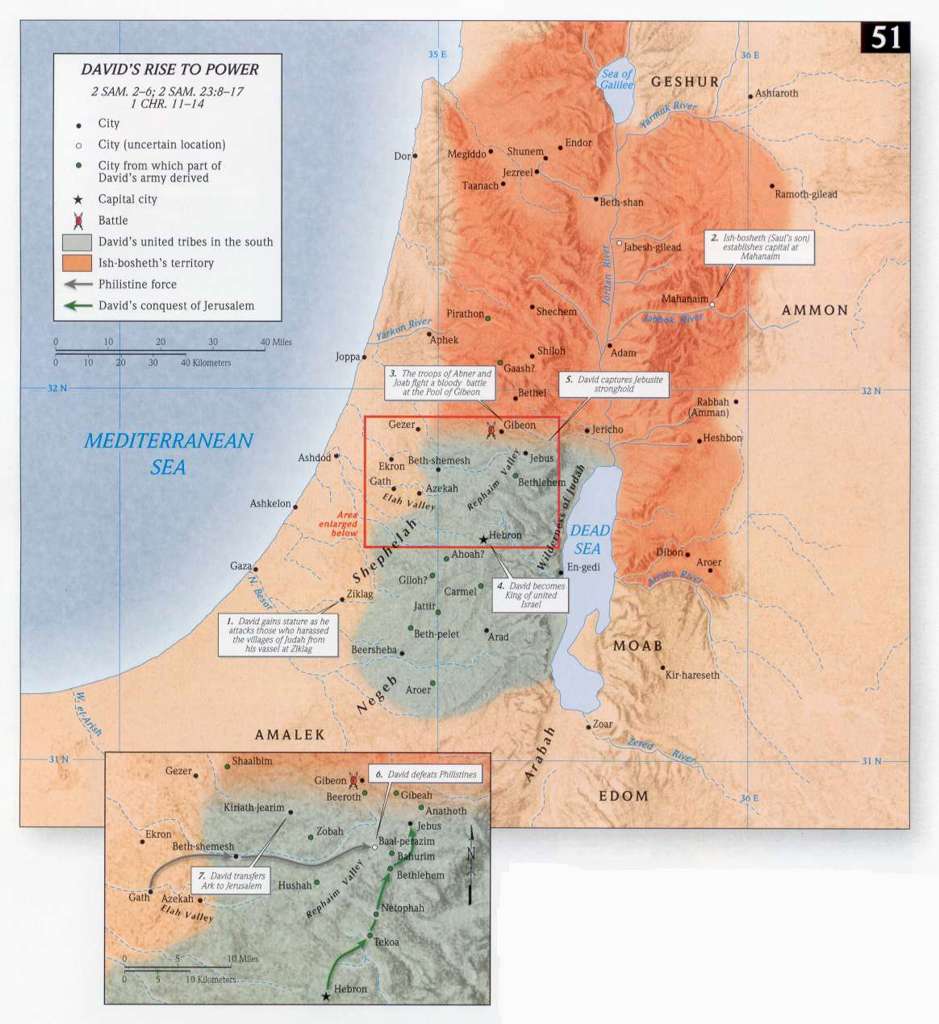
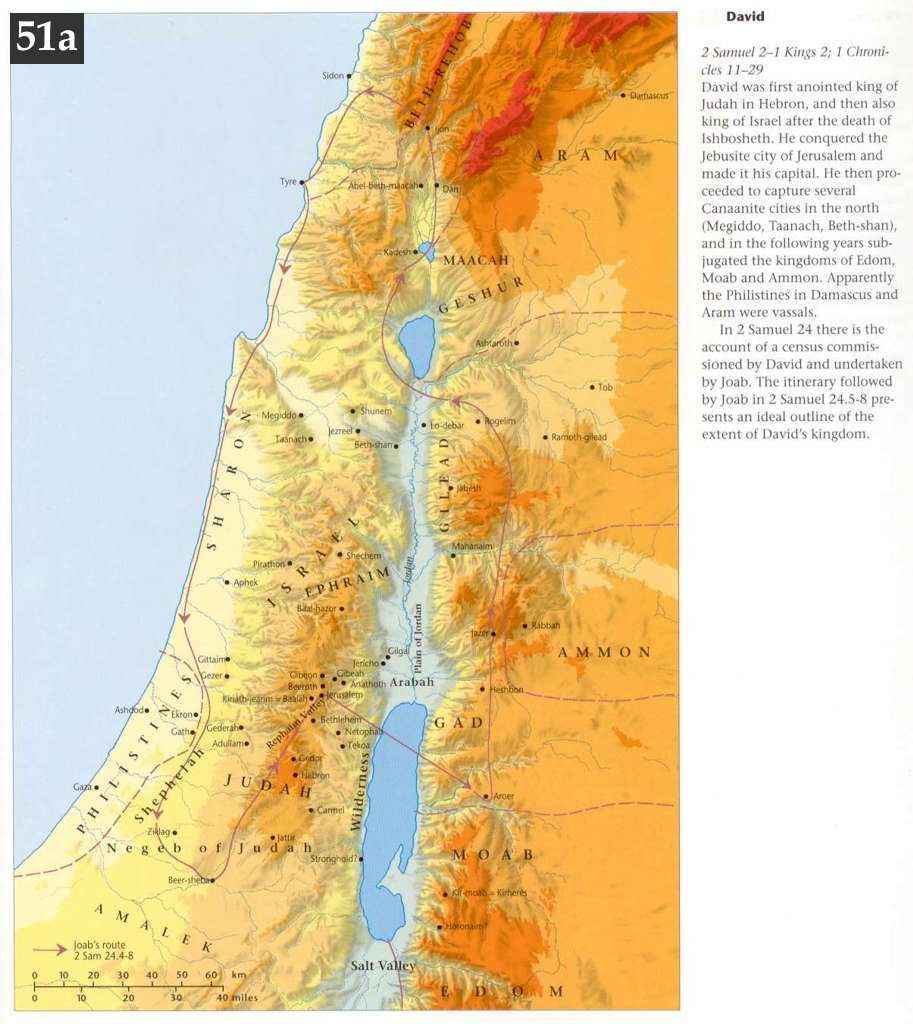
The Kingdoms of Israel and Judah
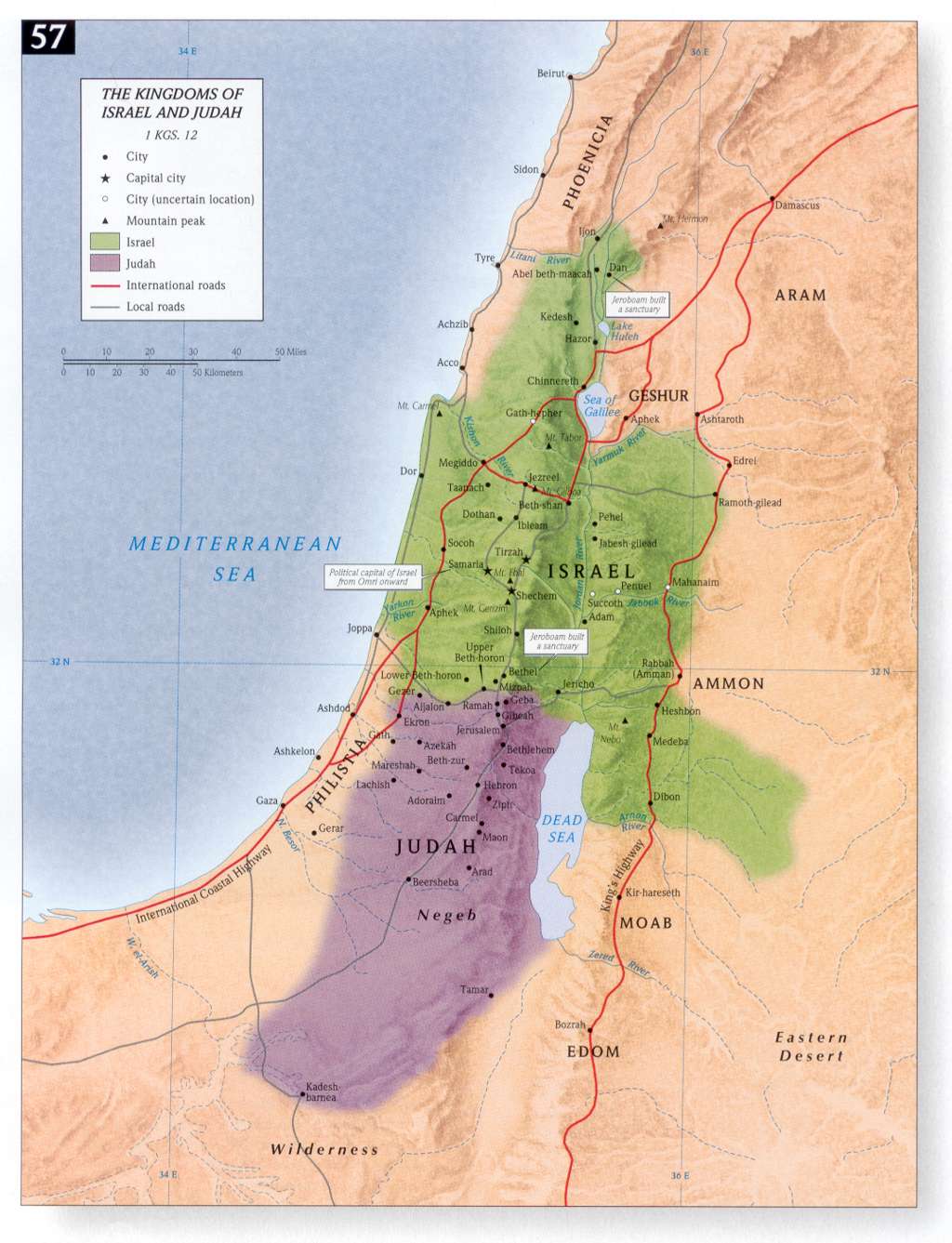
- The Kingdoms of Israel and Judah (1)
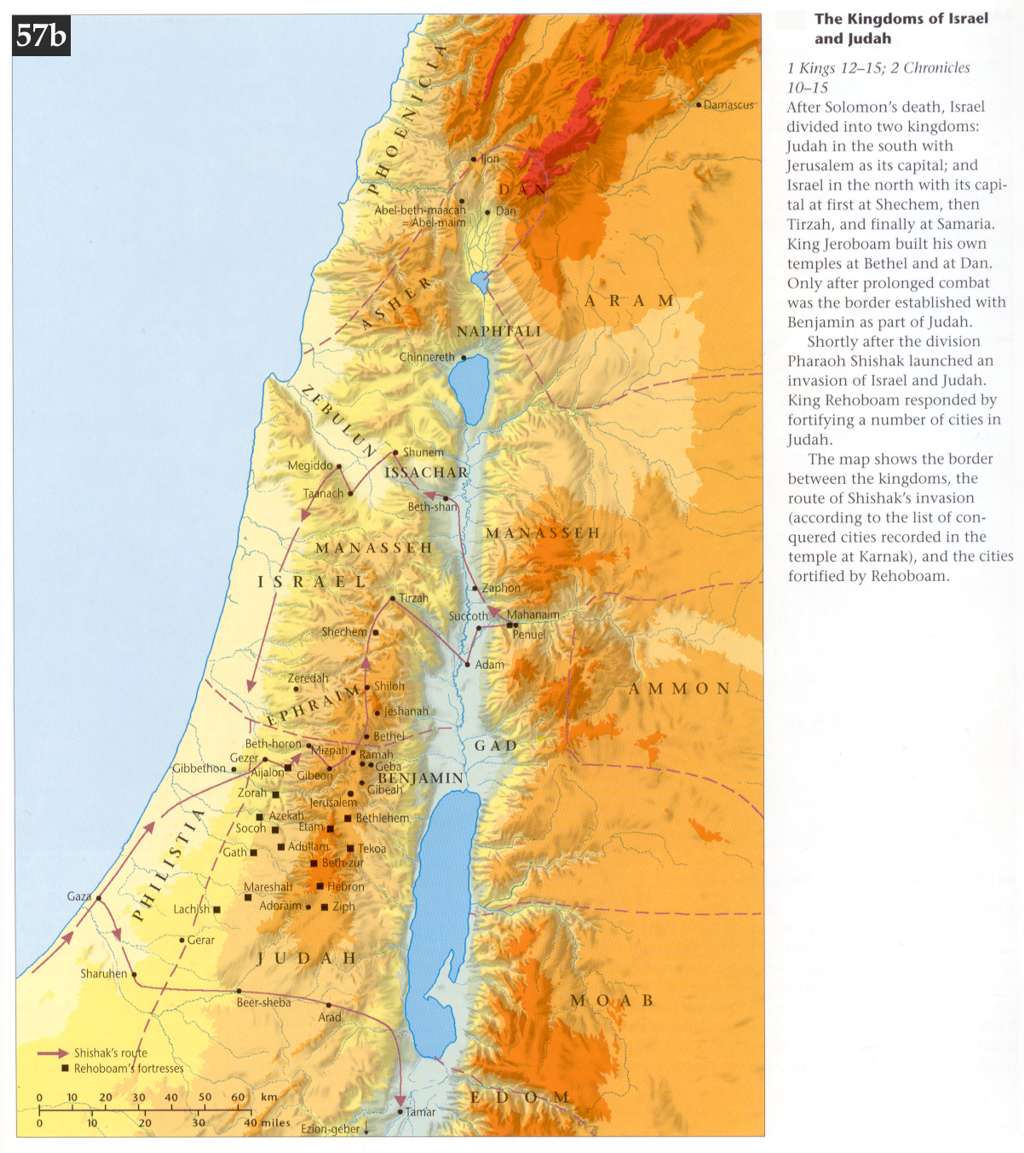
- The Kingdoms of Israel and Judah (2)
- The Kingdoms of Israel and Judah (3)
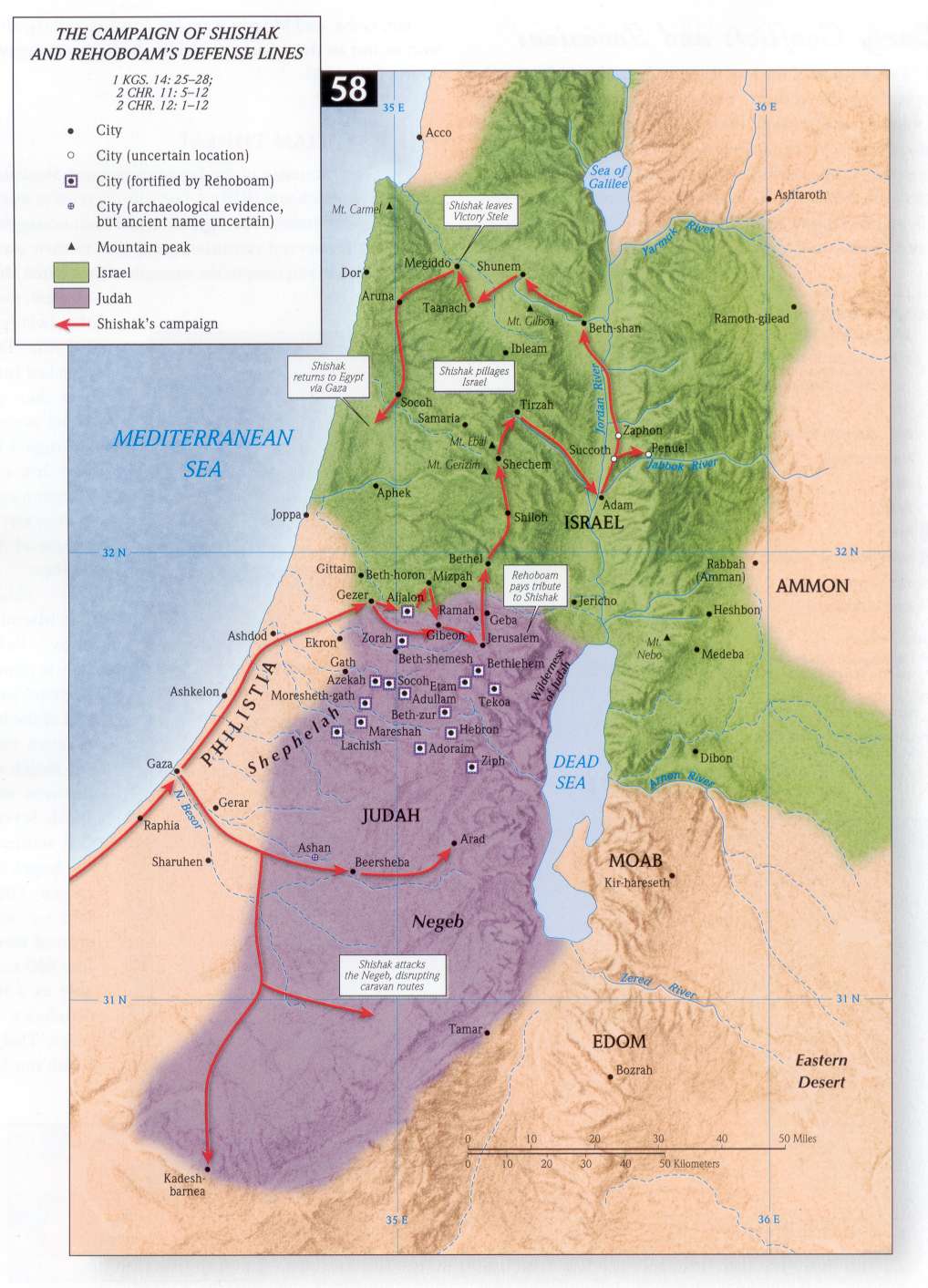
- The Campaign of Shishak
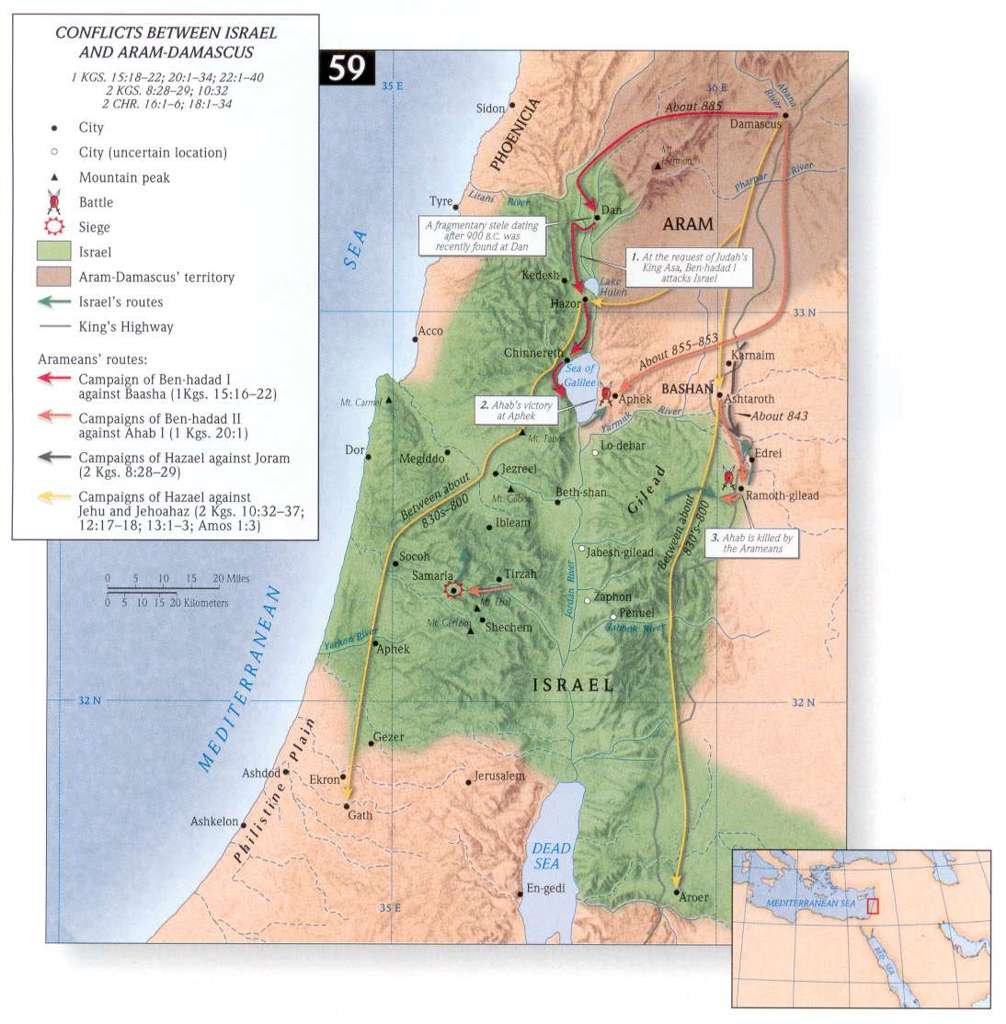
- Conflicts between Israel and Aram-Damascus
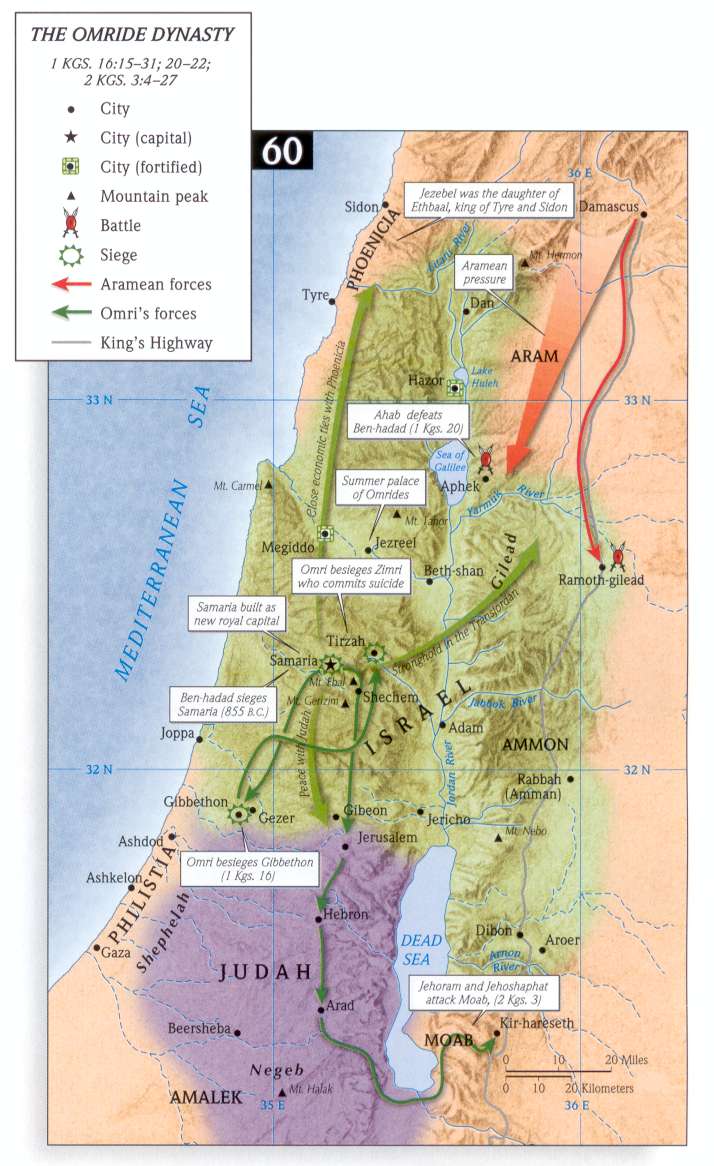
- The Omride Dynasty
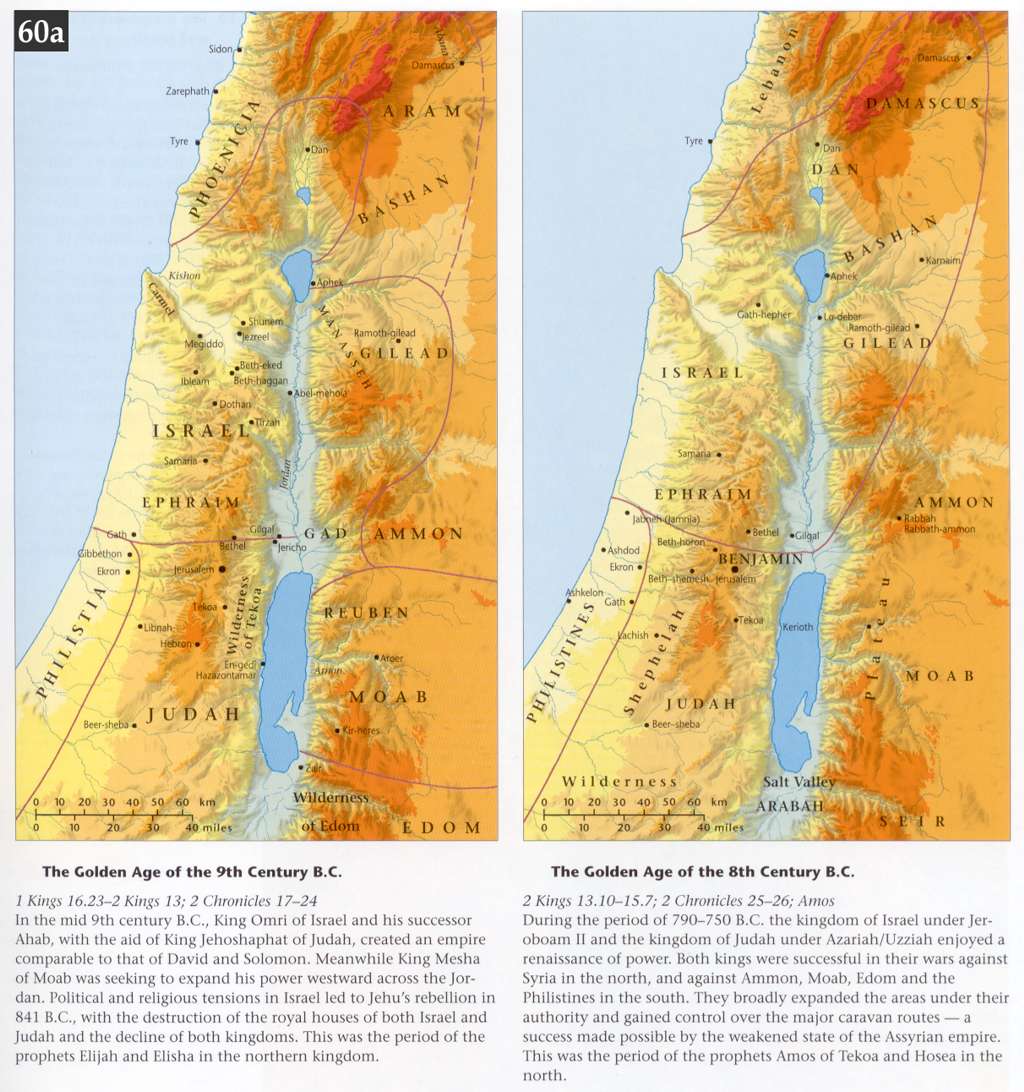
- The Golden Ages of the 9th & 8th centuries BCE
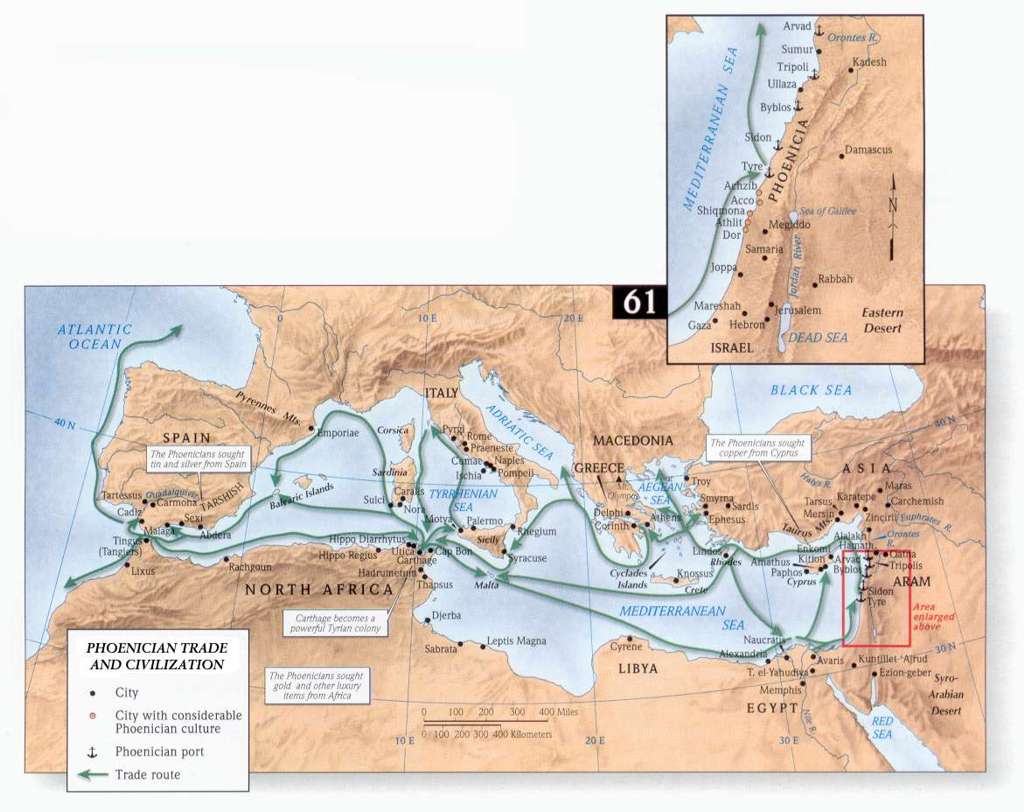
- Phoenician Trade and Civilization
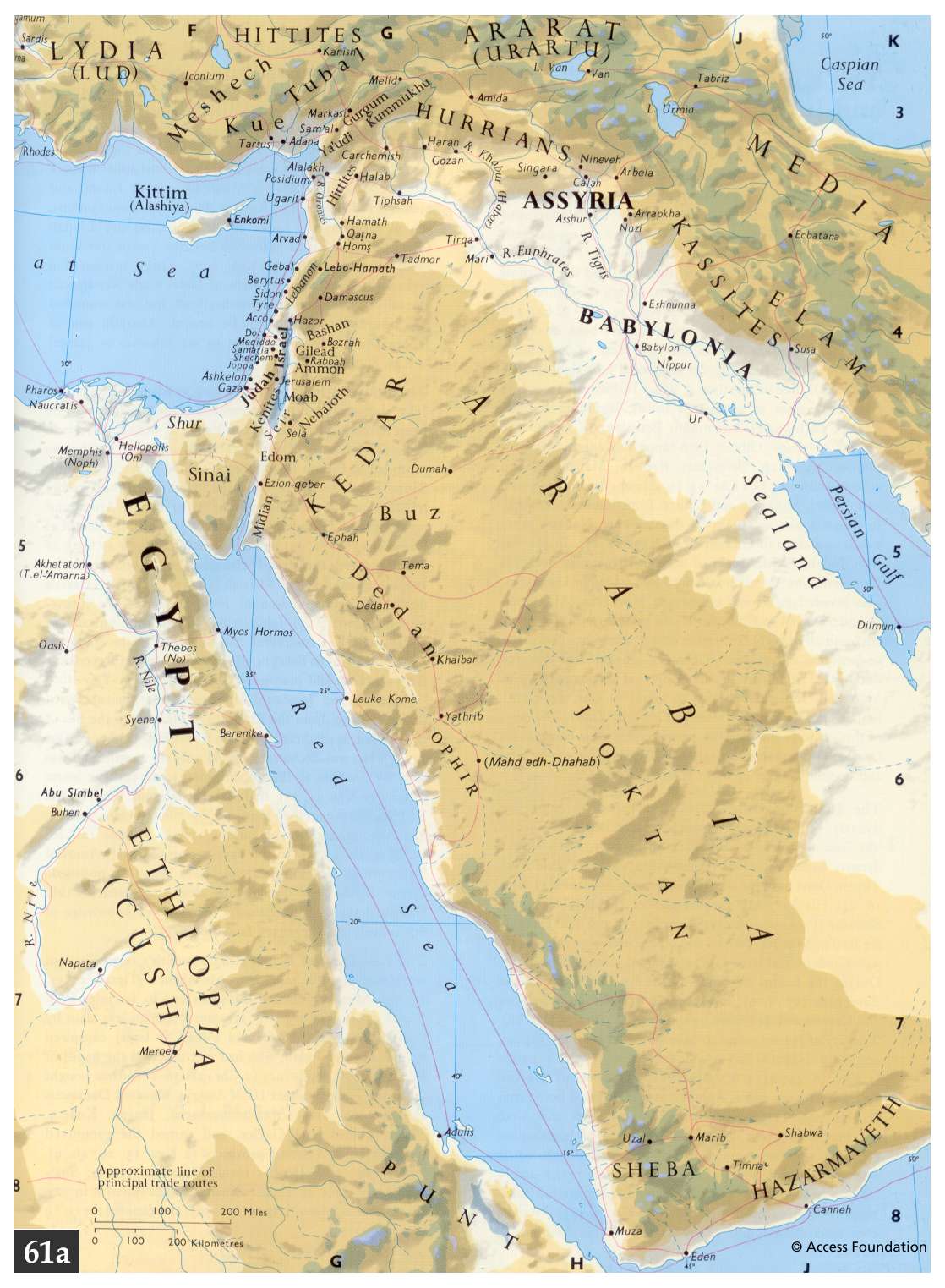
- Trade Routes throughout the Middle East
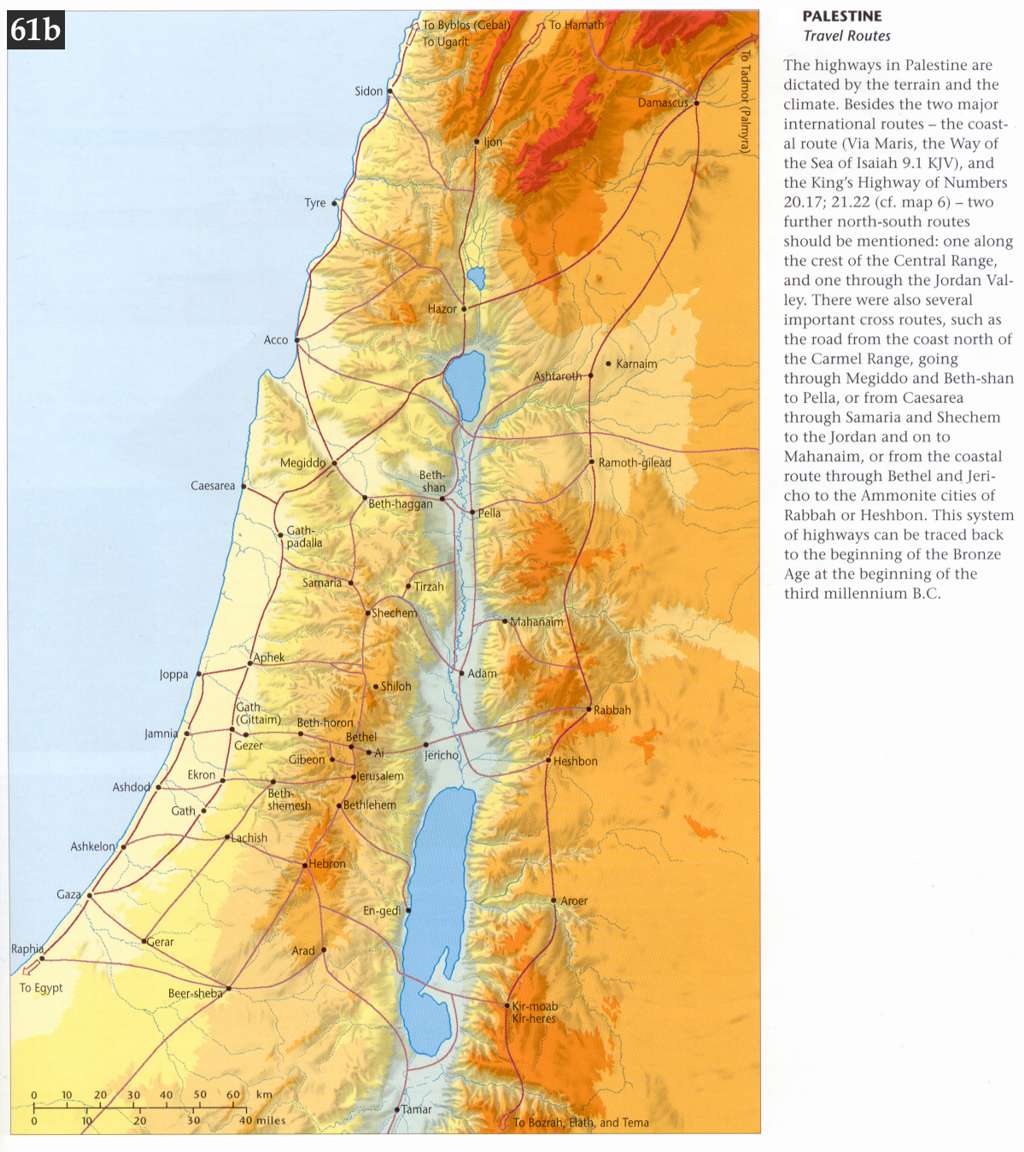
- Travel Routes throughout Palestine
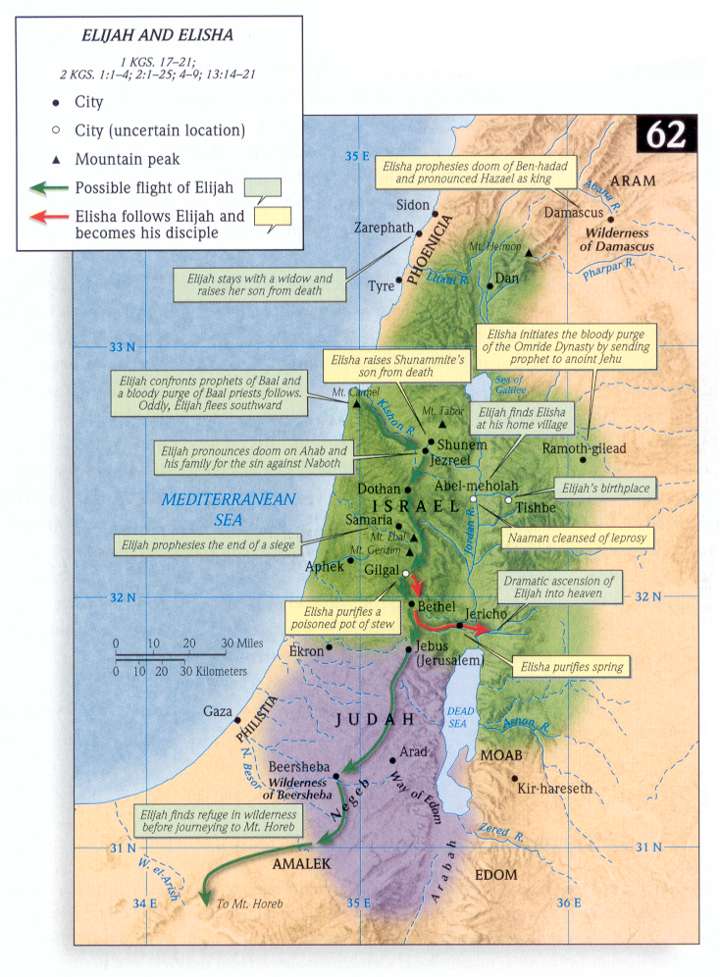
- Elijah and Elisha
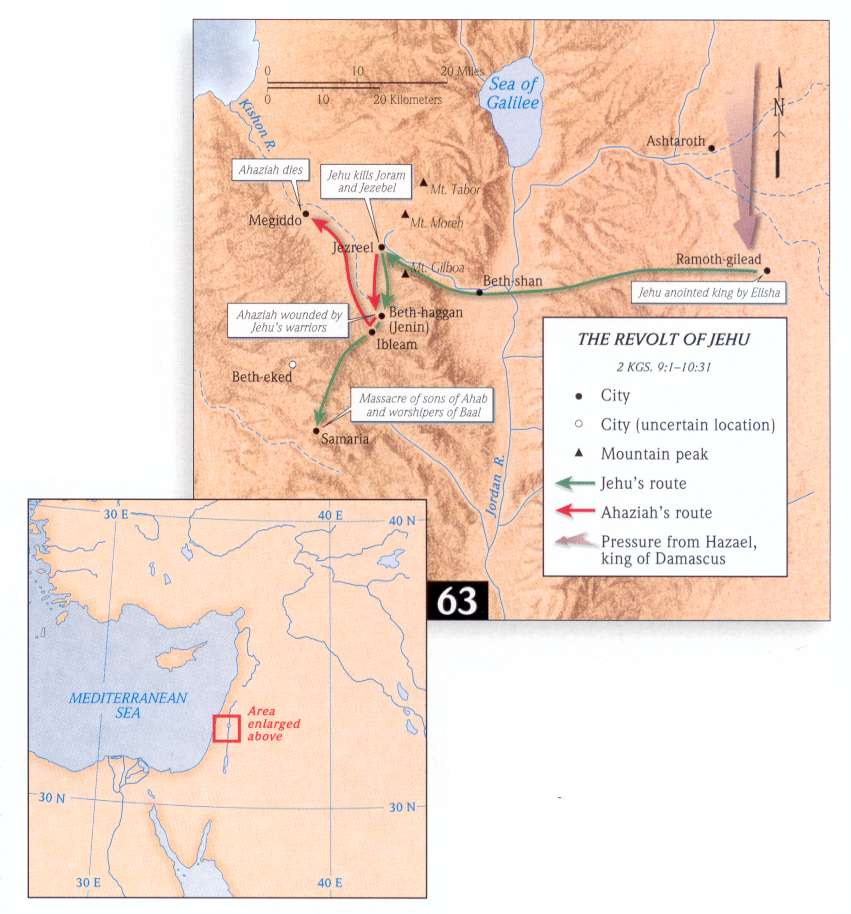
- The Revolt of Jehu
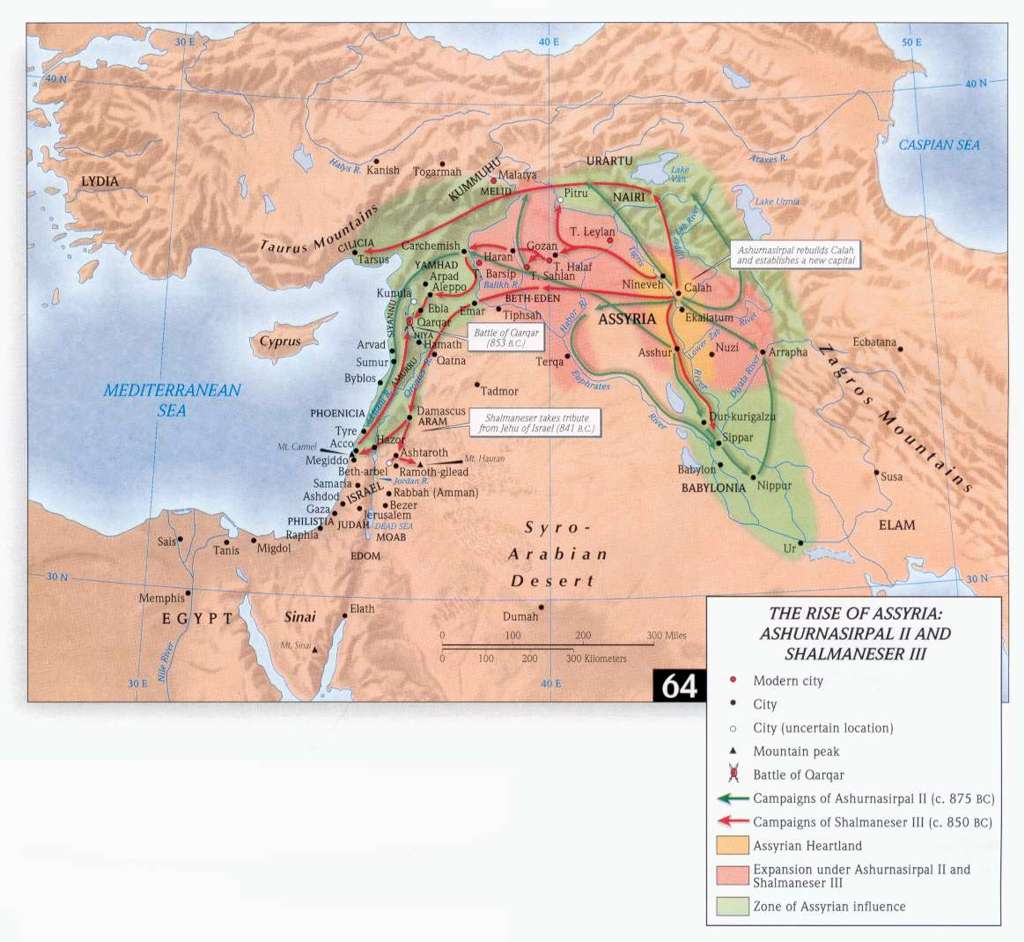
- The Rise of Assyria
- Israel & Judah in the days of Jeroboam II and Uzziah
- The Assyrian Empire under Tiglath-Pileser III
- The Syro-Ephraimite War
- Tiglath-Pileser III's Campaigns
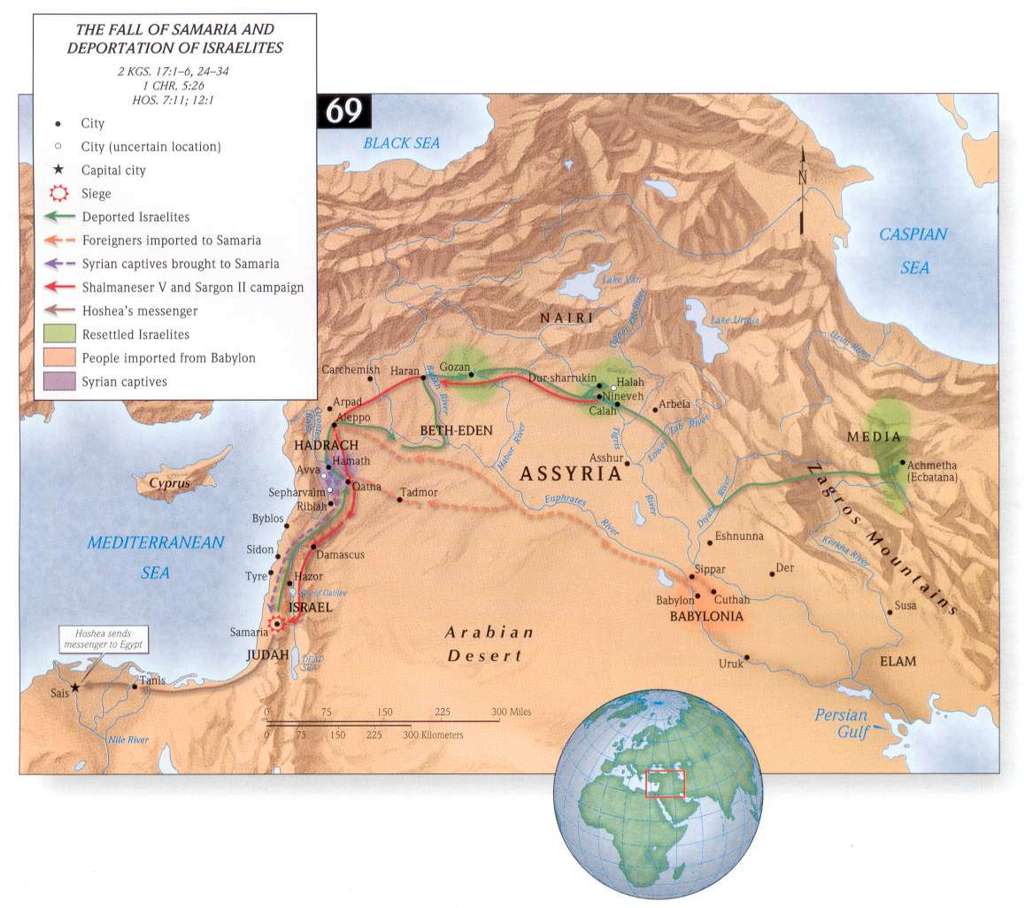
- Fall of Samaria and Deportation of Israelites
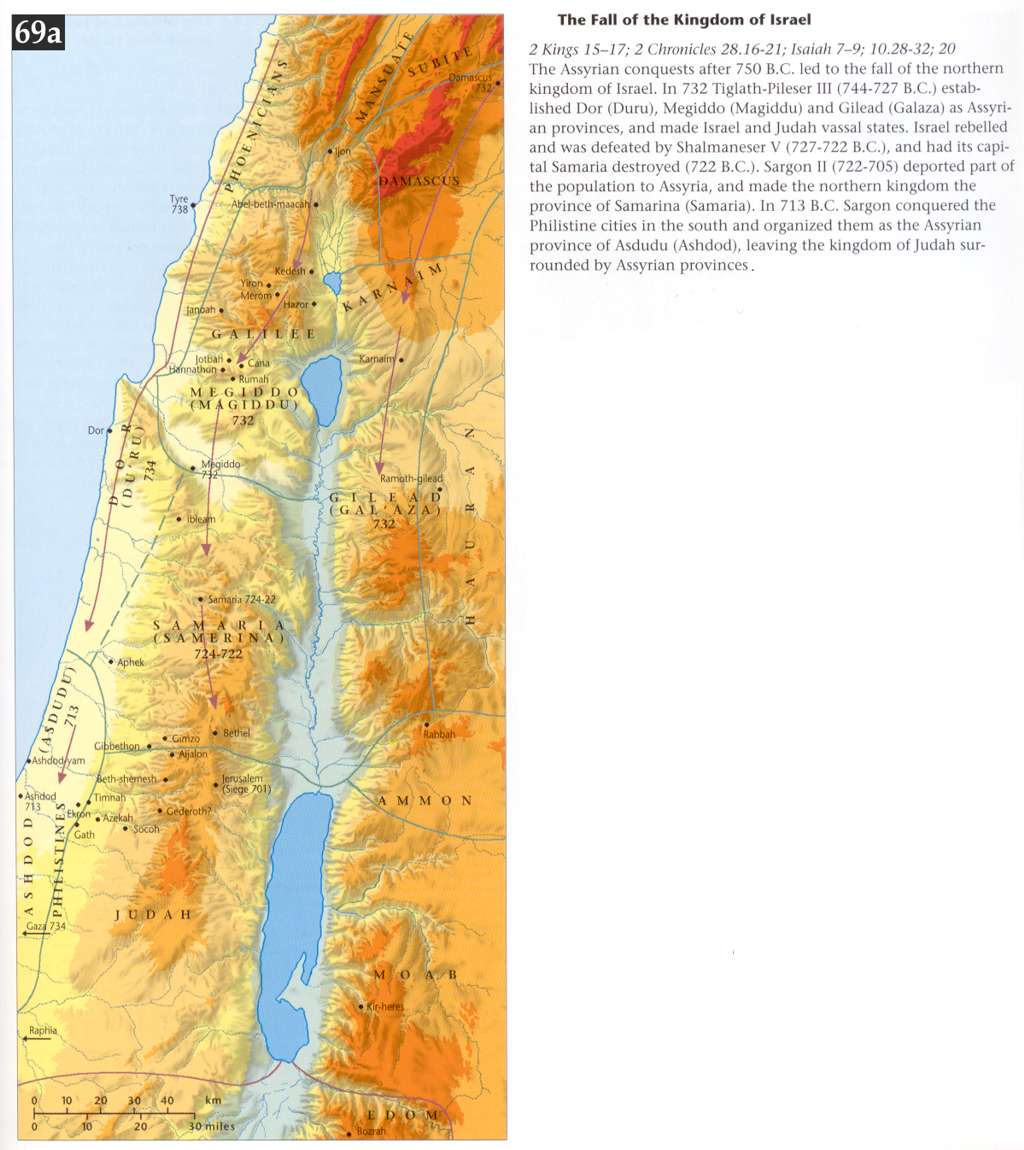
- The Fall of the Kingdom of Israel
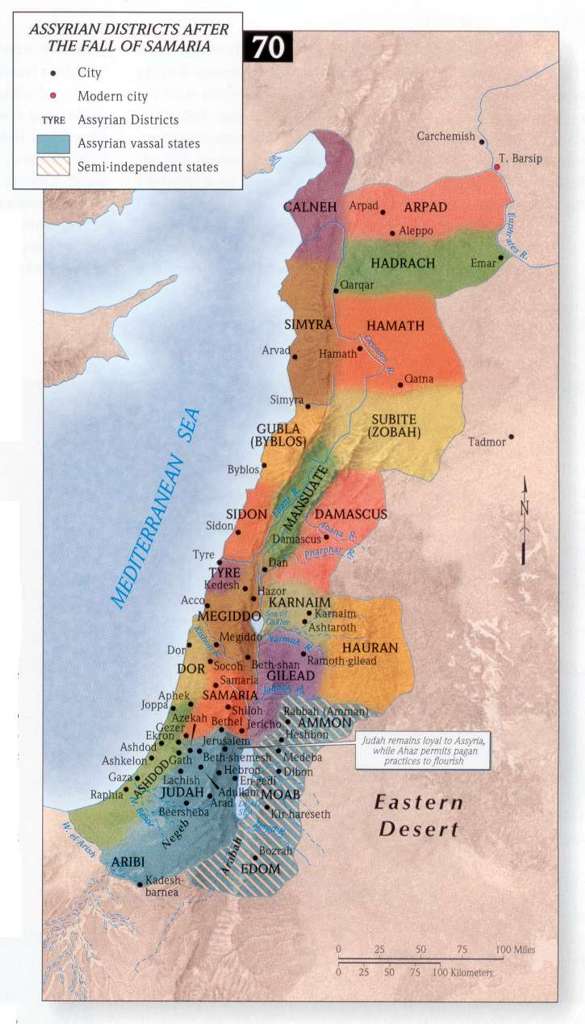
- Assyrian Districts after the Fall of Samaria
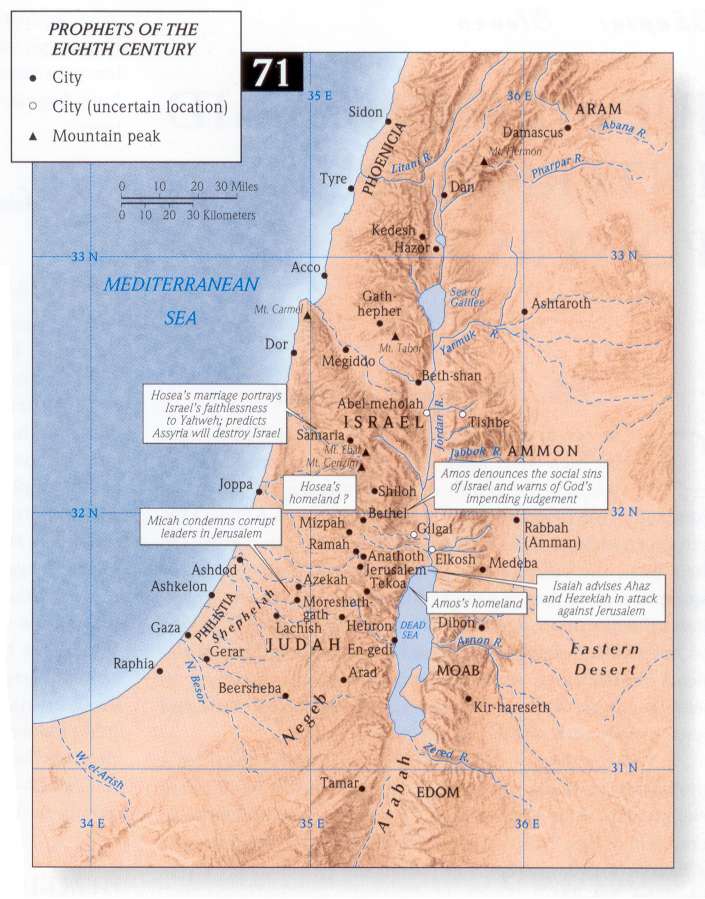
- Prophets of the 8th Century BCE

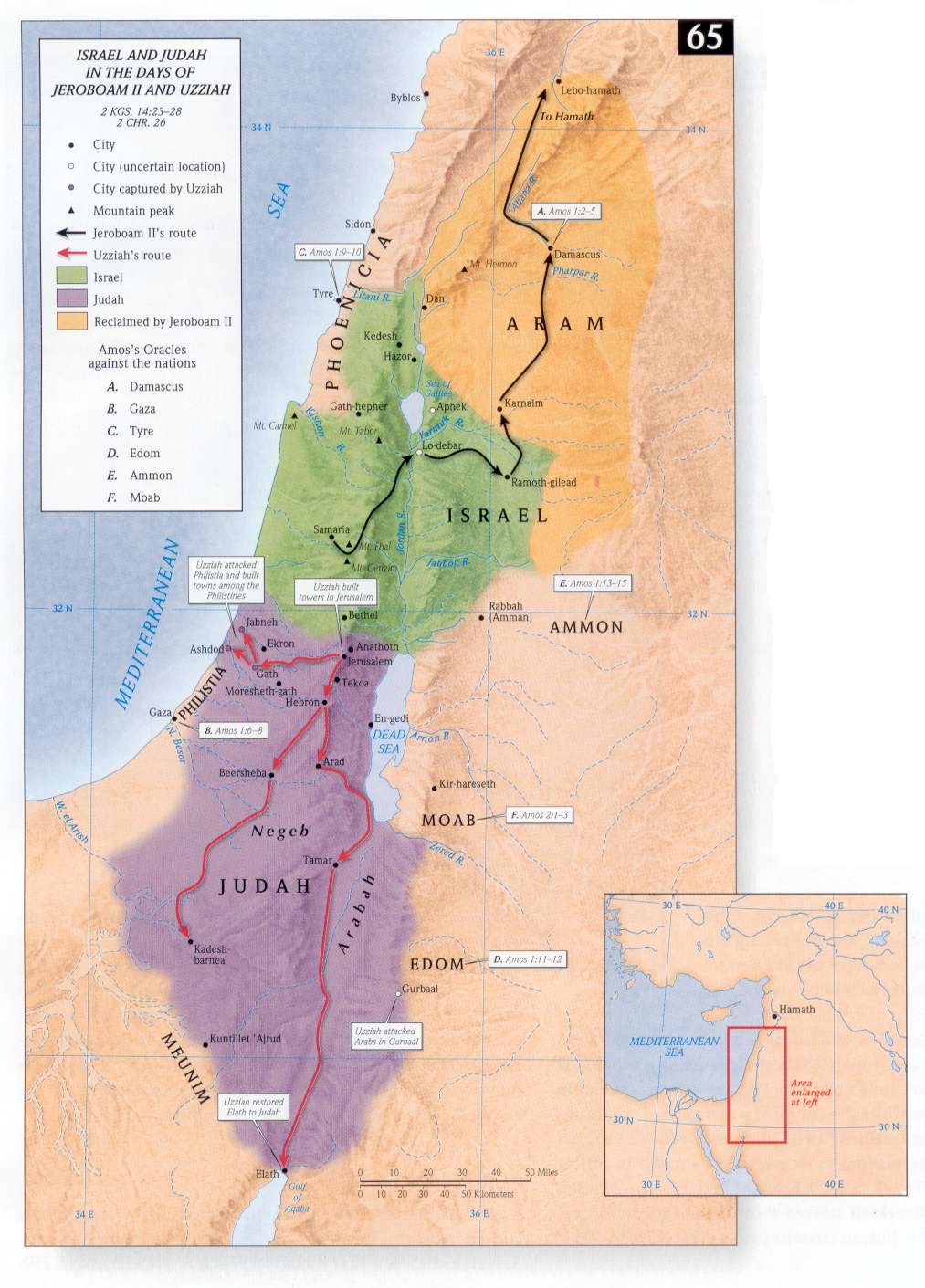
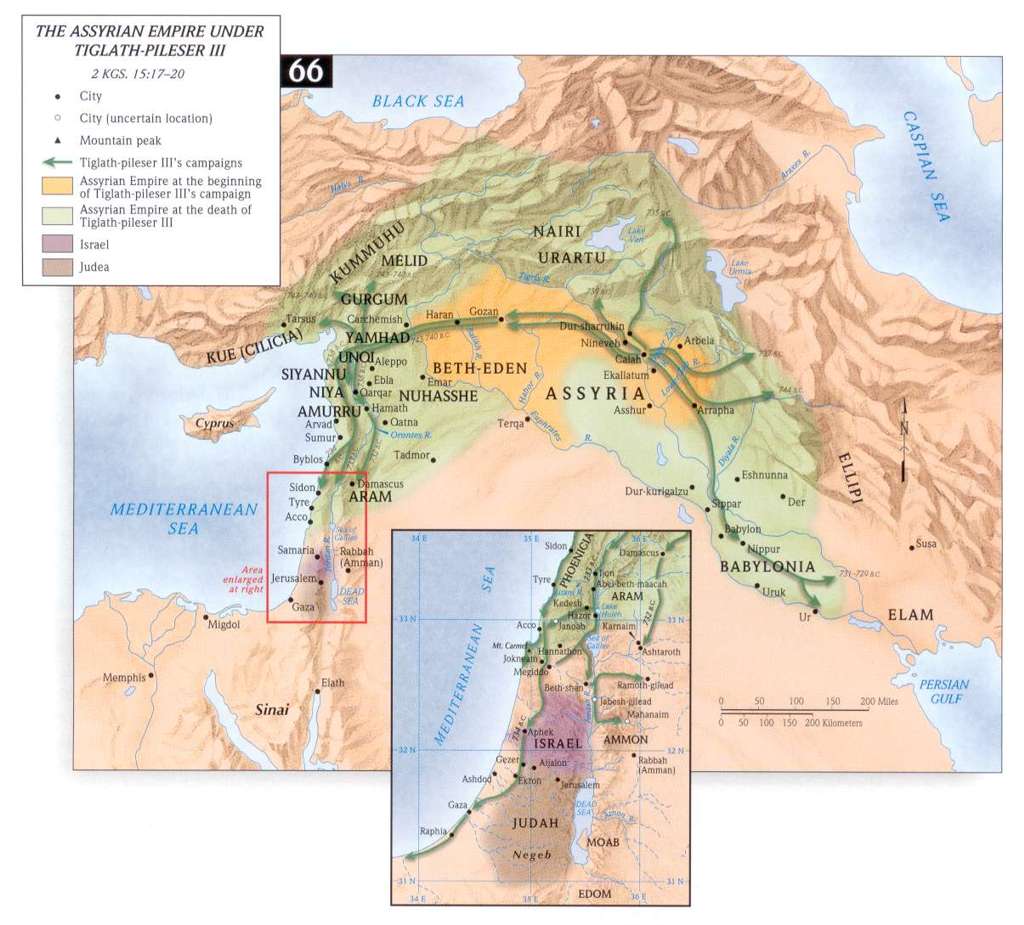
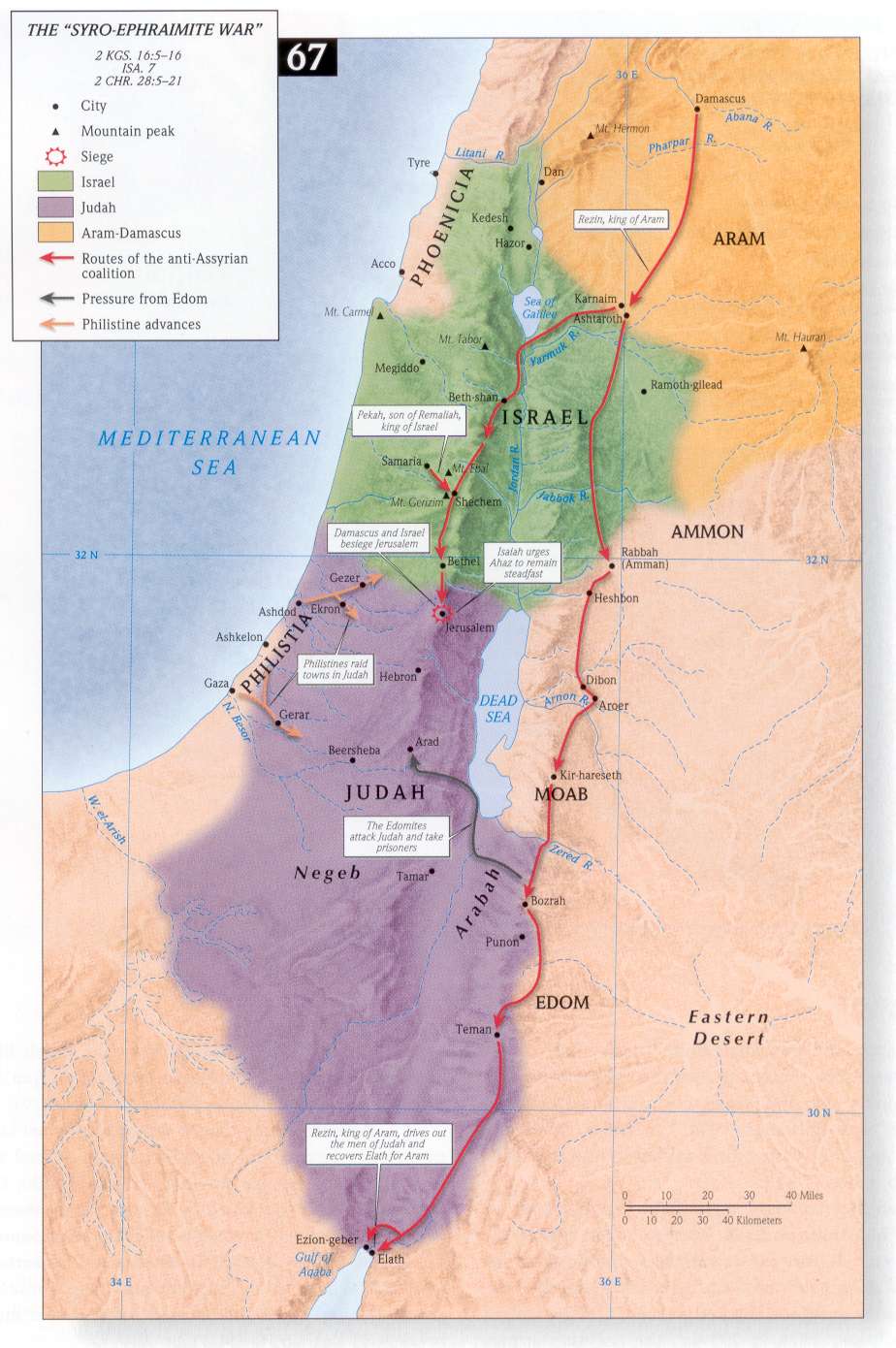
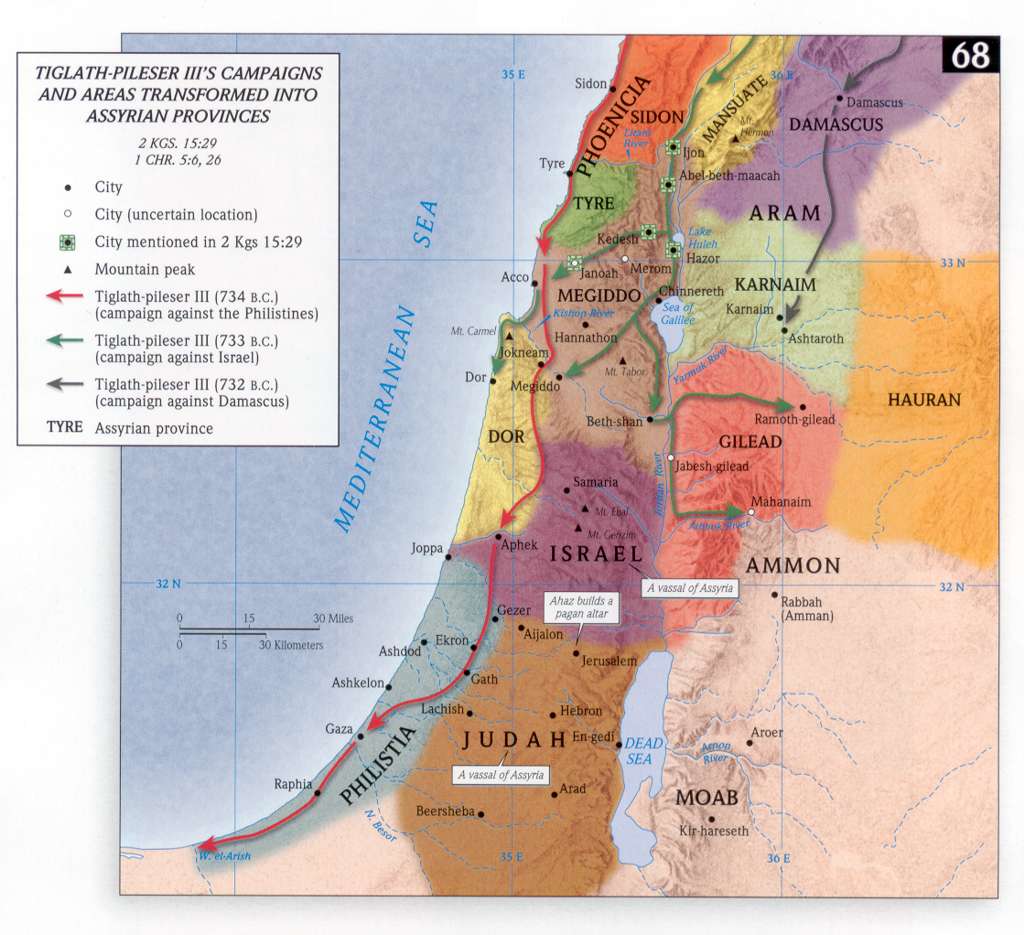
Judah Alone amid International Powers
- Hezekiah's Preparation for Revolt
- Judah under King Hezekiah
- Hezekiah's Jerusalem
- Sennacherib's Campaign against Judah
- Assyria in the 7th century BCE
- The Rise of the Neo-Babylonian Empire
- The Reign of Josiah
- The Districts of Judah under King Josiah
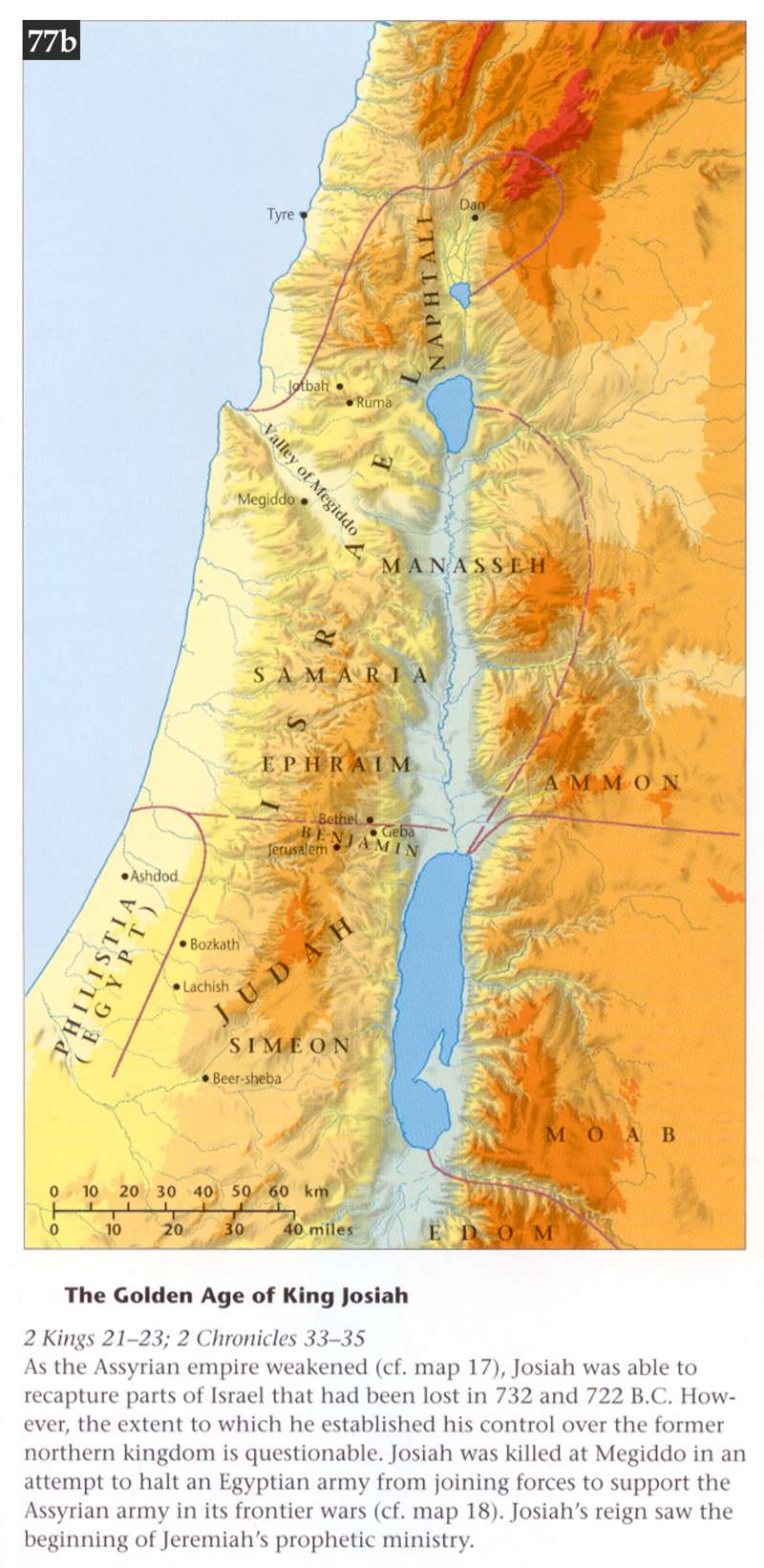
- The Golden Age of King Josiah
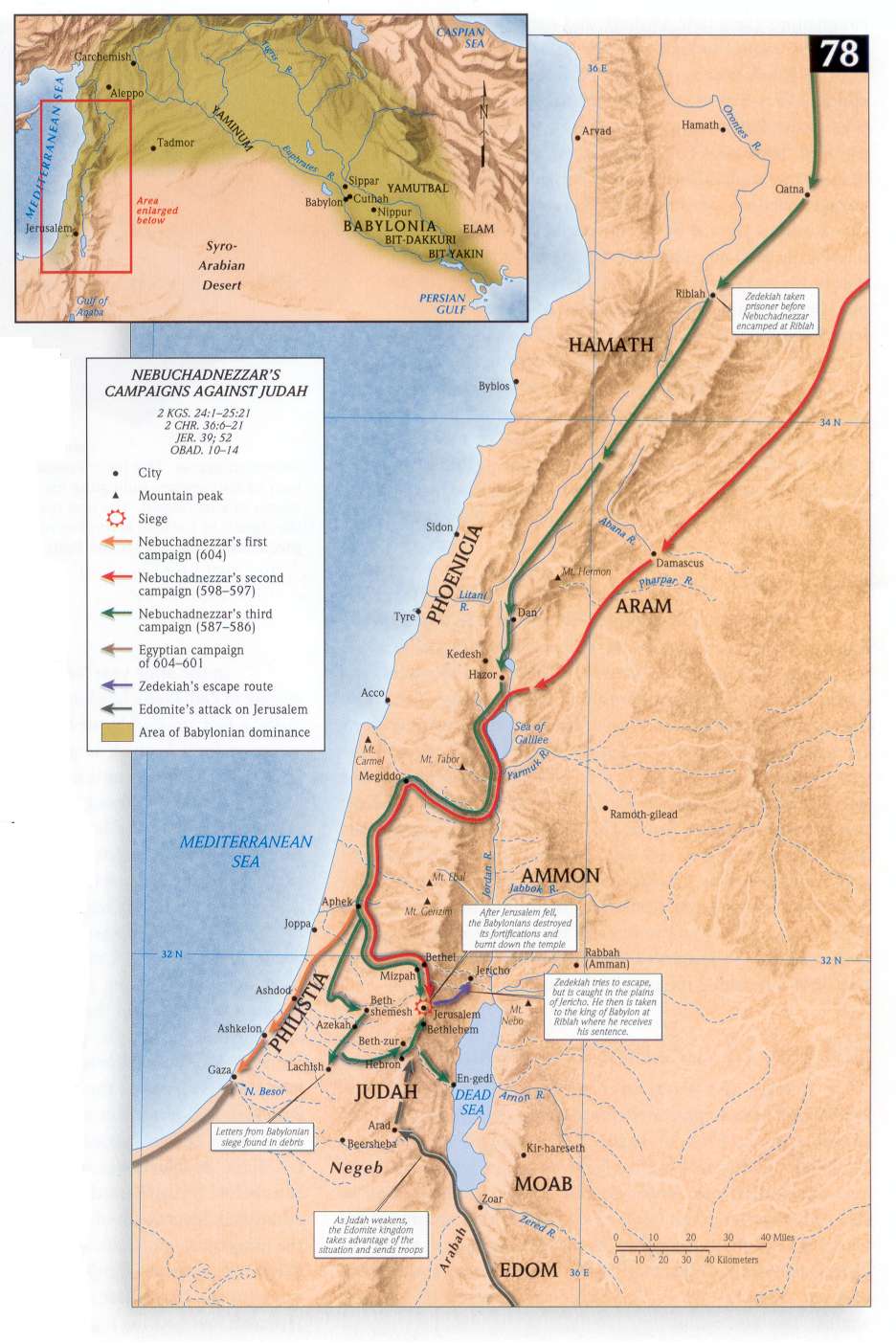
- Nebuchadnezzar's Campaigns against Judah
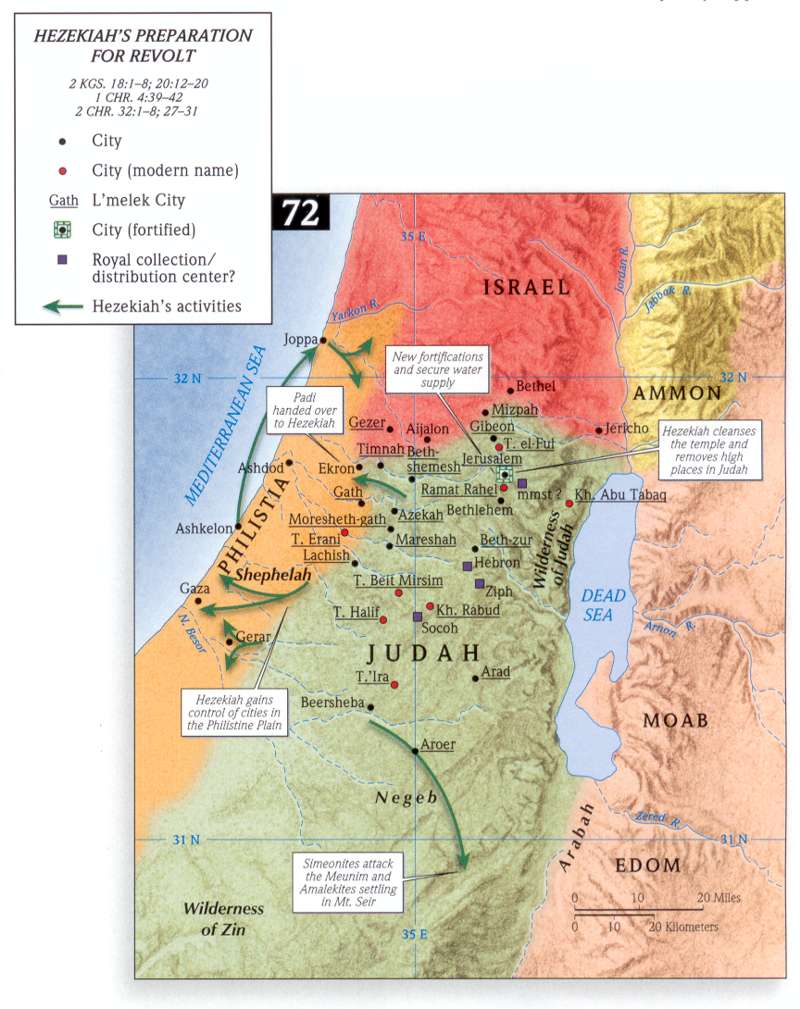
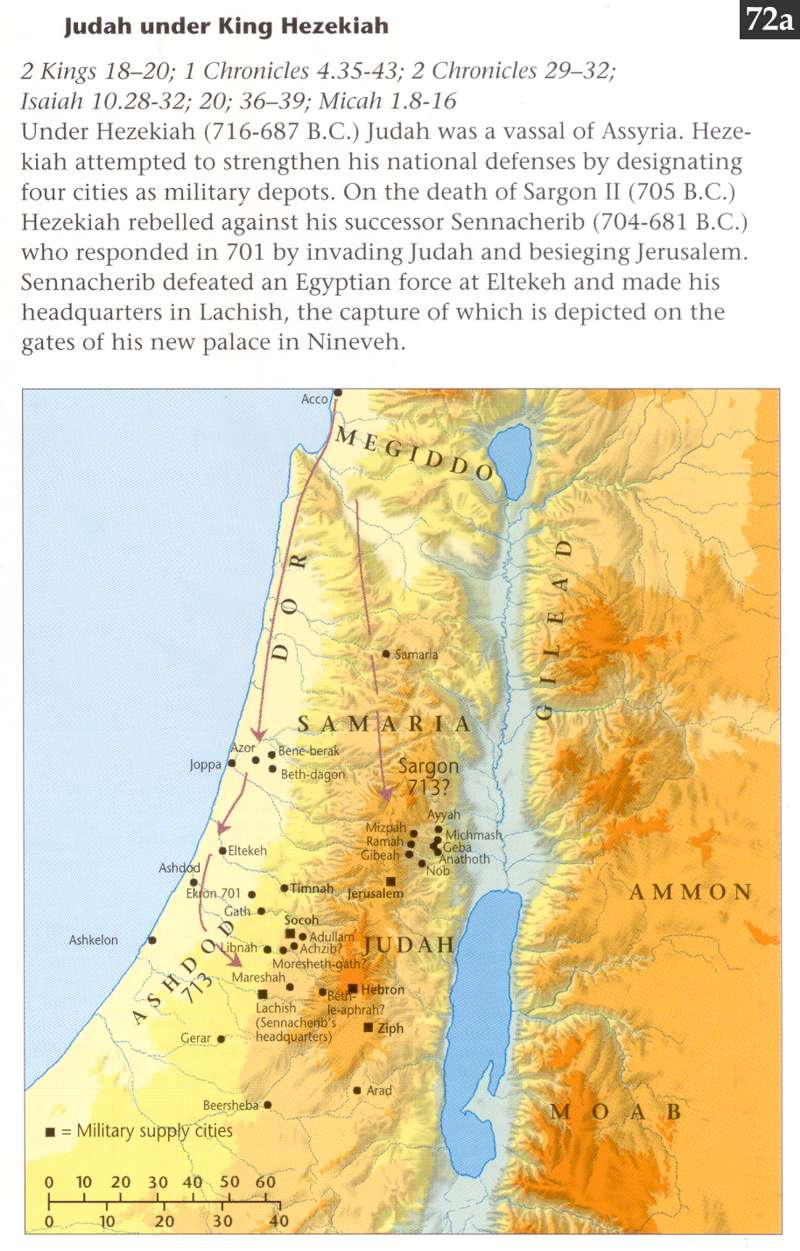
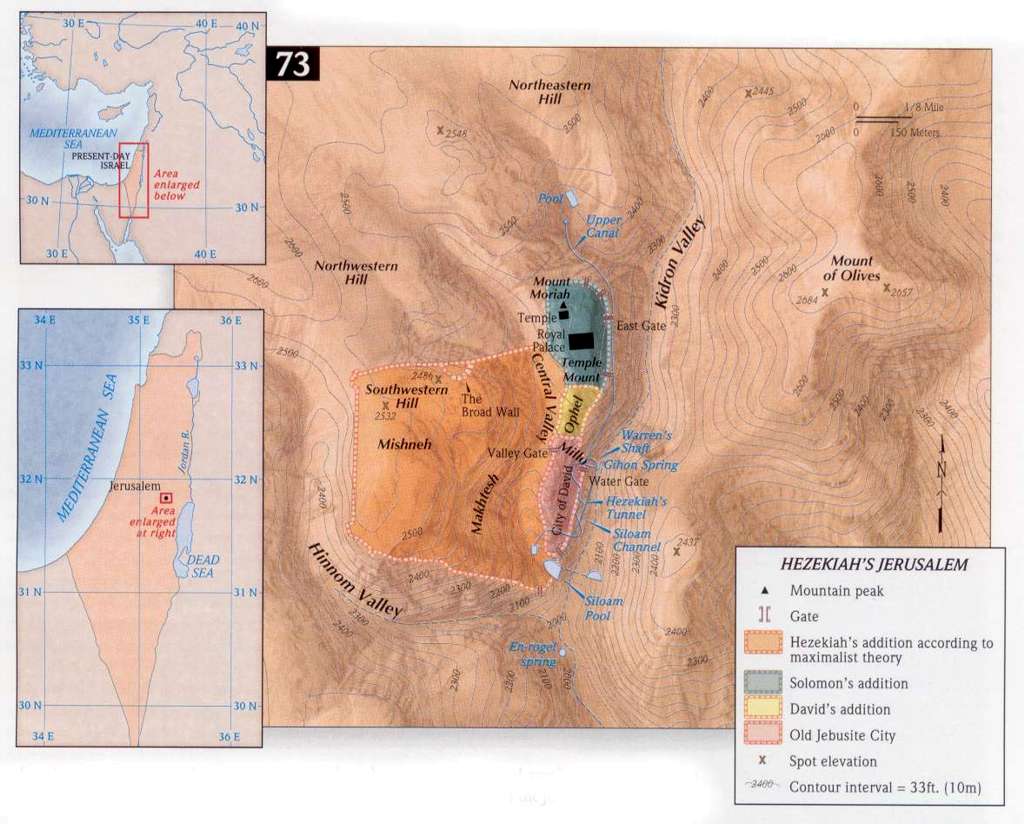
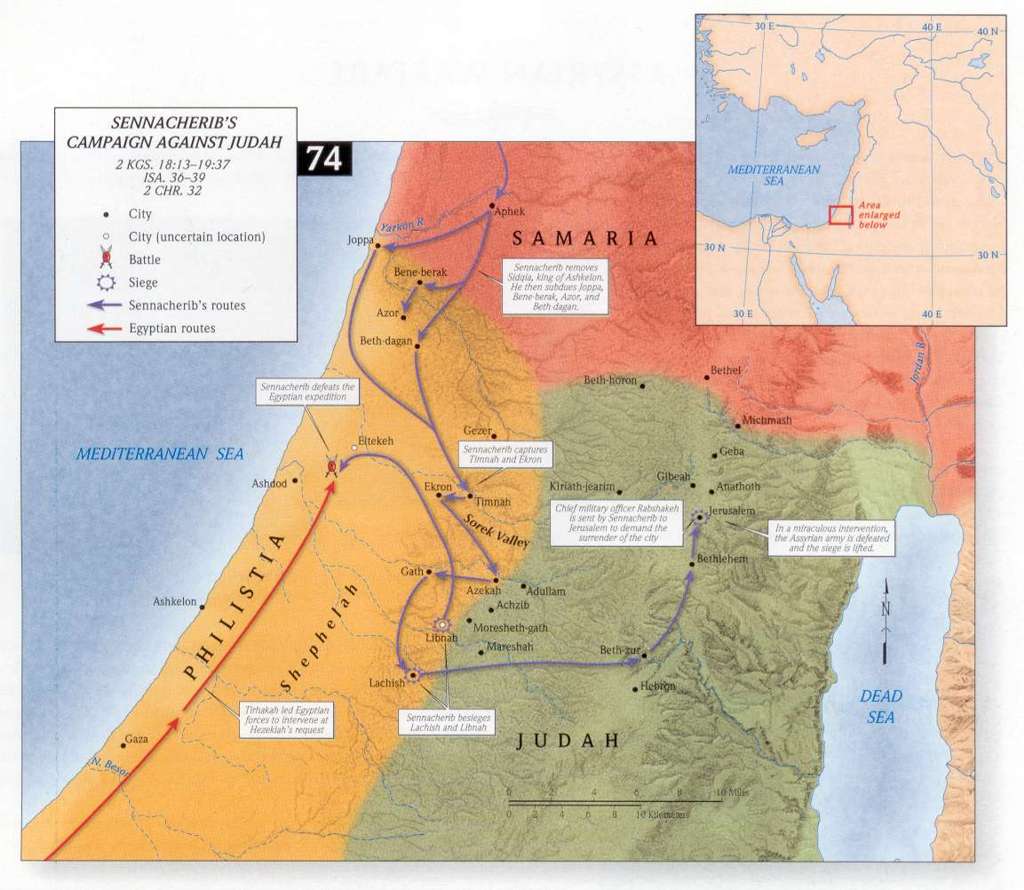
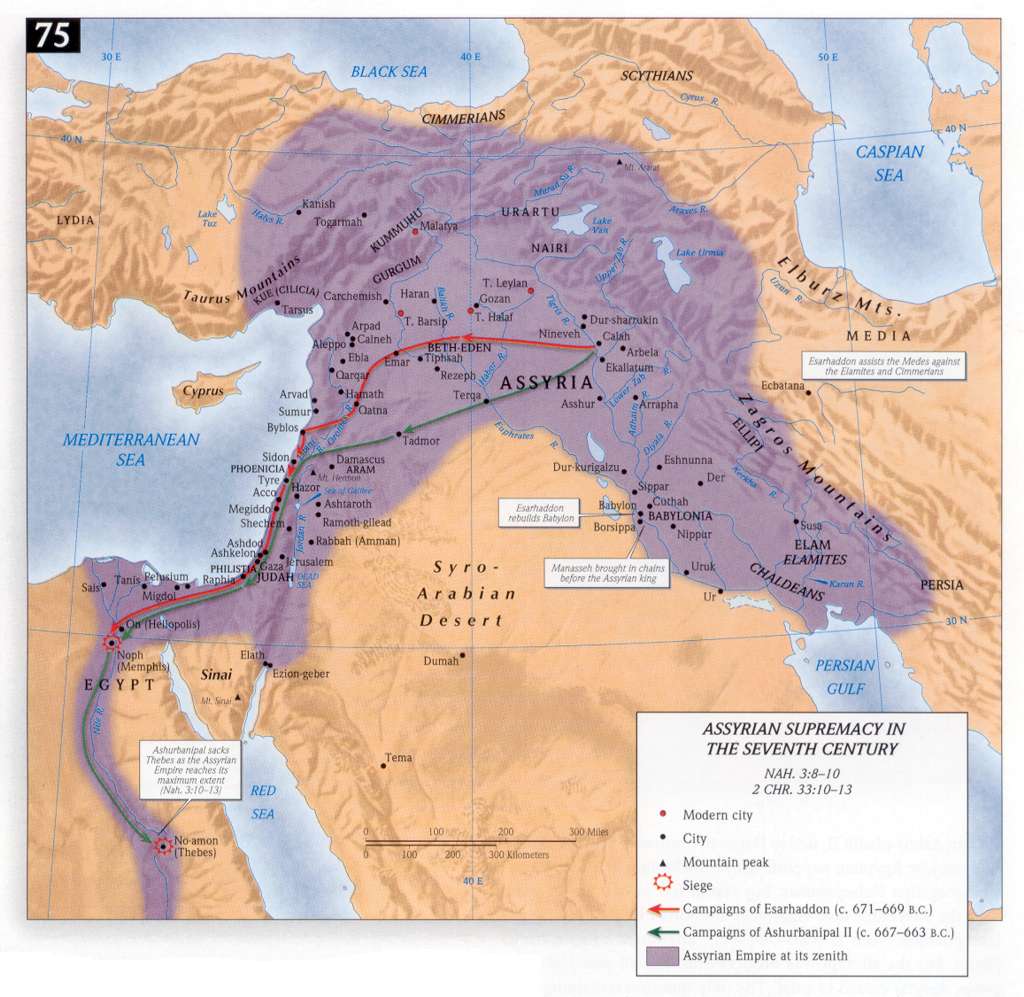
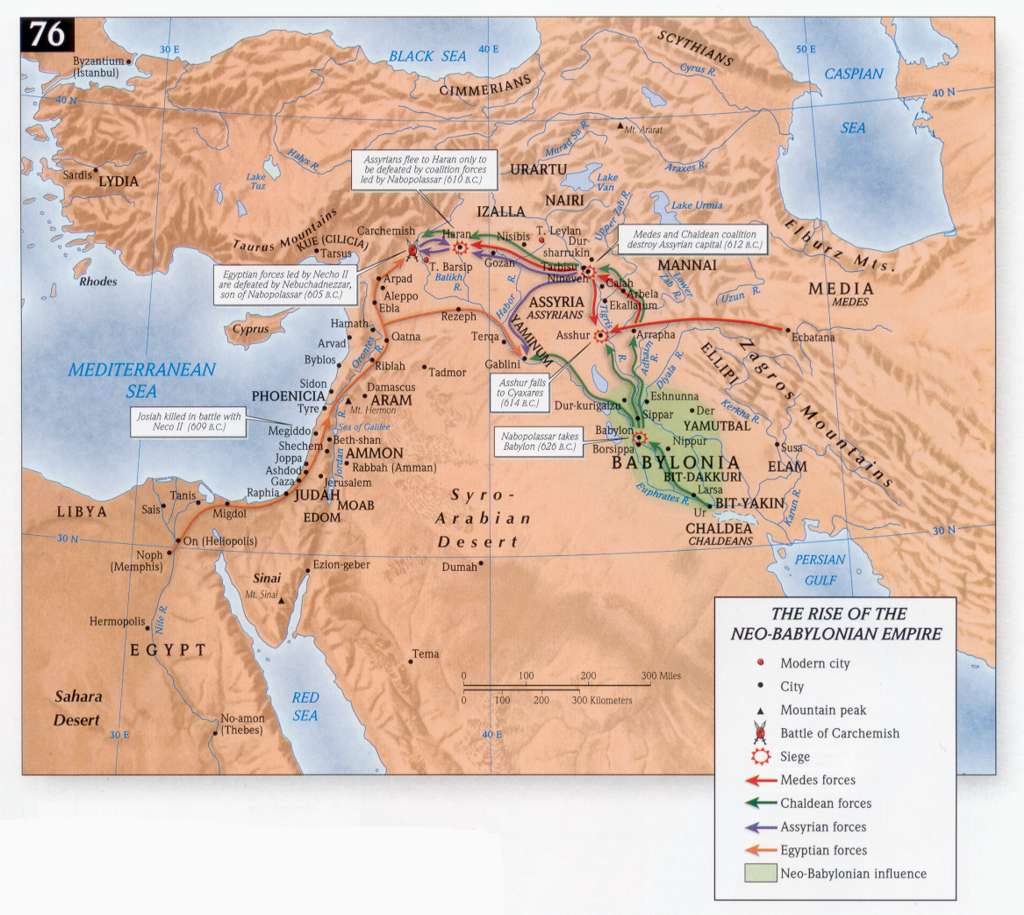
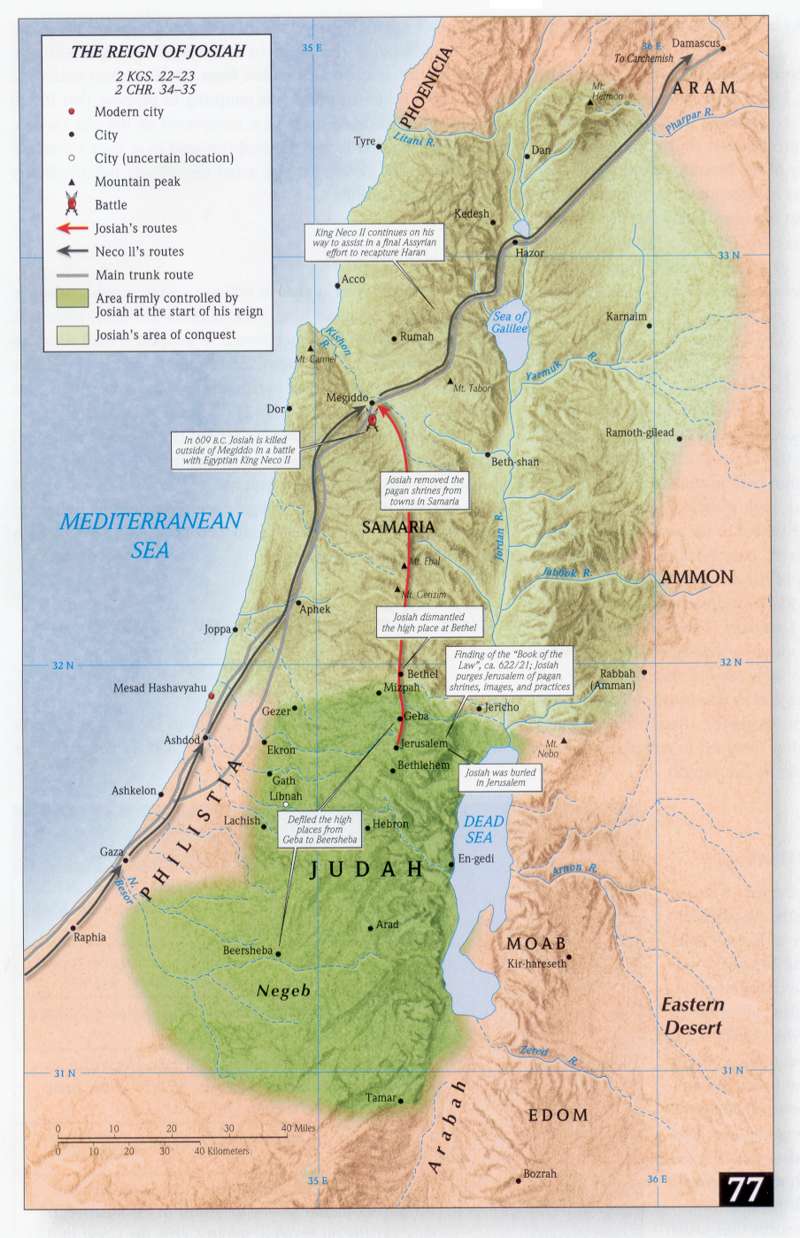
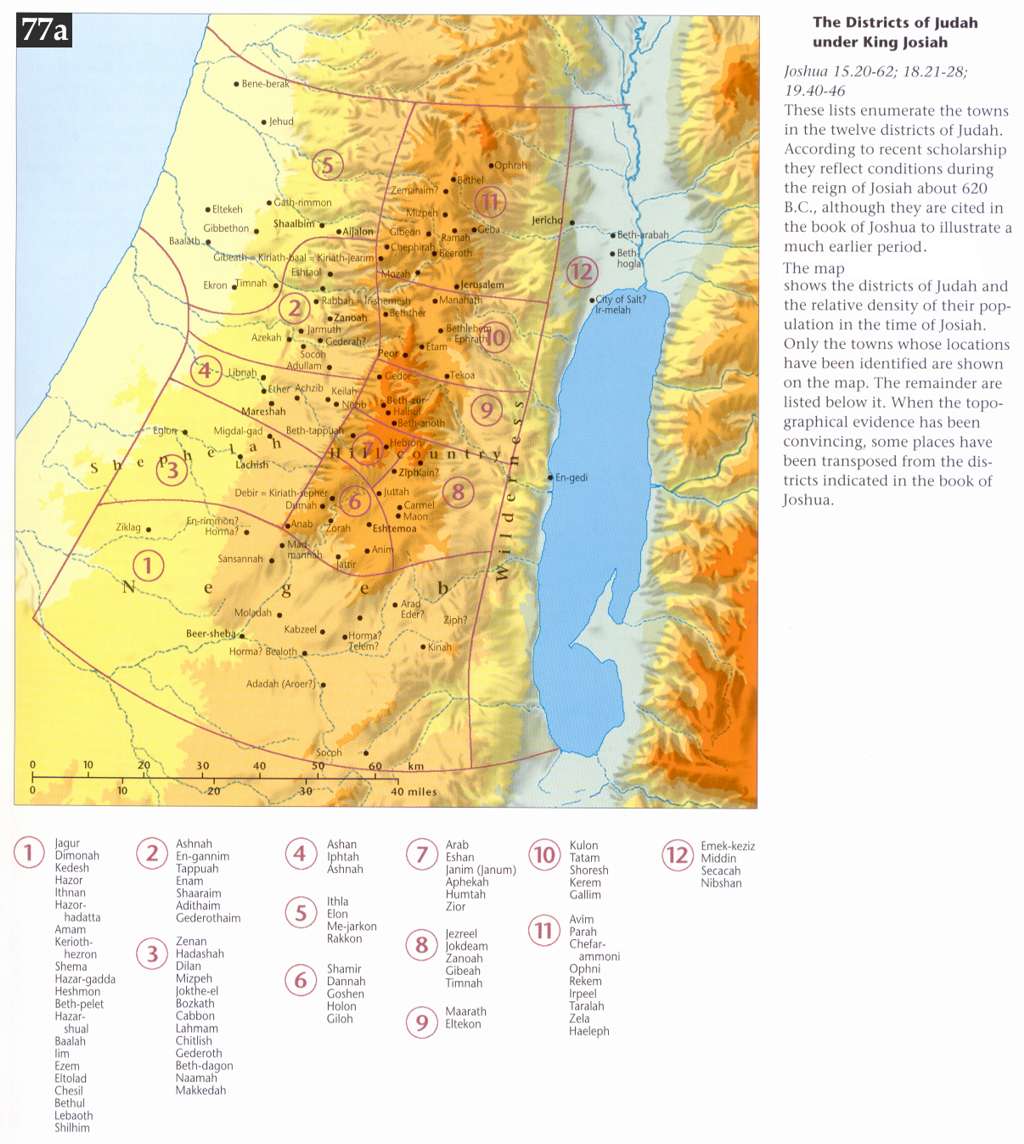
The Babylonian Exile Up to the Early Roman Empire
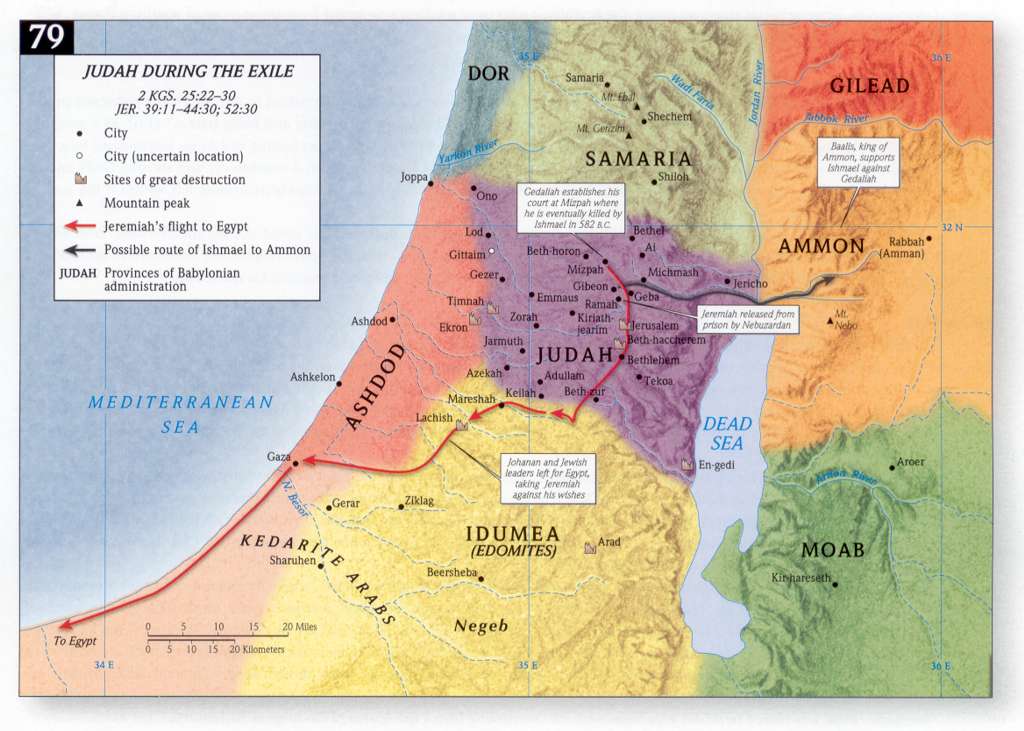
- Judah during the Exile
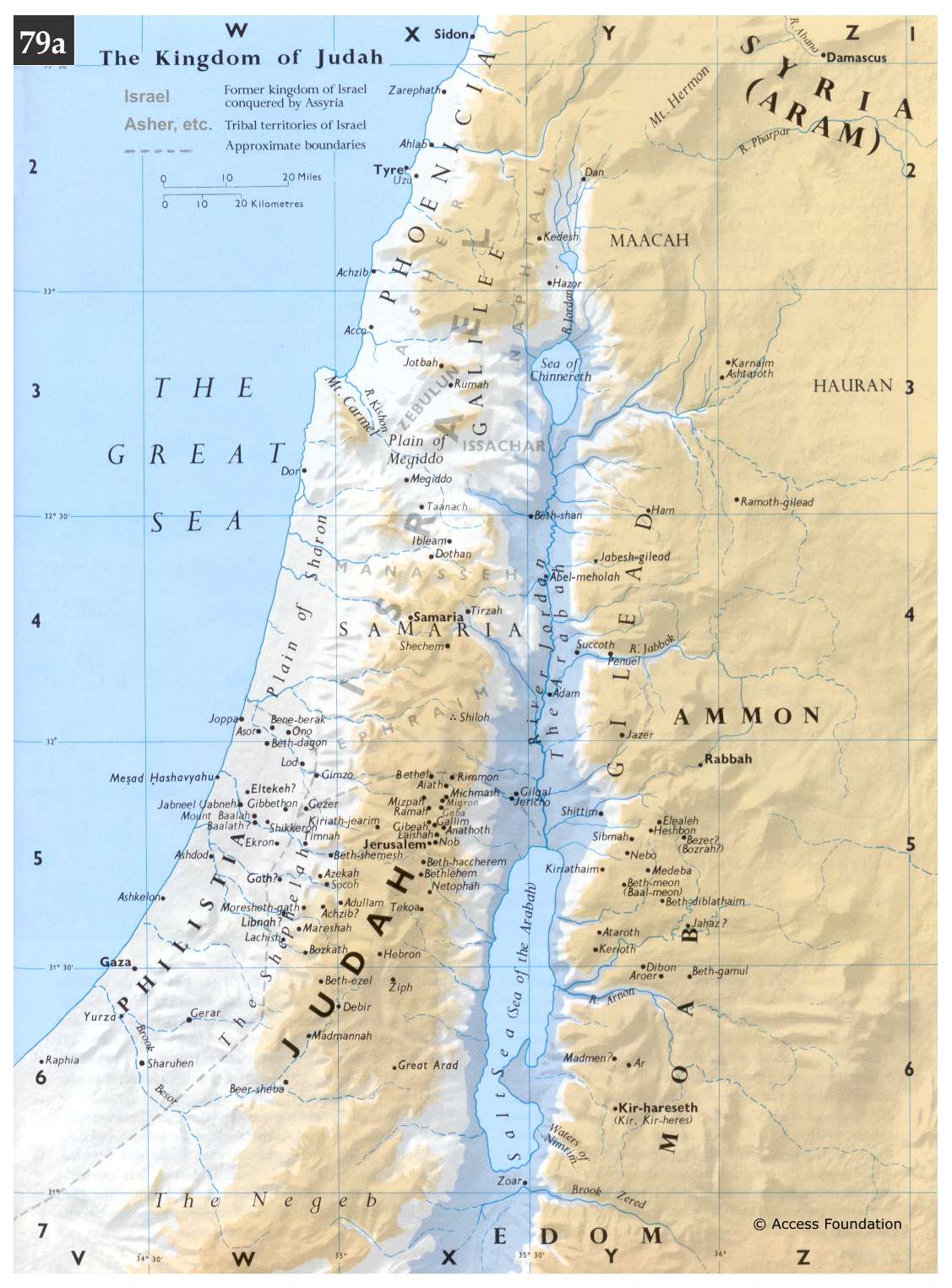
- The Kingdom of Judah
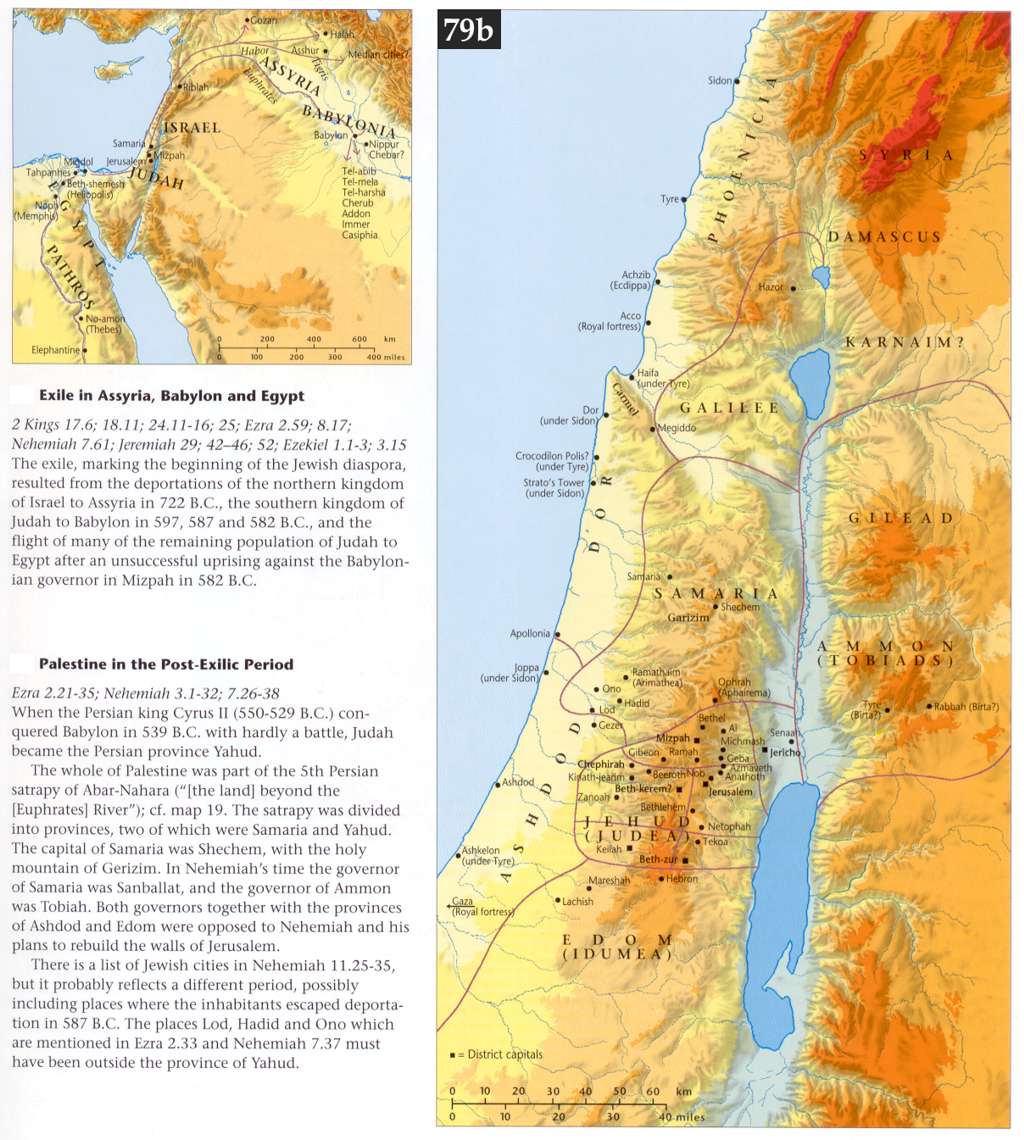
- Exile; Palestine in the Post-Exilic Period
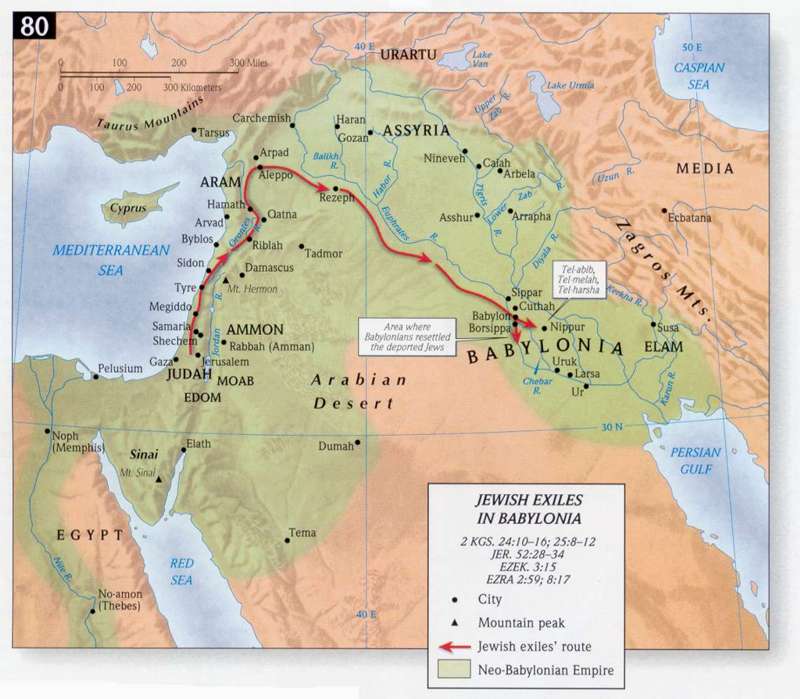
- Jewish Exiles in Babylon
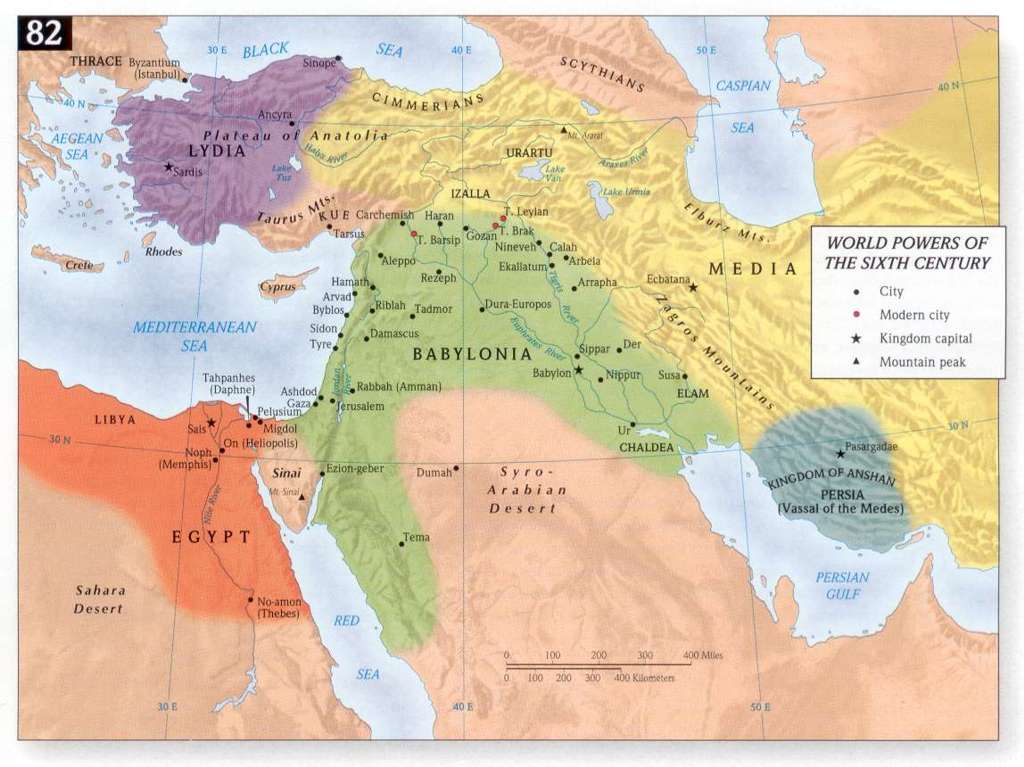
- World Powers of the 6th century BCE
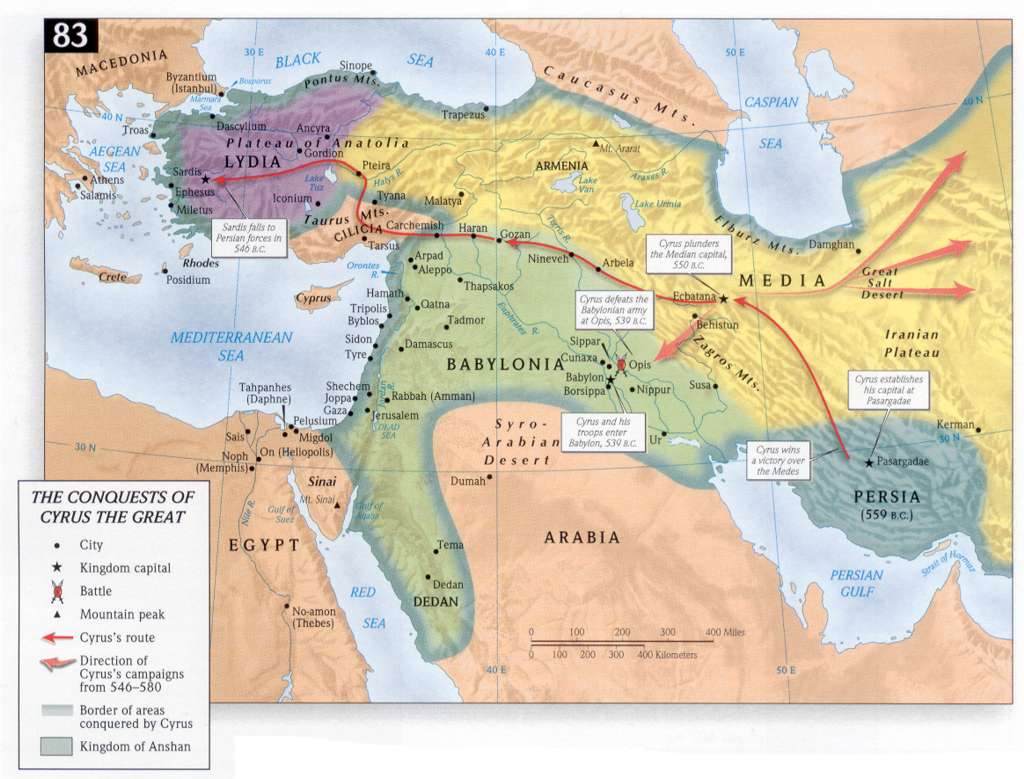
- The Conquests of Cyrus the Great
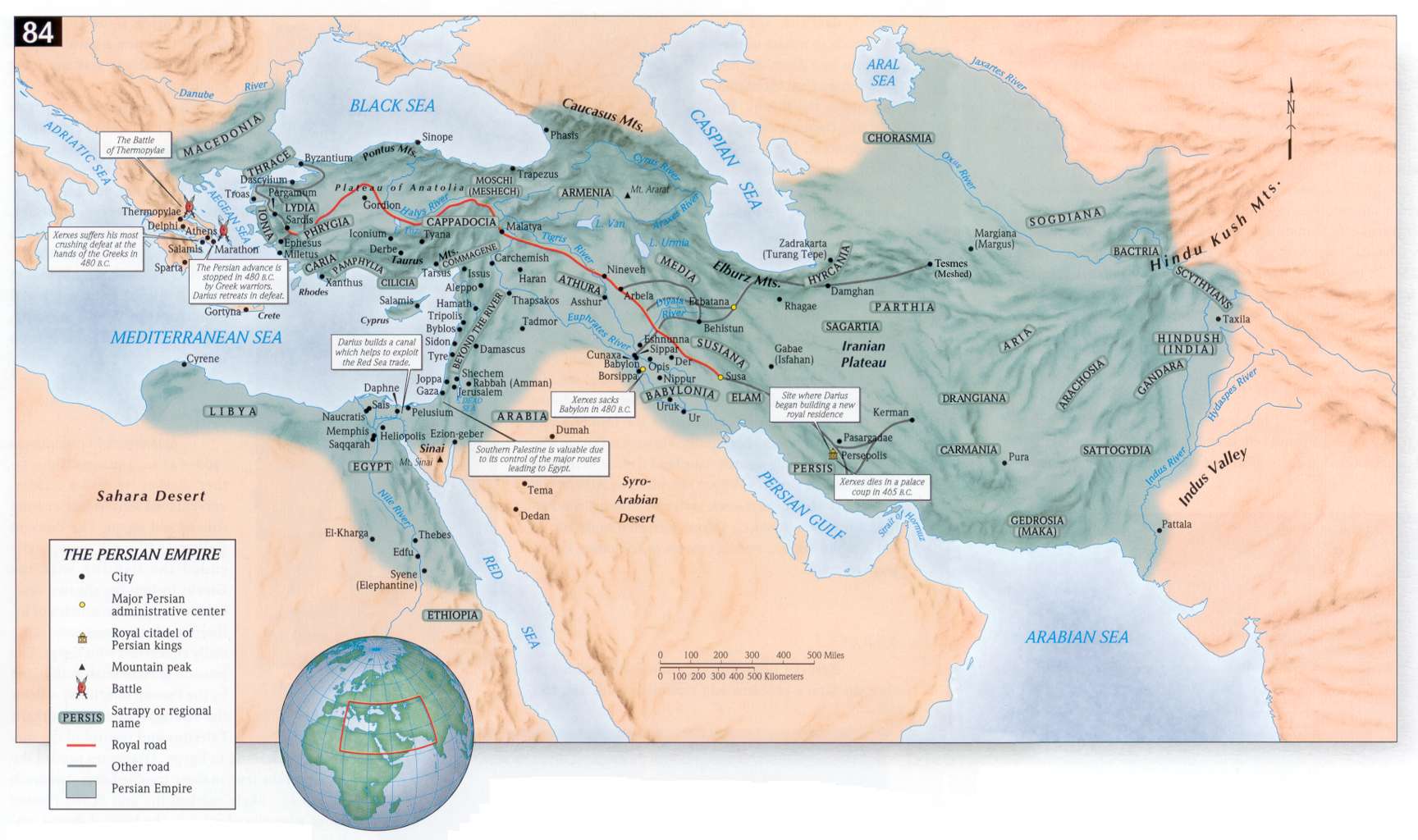
- The Persian Empire
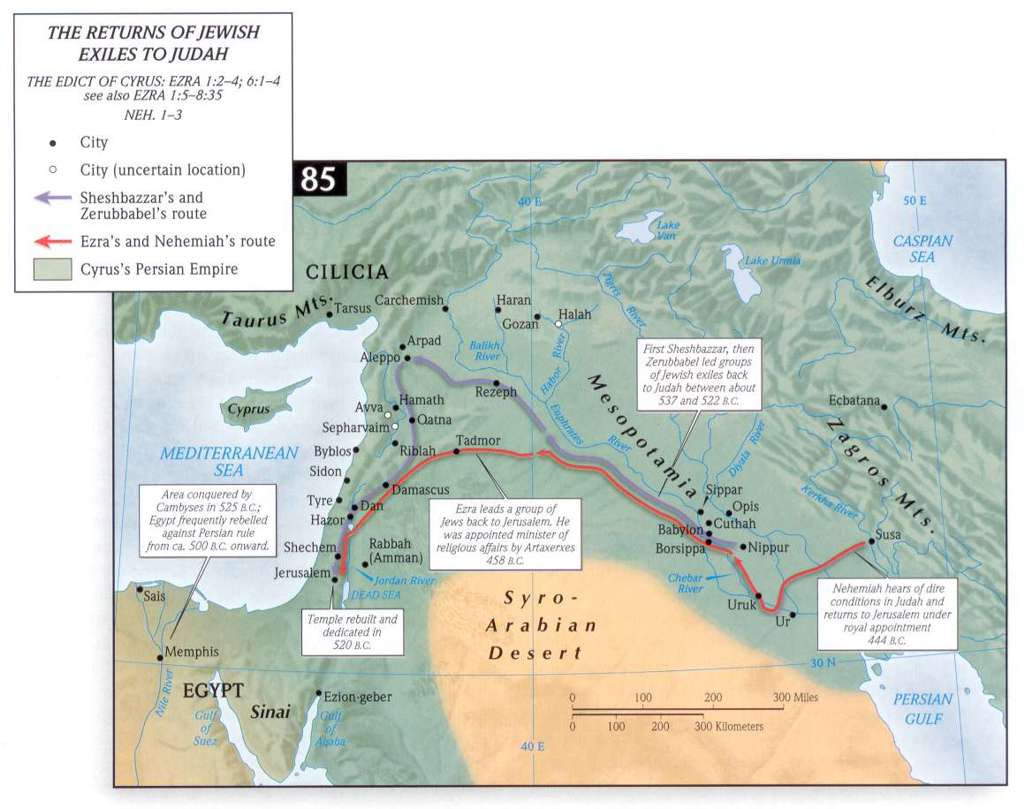
- The Return of the Jewish Exiles to Judah
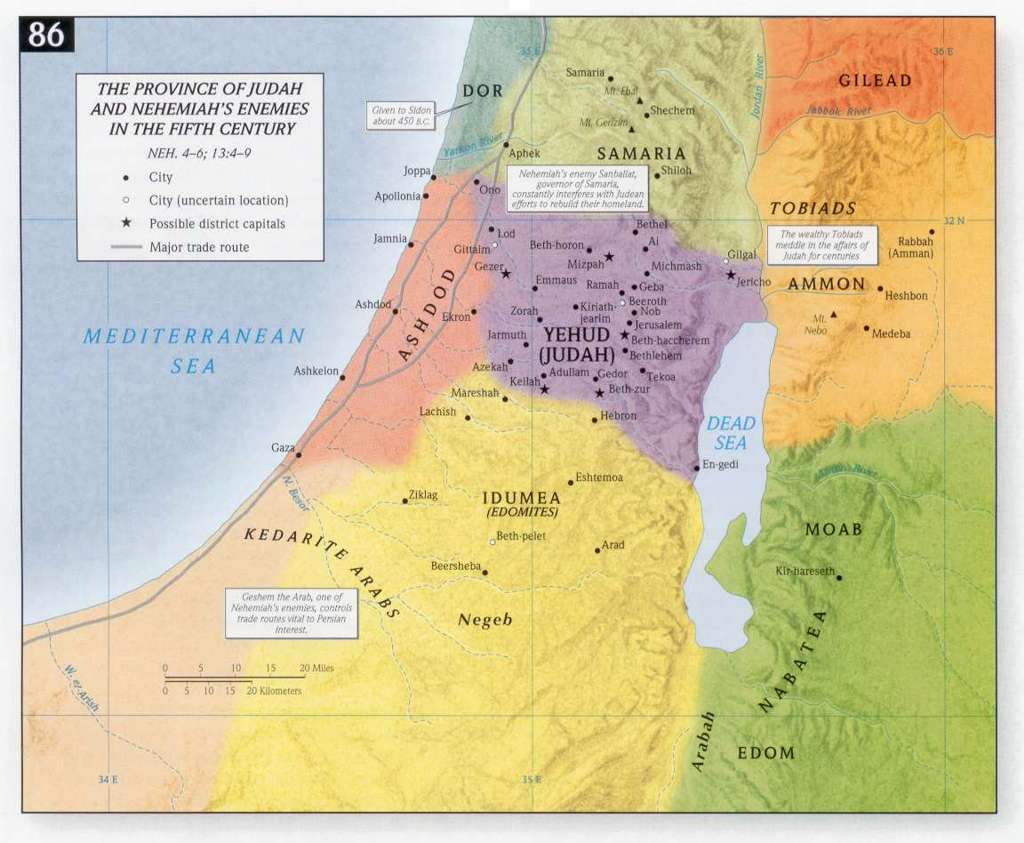
- Judah in the 5th century BCE
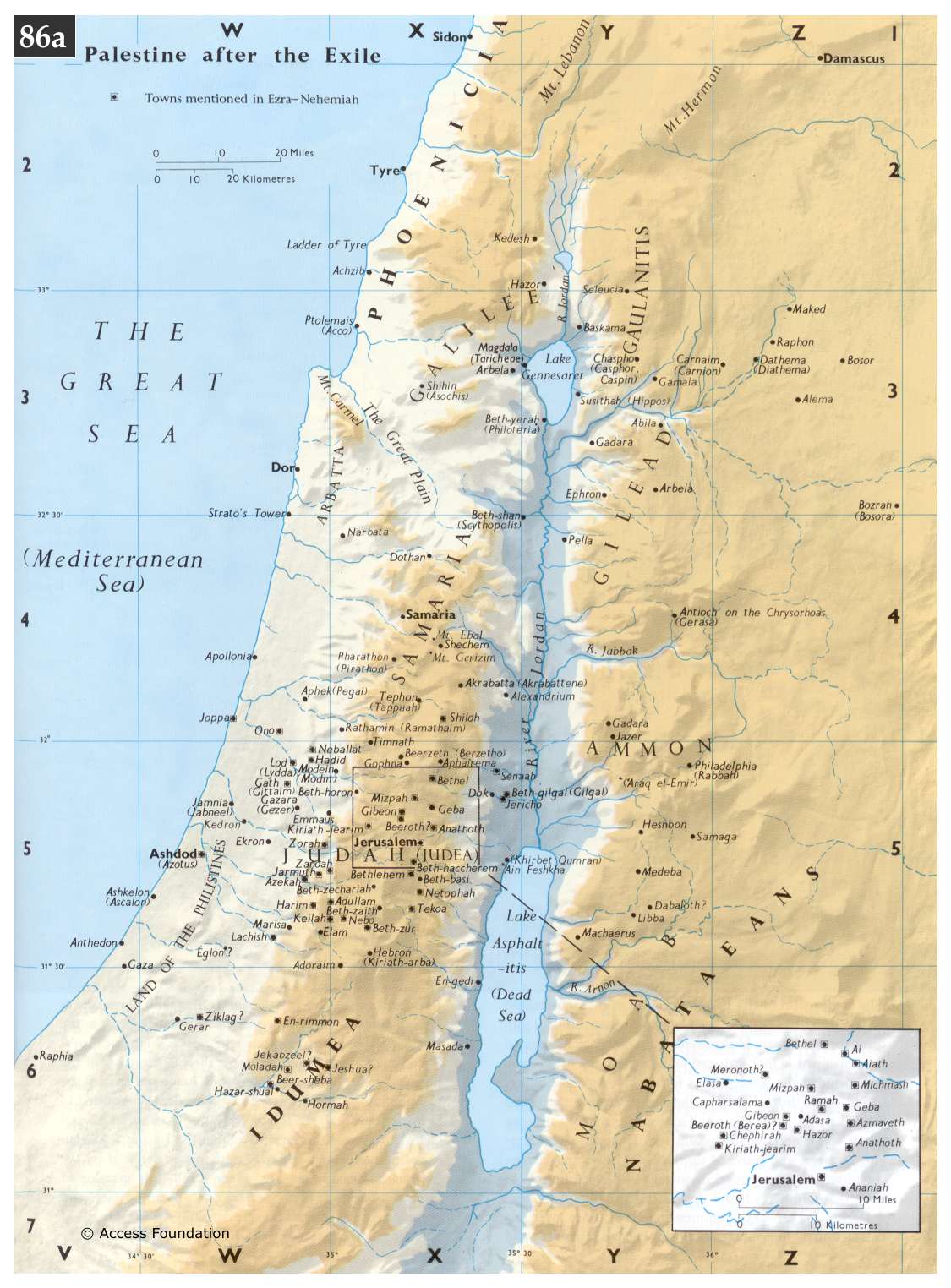
- Palestine after the Exile
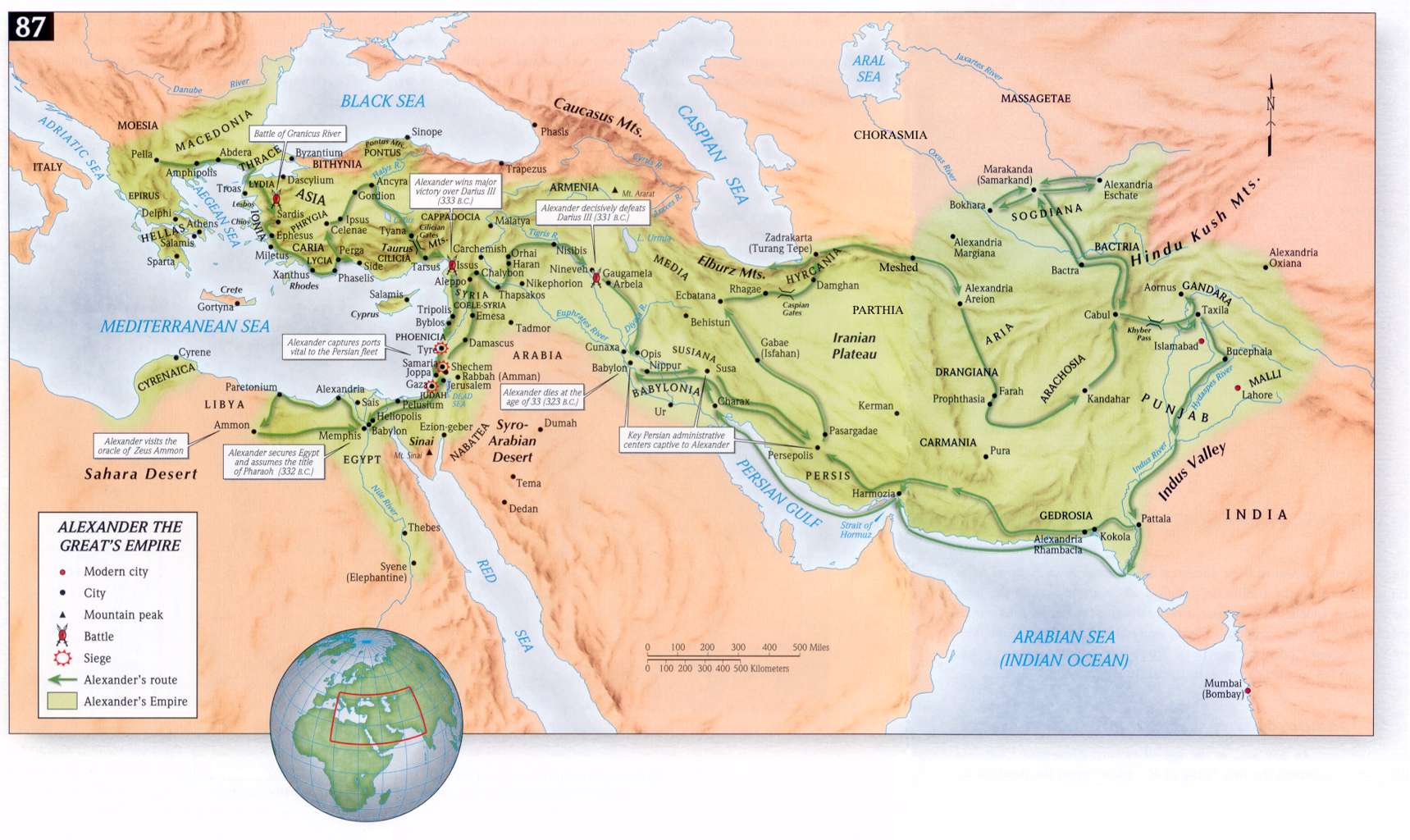
- Alexander the Great's Empire
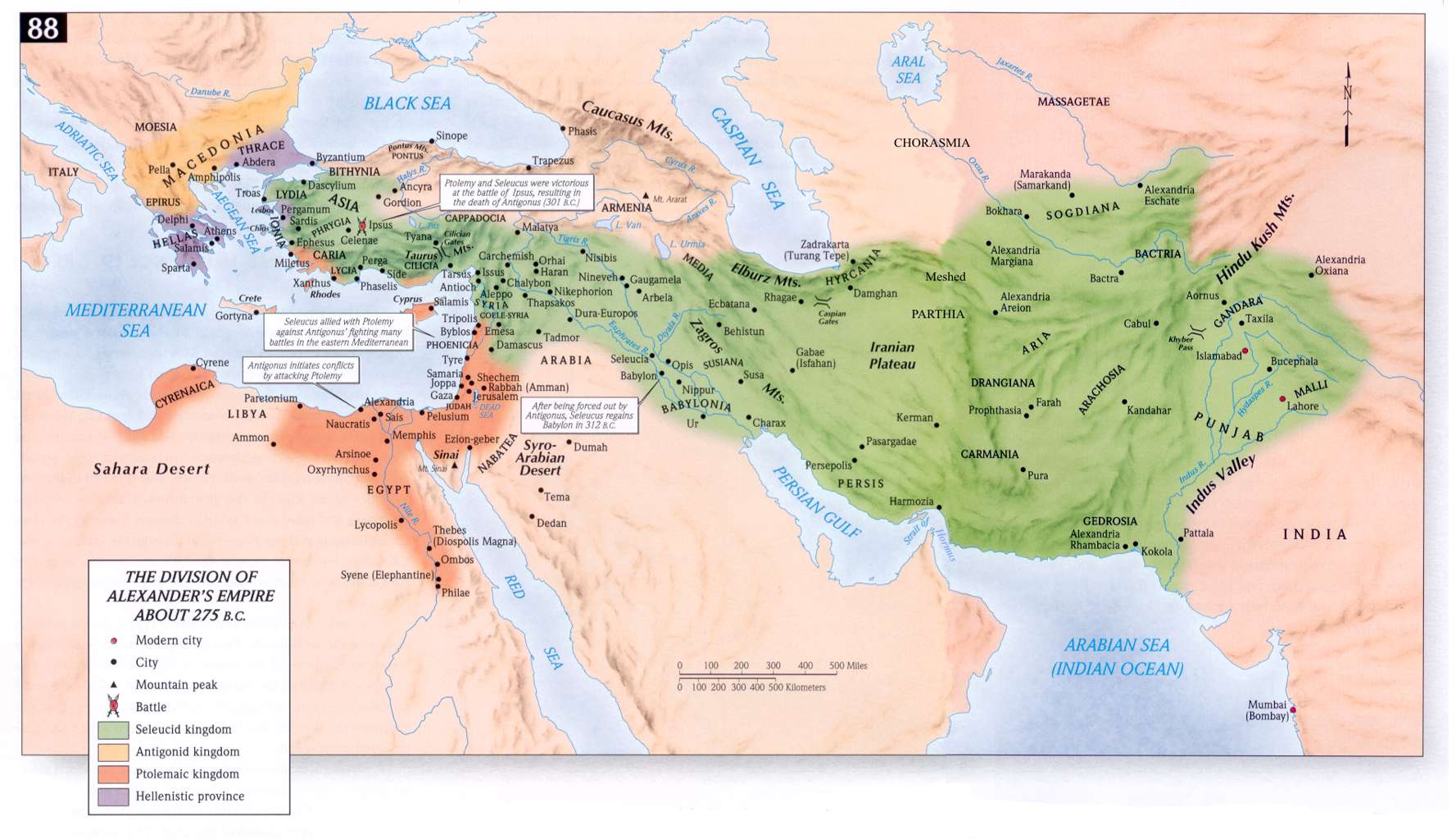
- The Division of Alexander's Empire ca. 275 BCE
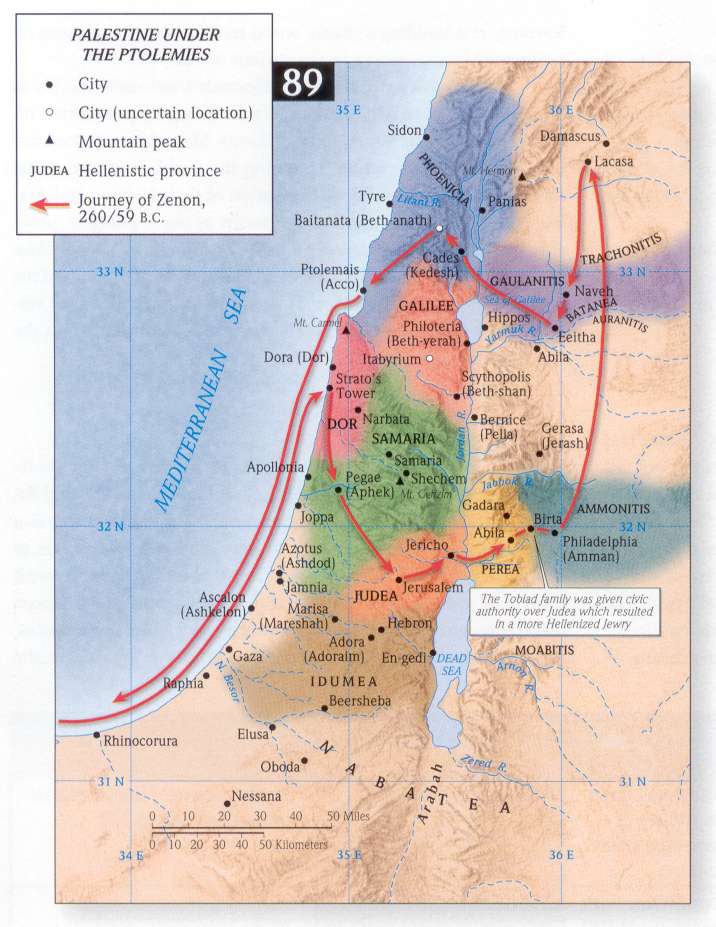
- Palestine under the Ptolemies
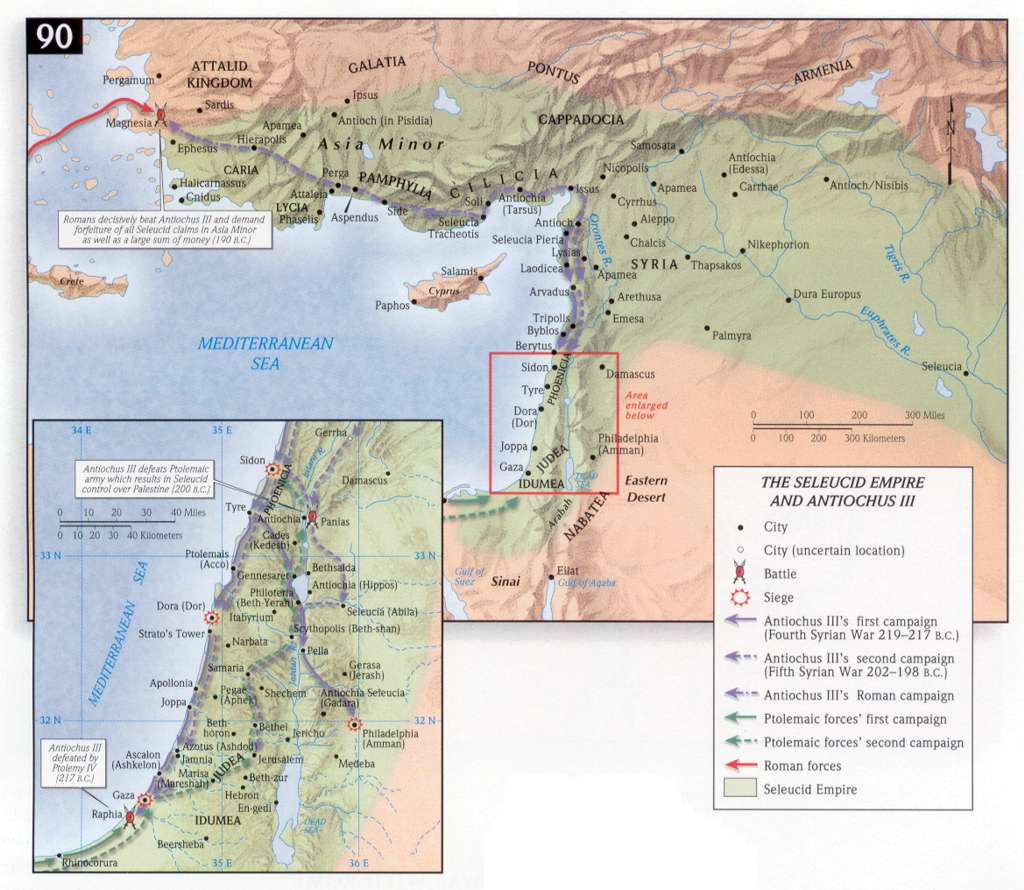
- The Seleucid Empire and Antiochus III
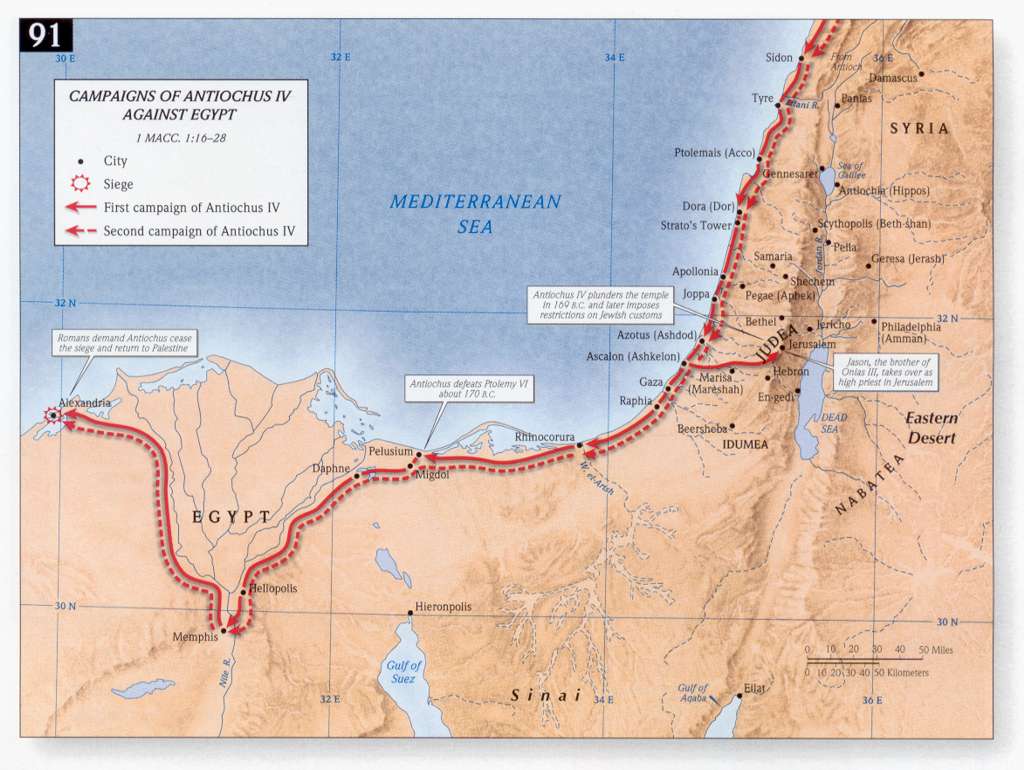
- Campaigns of Antiochus IV against Egypt
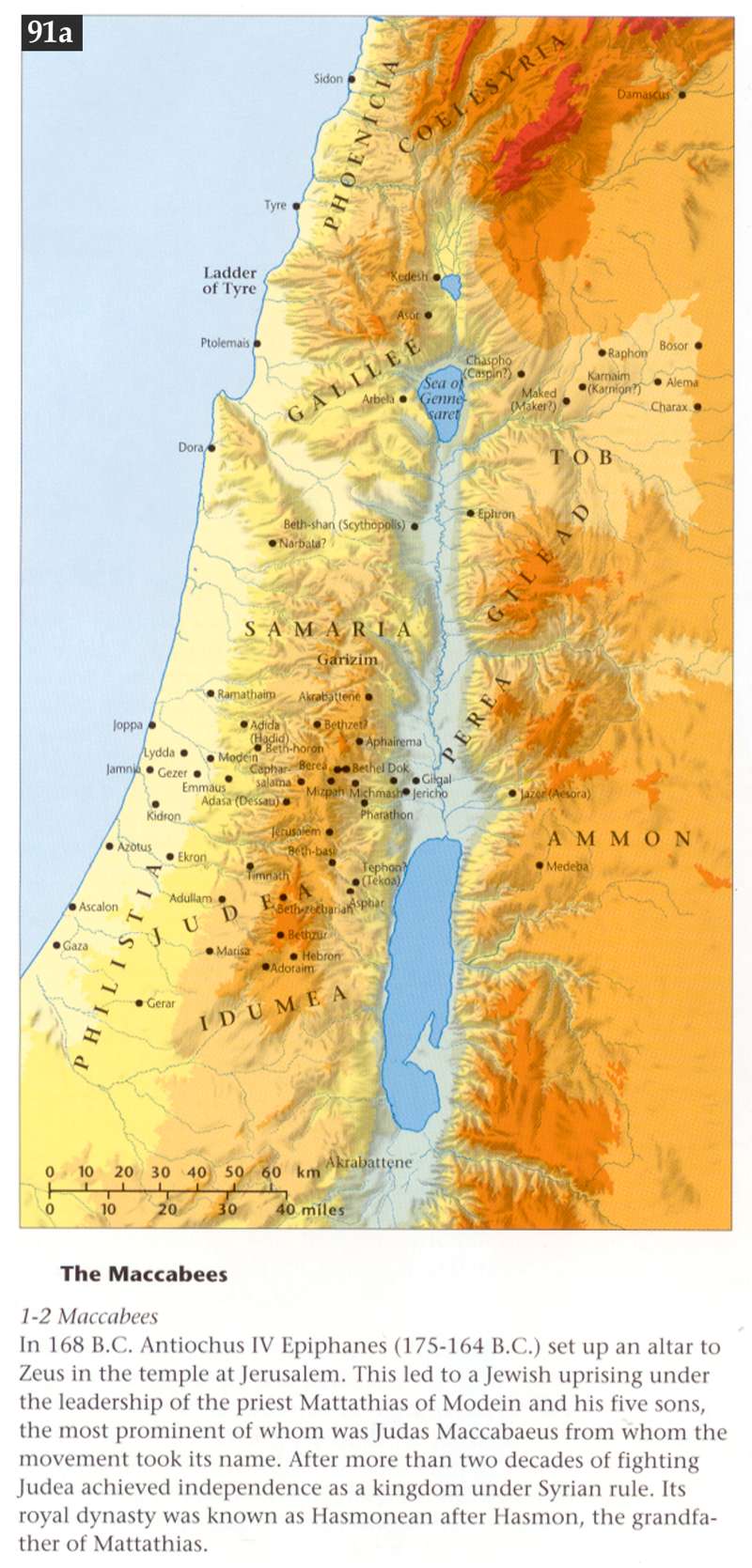
- The Maccabees in 168 BCE
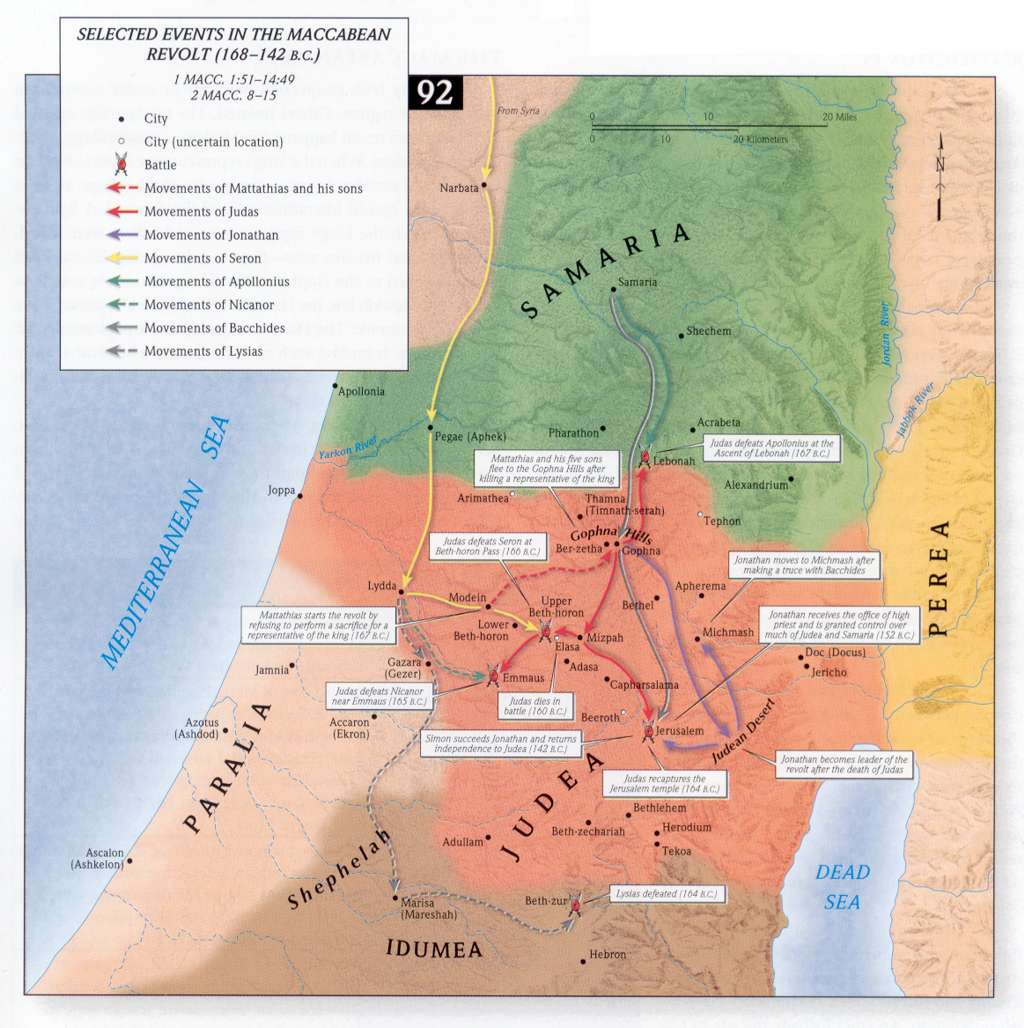
- Selected Events in the Maccabean Revolt
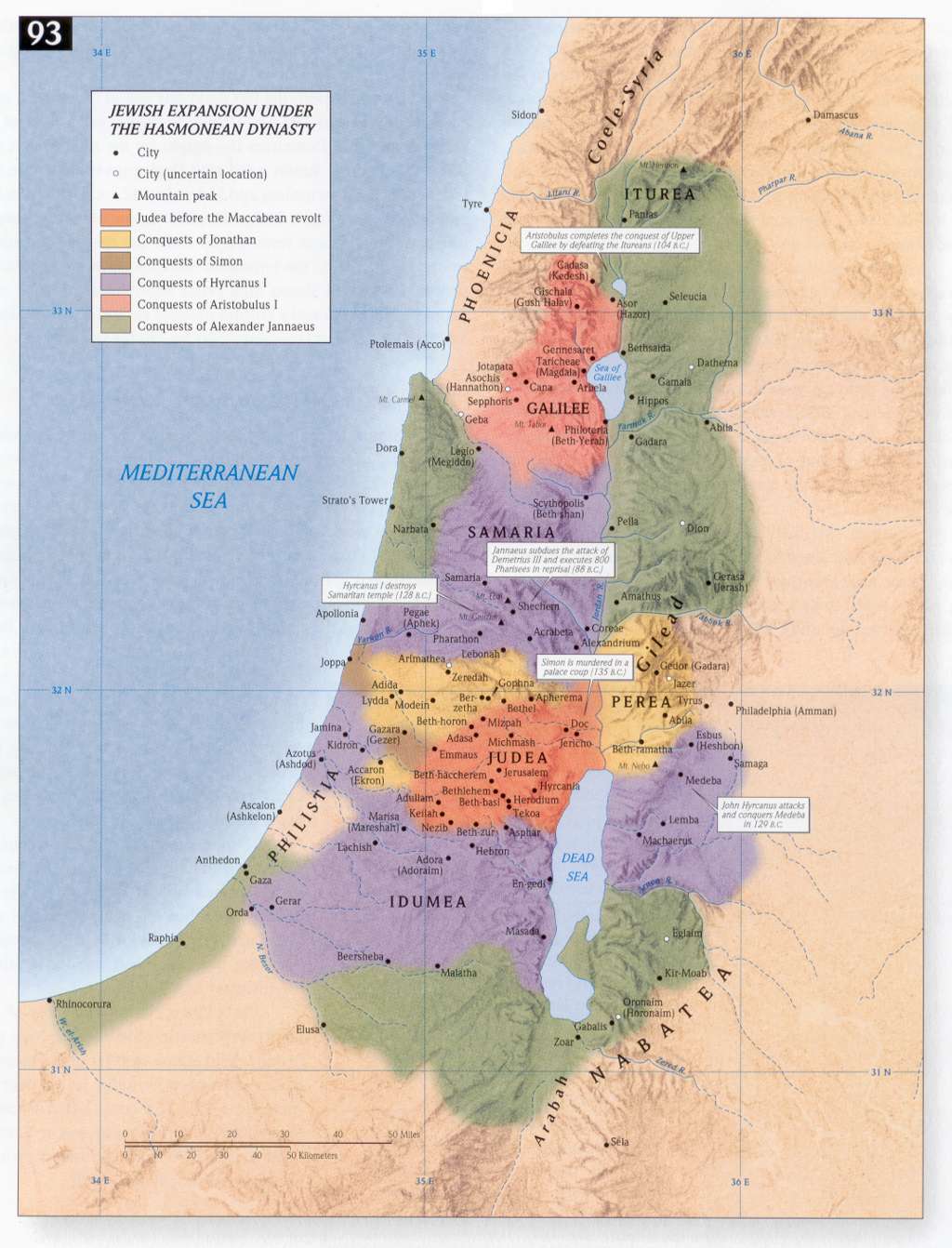
- Jewish Expansion under the Hasmonean Dynasty
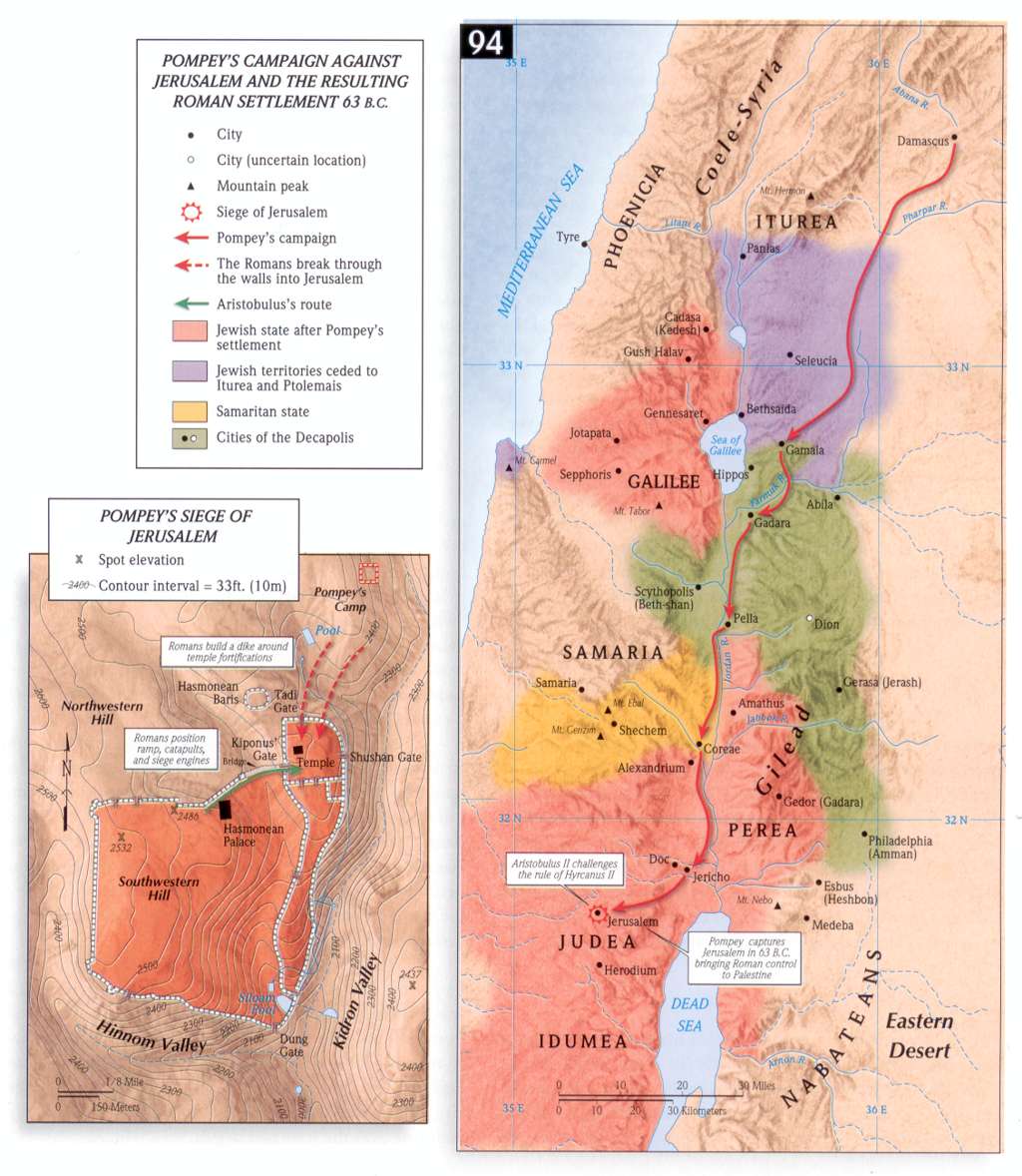
- Pompey's Campaign against Jerusalem
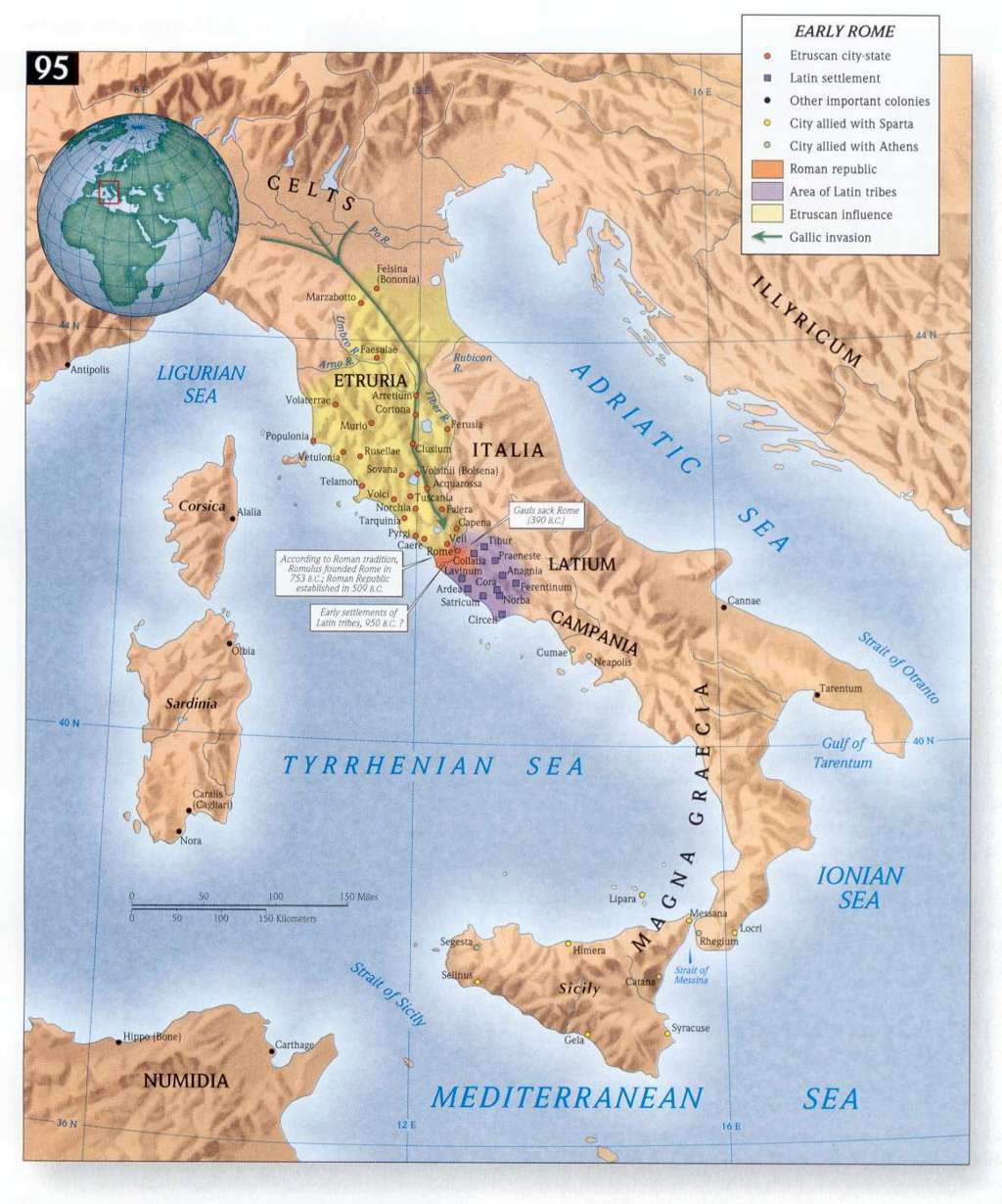
- Early Rome
Mp3 Audio, Literal, futuristic interpretation
Source with all the separate Mp3's listed below:
Complete Commentary of Joel on one zip file
- Joel Intro
- Joel Theme
- Joel Features
- Joel 1:1-2 Commentary
- Joel 1:3 Commentary
- Joel 1:4 Commentary
- Joel 1:5-7 Commentary
- Joel 1:8-13 Commentary
- Joel 1:14 Commentary
- Joel 1:15 Commentary
- Joel 1:16-20 Commentary
- Joel 2:1 Commentary
- Joel 2:2 Commentary
- Joel 2:3-11 Commentary
- Joel 2:12 Commentary
- Joel 2:13-14 Commentary
- Joel 2:15 Commentary
- Joel 2:16-17 Commentary
- Joel 2:18-20 Commentary
- Joel 2:21-24 Commentary
- Joel 2:25 Commentary
- Joel 2:26-27 Commentary
- Joel 2:28-32 Commentary
- Joel 3:1 Commentary
- Joel 3:2-3 Commentary
- Joel 3:4-12 Commentary
- Joel 3:13-21 Commentary
Enter Query below to search articles in >30 conservative Theological Journals - A fee (click here for yearly or monthly fees) is required to view the entire article but will give you access to literally thousands of conservative articles. Search by book You can also search by chapter like: John 1 or Gen. 2 You can also search by simple or complex references like: James 1:2 or Hebrews 1:1-3,6; 5:4
Here are a few samples:
- A Critique Of The Prewrath Interpretation Of The Day Of The Lord In Joel 2–3 -- By Alan D. Cole (see online article)
- A Doctrinal Study of Acts 2:14 -- By Clifford Rapp, Jr.
- Old Testament Passages Referring To The Day Of The Lord -- By Warren Vanhetloo
- Minor Prophets Study Guide - Questions/Lessons Learned - 112 PAGES - Hosea through Zechariah
CHRIS BENEFELD
- The Day of the Lord is Near - 49 minute Video
- Video on the Day of the LORD by Ray Bentley - At Epicenter Conference with Joel Rosenberg
C R BIGGS - 41 pages
- Joel 1-3 - Who Will God Save? - Mp3
- Joel 1 When Things are Bad - Mp3
- Joel 2:1-17 What Good is a Broken Heart? - Mp3
- Joel 2:18-32 Just in Time - Mp3
- Joel 3 The Final Solution - Mp3
- Book of Joel - Bible Survey
- What are the Major Prophets and Minor Prophets?
- Is Joel 1:4 referring to literal locusts? When was this prophecy fulfilled?
- Why did God use a locust swarm to punish Israel (Joel 1:4)?
- How does God restore the years that the locusts have eaten (Joel 2:25)?
- What does it mean that God will pour out His Spirit on all people (Joel 2:28)?
- Will the sun really be turned to darkness and the moon to blood (Joel 2:31)?
- What is the valley of decision (Joel 3:14)?
- What is bloodguilt (Joel 3:21)?
- What is the Day of the Lord?
- Joel- Introduction, Outline, and Argument
Excerpt -Theme and Purpose - Joel was written because of a locust plague (described in chap. 1) in order to call Israel to repentance (1:13-20; 2:12-17). The locust plague was only a forerunner of much greater judgment in the coming day of Yahweh. This judgment would take the form of an invading army (2:1-11) and devastating signs in the heavens (2:10, 30-31) followed by divine judgment in the nations (3:2, 12-16) and blessing for Israel (3:16-21).
Contribution to the Bible - Joel provides a framework for later prophetic development of the theme "day of Yahweh" (the LORD). All of the prophets build upon common themes of the call to repentance, judgment of the nations and eventual blessing for Israel.
Christ in Joel - Christ can be seen in His relation to the coming messianic blessing. It is possible, indeed probable, that 2:23 should be translated, "for he has given you a teacher for righteousness." If so, this is a reference to Messiah. The context clearly calls for Messiah's presence (2:26-27 and 2:32-3:2).
Summary Outline of Joel
I. The locust plague--calling for repentance Joel 1:1-20
II. The invader from the North--calling for repentance Joel 2:1-27
III. The day of Yahweh revealed Joel 2:28-3:21
- Precept Helps on Joel Lessons 1-3
- Lecture - Lesson 1 - Kay (no other lectures available)
- Where Will you Be in the Day of the Lord - Obadiah
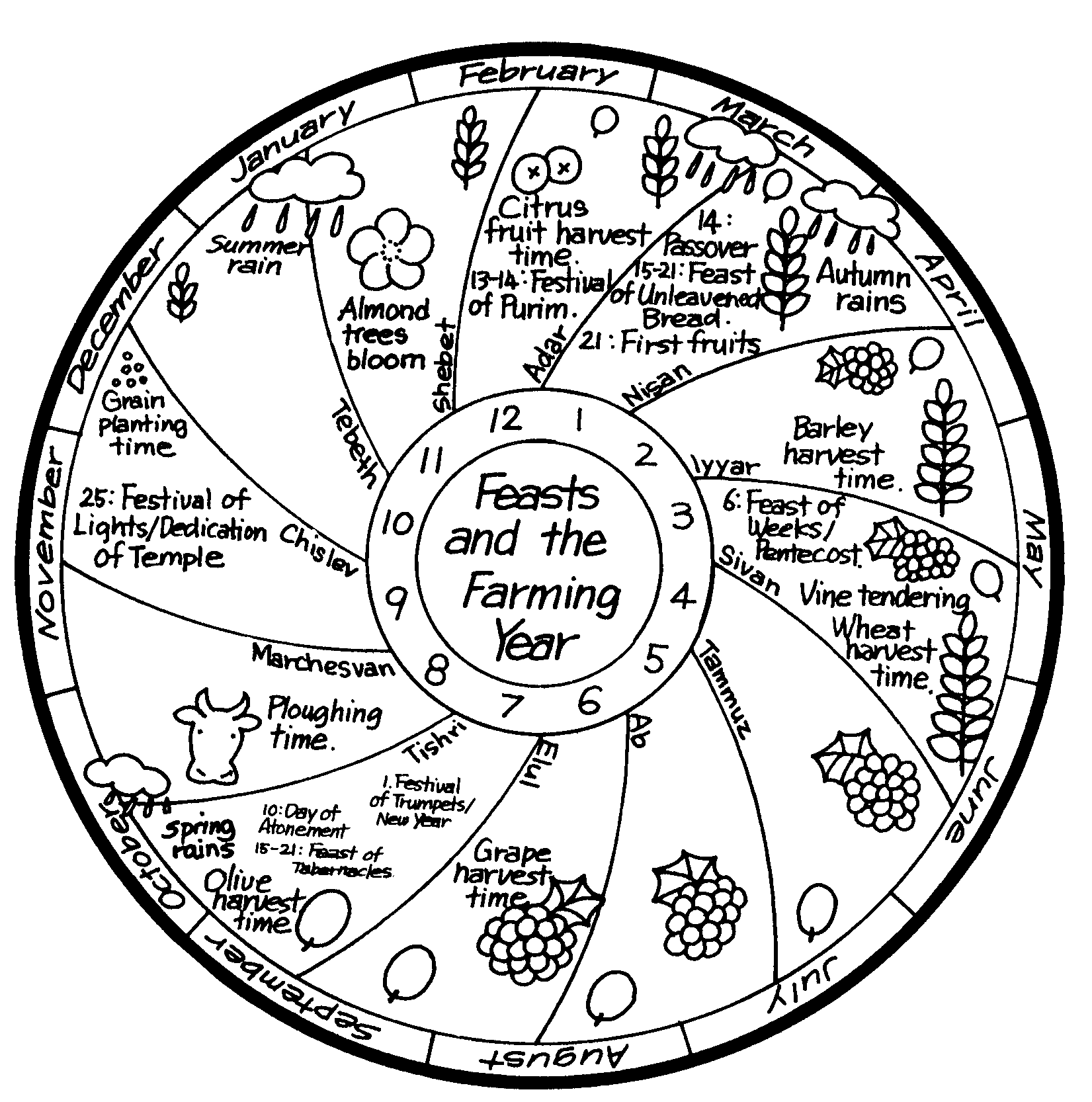
- God's Seven Feasts of Israel Related to the Jewish Calendar (click to enlarge)
- Joel - - Intro, Date, Setting, Themes, Interpretative Challenges, Outline
- Excerpt - Interpretative Challenges -
It is preferable to view chap. 1 as describing an actual invasion of locusts that devastated the Land. In chap. 2, a new level of description meets the interpreter. Here the prophet is projecting something beyond the locust plague of chap. 1, elevating the level of description to new heights, with increased intensity that is focused on the plague and the immediate necessity for true repentance. The prophet’s choice of similes, such as “like the appearance of horses” (Joel 2:4) and “like mighty men” (Joel 2:7), suggests that he is still using the actual locusts to illustrate an invasion which can only be the massive overtaking of the final Day of the Lord.
A second issue confronting the interpreter is Peter’s quotation from Joel 2:28–32 in Acts 2:16–21. Some have viewed the phenomena of Acts 2 and the destruction of Jerusalem in A.D. 70 as the fulfillment of the Joel passage, while others have reserved its fulfillment to the final Day of the Lord only—but clearly Joel is referring to the final terrible Day of the Lord. The pouring out of the Holy Spirit at Pentecost was not a fulfillment, but a preview and sample of the Spirit’s power and work to be released fully and finally in the Messiah’s kingdom after the Day of the Lord. See note on Acts 2:16–21.
Following list arranges the books of the Bible according to their most probable dates (from Grace to you When were the Bible books written?)
Old Testament
Job--Unknown
Genesis--1445-1405 B.C.
Exodus --1445-1405 B.C.
Leviticus --1445-1405 B.C.
Numbers--1445-1405 B.C.
Deuteronomy--1445-1405 B.C.
Psalms--1410-450 B.C.
Joshua--1405-1385 B.C.
Judges--ca. 1043 B.C.
Ruth--ca. 1030-1010 B.C.
Song of Solomon--971-965 B.C.
Proverbs--ca. 971-686 B.C.
Ecclesiastes--940-931 B.C.
1 Samuel--931-722 B.C.
2 Samuel--931-722 B.C.
Obadiah--850-840 B.C.
Joel--835-796 B.C.
Jonah--ca. 775 B.C.
Amos--ca. 750 B.C.
Hosea--750-710 B.C.
Micah--735-710 B.C.
Isaiah--700-681 B.C.
Nahum--ca. 650 B.C.
Zephaniah--635-625 B.C.
Habakkuk--615-605 B.C.
Ezekiel--590-570 B.C.
Lamentations--586 B.C.
Jeremiah--586-570 B.C.
1 Kings--561-538 B.C.
2 Kings--561-538 B.C.
Daniel 536-530 B.C.
Haggai--ca. 520 B.C.
Zechariah--480-470 B.C.
Ezra--457-444 B.C.
1 Chronicles--450-430 B.C.
2 Chronicles--450-430 B.C.
Esther--450-331 B.C.
Malachi--433-424 B.C.
Nehemiah--424-400 B.C.New Testament
James--A.D. 44-49
Galatians--A.D. 49-50
Matthew--A.D. 50-60
Mark--A.D. 50-60
1 Thessalonians--A.D. 51
2 Thessalonians--A.D. 51-52
1 Corinthians--A.D. 55
2 Corinthians--A.D. 55-56
Romans-- A.D. 56
Luke--A.D. 60-61
Ephesians--A.D. 60-62
Philippians--A.D. 60-62
Philemon--A.D. 60-62
Colossians--A.D. 60-62
Acts--A.D. 62
1 Timothy--A.D. 62-64
Titus--A.D. 62-64
1 Peter--A.D. 64-65
2 Timothy--A.D. 66-67
2 Peter--A.D. 67-68
Hebrews--A.D. 67-69
Jude--A.D. 68-70
John--A.D. 80-90
1 John--A.D. 90-95
2 John--A.D. 90-95
3 John--A.D. 90-95
Revelation--A.D. 94-96
P G MATTHEW - SERMONS
MONERGISM - AUDIO SERMONS - have not listened to them so not sure if the are all literal so take the Acts 17:11 approach.
- See discussion of the Day of the Lord = Joel 1:15, 2:1, 11, 31, 3:14
- Millennium - Multiple OT passages that describe the future glorious millennium described in Joel 3 - Joel 3:17, 18, 19, 20
- Index to all 10 chapters of The Messianic Hope of Israel
- Chapter 5 The Hope Interpreted - The Witness of Joel
The Witness of Joel By many scholars Joel is regarded as the oldest of the writing prophets, and thus the first to use the term "the day of the LORD," so often taken up in the prophetic literature.
he Messiah is not introduced in person, but in a wonderfully tender way His SPIRIT speaks in this prophecy. Thus who but the Messiah could speak in Joel 1:6-7, "For a nation is come up upon my land, strong, and without number, whose teeth are the teeth of a lion, and he hath the cheek teeth of a great lion. He hath laid my vine waste, and barked my fig tree; he hath made it clean bare, and cast it away; the branches thereof are made white." Speaking of "my land," "my vine," "my fig-tree", do we not hear His intercession in Joel 1:19?: "O LORD, to thee will I cry!" Is this not the sympathetic identification of Messiah with the woes of His people?
Again in Chapter 2, we read: "And it shall come to pass afterward, that I will pour out my spirit upon all flesh; and your sons and your daughters shall prophesy, your old men shall dream dreams, your young men shall see visions: And also upon the servants and upon the handmaids in those days will I pour out my spirit" (Joel 2:28-29). In John 1, the One who is there spoken of as the sin-bearing LAMB of GOD, is also the baptizer in the SPIRIT, by virtue of His being "Son of GOD."
Beautiful is the way in which Joel refers to Mount Zion as the resource of GOD's tribulated people. Zion speaks of the resources of grace established in a risen CHRIST. Christians, according to Hebrews 12, have come to Mount Zion. They are in the good of the Kingdom of GOD. Seven times does Joel bring in Zion as GOD's resource, when the utter failure of man is made evident, as historically Zion does not appear in Scripture till everything established by GOD and committed to human responsibility had broken down; Priesthood in the house of Eli; the prophet in the evil sons of Samuel; the monarchy in the hands of Saul; the ark in captivity, and then hidden away in Kirjath-jearim, neglected and forgotten, etc. Then Zion became the center of the national and religious life of Israel. So CHRIST, risen from the dead, is the guarantee that all that GOD has purposed for His own glory and man's good, will be eternally established. Joel says: "And it shall come to pass, that whosoever shall call on the name of the LORD shall be delivered: for in mount Zion and in Jerusalem shall be deliverance, as the LORD hath said, and in the remnant whom the LORD shall call" (Joel 2:32). The passage is applied to our LORD in Romans 10:13.
"Be glad then, ye children of Zion, and rejoice in the LORD your God: for he hath given you the former rain moderately, and he will cause to come down for you the rain, the former rain, and the latter rain in the first month." (Joel 2:23).
- Joel 2:1-2 (et al passages) The Best is Yet to Be
Rogers elsewhere mentions these pictures of Christ in the Minor Prophets:
Joel describes Him as the Hope of His people.
Amos tells us that Jesus is the judge of all nations.
Obadiah warns of the coming eternal kingdom.
Jonah offers a picture of Jesus being dead for three days, then coming back to life to preach repentance.
Zephaniah says that He will be the king over Israel.
Zechariah is the prophet who speaks of Jesus riding on a colt.
Malachi is the one who calls Him the Son of Righteousness. - Click for pdf of following
Fasting and Prayer—Joel 1:14; 2:12–19, 25–27
Prayer and Fasting—Joel 2:12–15
- Book of Joel Overview - Insight for Living Ministries
Excerpt - Why is Joel so important? The book of Joel’s importance to the canon of Scripture stems from its being the first to develop an oft-mentioned biblical idea: the day of the Lord. While Obadiah mentioned the terrifying event first (Obadiah 15), Joel’s book gives some of the most striking and specific details in all of Scripture about the day of the Lord—days cloaked in darkness, armies that conquer like consuming fire, and the moon turning to blood. Rooted in such vibrant and physical imagery, this time of ultimate judgment, still future for us today (2 Thessalonians 2:2; 2 Peter 3:10), makes clear the seriousness of God’s judgment on sin. - Overview of Joel - 27 minute audio from Dr Swindoll
- Click for nice Chart Summarizing the Book of Joel
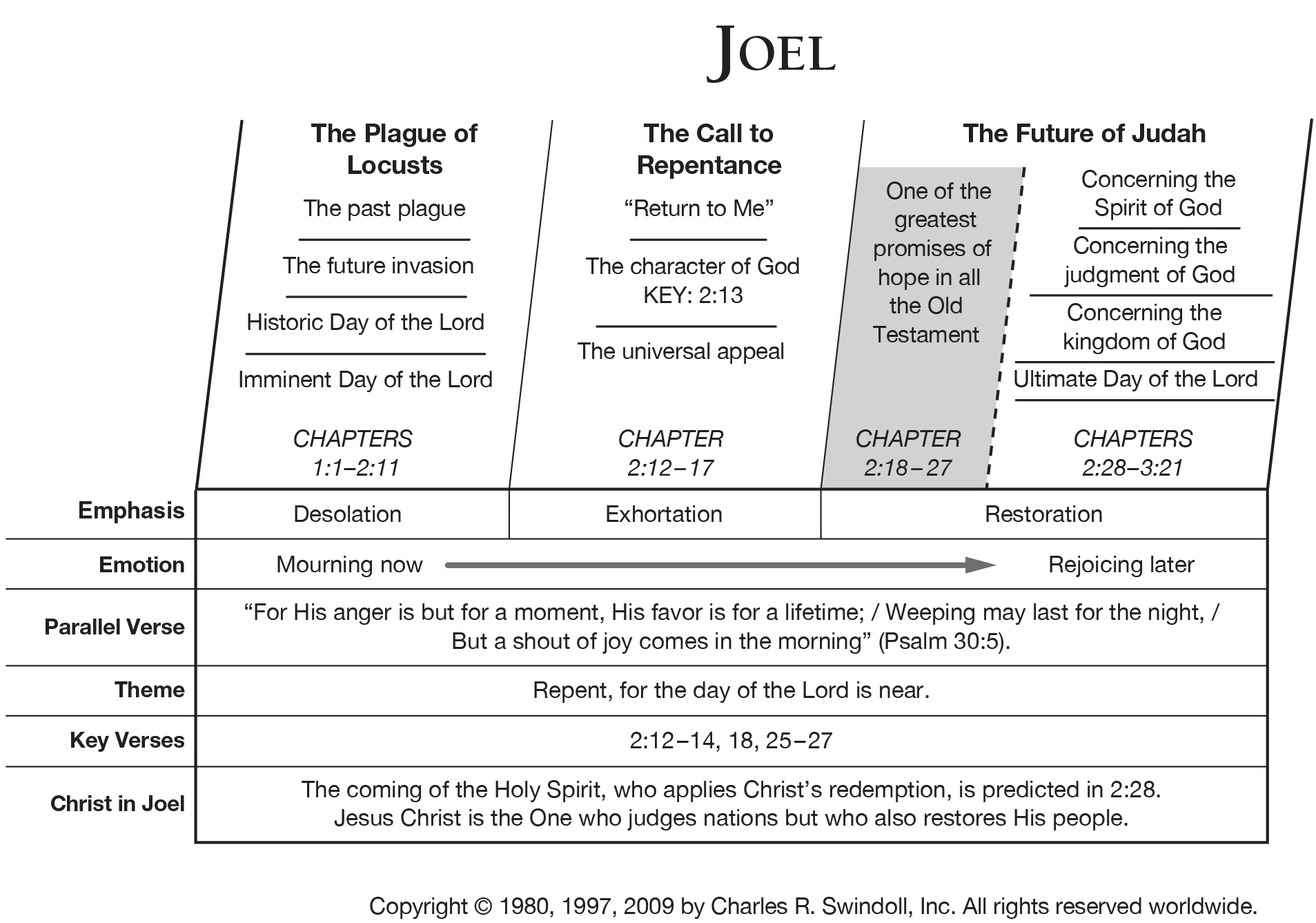
- Joel 1:1 The Message of the Book of Joel
- Joel 2:1 Conversion (Ash Wednesday)
- Joel 2:32 A Message of Deliverance (Ash Wednesday)
- Joel 1:1-14; Preparation for Eternity: Parents should use natural disasters as opportunities to teach their children to be ready to meet God at any moment.Video
- Joel 1:15-2:11;The Day of the Lord: We should live our lives as if the Day of the Lord could begin at any moment. Video
- Joel 2:12-27;God's Love and Compassion: We should pray for a peaceful environment in which to communicate the good news of salvation. Video
- Joel 2:28-32; The Holy Spirit: When each of us receives the Lord Jesus Christ as personal Savior, we are to claim the promise that we are all baptized by the Holy Spirit into Christ's spiritual body, the church. Video
- Joel 3:1-21;God's Chosen People: Both believers and unbelievers should respect God?s chosen people, regardless of their spiritual status at this moment in history.Video
- HCSB Study Bible : Holman Christian Standard Bible - General Editor Jeremy Royal Howard (2010) 2360 pages. Conservative. Good notes. Include Holmans excellent maps. One hour limit - literal interpretation, conservative
Excerpt from notes on Joel 3:
Joel 3:1-2 Moses predicted that the Jewish people would be scattered among the nations, and that when they came to their senses and returned to God, He would restore them to their land and cause them to prosper (Dt 30:1-10). Sometime after this the Lord will gather and judge the nations (Isa 66:18; Zeph 3:8; Rev 16:14-16; 19:11-16). The Valley of Jehoshaphat is literally "the valley where Yahweh judged," but no valley by this name is known. Most likely this is the valley of Jezreel near Megiddo where the battle of Armageddon will take place (Rev 16:16).Joel 3:3-4 When Israel lost wars, their children would be sold by their enemies as slaves. Tyre and Sidon were trading hubs for slaves. The Lord is the defender of widows and orphans and will bring retribution on the guilty.
Joel 3:5-6 The crimes of these enemies were not only against Israel but against Yahweh. It was God's silver and gold that they took. The slaves were sent as far away as Greece.
Joel 3:7-8 The (Lat) lex talionis (Dt 19:21) will be applied, where punishment for wrongdoing is meted out "life for life, eye for eye," etc. The Jews were sent in exile to the northwest, and so those who exiled them would be sent to the southeast. The Sabeans dominated the trade routes to the south.
Joel 3:9-12 The nations are summoned to battle (in Rev 16:14 demonic spirits are used to motivate the nations for the final battle). The nations are to mobilize for war (cp. the opposite in Isa 2:4; Mic 4:3).
Joel 3:13 The Lord will trample His enemies like grapes in a winepress (Isa 63:1-6; Rev 14:14-20).
Joel 3:14-17 Multitudes, multitudes are hordes of people in the valley of judgment. The decision is the verdict that Yahweh is pronouncing on an unbelieving world, not a decision that people are making to follow God. It is too late because it is judgment day for Israel's enemies but salvation day for the people of God—a refuge... a stronghold. This will be a time of revelation to Israel and the nations because Yahweh will be known as He is.
Joel 3:18-21 Joel summarized the result of the Day of the Lord. The land of Israel will have miraculous fertility and fruitfulness. Traditional enemies will be punished. Yahweh will dwell with His people, and they will receive pardon for their sins.
- Joel Commentary - Below is an excerpt:
Raymond Dillard, in his commentary on Joel gives the following information about locust plagues:
In our generation areas having the potential for a locust outbreak are monitored by international agencies using satellite reconnaissance and other technology; incipient swarms are met by aircraft and trucks carrying powerful pesticides. However, if the locusts are not destroyed or contained shortly after the hatch, once the swarm has formed, control efforts are minimally effective even today. For example, in 1988 the civil war in Chad prevented international cooperation in attacking the hatch, and a destructive swarm spread throughout North Africa devastating some of the poorest nations and threatening Europe as well. It is difficult for modern Western people to appreciate the dire threat represented by a locust plague in earlier periods. Such outbreaks had serious consequences for the health and mortality of an affected population and for a region's economy. Scarcity of food resulting from the swarm's attack would bring the population to subsistence intake or less, would make the spread of disease among a weakened populace easier, would eliminate any trade from surplus food products, and would stimulate high inflation in the costs of food products. Disease outbreaks are further aggravated when swarms die; the putrefaction of the millions of locust bodies breeds typhus and other diseases that spread to humans and animals (see the description in Augustine's City of God 3.31). Baron (Desert Locust, pp. 3-7) catalogues many locust outbreaks known to have been accompanied by outbreaks of pestilence.
It was only in 1921 that the mystery of the locust was solved. Prior to this date researchers wondered what became of the locust during the years in which there were no outbreaks. In 1921 B. P. Uvarov demonstrated that the swarming locust was none other than an ordinary species of grasshopper. However, when moisture and temperature conditions favored a large hatch, the crowding, unceasing contact, and jostling of the nymphs begin to stimulate changes in coloration, physiology, metabolism, and behavior, so that the grasshopper nymphs make the transition from solitary behavior to the swarming gregarious and migratory phases of the dreaded plague. Plagues continue as long as climatic conditions favor the large hatches. Once entering their gregarious phase, swarms, of locusts can migrate great distances and have even been observed twelve hundred miles at sea. The swarms can reach great sizes: a swarm across the Red Sea in 1889 was estimated to cover two thousand square miles. A swarm is estimated to contain up to 120 million insects per mile Baro Desert Locust, (Raymond Dillard, The Minor Prophets, “Joel,” p. 255-56)....
If one assumes that Joel was written around 850 BC, then the coming army could be the Assyrians or Babylonians. The following diagram would depict this view.
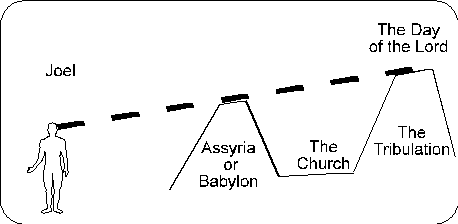
ULTIMATE DELIVERANCE AND PROSPERITY IN THE LAND (Joel 3:18-21) - Here we have a description of life in the millennial kingdom. It will be a utopia. We also have another promise to the Jews. It says, “Judah will be inhabited forever and Jerusalem for all generations.” Again, we have to look to our future for this fulfillment. Note the symmetry in the book (Diagram below is taken from overhead in Charlie Dyer’s class). (Click to enlarge)

- Hosea, Joel, Amos, Obadiah - study - Excerpt
The Locust Judgment - Joel’s prophecy speaks of a terrible plague of locusts which came upon the land of Palestine (Joel 1:4). The destruction that locusts can cause is almost unbelievable. They strip all crops and green vegetation. In 15 minutes they can completely strip a tree of its leaves. A Desert Locust swarm that crossed the Red Sea in 1889 was estimated to cover 2000 square miles. Such swarms are like dark clouds dense enough to hide the sun and they contain countless millions of these "grasshoppers." Because of the sins of His people, God sent these creatures as a form of judgment. As is true with all judgment, the CAUSE was sin and the CURE was repentance (Joel 2:12-14)! An Even Greater Judgment - God used this locust judgment to point to an even greater judgment that would come in the future. Joel has much to say about this future time of judgment. The key phrase in the book of Joel is "the day of the LORD."
- The Book of Joel - 8 page introductory commentary - Excerpt:
The final word of the living message is this. We are to remember where we are in the plan of the ages. We are in the midst of the age of the outpoured Spirit. The message we have to deliver to men is that of the possibility of the fullness of the life of the Spirit. Our business is to urge men to call on the name of the Lord, and thus to be saved from the judgment of His immediate day; from the judgment of His imminent day; from the judgment of His final day. Let it be ours, who know anything of what it is to have received the Spirit, to hand over to that indwelling One all the keys of all the chambers of the being, that He may fill us, and use us as the instruments of both the government and the grace of God. -
The Minor prophets : the men and their messages Published: Jan 01, 1960 - this book must be borrowed from archive.org
James Rosscup - Morgan wrote another book on the Minor Prophets, Voices of the Twelve Hebrew Prophets published in England and Scotland, examining one key verse from each prophet. In the present work he goes into some detail at times. He assigns a title to each prophet, such as “Jonah—Condemnation of Exclusiveness.” Unfortunately, a complete English translation of each book is given, taking up much space. Morgan offers an outline with points that express ideas of verses, but beyond this has space only to say something of an explanatory nature now and then. He leaps over problem verses, such as Hosea 1:2, “wife of whoredoms.” He does have a brief synopsis on the message in the prophet’s time and in Morgan’s around 1900 A. D. Overall this is far down the line in helpfulness, despite the once great name of Morgan.
See also G Campbell Morgan's application of following passages in Joel
- Joel 1:15 - Alas for the day! for the day of the Lord is at hand.
- Joel 2.1 The Day of the Lord cometh; for it is nigh at hand.
- Joel 3.14 The day of the Lord is near in the valley of decision.
- Joel - Through the Bible Book by Book - Excerpt:
The first section (Ch. 1) describes the literal plague of locusts. The terribleness of the plague may be Judged of by the following description of the locusts: "The land over which their devastating hordes have passed at once assumes the appearance of sterility and dearth. Well did the Romans call them 'the burners of the land' which is the literal meaning of the word 'locust.' On they move, covering the ground so completely as to hide it from sight (see picture of a locust swarm), and in such numbers that it often takes three or four days for the mighty host to pass by. When seen at a distance this swarm of advancing locusts resembles a cloud of dust or sand, reaching a few feet above the ground as the myriads of insects leap forward. The only thing that momentarily arrests their attention is a sudden change of weather, for cold benumbs them while it lasts. They also keep quiet at night swarming like bees on the bushes and hedges until the morning sun warms and revives them and enables them to proceed on their devastating march. They 'have no king' nor leader, yet they falter not, but press on in serried ranks, urged in the same direction by an irresistible impulse and turn neither to the right nor to the left for any sort of obstacle. When a wall or house lies in their way, they climb straight up, going over the roof to the other side and blindly rush in at open doors and windows. When they come to water be it a puddle or river, a lake or an open sea, they never attempt to go round it, but unhesitatingly leap in and are drowned; and their dead bodies floating on the surface form a bridge for their companions to pass over. The scourge thus often comes to an end, but it as often happens that the decomposition of millions of insects produces pestilence and death." -Van Lennep.

- A Call to Action: Understanding the Book of Joel - Part 1. - Overview - Day of the Lord
- A Call to Action: Understanding the Book of Joel - Part 2. - Joel 2
- A Call to Action: Understanding the Book of Joel - Part 3.- Joel 2:1-17
- A Call to Action: Understanding the Book of Joel - Part 4. - Joel 2:18-32
- A Call to Action: Understanding the Book of Joel - Part 5. - Joel 3
The following is a separate video teaching from Joel Rosenberg and Anne Graham Lotz - BLOWING THE TRUMPET
- Introduction to the Book of Joel - Part 1.
- Blowing the Trumpet - The Harbingers Joel 1 - Part 2.
- Blowing the Trumpet - The Hope Joel 2:1-17 - Part 3.
- Blowing the Trumpet - Joel 2:18-32 - Part 4.
- Blowing the Trumpet - Joel 3 - Part 5.
- Blowing the Trumpet - Ezekiel 33:1-9.
- Blowing the Trumpet - Jesus Is Coming! - Matthew 24.
- Joel 1:1 - click to go to next verse
- Joel 2:1 - click to go to next verse
- Joel 3:1 - click to go to next verse
SERMON AUDIO - These are of variable quality and may not always interpret the text literally so you must be an Acts 17:11 Berean!
- Joel 1 - 67 Pdf Sermons (Here are 700 Audio sermons)
- Joel 2 - 143 Pdf Sermons (Here are 1668 Audio sermons)
- Joel 3 - 50 Pdf Sermons (Here are 577 Audio sermons)
- Joel - Well Done - Scroll down for notes on Joel nice charts. Below is an excerpt:
THE LOCUST PLAGUE C.S. Lewis described pain as God's megaphone. That is true on the personal level and sometimes it is also true on the national level. The story of the Old Testament is a story of the people of God falling away and then being judged for their sins and then coming back in repentance. It happened again and again in a repeating cycle. If you are a parent, then you understand this process. We went through it when we were raising our daughter. She would be warned of the consequences of disobedience. Then she would disobey. And then would come "the Day of the Father." The church experiences the same thing. God warns and sends His prophets and eventually He says, "Enough is enough." Judah went through her period of prosperity where stocks were up and everything was prosperous and when pride built up to new levels. And then God took a little bug and demonstrated His power. The event that began Joel's prophecy was a plague of locust. That doesn't mean too much to us today, but in that day this sort of thing could be devastating. It was an agricultural economy and a locust invasion meant that everyone who starve. If you do not read this chapter through the eyes of faith, then you will only see bugs. But if you look to see what is really happening here, you will learn that these locusts are really the army of God. They are to be a lesson to future generations. I did not live through the Great Depression. But my grandmother and my wife's grandparents did and they told me what it was like. Joel tells people to do the same thing. They are to ask whether there has ever been a time as bad as this.
- Joel 1: 4 Excursus on Locusts - 10 pages!
- Joel 1: 10 Additional Notes on Hebrew word for Wine
- Joel 1: 15 Discussion of Shaddai - Almighty
- Joel 1:1-7 Devotional Commentary
- Joel 1:8-12 Devotional Commentary
- Joel 1:13-15 Devotional Commentary
- Joel 1:16-20 Devotional Commentary
- Joel 2:8 Devotional Commentary
- Joel 2:8 Order is Heaven's First Law - Sermon
- Joel 2:11 Devotional Commentary
- Joel 2:13 Devotional Commentary
- Joel 2:25 Devotional Commentary
- Joel 2:32 Devotional Commentary
- Joel 2:13 Sermon Notes
- Joel 2:25 Truth Stranger Than Fiction
- Joel 2:26 Wonders
- Joel 2:32 - A Free Grace Promise
- Joel 2:32: One More Cast of the Great Net
- Joel 2:28-32; Acts 2:14-21 I Will Pour Out My Spirit On All People
- The Holy Spirit in the Old Testament
- Joel 3:1-14 The Gentile's Surprise in the Valley of Jehoshaphat
- Joel 3:13-21 The Day of the Lord in Verdict Valley
Be cautious (Acts 17:11): Does not always interpret the Scripture Literally
Conservative notes from Dr Morris who approaches the text seeking it's literal meaning in the context. Millennial. Click the words or phrases after the Scripture for the Study Notes and note that they are from the KJV translation.
Joel 1 Commentary
- Joel 1:1 Joel
- Joel 1:4 palmerworm the locust
- Joel 1:14 cry unto the LORD
- Joel 1:15 day of the LORD
- Joel 1:19 fire hath devoured
- Joel 1:20 dried up
Joel 2 Commentary
- Joel 2:2 the like
- Joel 2:3 garden of Eden
- Joel 2:4 appearance of horses
- Joel 2:10 withdraw their shining.
- Joel 2:11 his army
- Joel 2:20 northern army
- Joel 2:23 former rain moderately
- Joel 2:28 pour out my spirit
- Joel 2:32 whosoever shall call delivered
Joel 3 Commentary
- Joel 3:2 valley parted my land
- Joel 3:6 Grecians
- Joel 3:10 plowshares into swords
- Joel 3:11 thy mighty ones
- Joel 3:13 the harvest is ripe
- Joel 3:14 valley of decision
- Joel 3:15 withdraw their shining
- Joel 3:16 roar out of Zion
- Joel 3:20 dwell for ever
- Joel 3:21 LORD dwelleth in Zion
See all devotionals on one page (Our Daily Bread, Copyright RBC Ministries, Grand Rapids, MI. — Reprinted by permission. All rights reserved)
- Joel 1 When Your Work is Done
- Joel 1:1-7, 19-10 Drawn by Disaster
- Joel 2:12-17 Rend Your Heart
- Joel 2:12-17 From the Heart
- Joel 2:12-17 Warning Lights
- Joel 2:13 Happy New Year!
- Joel 2:13 The Gift of Repentance
- Joel 2:13 Delayed Consequences
- Joel 2:14 God Fights Against Us!
- Joel 2:18-27 Everything is Beautiful
- Joel 2:21-27 Making Up For Lost Time
- Joel 2:25 Restored
- Joel 2:25 Restoring the Years
- Joel 2:25-26 Reclaiming Our Time (ED: After you have "reclaimed the time," past, then go forth and "Redeem the time" yet to come!)
- Joel 2:25 Locust Years
Be cautious (Acts 17:11): Does not always interpret the Scripture literally and sometimes replaces Israel with the Church (note)
- Introduction
- Joel 1 Commentary - Scroll down for homilies
- Joel 2 Commentary - Scroll down for homilies
- Joel 3 Commentary - Scroll down for homilies
Be cautious (Acts 17:11): does not always interpret the Scripture literally
James Rosscup writes "This work originally appeared in 1860. The present publication is set up in two columns to the page with the text of the Authorized Version reproduced at the top. Scripture references, Hebrew words, and other citations are relegated to the bottom of the page. The work is detailed and analytical in nature. Introduction, background and explanation of the Hebrew are quite helpful. Pusey holds to the grammatical-historical type of interpretation until he gets into sections dealing with the future of Israel, and here Israel becomes the church in the amillennial vein." (Commentaries for Biblical Expositors: An Annotated Bibliography of Selected Works)
- Joel Commentary - 34 pages
One needs to be a Berean as these notes do not always render a literal interpretation and in fact "shy away" from mention of the Messianic Age, the Millennium, as shown by comparing Reformation Study Bible (RSB) Notes on Joel 3:18 with the MacArthur Study Bible (MSB) notes by Dr. John MacArthur (who does accept a literal Millennium).
RSB note on Joel 3:18 -The final scene of the drama is one of paradisal prosperity and blessing (cf. Joel 2:19–26). fountain shall flow. The temple itself will be the source of a life-giving stream (Ezek. 47:1–12; Ps. 46:4; Rev. 22:1, 2), which will water even the dry and barren valley where acacia trees grow.
MSB note on Joel 3:18 - Zion, My holy mountain. This will be the earthly location of God’s presence in the millennial temple (cf. Eze 40–48) at Jerusalem. will pass through it no more. God has promised a future time when His glory in Judah will not be eclipsed. This time of ultimate peace and prosperity will be experienced after Christ conquers the world and sets up His millennial kingdom on earth (cf. Eze 37:24–28; Mt 24, 25; Rev 19).
Comment: Notice that the RSB Note does not interpret Joel's record as a description of the Millennium (which I favor) and in fact lists Rev 22:1-2 as a cross reference, this passage clearly referring to Heaven and not the Millennium. On the other hand Dr MacArthur clearly identifies Joel's description with Messiah's "Millennial Kingdom on earth" and cross references Revelation 19 (where 1000 is mentioned 6 times by John). MacArthur does not list Revelation 22:1-2 as a cross reference to Joel 3:18. All this to say that the RSB notes while having some helpful comments, do call for a Berean like attitude when reading the notes on passages that clearly speak of events that will be fulfilled in the future. As an aside the popular ESV Study Bible notes in general also show a definite bias against the mention of the Millennium and like the RSV cross reference Revelation 22:1-2.
- Joel 1:1
- Joel 1:2–2:17
- Joel 1:2–20
- Joel 1:2
- Joel 1:3
- Joel 1:4
- Joel 1:5
- Joel 1:6
- Joel 1:7
- Joel 1:8
- Joel 1:9
- Joel 1:10
- Joel 1:12
- Joel 1:13
- Joel 1:14
- Joel 1:15
- Joel 1:16–18
- Joel 1:19
- Joel 1:20
- Joel 2:1–17
- Joel 2:1
- Joel 2:2
- Joel 2:3
- Joel 2:5
- Joel 2:7–9
- Joel 2:10
- Joel 2:11
- Joel 2:12
- Joel 2:13
- Joel 2:14
- Joel 2:15–16
- Joel 2:17
- Joel 2:18–3:21
- Joel 2:18–27
- Joel 2:18
- Joel 2:19
- Joel 2:20
- Joel 2:21–24
- Joel 2:25
- Joel 2:26
- Joel 2:27
- Joel 2:28–32
- Joel 2:28–29
- Joel 2:28
- Joel 2:30–31
- Joel 2:32
- Joel 3
- Joel 3:1
- Joel 3:2
- Joel 3:3
- Joel 3:4
- Joel 3:5
- Joel 3:7
- Joel 3:8
- Joel 3:9–12
- Joel 3:10
- Joel 3:11
- Joel 3:13
- Joel 3:14
- Joel 3:15
- Joel 3:16
- Joel 3:17
- Joel 3:18
- Joel 3:19
- Joel 3:20
James Rosscup - This is a reprint of the 1926 edition (New York: Harper and Brothers). He devotes a chapter to each prophet, “Hosea the Prophet of Love,” etc. The studies are terse summaries. On Hosea he lists and comments on steps in Israel’s downfall and has five points on the message to men today. He packs a lot of information in and organizes it well. His word portrait of Jonah is choice (pp. 74–75), and he has interesting accounts of great fish swallowing men. Though brief, the book has frequent material a preacher can use.
The twelve minor prophets Published: Jan 01, 1926
NOTE: If you are not familiar with the great saint Charles Simeon see Dr John Piper's discussion of Simeon's life - you will want to read Simeon's sermons after meeting him! - click Brothers We Must Not Mind a Little Suffering (Mp3 even better)
Charles Simeon lived from 1759-1836 and was an excellent, conservative expositor - notice that he interprets the text literally despite preaching in the 1800's, and thus he stillinterpreted the Millennium as the Millennium!
Read his literal interpretation - "THE return of the Jews to their own land at some future period seems to be predicted so plainly (Ed: What a contrast with many modern commentators who seem to find this interpretation enigmatic and confusing, primarily because they have replaced Israel with the Church! ) and so frequently, that no reasonable doubt can be entertained respecting it. As for their future conversion to the faith of Christ, that is absolutely certain. But previous to their final settlement in their own land, there will be a violent contest with them in Palestine: but their enemies will be defeated with great slaughter: and after that will the long-wished-for period arrive, when all, both Jews and Gentiles, shall turn unto the Lord, and all “become one fold, under one Shepherd.”" (Excerpt from "The Millennium") ( See Related Resources : Millennium and the Israel of God)
EXPOSITIONAL MESSAGES
SERMON NOTES IN OUTLINE FORM
- Joel 2:12 Sermon Notes
- Joel 2:12-14 Turn to God
- Joel 2:25 Restoration
- Joel 2:28 The Promise of the Father
James Rosscup writes "Though old this is well-written and often cited, with many good statements on spiritual truths. Users will find much that is worthwhile, and sometimes may disagree, as when he sees the Jonah account as allegorical (Ed: See Tony Garland's article on the Rise of Allegorical Interpretation)." (Commentaries for Biblical Expositors: An Annotated Bibliography of Selected Works)
- Preface
- The Book of the Twelve
- The Prophet in Early Israel
- The Eighth Century in Israel
- Influence of Assyria Upon Prophecy
- The Seventh Century in Israel
- The Early Years of Josiah (639-625): Jeremiah and Zephaniah
- The Rest of the Century (625-586): The Fall of Nineveh; Nahum and Habakkuk
- Israel Under the Persians (539-331BC)
- From the Return from Babylon to the Building of the Temple (536-516BC)
- Introduction to the Prophets of the Grecian Period (331BC)
- Introduction - Date of the Book
- Introduction - Interpretation of the Book: Is It Description, Allegory or Apocalypse?
- Note: Smith writes "The allegorical interpretation is untenable...the prophet's scenery is apocalyptic...."
- Introduction - State of the Text and the Style of the Book
- Joel 1 Commentary
- Joel 2 Commentary
- Joel 3 Commentary
Be cautious (Acts 17:11): Does not always interpret the Scripture Literally and sometimes replaces Israel with the Church (note)
JOEL 1
JOEL 2
JOEL 3
- Joel: The Revelation Of God's Hand
Excerpt - The little book of Joel is only three chapters long, and we should all read it. We ought to give ourselves to the reading of God's word, as the apostle Paul wrote to Timothy and encouraged him to do. Now, while the prophecy of Hosea reveals the heart of God, the prophecy of Joel reveals the hand of God, the hand that controls destiny, the hand that moves history.For centuries men have been looking for the principle upon which all the events of history turn, and ever since the dawn of history there have been many guesses about what that controlling principle is. Long ago, the great Greek philosophers came up with the idea that history moves in cycles; and a leading modern historian, Arnold Toynbee, agrees with that. Aristotle also said that history follows this kind of course. He said that first a tyrant rises, a man of iron, who seizes control of a nation or a group of people and rules until his dynasty ends. Then control gradually passes to a ruling family of aristocracy. And gradually their power deteriorates until control passes down to the people, and this is what he calls a democracy. But a democracy also deteriorates and gradually yields to the breakdown of all power, and anarchy ensues. Out of anarchy a tyrant again seizes control, and on goes the cycle of history. And there is a lot of truth in that theory.
Through the centuries other men have contributed guesses about the controlling principle of life. Thomas Jefferson thought it was political, and when he wrote the Declaration of Independence he incorporated that idea in the prologue -- that human governments recognize that certain inalienable rights are granted to men, and that to preserve these rights, governments are instituted among men. He felt that the forces that shape human history and form the nations of earth are political in nature.
Back in the last century, Karl Marx dipped his pen into the acid of his own embittered spirit and wrote the great work that has dramatically influenced our modern times. His idea was that the controlling force of history was economics, that it is the need to meet the material demands of life that shapes the course of history. He called this force dialectical materialism -- the principle of materialism arrived at through debate, through discussion of these issues. And this idea has so seized the minds of men today that all over the earth are millions who feel that economics is the controlling interest of life.
Others have said that the principle is sociological. H.G. Wells, for instance, was one of a great number of thinkers who said that evolution shapes the course of human destiny. It is often taught in schools today that behind all the events of human history recorded in our daily newspapers and by historians there is an evolutionary principle always trending higher and higher, making life better and better.
But the Bible says that all these are wrong. The Bible says that behind the whole course of human history is God. The hinge on which history turns is spiritual -- God's Spirit is at work among men, and you cannot understand human events if you do not first recognize that fact.
One of the most meaningful statements ever written in the scriptures and one of the most terrifying things that can ever be heard by men was said at the time of the flood when God told Noah, "My Spirit shall not strive with man forever." (Genesis 6:3 NASV) And whenever that statement is uttered it means that judgment is at hand. For God's Spirit strives with man by patiently restraining evil so that human life can go on. God tries to win men to himself by holding back the destructive forces in human events. But at last God's patience reaches an end and there comes a time -- repeated throughout human history -- when God says either to an individual or to a nation, "My Spirit shall not always strive with men." And when he removes his Spirit -- the controlling force of life -- everything collapses. That is when catastrophe occurs and judgment strikes. And that is essentially the message of the book of Joel.
This young man Joel was a prophet to the kingdom of Judah, the southern kingdom. He was probably a contemporary of Isaiah, Hosea, and Amos. We don't know much about Joel, but he was one of the most far-sighted men who have ever written, even in the pages of the word of God. Joel saw clear to the end of human history, far past our own day to the final stages of God's dealing with human events; and he links it all to a great dramatic occurrence in his own day.
- Joel - God Persists
Excerpt - Many have quoted the famous words from Micah and Isaiah, "beat your swords into plowshares and your spears into pruning hooks," but little mention is made of this statement from Joel in which the nations are summoned not to make peace, but to make war. It is clear that Joel's prophecy must be fulfilled first and the present course of world events seems to indicate that there is no hope of universal peace until first there must come universal war and divine judgment.Once again mention is made of the terrible judgments of the great day of the Lord: "Multitudes, multitudes, in the valley of decision! For the day of the Lord is near in the valley of decision. The sun and the moon are darkened, and the stars withdraw their shining" (Joel 3:14,15).
But the final scene is one of beauty and glory: "And in that day the mountains shall drip sweet wine, and the hills shall flow with milk, and all the stream beds of Judah shall flow with water; and a fountain shall come forth from the house of the Lord and water the valley of Shittim" (Joel 3:18). As we have already seen, this is the way Ezekiel's great vision ends, with a river flowing out from under the threshold of the altar and watering the land. Water in Scripture is a picture of the Holy Spirit and fulfills the word of Jesus in John 7:38: "He who believes in me, as the scripture has said, 'Out of his heart shall flow rivers of living water.'"
It is apparent from Joel that the future is in God's hands and not man's. It is in the hands of One who is preparing something which is beyond anything eye has ever seen or ear has ever heard or has ever entered into the heart of man. God deals with us in judgment that He may capture our attention and wake us up to reality; but through these difficult things God in grace is simply saying: "Adjust your life to reality now that you may be ready for the great things which are yet to come." The promise to Israel is: "But Judah shall be inhabited for ever, and Jerusalem to all generations. I will avenge their blood, and I will not clear the guilty, for the Lord dwells in Zion" (Joel 3:20,21). Again, this is where Ezekiel ended his prophecy, with a picture of the restored city under its new name "the Lord is there."
- The Coming Time of Trouble - primarily about Zephaniah but also discusses Joel and Day of the Lord
- Joel (Day of the Lord) The Fate of the Earth - primarily 1 Thes 5:1-11 but cross references Joel
Caveat Emptor: Not Millennial! (See Related Resources: Millennium; Israel of God)
OT Reflections of Christ
by Paul R. Van Gorder
JOEL
Although the book of Joel contains only three chapters and is seldom read, it is one of the most stirring of all the prophetic writings. The date of the book is uncertain because it names no kings. However, many feel that Joel must have prophesied during the reign of Joash (2Chronicles 22-24). If so, he was a contemporary of Elisha. His name means, ''Jehovah is God,'' and he prophesied to a people who had forgotten that.
This prophecy surveys the history of Israel, from the time it was given, to the second advent of Christ. The book is an illustration of how God makes the future known to man; in fact, it illustrates the way all biblical truth is revealed. It demonstrates that revelation is progressive. Joel unfolds and develops a new concept, ''the day of the Lord,'' as do the prophets that follow him. The three aspects of his vision increase in scope as the book progresses.
OUTLINE OF THE BOOK--
A Plague Destroys the Land (Joel 1:1-5)
The Vision of the Invading Army (Joel 1:6-2:27)
Future Judgment and Deliverance (Joel 2:28-3:21)
Every book of the Bible has its own key to its interpretation. Sometimes the key is at the front door of the book; other times at the back door. The key to the prophecy of Joel is found near the front door: ''Alas for the day! For the day of the Lord is at hand, and as a destruction from the Almighty shall it come'' (Joel 1:15).
The land of Palestine had been a wonderful place. The hills were dotted with fig and olive trees, the slopes were covered with luxuriant vineyards, and the valleys were filled with corn. It had previously been described in metaphor as ''a land that floweth with milk and honey'' (Joshua 5:6). But when Joel was called to prophesy, a terrible judgment had befallen it.
THE LOCUST JUDGMENT--
Four plagues had come upon the land: palmer worms, locusts, canker worms, and caterpillars. Some of the best authorities on the locust, as well as Hebrew scholars, maintain that four stages of the development of the locust are described here. The context shows what they did to their fair land. The advance column destroyed every leaf and blade of grass. Those that followed even devoured the bark from the trees. The noise of their wings was heard for miles, and the land looked as though it had been swept by fire.
The prophet revealed the cause for the plagues. These scourges had come from God as chastisement upon the people because of their sin. Although the judgment was regional in nature, it was filled with prophetic importance.
INVASION BY ASSYRIA PROPHESIED--
The Lord said through Joel, ''For a nation is come up upon My land, strong, and without number, whose teeth are the teeth of a lion, and he hath the cheek teeth of a great lion'' (1:6). The specific prediction of invasion is recorded in chapter 2. The primary reference is to the impending invasion by Assyria, but the fuller picture is of the day of the Lord. The Assyrian invasion was but a shadow of something far more terrible to come. The devastation by the invading Assyrians fulfills the prophecy, but a complete and greater fulfillment will occur in the day of the Lord. In chapters 2 and 3, Joel spans the centuries and gives to us, by inspiration, a detailed description of the time that will close this age and usher in the next.
The armies will surround Jerusalem. As the locusts had attacked and destroyed the land, and as the nations of Babylon and Assyria would attack and destroy, so the endtime will be characterized by warfare and destruction. Compare Joel 2:1-10 with Zechariah 14:1-3, where the prophet warned, ''Behold, the day of the Lord cometh, and thy spoil shall be divided in the midst of thee. For I will gather all nations against Jerusalem to battle; and the city shall be taken, and the houses rifled, and the women ravished; and half of the city shall go forth into captivity, and the residue of the people shall not be cut off from the city.'' This is in keeping with our Lord's dire prediction in the Olivet Discourse, ''Verily I say unto you, There shall not be left here one stone upon another, that shall not be thrown down... And except those days should be shortened, there should no flesh be saved; but for the elect's sake those days shall be shortened'' (Mat 24:2,22).
Joel 2:11 declares that the Lord's ''army'' (the locusts) is already in the land. Men have always failed to take Jehovah into account. Read again the story of Sennacherib and the Assyrians [2Kings 18:13-19:37], and recall how God intervened to destroy that army. All of this is a picture of what will happen in the future. Joel declared the intent of Jehovah when he wrote, ''I will also gather all nations, and will bring them down into the Valley of Jehoshaphat, and will judge them there for My people and for My heritage, Israel...'' (Joel 3:2). This is what John saw in Revelation 19:17-19, and is preceded by the regathering of Judah to Jerusalem (Joel 3:11).
THE OUTPOURING OF THE SPIRIT--
A plan is revealed in Joel 2:28-32. Note the words, ''And it shall come to pass afterward...'' When Peter quoted this passage on the day of Pentecost, he did not say that the scene they witnessed was the fulfillment of the prophecy, but simply that ''this is that which was spoken through the prophet, Joel'' (Acts 2:16). We know that many of the signs accompanying the prediction were not witnessed on the day of Pentecost. There was no blood or fire or vaporous smoke. The sun was not turned into darkness, nor the moon into blood. These signs did not follow the coming of the Spirit in Peter's day because Israel was not repentant and obedient. But they will appear just before the glorious return of Christ. They will surely be seen in that future day.
THE DAY OF THE LORD--
Chapter 3 of Joel's prophecy gives us the order of events for that period of time known as ''the day of the Lord.'' We list them briefly with accompanying Scriptures for you to study.
The regathering of Judah to Jerusalem (Joel 3:1). Compare Zechariah 10:6.
The gathering of the Gentile powers against Jerusalem (Joel 3:3, 9-15).
Compare Revelation 17:12-15; 19:17-19.
God's controversy with the Gentile powers over their treatment of His people (Joel 3:2-8).
Consult Deuteronomy 30:5-7; Matthew 25:31-45.
The Deliverer who came out of Zion (Joel 3:15,16). See Joel 2:32.
In connection with this tremendous event, the reader will do well to study Obadiah, Romans 11:26-29, and Revelation 19:11-21.
The millenial blessing of Israel with Jehovah dwelling in Zion (Joel 3:17-21).
This will be the time of ingathering, the time of Jewish conversion.
Isaiah spoke of that time as follows:
''And it shall come to pass in the last days, that the mountain of the Lord's house shall be established in the top of the mountains, and shall be exalted above the hills; and all nations shall flow into it. And many people shall go and say, Come ye, and let us go up to the mountain of the Lord, to the house of the God of Jacob; for He will teach us of His ways, and we will walk in His paths; for out of Zion shall go forth the law, and the word of the Lord from Jerusalem'' (Isaiah 2:2,3).
Joel sets forth the mighty works of Jehovah, our Lord Jesus Christ, both in judgment and blessing upon His covenant people, Israel. He ''shall roar out of Zion, and utter His voice from Jerusalem, and the heavens and the earth shall shake; but the Lord will be the hope of His people, and the strength of the children of Israel'' (Joel 3:16).
Rend your heart, and not your garments, and turn unto the Lord you God. — Joel 2:13
EXPLAIN the oriental custom of rending robes. People were ready enough to use the outward signs of mourning when, as in the present instance, locusts appeared to devour their crops, or when any other judgment threatened them.
They failed in mourning as to the Lord, and in rendering spiritual homage to his chastising rod. Hence the language of the text.
Let us revolve in our minds—
I. THE GENERAL DOCTRINE THAT TRUE RELIGION IS MORE INWARD THAN OUTWARD.
The expression "Rend your heart, and not your garments," casts somewhat of a slur upon the merely outward.
1. This respects forms and ceremonies of men's devising. These are numerous and vain. "Not your garments" may in their case be treated in the most emphatic manner. Will-worship is sin.
2. It bears also upon ordinances of God's own ordaining if practiced without grace, and relied upon as of themselves effectual.
Among good things which may become unprofitable we may mention—
The regular frequenting of a place of worship.
The practice of family prayer in one's own home.
The reading of Holy Scripture.
The holding of an orthodox creed.
The practice of private prayer.
The attendance upon sacraments.
All these good things should have their place in our lives; but they do not prove saint-ship: since a sinner may practice them all, after a sort. The absence of a true heart will make them all vain.
II. THE FURTHER DOCTRINE THAT MAN IS MORE INCLINED TO THE OUTWARD OBSERVANCE THAN TO INWARD MATTERS.
Hence he needs no exhortation to rend his garments, though that act might in certain cases be a fit and proper expression of deep repentance (See in depth word studies on The verb Repent = metanoeo; the noun Repentance = metanoia), and holy horror for sin.
Man is thus partial to externals—
1. Because he is not spiritual, but carnal by nature.
2. Because the inward is more difficult than the outward, and requires thought, diligence, care, humiliation, etc.
3. Because he loves his sin. He will rend his robes, for they are not himself; but to rend off his beloved sins is like tearing out his eyes.
4. Because he cares not to submit to God. Law and gospel are both distasteful to him; he loves nothing which necessitates the obedience of his heart to God.
Many throng the outer courts of religious observance who shun the holy place of repentance, faith, and consecration.
III. THE PARTICULAR DOCTRINE THAT HEART-RENDING IS BETTER THAN ANY EXTERNAL ACT OF PIETY.
1. Heart-rending should be understood. It is—
To have the heart broken, contrite, tender, sensitive.
To have the heart grieving over past evils.
To have the heart rent away from sin, as by holy violence.
To have the heart torn with holy horror and indignation in the presence of temptation. The sight of sin should rend the heart, especially when it is seen by the light of the cross.
2. Heart-rending is to be preferred to external observances, for—
These are not commanded for their own sakes.
They are good or evil as the heart may be.
Their observance may co-exist with sin, even with great sin.
Outward signs may even be Antichrists keeping us from Christ.
They can never supply the place of Jesus himself.
3. Heart-rending should be practiced. "Rend your hearts."
This would need a great tug. Can a man rend himself?
This drives us to look to a higher power.
This is met only by Jesus. Looking to him whom we have pierced, our hearts are rent.
This, when fully done, leaves us at his feet, who alone "heareth the broken in heart, and bindeth up their wounds."
Ad Rem
An old Hebrew, story tells how a poor creature came one day to the Temple, from a sick bed, on tottering limbs. He was ashamed to come, for he was very poor, and he had no sacrifice to offer; but as he drew near he heard the choir chanting, "Thou desirest not sacrifice; else would I give it: thou delightest not in burnt-offerings. The sacrifices of God are a broken spirit: a broken and a contrite heart, O God, thou wilt not despise." Other worshippers came, pressed before him, and offered their sacrifices; but he had none. At length he prostrated himself before the priest, who said, "What wilt thou, my son? Hast thou no offering?" And he replied, "No, my father, for last night a poor widow and her children came to me, and I had nothing to offer them but the two pigeons which were ready for the sacrifice." "Bring, then," said the priest, "an ephah of fine flour." "Nay, but, my father," said the old man, "this day my sickness and poverty have left only enough for my own starving children; I have not even an ephah of flour." "Why, then, art thou come to me?" said the priest. "Because I heard them singing, 'The sacrifices of God are a broken spirit.' Will not God accept my sacrifice if I say, 'Lord, be merciful to me, a sinner'?" Then the priest lifted the old man from the ground, and he said, "Yes, thou art blessed, my son; it is the offering which is better than thousands of rivers of oil." — "The World of Proverb and Parable," by E. Paxton Hood
If this hypocrisy, this resting in outward performances, was so odious to God under the law, a religion full of shadows and ceremonies, certainly it will be much more odious under the gospel, a religion of much more simplicity, and exacting so much the more sincerity of heart, even because it disburdens the outward man of the performances of legal rights and observances. And therefore, if we now, under the gospel, shall think to delude God Almighty, as Michal did Saul, with an idol handsomely dressed instead of the true David, we shall one day find that we have not mocked God, but ourselves; and that our portion among hypocrites shall be greater than theirs. — William Chillingworth
As garments to a body, so are ceremonies to religion. Garments on a living body preserve the natural warmth; put them on a dead body and they will never fetch life. Ceremonies help to increase devotion; but in a dead heart they cannot breed it. These garments of religion upon a holy man are like Christ's garments on his own holy body; but joined with a profane heart, they are like Christ's garments on his crucifying murderers. — Ralph Brownrig
Rending the clothes was a common and very ancient mode of expressing grief, indignation, or concern; and as such is frequently mentioned in the Scriptures .... It is said that the upper garment only was rent for a brother, sister, son, daughter, or wife, but all the garments for a father or mother. Maimonides says that the rents were not stitched up again till after thirty days, and were never sewed up well. There is no law which enjoins the Jews to rend their clothes; yet in general they so far think it requisite to comply with this old custom as to make a slight rent for the sake of form. — Pictorial Bible