
LEVITICUS COMMENTARIES

Click chart to enlarge
Chart from recommended resource Jensen's Survey of the OT - used by permission
Another Overview Chart of Leviticus - Charles Swindoll
A third Overview Chart of Leviticus
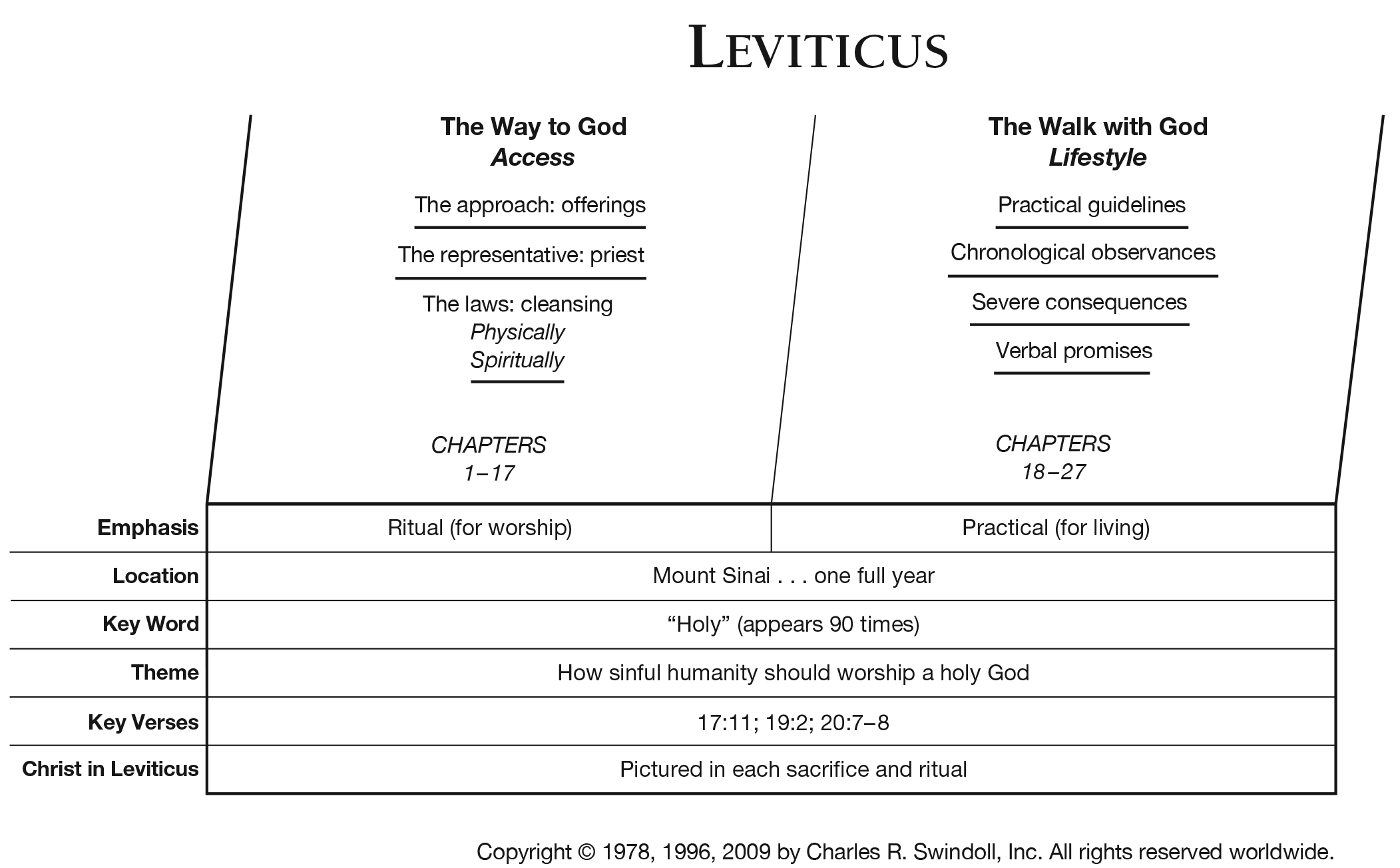
| LEVITICUS THE BOOK OF SANCTIFICATION AND WORSHIP Adapted and modified from C. Swindoll |
|
| Leviticus 1-17 | Leviticus 18-27 |
| The Way to God Access |
The Walk with God Lifestyle |
| The Approach: Offerings | Practical Guidelines |
| The Representative: Priest | Chronological Observances |
| The Laws: Cleansing Physically & Spiritually |
Severe Consequences Verbal promises |
| Ritual for Worship Worshipping a Holy God |
Practical for Walking Living a Holy Life |
| Location: Mt Sinai for one full year | |
| Theme: How sinful humanity can approach and worship a holy God | |
| Key Verses: Lev 17:11, 19:2, 20:7-8 | |
| Christ in Leviticus: In every sacrifice, every ritual, every feast | |
| Time: about 1446BC | |
|
|
"In Genesis, we see humanity ruined by the fall. In Exodus, God's people are redeemed from bondage. In Leviticus, those people are revived through worship. Being the least popular of the first five Bible books, Leviticus is frequently passed off as an unimportant document of out-of-date details. Because the book is directly related to Israelites under the Mosaic Law, many Christians today choose to ignore its contents. But God has preserved Leviticus for a particular purpose. As is the case with other Old Testament books, it is filled with pictures of the Lord Jesus Christ. Without exception, every offering and every feast provides a vivid portrait of Christ, God's sacrificial Lamb, “who takes away the sin of the world” (John 1:29). To study Leviticus apart from these portraits painted by the Spirit is to be bored with an ancient series of regulations. But when we see all of this in light of Christ's provision at Calvary, it becomes both interesting and enlightening." (Insight for Living)
Samuel Balentine is surely correct when he says that Leviticus "is perhaps the most neglected of the neglected biblical books.”
W. Graham Scroggie said "Exodus begins with sinners, but Leviticus begins with saints, that is, as to their standing."
Collin Hansen - I'm going to take a chance and suggest that delight is not the first word that comes to mind. Perhaps drudgery would be more accurate. How many well-intentioned Bible reading plans have crashed and burned in this book filled with detailed descriptions of how Israelites could worship and what they could eat and wear? Yet as Christians we understand that Leviticus is God's word for our good. Indeed, we believe that Leviticus—like the rest of the Old Testament—helps us understand the work of Christ. (Daring to Delight in Leviticus)
W A Criswell - Leviticus is one of the most important books of the Old Testament. Without an understanding of the principles of atonement and holiness found in Leviticus, much of the New Testament has no foundation on which to rest. To say that Leviticus is one of the "most New Testament" books of the Old Testament would hardly be an exaggeration, for it foreshadows the Person and work of Christ in a most remarkable and elucidating manner.
Dr. William Barrick, OT scholar asks - "Why would we want to study a book that dedicates seven chapters to the sacrificial system of ancient Israel and five chapters to details concerning indelicate matters like the emission of a variety of bodily fluids?" (Introduction to the Book of Leviticus) (See also Arie Leder's article - Leviticus - Reading and Hearing Leviticus - Why Is It Not Preached)
Irving Jensen - The book of Leviticus is God’s manual for His people on how to approach Him and live pleasing in His sight. In the experience of the Israelites, encamped on Mount Sinai, the laws of Leviticus were the guideposts which they needed for life on the wilderness journey ahead, and for settling in Canaan. The key command, “Ye shall be holy,” pervades the book, revealing something of the awesome message which God always wants all His people to hear and obey… It was the custom of the Jews to call each book of their Scriptures by its first word in the Hebrew text. For Leviticus this was wayyiqra, meaning “and he called.” Obviously this title does not indicate what Leviticus is about. The Greek Septuagint (Lxx) version, which was the first translation of the Old Testament, assigned the title Leuitikon, meaning “that which pertains to the Levites.” The reason for such a title is that much of the book concerns the ministry of the priests, who were an important segment of the tribe of Levi (cf. Heb 7:11). The Greek title was carried over into the Latin Vulgate as Leviticus, which was then adopted by the English Bible. (Jensen's survey of the Old Testament) (Jensen's Survey of the Old Testament)
J Sidlow Baxter - A certain lady, on being asked if she had ever read the Bible right through, replied: "I have never read it right through, though I have read much of it consecutively. Three time I have started to read it through, but each time I have broken down in Leviticus. I have enjoyed Genesis and Exodus, but Leviticus has seemed such dull reading that I have become discouraged and have given up.: Which did that friend the more deserve - sympathy or rebuke? To speak of Leviticus as "dull reading" misses the point of the book completely. How could we expect a book like Leviticus, which is occupied throughout with regulations, to provide exciting reading? Obviously, it is not meant just to be read, but to be studied. It yields little of its treasure to a mere reading; but a reasonable concentration transforms it into one of the most intriguing articles in the Scriptures. At the outset, let us clear away certain discouraging misunderstandings about the book. There appear to be four such. First, there are those who think it impossible for them so to master all the ritual and symbol in Leviticus as to get much spiritual profit. Second, there are those who suppose that since the Levitical prescriptions have now long passed away, with the Mosaic dispensation, they cannot sustain any living relation to the present day. Third, there are others who profess difficulty inasmuch as certain of the Levitical commands, in their severity or seeming triviality, seem at variance with what else we know of God. Fourth, still others are discouraged because, whereas in Genesis and Exodus the main outline is easily found, there seems no such clear outline here, in this third book of Scripture. Now, any fair study of Leviticus will quickly dispel these misgivings; for, as we shall see, it simply abounds in spiritual values; it has a living voice to our own day; its revelation of the Divine character is unique; and it is built together according to a clear plan. Its Mosaic authorship and Divine inspiration are attested by the Lord Jesus. It is referred to over forty times in the New Testament. All that follows it in the Scriptures is colored by it; and, therefore, a clear knowledge of it contributes greatly towards comprehending the message of the Bible as a whole. (Genesis to Joshua)
Henrietta Mears explains why we need Leviticus in our modern culture - Leviticus is a timely book for it insists on keeping the body holy as well as the soul. It teaches that the redeemed ones must be holy because their Redeemer is holy. It gives us not only the key for our spiritual life and its holy walk, but it also surprises us with real lessons in hygiene and sanitation for the care of the body. The Jewish people are wonderful evidence of the result of this latter in their long and vigorous lives. It is a divine book. The opening verse affords us the clue to the whole, "The Lord called to Moses and spoke to him from the Tent of Meeting." Leviticus is God speaking to us through the Tabernacle and its meaning. It is a personal book. The second verse intimates this, "When any of you brings an offering to the Lord." Notice, He expects each person to bring his or her own gift. The way is often as important as the gift. Have you an offering for the Lord? Then this book will appeal to you…
"Get right," say the offerings. There are five of them: burnt offering, grain offering, fellowship offering, sin offering and guilt offering. "Keep right," say the feasts. There are eight of them: Sabbath, Passover, Pentecost, Trumpets, Atonement, Tabernacles, the Sabbath year and Jubilee. Leviticus is called the Book of Atonement (Leviticus 16:30-34). God says, "Be holy, because I am holy" (Leviticus 11:44-45; Leviticus 19:2; Leviticus 20:7, 26). The book of Leviticus is God's picture book for the children of Israel to help them in their religious training. Every picture pointed forward to the work of Jesus Christ. The title of Leviticus suggests the subject matter of the book—the Levites and the priests and their service in the Tabernacle. It is also called the Book of Laws. We remember in the book of Exodus how God gave Moses the exact instructions about how to build the Tabernacle and about the institution of the priesthood to carry on the service in this holy place. Like Exodus, Leviticus begins with the Hebrew word we ("and"). As this book opens, the children of Israel are still at Mount Sinai. God is continuing to give His instructions for orderly worship in the Tabernacle. In Genesis, we see humanity ruined. In Exodus, humanity redeemed. In Leviticus, humanity worshiping.
Sacrifice and Separation (Leviticus 1:1-6:7) One of the most important questions in life is "How may an unholy people approach a holy God?" At the very beginning of the book we see God making provision for His people to approach Him in worship. This book shows redeemed Israel that the way to God is by sacrifice and the walk with God by separation. Isn't it strange that deep down in every heart there is a sense of guilt and the feeling of a need of doing something to secure pardon or gain the favor of the one wronged? Pagans bring their sacrifice to the altar of their gods, for they realize that they cannot do anything about their sin themselves. They must make atonement for it. The mothers in India used to throw their babies into the river Ganges to appease their gods. The British colonial government tried to put a stop to this, but the practice still continues. Pagans cannot see beyond their sacrifices. When we look at the sacrifices in this book, we find that they are only types (see study of Biblical types), or symbolic representations that point to the Perfect Sacrifice for sin which was to be made on Calvary. All the sacrifices in this book point to "the Lamb of God, who takes away the sin of the world" (John 1:29). Sin may be forgiven, but it must receive its penalty. "The wages of sin is death" (Ro 6:23). Sin keeps us from drawing near to God. He is "too pure to look on evil" (Habakkuk 1:13). There can be no fellowship between God and the sinner until sin has been dealt with; the only way is sacrifice. "Without the shedding of blood there is no forgiveness" (Hebrews 9:22). Five offerings are described in Leviticus. God wants us to understand the awful reality of sin, so He asks for a sacrifice each day. Here is a list of the offerings, with a keyword to identify them. Learn this simple outline to fix in mind the first six chapters of Leviticus.
- Burnt Offering: "Surrender" of Christ for the world—Leviticus 1:1-17
- Grain Offering: "Service" of Christ in life—Leviticus 2:1-16
- Fellowship Offering: "Serenity" of Christ in life—Leviticus 3:1-17
- Sin Offering: "Substitute" of Christ for sin—Leviticus 4:1-5:13
- Guilt Offering: "Satisfaction" by Christ for demands of God—Leviticus 5:14-6:7. (Borrow What the Bible is all about)
Samuel E. Balentine - “It is perhaps the most neglected of the neglected biblical books.” (Leviticus, Interpretation: A Bible Commentary for Teaching and Preaching).
Charles Swindoll addresses the question of why Leviticus is important for the modern church -- Today’s readers are often put off by the book’s lists of laws regarding diet, sacrifice, and social behavior. But within these highly detailed directives we discover the holiness—the separateness, distinction, and utter “otherness”—of God. And we learn how sin devastates humanity’s relationship with their Creator. God established the sacrificial system so that His covenant people might enjoy His fellowship through worship; it also allowed for repentance and renewal: "When an Israelite worshiper laid his hand on the animal victim, he identified himself with the animal as his substitute… this accomplished a symbolic transfer of his sin and a legal transfer of his guilt to the animal victim. God then accepted the slaughter of the animal… as a ransom payment for the particular sin which occasioned it." (quoting F D. Lindsey) (Ed comment: But remember the Law was only a shadow which pointed to the substance [Heb 10:1-4, Col 2:17, Heb 9:28], Christ's perfect sacrifice - OT saints were saved by faith just as NT saints [cf Ge 15:6, Hab 2:4], not by keeping the Law or performing sacrifices.) Many years after Moses wrote Leviticus, Jesus came to offer Himself as the ultimate sacrifice, holy and perfect, once for all, fulfilling the Law and rendering future animal sacrifices unnecessary and void (Hebrews 10:10). (Book of Leviticus Overview - Insight for Living Ministries)
Ray Stedman - "Leviticus is the book of access to God, of instruction in how to worship. Worship is nothing more than laying hold of God. We don't worship when we simply bow our heads and let some kind of pious thoughts run vagrantly through our minds. We worship when we lay hold of what God is. Though it may seem dry reading, when we begin to analyze it, Leviticus opens up as a great book which gives us tremendous lessons in the life of worship." In Leviticus: The Way to Wholeness Stedman commenting on "You are to be holy to Me, for I the Lord am holy; and I have set you apart from the peoples to be Mine" (Lev. 20:26) writes "That is the purpose of the book of Leviticus. It details the way by which man is made holy enough to live in the Divine Presence and to enjoy a relationship so close that God will delight to say, "You are mine." Don't be turned off by the word "holy" in this passage. Most people associate holiness with some kind of grimness. They react as did the little girl who happened to see a mule looking over the fence at her. She had never seen a mule before and she said to it, "I don't know what you are but you must be a Christian--you look just like grandpa." To many of us, "holy" people are those who look as if they had been steeped in vinegar or soaked in embalming fluid. But the Scriptures speak of "the beauty of holiness" (Ps. 29:2, KJV). True holiness is therefore something splendidly attractive. The original root from which the word holy is derived is the same root from which a very attractive English word also comes. That word is "wholeness." Holiness, therefore, means wholeness, being complete. If you read "wholeness" in place of "holiness" everywhere you find it in the Bible, you will be much closer to what the writers originally meant. "
"Leviticus is a book of instruction designed to make all that God is available to man, so that all that man is may be available to God. Its theme is access to God. It begins with the story of the Tabernacle, that wonderful building where God dwelt. If we could have climbed to a mountaintop and looked out over the wilderness area where the twelve tribes of Israel were encamped, it would have been a strange and wonderful sight to see this vast assemblage spread out on the plains in perfect order and symmetry, each of the twelve tribes in their particular place. As we walked down the mountain and passed into the camp, we would have come through all the thousands of Israelites until we came to the outer court of the Tabernacle.
Then, going through the great open gate, we would have passed the altar of sacrifice and the brazen laver, and would have come to the door of the Tabernacle itself. Moving through the mysterious and marvelous outer veil, we would have come into the Holy Place, where were the showbread, the altar of incense, and the great golden candelabra. Beyond stood the inner veil, and behind that -- if we dared to enter -- was the Holy of Holies. The only article in that room was the Ark of the Covenant. That mysterious vehicle was the dwelling place of God, with the mercy seat above it and the two cherubim with their wings covering it. There too, in a marvelous way, shone the Shekinah light of God's glory. It was a place of fearsomeness. The only one who dared to enter was the high priest -- and then only once a year with the blood of the goat of atonement, in order to make atonement for the sins of all the people. All this is a picture of God's dwelling in the midst of his people, showing how they could have fellowship with him.
The book of Leviticus is designed to teach us three major principles: The first is representation. That is, we never would have been permitted into the Holy of Holies, had we been part of Israel. Only the high priest could go in. But when he did, he represented the whole nation. By that representation, the nation began to learn the wonderful principle of appropriating the value of another's work. After all, this is exactly what we are asked to do, isn't it? We are asked to believe Christ died for us, and that we died with him. And all of our victory rests upon our ability to appropriate the work of Another who is our representative. God began to teach this to the world in Leviticus.
The second great principle or truth God began to teach was his adequacy. The book opens with the institution of five offerings, each one speaking of Jesus Christ in his death for us, each one showing how a basic need of human life is fully met already in what Christ has done, and all of them together showing us that there is nothing we will ever run into which hasn't already been taken care of. Therefore it is absolute unbelief to come to God and start asking him to do something for us which he hasn't already done. What is necessary is not to plead with him to do something new, but for us to start believing and appropriating what he has already done.
The third great truth God began to teach was that all of the representation and all of the adequacy become expressive in our life, become actual in terms of our experience, by the simple act of obedience, of faith in action -- faith moving, acting upon what has been done. Leviticus is that book of instruction. If you read it in conjunction with the book of Hebrews it is one of the most illuminating studies in all of the Bible." (Leviticus: The Way to Wholeness)
| THE PENTATEUCH SUMMARIZED |
||||
| GENESIS | EXODUS | LEVITICUS | NUMBERS | DEUTERONOMY |
| ORIGINS of Israel |
DELIVERANCE of Israel |
LIFE of Israel |
TESTING of Israel |
REMINDERS to Israel |
| THEOCRACY BORN |
THEOCRACY ESTABLISHED |
THEOCRACY TESTED & PREPARED FOR THE NEW HOME | ||
| COVENANT AMPLIFIED Ex 19:5-6 |
LAWS PRESCRIBED Lev 18:5 |
|||
John MacArthur - The most profitable study in Leviticus is that which yields truth in the understanding of sin, guilt, substitutionary death, and atonement by focusing on features which are not explained or illustrated elsewhere in OT Scripture. Later OT authors, and especially NT writers, build on the basic understanding of these matters provided in Leviticus. The sacrificial features of Leviticus point to their ultimate, one-time fulfillment in the substitutionary death of Jesus Christ (Heb. 9:11–22). (Leviticus Overview)
Bernard J. Bamberger writes that "Jewish children once commenced their biblical studies with the Book of Leviticus. (The Torah, a Modern Commentary- Leviticus)
F. Duane Lindsey adds that "The book of Leviticus was the first book studied by a Jewish child; yet is often among the last books of the Bible to be studied by a Christian.” (See The Bible Knowledge Commentary Law - Page 113)
Merrill F. Unger - “Genesis is the book of beginnings, Exodus the book of redemption, and Leviticus the book of atonement and a holy walk. In Genesis we see man ruined; in Exodus, man redeemed; in Leviticus, man cleansed, worshiping and serving.” (Borrow The new Unger's Bible handbook)
R. K. Harrison - “Leviticus is thus a work of towering spirituality, which through the various sacrificial rituals points the reader unerringly to the atoning death of Jesus, our great High Priest. An eminent nineteenth-century writer once described Leviticus quite correctly as the seed-bed of New Testament theology, for in this book is to be found the basis of Christian faith and doctrine. The Epistle to the Hebrews expounds Leviticus in this connection, and therefore merits careful study in its own right, since in the view of the present writer it is preeminent as a commentary on Leviticus.” (Borrow Leviticus, an introduction and commentary)
| NEW TESTAMENT USES OF LEVITICUS (Citations, quotations, allusions) |
|
| NEW TESTAMENT | OLD TESTAMENT |
| Mt 5:33 | Lev 19:12 |
| Mt 5:38 | Lev 24:20 |
| Mt 5:43 | Lev 19:18 |
| Mt 15:4 | Lev 20:9 |
| Mt 19:18-19 | Lev 19:18 |
| Mt 22:39 | Lev 19:18 |
| Mk 7:10 | Lev 20:9 |
| Mk 12:31 | Lev 19:18 |
| Mk 12:33 | Lev 19:18 |
| Lk 1:15 | Lev 10:9 |
| Lk 2:24 | Lev 12:8 |
| Lk 2:24 | Lev 5:11 |
| Lk 10:27 | Lev 19:18 |
| Jn 8:5 | Lev 20:10 |
| Acts 3:23 | Lev 23:29 |
| Ro 10:5 | Lev 18:5 |
| Ro 13:9 | Lev 19:18 |
| 2Cor 6:16 | Lev 26:12 |
| Gal 3:12 | Lev 18:5 |
| Gal 5:14 | Lev 19:8 |
| Heb 8:10 | Lev 26:12 |
| James 2:8 | Lev 19:18 |
| 1 Peter 1:16 | Lev 11:44-45 |
| 1 Peter 1:16 | Lev 19:2 |
Barrick - The title means “pertaining to the Levites.” It is a carefully arranged reference manual for the Levitical priests. Ezra 6:18 refers to the Book of Leviticus. The only mention of the Levites in Leviticus is at 25:32-33. The Hebrew name is Wayyiqra’ the first word in its Hebrew text (= “And he called”). (Introduction to the Book of Leviticus)
Who wrote Leviticus? Here are the direct statements in Leviticus that support the authorship by Moses: Lev 1:1; 4:1; 5:14; 6:1, 8, 19, 24; 7:22, 28, 38, Lev 8:1, Lev 11:1; 12:1; 13:1; 14:1, 33; 15:1, Lev 16:1, 2, Lev 17:1; 18:1; 19:1; 20:1; 21:1, 16; 22:1, 17, 26; 23:1, 9, 23, 26, 33; 24:1, 13,23, Lev 25:1, Lev 26:46, 27:1, 34. In sum, Moses clearly wrote Leviticus regardless of what the liberal scholars claim God revealed the contents of Leviticus to Moses on Mt. Sinai (cf. Lev 26:46; 27:34) which may have occurred during the 50-day period after the Tabernacle was erected (Ex 40:17), but before the Israelites departed from Mt. Sinai (Nu 10:11).
Gleason Archer adds that “No other book in the Bible affirms divine inspiration so frequently as Leviticus. Under the heading of the verb to speak (dibbër) alone, the concordance lists no less than thirty-eight occurrences of the statement that Jehovah spoke to Moses or to Aaron.” (Borrow A Survey of Old Testament Introduction-)
Outline of Leviticus (from Dr John MacArthur)
Leviticus 1–16 explains how to have personal access to God through appropriate worship and Leviticus 17–27 details how to be spiritually acceptable to God through an obedient walk.
I. Laws Pertaining to Sacrifice (Leviticus 1:1–7:38)
A. Legislation for the Laity (Leviticus 1:1–6:7)
1. Burnt offerings (Leviticus 1:1-17)
2. Grain offerings (Leviticus 2:1-16)
3. Peace offerings (Leviticus 3:1-17)
4. Sin offerings (Leviticus 4:1–5:13)
5. Trespass offerings (Leviticus 5:14–6:7)
B. Legislation for the Priesthood (Leviticus 6:8–7:38)
1. Burnt offerings (Leviticus 6:8–13)
2. Grain offerings (Leviticus 6:14–23)
3. Sin offerings (Leviticus 6:24–30)
4. Trespass offerings (Leviticus 7:1–10)
5. Peace offerings (Leviticus 7:11–36)
6. Concluding remarks (Leviticus 7:37, 38)
II. Beginnings of the Priesthood (Leviticus 8:1–10:20)
A. Ordination of Aaron and His Sons (Leviticus 8:1-36)
B. First Sacrifices (Leviticus 9:1-24)
C. Execution of Nadab and Abihu (Leviticus 10:1-20)
III. Prescriptions for Uncleanness (Leviticus 11:1–16:34)
A. Unclean Animals (Leviticus 11:1-47)
B. Uncleanness of Childbirth (Leviticus 12:1-8)
C. Unclean Diseases (Leviticus 13:1-59)
D. Cleansing of Diseases (Leviticus 14:1-57)
E. Unclean Discharges (Leviticus 15:1-33)
F. Purification of the Tabernacle from Uncleanness (Leviticus 16:1-34)
IV. Guidelines for Practical Holiness (Leviticus 17:1–27:34)
A. Sacrifice and Food (Leviticus 17:1-16)
B. Proper Sexual Behavior (Leviticus 18:1-30)
C. Neighborliness (Leviticus 19:1-37)
D. Capital/Grave Crimes (Leviticus 20:1-27)
E. Instructions for Priests (Leviticus 21:1-24, Leviticus 22:1-33)
F. Religious Festivals (Leviticus 23:1-44)
G. The Tabernacle (Leviticus 24:1–9)
H. An Account of Blasphemy (Leviticus 24:10–23)
I. Sabbatical and Jubilee Years (Leviticus 25:1-55)
J. Exhortation to Obey the Law: Blessings and Curses (Leviticus 26:1-46)
K. Redemption of Votive Gifts (Leviticus 27:34)
Paul Van Gorder summarizes the seven feasts in Leviticus 23:1-44 - Leviticus 23 outlines the sacred calendar of redemption. These seven feasts in the Jewish year foretell and set forth the plan of salvation from the death of Christ through His millennial reign. They give us in sequence the different stages in God's redemptive scheme. I suggest that you study carefully the details of each feast named in Leviticus 23, for they are ''a shadow of things to come'' (Colossians 2:17).
The Feast of Passover (Lev 23:4,5).
The history of redemption begins with the Passover. To Israel this was the first feast and the beginning of months to them. This feast commemorated their deliverance from Egypt, and 1Corinthians 5:7 says that ''Christ, our Passover, is sacrificed for us.'' There is no way to God apart from the work of Christ upon the cross. We can know nothing of holiness, rest, or fellowship except on redemption ground. And that begins with Passover.
The Feast of Unleavened Bread (Lev 23:6-8).
This feast began on the next day after the Passover and continued for 7 days. It was closely associated with Passover because the Israelites ate the roast lamb and the unleavened bread that night in Egypt (Ex 12:8). The blood was the foundation of fellowship with God; the feeding upon the lamb was the means of maintaining fellowship. Unleavened bread speaks of holiness, the condition necessary for the enjoyment of fellowship. ''For even Christ, our Passover, is sacrificed for us. Therefore, let us keep the feast'' (1Cor 5:7,8). Fellowship is established on the basis of the applied blood. But fellowship is maintained as we walk in holiness of life, obedient to God.
The Feast of Firstfruits (Lev 23:9-14).
1Corinthians 15:20 states, ''But now is Christ risen from the dead and become the firstfruits of them that slept.'' The feast of firstfruits represents His resurrection. At the beginning of the harvest, the Israelites cut a sheaf of grain and brought it to the priest, who waved it before the Lord. He did this to show that it was accepted by God on the sinner's behalf (Lev 23:11). [Note that Christ was raised 'on the day after the sabbath'.] Christ's resurrection has been accepted by God for us and is the guarantee of our own.
The Feast of Wave Loaves, or Pentecost (Lev 23:15-22).
This feast took place 50 days after the feast of firstfruits. Its New Testament fulfillment is found in Acts chapter 2. Fifty days after the resurrection of the Lord Jesus, the Holy Spirit descended upon waiting Jewish believers. Later, the same was experienced in the household of Cornelius, a Gentile. Both Jews and Gentiles were formed into one body, the church the body of Christ. The wave-loaf offering consisted of two loaves baked with leaven. Its counterpart, the church, has in it leaven (evil) because of the old nature of its members. Although evil is present, it has been taken care of by a burnt offering, a sin offering, and a peace offering. This feast therefore pictures the Holy Spirit's descent at Pentecost to bind the waiting believers into one body.
The Feast of Trumpets (Lev 23:23-25).
This event was observed on the first day of the seventh month. A long interval of 4 months stood between the feast of Pentecost and the feast of trumpets. This interval corresponds to the present church age. There were always two trumpets in Israel: one for assembly and another for war. 1 Corinthians 15:52 says, ''The trumpet shall sound, and the dead shall be raised incorruptible.'' Likewise, Matthew 24:31 states, ''He shall send His angels with a great sound of a trumpet, and they shall gather together His elect.'' One trumpet sounds for the rapture of the church; another trumpet sounds for the gathering of Israel. Please read and compare Isaiah 18:3,4; 27:12,13; Joel 2:15-17.
The Day of Atonement (Lev 23:26-32).
This feast closely followed the feast of trumpets, occurring on the tenth day of the seventh month. The sacrifices of that day included a sin offering and a burnt offering for Aaron and his house; and two goats for a sin offering and a ram for a burnt offering for the congregation. The blood of the slain goat, sprinkled within the veil, pictures the [satisfaction] of the claims of God's justice. The live goat that was led away into the wilderness pictures our Lord bearing away our sins. Three characteristics were evident in the celebration of atonement: first, affliction of soul (Zechariah 12:10-14; Jeremiah 8:20); second, atonement for sin (Zech 13:1); and third, rest from labor [Heb 4:9,10]. Just as the day of atonement closed with the appearance of the high priest from behind the veil, so Israel's future day of atonement will be climaxed with the appearance of their Messiah, the Lord Jesus Christ, from heaven.
The Feast of Tabernacles (Lev 23:33-44).
The time setting for this feast is given in Deuteronomy 16:13, ''After thou hast gathered in thy grain and thy wine.'' The fruit of the field and the vintage of the earth-- after these two are harvested, this feast is celebrated. The feast speaks of the millennial reign of Christ. There will be a time of rejoicing over a regathered and redeemed Israel. (Be sure to read of that important time in Zechariah 14:16-21). Life's battles will finally be over. Sword and spear will be changed into instruments of peace. Every man will sit under his own vine and fig tree, enjoying a balanced economy (Micah 4:4). Earth's glorious sabbath of 1,000 years will have begun. Throughout the book of Leviticus, we are given glimpses of the holiness that is ours as God's redeemed, the holiness that becomes ours through a life of obedience, and the perfect holiness that will be ours in the Millennial Age to come. (OT Reflections of Christ - Leviticus)
Henry Morris - Leviticus is the central book of the Pentateuch and like the others was written by Moses. It continues the narrative of the book of Exodus, where the glory of God is upon the tabernacle at the end of Exodus. Leviticus begins as God is speaking to Moses out of the tabernacle (Exodus 40:38; Leviticus 1:1)… A remarkable phenomenon in Leviticus is the large percentage of the book that consists of verbatim quotations from God Himself. All the Bible is divinely inspired, but the particular method of inspiration varied widely from book to book. In this particular case, these portions of the book have actually been divinely dictated.
R Kent Hughes has the following story regarding the conversion of the great 19th century preacher Charles Simeon - Charles Simeon, one of the greatest preachers of the Church of England, explained his coming to Christ like this: "As I was reading Bishop Wilson on the Lord’s supper, I met with an expression to this effect—“That the Jews knew what they did, when they transferred their sin to the head of their offering.” The thought came into my mind, “What, may I transfer all my guilt to another? Has God provided an Offering for me, that I may lay my sins on His head? Then, God willing, I will not bear them on my own soul one moment longer.” Accordingly I sought to lay my sins upon the sacred head of Jesus". (From Hebrews: an anchor for the soul)
| EXODUS | LEVITICUS |
| Deliverance of a nation | Life of a nation |
| Pardon | Purity |
| Salvation | Sanctification |
| A great act | A long process |
| God's approach to man | Man's approach to God |
| Christ is Redeemer | Christ is Sanctifier |
| Man's guilt prominent | Man's defilement prominent |
| God speaks from Mount | God speaks from Tabernacle |
| Man made nigh to God | Man kept nigh to God |
Miscellaneous -
- Leviticus: A Brief Survey - nice overview of Leviticus with charts and tables by John Stevenson

RECOMMENDED WORK-AROUND
WHEN A LINK SAYS “PAGE NOT FOUND” (404 ERROR)
Older links may become "broken," especially those from early versions of my website, and may return a “Page Not Found” (404) message. In many cases, however, the following simple workaround can successfully restore access to the intended page:
- Go to: https://web.archive.org/
- Copy and paste the URL that produced the dead link.
Example: Devotional
URL: https://getmorestrength.org/daily/jesus-at-the-crossroad/
Paste this URL into the search box on archive.org. - Press Enter on your keyboard.
- A Timeline will appear, with vertical black bars showing the years the page was archived (this example shows multiple lines)
- Click one of the years—I usually recommend choosing one of the earlier years.
- After selecting a year (e.g., select 2018) a 12-month calendar appears. Dates highlighted in blue indicate an archived version.
- Hover over the blue date (JUL 18) and you will see a timestamp (08:25:49)
- Click that link.
- The archived page—in this case "Jesus at the Crossroad"—should now load. (loading is sometimes slow)
This process may seem a bit intimidating at first, but after doing it a few times it becomes quite simple. If the first year you choose does not reveal the page, just try another year on the timeline. Over the past decade, this method has helped me recover about 90% of those “missing” pages.
If you come across a bad link, would you kindly let me know? Please send the broken link AND the page where you found it using the contact form. Thank you for helping keep the site useful for everyone.
Leviticus 1:2 Commentary
Leviticus 1:3 Commentary
Leviticus 1:4 Commentary
Leviticus 1:5 Commentary
Leviticus 1:6 Commentary
Leviticus 1:7 Commentary
Leviticus 1:8 Commentary
Leviticus 1:9 Commentary
Leviticus 1:10 Commentary
Leviticus 1:11 Commentary
Leviticus 1:12 Commentary
Leviticus 1:13 Commentary
Leviticus 1:14 Commentary
Leviticus 1:15 Commentary
Leviticus 1:16 Commentary
Leviticus 1:17 Commentary
Leviticus 2:2 Commentary
Leviticus 2:3 Commentary
Leviticus 2:4 Commentary
Leviticus 2:5 Commentary
Leviticus 2:6 Commentary
Leviticus 2:7 Commentary
Leviticus 2:8 Commentary
Leviticus 2:9 Commentary
Leviticus 2:10 Commentary
Leviticus 2:11 Commentary
Leviticus 2:12 Commentary
Leviticus 2:13 Commentary
Leviticus 2:14 Commentary
Leviticus 2:15 Commentary
Leviticus 2:16 Commentary
Leviticus 3:2 Commentary
Leviticus 3:3 Commentary
Leviticus 3:4 Commentary
Leviticus 3:5 Commentary
Leviticus 3:6 Commentary
Leviticus 3:7 Commentary
Leviticus 3:8 Commentary
Leviticus 3:9 Commentary
Leviticus 3:10 Commentary
Leviticus 3:11 Commentary
Leviticus 3:12 Commentary
Leviticus 3:13 Commentary
Leviticus 3:14 Commentary
Leviticus 3:15 Commentary
Leviticus 3:16 Commentary
Leviticus 3:17 Commentary
Leviticus 4:2 Commentary
Leviticus 4:3 Commentary
Leviticus 4:4 Commentary
Leviticus 4:5 Commentary
Leviticus 4:6 Commentary
Leviticus 4:7 Commentary
Leviticus 4:8 Commentary
Leviticus 4:9 Commentary
Leviticus 4:10 Commentary
Leviticus 4:11 Commentary
Leviticus 4:12 Commentary
Leviticus 4:13 Commentary
Leviticus 4:14 Commentary
Leviticus 4:15 Commentary
Leviticus 4:16 Commentary
Leviticus 4:17 Commentary
Leviticus 4:18 Commentary
Leviticus 4:19 Commentary
Leviticus 4:20 Commentary
Leviticus 4:21 Commentary
Leviticus 4:22 Commentary
Leviticus 4:23 Commentary
Leviticus 4:24 Commentary
Leviticus 4:25 Commentary
Leviticus 4:26 Commentary
Leviticus 4:27 Commentary
Leviticus 4:28 Commentary
Leviticus 4:29 Commentary
Leviticus 4:30 Commentary
Leviticus 4:31 Commentary
Leviticus 4:32 Commentary
Leviticus 4:33 Commentary
Leviticus 4:34 Commentary
Leviticus 4:35 Commentary
Leviticus 5:2 Commentary
Leviticus 5:3 Commentary
Leviticus 5:4 Commentary
Leviticus 5:5 Commentary
Leviticus 5:6 Commentary
Leviticus 5:7 Commentary
Leviticus 5:8 Commentary
Leviticus 5:9 Commentary
Leviticus 5:10 Commentary
Leviticus 5:11 Commentary
Leviticus 5:12 Commentary
Leviticus 5:13 Commentary
Leviticus 5:14 Commentary
Leviticus 5:15 Commentary
Leviticus 5:16 Commentary
Leviticus 5:17 Commentary
Leviticus 5:18 Commentary
Leviticus 5:19 Commentary
Leviticus 6:2 Commentary
Leviticus 6:3 Commentary
Leviticus 6:4 Commentary
Leviticus 6:5 Commentary
Leviticus 6:6 Commentary
Leviticus 6:7 Commentary
Leviticus 6:8 Commentary
Leviticus 6:9 Commentary
Leviticus 6:10 Commentary
Leviticus 6:11 Commentary
Leviticus 6:12 Commentary
Leviticus 6:13 Commentary
Leviticus 6:14 Commentary
Leviticus 6:15 Commentary
Leviticus 6:16 Commentary
Leviticus 6:17 Commentary
Leviticus 6:18 Commentary
Leviticus 6:19 Commentary
Leviticus 6:20 Commentary
Leviticus 6:21 Commentary
Leviticus 6:22 Commentary
Leviticus 6:23 Commentary
Leviticus 6:24 Commentary
Leviticus 6:25 Commentary
Leviticus 6:26 Commentary
Leviticus 6:27 Commentary
Leviticus 6:28 Commentary
Leviticus 6:29 Commentary
Leviticus 6:30 Commentary
Leviticus 7:2 Commentary
Leviticus 7:3 Commentary
Leviticus 7:4 Commentary
Leviticus 7:5 Commentary
Leviticus 7:6 Commentary
Leviticus 7:7 Commentary
Leviticus 7:8 Commentary
Leviticus 7:9 Commentary
Leviticus 7:10 Commentary
Leviticus 7:11 Commentary
Leviticus 7:12 Commentary
Leviticus 7:13 Commentary
Leviticus 7:14 Commentary
Leviticus 7:15 Commentary
Leviticus 7:16 Commentary
Leviticus 7:17 Commentary
Leviticus 7:18 Commentary
Leviticus 7:19 Commentary
Leviticus 7:20 Commentary
Leviticus 7:21 Commentary
Leviticus 7:22 Commentary
Leviticus 7:23 Commentary
Leviticus 7:24 Commentary
Leviticus 7:25 Commentary
Leviticus 7:26 Commentary
Leviticus 7:27 Commentary
Leviticus 7:28 Commentary
Leviticus 7:29 Commentary
Leviticus 7:30 Commentary
Leviticus 7:31 Commentary
Leviticus 7:32 Commentary
Leviticus 7:33 Commentary
Leviticus 7:34 Commentary
Leviticus 7:35 Commentary
Leviticus 7:36 Commentary
Leviticus 7:37 Commentary
Leviticus 7:38 Commentary
Leviticus 8:2 Commentary
Leviticus 8:3 Commentary
Leviticus 8:4 Commentary
Leviticus 8:5 Commentary
Leviticus 8:6 Commentary
Leviticus 8:7 Commentary
Leviticus 8:8 Commentary
Leviticus 8:9 Commentary
Leviticus 8:10 Commentary
Leviticus 8:11 Commentary
Leviticus 8:12 Commentary
Leviticus 8:13 Commentary
Leviticus 8:14 Commentary
Leviticus 8:15 Commentary
Leviticus 8:16 Commentary
Leviticus 8:17 Commentary
Leviticus 8:18 Commentary
Leviticus 8:19 Commentary
Leviticus 8:20 Commentary
Leviticus 8:21 Commentary
Leviticus 8:22 Commentary
Leviticus 8:23 Commentary
Leviticus 8:24 Commentary
Leviticus 8:25 Commentary
Leviticus 8:26 Commentary
Leviticus 8:27 Commentary
Leviticus 8:28 Commentary
Leviticus 8:29 Commentary
Leviticus 8:30 Commentary
Leviticus 8:31 Commentary
Leviticus 8:32 Commentary
Leviticus 8:33 Commentary
Leviticus 8:34 Commentary
Leviticus 8:35 Commentary
Leviticus 8:36 Commentary
Leviticus 9:2 Commentary
Leviticus 9:3 Commentary
Leviticus 9:4 Commentary
Leviticus 9:5 Commentary
Leviticus 9:6 Commentary
Leviticus 9:7 Commentary
Leviticus 9:8 Commentary
Leviticus 9:9 Commentary
Leviticus 9:10 Commentary
Leviticus 9:11 Commentary
Leviticus 9:12 Commentary
Leviticus 9:13 Commentary
Leviticus 9:14 Commentary
Leviticus 9:15 Commentary
Leviticus 9:16 Commentary
Leviticus 9:17 Commentary
Leviticus 9:18 Commentary
Leviticus 9:19 Commentary
Leviticus 9:20 Commentary
Leviticus 9:21 Commentary
Leviticus 9:22 Commentary
Leviticus 9:23 Commentary
Leviticus 9:24 Commentary
Leviticus 10:2 Commentary
Leviticus 10:3 Commentary
Leviticus 10:4 Commentary
Leviticus 10:5 Commentary
Leviticus 10:6 Commentary
Leviticus 10:7 Commentary
Leviticus 10:8 Commentary
Leviticus 10:9 Commentary
Leviticus 10:10 Commentary
Leviticus 10:11 Commentary
Leviticus 10:12 Commentary
Leviticus 10:13 Commentary
Leviticus 10:14 Commentary
Leviticus 10:15 Commentary
Leviticus 10:16 Commentary
Leviticus 10:17 Commentary
Leviticus 10:18 Commentary
Leviticus 10:19 Commentary
Leviticus 10:20 Commentary
Leviticus 11:2 Commentary
Leviticus 11:3 Commentary
Leviticus 11:4 Commentary
Leviticus 11:5 Commentary
Leviticus 11:6 Commentary
Leviticus 11:7 Commentary
Leviticus 11:8 Commentary
Leviticus 11:9 Commentary
Leviticus 11:10 Commentary
Leviticus 11:11 Commentary
Leviticus 11:12 Commentary
Leviticus 11:13 Commentary
Leviticus 11:14 Commentary
Leviticus 11:15 Commentary
Leviticus 11:16 Commentary
Leviticus 11:17 Commentary
Leviticus 11:18 Commentary
Leviticus 11:19 Commentary
Leviticus 11:20 Commentary
Leviticus 11:21 Commentary
Leviticus 11:22 Commentary
Leviticus 11:23 Commentary
Leviticus 11:24 Commentary
Leviticus 11:25 Commentary
Leviticus 11:26 Commentary
Leviticus 11:27 Commentary
Leviticus 11:28 Commentary
Leviticus 11:29 Commentary
Leviticus 11:30 Commentary
Leviticus 11:31 Commentary
Leviticus 11:32 Commentary
Leviticus 11:33 Commentary
Leviticus 11:34 Commentary
Leviticus 11:35 Commentary
Leviticus 11:36 Commentary
Leviticus 11:37 Commentary
Leviticus 11:38 Commentary
Leviticus 11:39 Commentary
Leviticus 11:40 Commentary
Leviticus 11:41 Commentary
Leviticus 11:42 Commentary
Leviticus 11:43 Commentary
Leviticus 11:44 Commentary
Leviticus 11:45 Commentary
Leviticus 11:46 Commentary
Leviticus 11:47 Commentary
Leviticus 12:2 Commentary
Leviticus 12:3 Commentary
Leviticus 12:4 Commentary
Leviticus 12:5 Commentary
Leviticus 12:6 Commentary
Leviticus 12:7 Commentary
Leviticus 12:8 Commentary
Leviticus 13:2 Commentary
Leviticus 13:3 Commentary
Leviticus 13:4 Commentary
Leviticus 13:5 Commentary
Leviticus 13:6 Commentary
Leviticus 13:7 Commentary
Leviticus 13:8 Commentary
Leviticus 13:9 Commentary
Leviticus 13:10 Commentary
Leviticus 13:11 Commentary
Leviticus 13:12 Commentary
Leviticus 13:13 Commentary
Leviticus 13:14 Commentary
Leviticus 13:15 Commentary
Leviticus 13:16 Commentary
Leviticus 13:17 Commentary
Leviticus 13:18 Commentary
Leviticus 13:19 Commentary
Leviticus 13:20 Commentary
Leviticus 13:21 Commentary
Leviticus 13:22 Commentary
Leviticus 13:23 Commentary
Leviticus 13:24 Commentary
Leviticus 13:25 Commentary
Leviticus 13:26 Commentary
Leviticus 13:27 Commentary
Leviticus 13:28 Commentary
Leviticus 13:29 Commentary
Leviticus 13:30 Commentary
Leviticus 13:31 Commentary
Leviticus 13:32 Commentary
Leviticus 13:33 Commentary
Leviticus 13:34 Commentary
Leviticus 13:35 Commentary
Leviticus 13:36 Commentary
Leviticus 13:37 Commentary
Leviticus 13:38 Commentary
Leviticus 13:39 Commentary
Leviticus 13:40 Commentary
Leviticus 13:41 Commentary
Leviticus 13:42 Commentary
Leviticus 13:43 Commentary
Leviticus 13:44 Commentary
Leviticus 13:45 Commentary
Leviticus 13:46 Commentary
Leviticus 13:47 Commentary
Leviticus 13:48 Commentary
Leviticus 13:49 Commentary
Leviticus 13:50 Commentary
Leviticus 13:51 Commentary
Leviticus 13:52 Commentary
Leviticus 13:63 Commentary
Leviticus 13:54 Commentary
Leviticus 13:55 Commentary
Leviticus 13:56 Commentary
Leviticus 13:57 Commentary
Leviticus 13:58 Commentary
Leviticus 13:59 Commentary
Leviticus 14:2 Commentary
Leviticus 14:3 Commentary
Leviticus 14:4 Commentary
Leviticus 14:5 Commentary
Leviticus 14:6 Commentary
Leviticus 14:7 Commentary
Leviticus 14:8 Commentary
Leviticus 14:9 Commentary
Leviticus 14:10 Commentary
Leviticus 14:11 Commentary
Leviticus 14:12 Commentary
Leviticus 14:13 Commentary
Leviticus 14:14 Commentary
Leviticus 14:15 Commentary
Leviticus 14:16 Commentary
Leviticus 14:17 Commentary
Leviticus 14:18 Commentary
Leviticus 14:19 Commentary
Leviticus 14:20 Commentary
Leviticus 14:21 Commentary
Leviticus 14:22 Commentary
Leviticus 14:23 Commentary
Leviticus 14:24 Commentary
Leviticus 14:25 Commentary
Leviticus 14:26 Commentary
Leviticus 14:27 Commentary
Leviticus 14:28 Commentary
Leviticus 14:29 Commentary
Leviticus 14:30 Commentary
Leviticus 14:31 Commentary
Leviticus 14:32 Commentary
Leviticus 14:33 Commentary
Leviticus 14:34 Commentary
Leviticus 14:35 Commentary
Leviticus 14:36 Commentary
Leviticus 14:37 Commentary
Leviticus 14:38 Commentary
Leviticus 14:39 Commentary
Leviticus 14:40 Commentary
Leviticus 14:41 Commentary
Leviticus 14:42 Commentary
Leviticus 14:43 Commentary
Leviticus 14:44 Commentary
Leviticus 14:45 Commentary
Leviticus 14:46 Commentary
Leviticus 14:47 Commentary
Leviticus 14:48 Commentary
Leviticus 14:49 Commentary
Leviticus 14:50 Commentary
Leviticus 14:51 Commentary
Leviticus 14:52 Commentary
Leviticus 14:63 Commentary
Leviticus 14:54 Commentary
Leviticus 14:55 Commentary
Leviticus 14:56 Commentary
Leviticus 14:57 Commentary
Leviticus 15:2 Commentary
Leviticus 15:3 Commentary
Leviticus 15:4 Commentary
Leviticus 15:5 Commentary
Leviticus 15:6 Commentary
Leviticus 15:7 Commentary
Leviticus 15:8 Commentary
Leviticus 15:9 Commentary
Leviticus 15:10 Commentary
Leviticus 15:11 Commentary
Leviticus 15:12 Commentary
Leviticus 15:13 Commentary
Leviticus 15:14 Commentary
Leviticus 15:15 Commentary
Leviticus 15:16 Commentary
Leviticus 15:17 Commentary
Leviticus 15:18 Commentary
Leviticus 15:19 Commentary
Leviticus 15:20 Commentary
Leviticus 15:21 Commentary
Leviticus 15:22 Commentary
Leviticus 15:23 Commentary
Leviticus 15:24 Commentary
Leviticus 15:25 Commentary
Leviticus 15:26 Commentary
Leviticus 15:27 Commentary
Leviticus 15:28 Commentary
Leviticus 15:29 Commentary
Leviticus 15:30 Commentary
Leviticus 15:31 Commentary
Leviticus 15:32 Commentary
Leviticus 15:33 Commentary
Leviticus 16:2 Commentary
Leviticus 16:3 Commentary
Leviticus 16:4 Commentary
Leviticus 16:5 Commentary
Leviticus 16:6 Commentary
Leviticus 16:7 Commentary
Leviticus 16:8 Commentary
Leviticus 16:9 Commentary
Leviticus 16:10 Commentary
Leviticus 16:11 Commentary
Leviticus 16:12 Commentary
Leviticus 16:13 Commentary
Leviticus 16:14 Commentary
Leviticus 16:15 Commentary
Leviticus 16:16 Commentary
Leviticus 16:17 Commentary
Leviticus 16:18 Commentary
Leviticus 16:19 Commentary
Leviticus 16:20 Commentary
Leviticus 16:21 Commentary
Leviticus 16:22 Commentary
Leviticus 16:23 Commentary
Leviticus 16:24 Commentary
Leviticus 16:25 Commentary
Leviticus 16:26 Commentary
Leviticus 16:27 Commentary
Leviticus 16:28 Commentary
Leviticus 16:29 Commentary
Leviticus 16:30 Commentary
Leviticus 16:31 Commentary
Leviticus 16:32 Commentary
Leviticus 16:33 Commentary
Leviticus 16:34 Commentary
Leviticus 17:2 Commentary
Leviticus 17:3 Commentary
Leviticus 17:4 Commentary
Leviticus 17:5 Commentary
Leviticus 17:6 Commentary
Leviticus 17:7 Commentary
Leviticus 17:8 Commentary
Leviticus 17:9 Commentary
Leviticus 17:10 Commentary
Leviticus 17:11 Commentary
Leviticus 17:12 Commentary
Leviticus 17:13 Commentary
Leviticus 17:14 Commentary
Leviticus 17:15 Commentary
Leviticus 17:16 Commentary
Leviticus 18:2 Commentary
Leviticus 18:3 Commentary
Leviticus 18:4 Commentary
Leviticus 18:5 Commentary
Leviticus 18:6 Commentary
Leviticus 18:7 Commentary
Leviticus 18:8 Commentary
Leviticus 18:9 Commentary
Leviticus 18:10 Commentary
Leviticus 18:11 Commentary
Leviticus 18:12 Commentary
Leviticus 18:13 Commentary
Leviticus 18:14 Commentary
Leviticus 18:15 Commentary
Leviticus 18:16 Commentary
Leviticus 18:18 Commentary
Leviticus 18:18 Commentary
Leviticus 18:19 Commentary
Leviticus 18:20 Commentary
Leviticus 18:21 Commentary
Leviticus 18:22 Commentary
Leviticus 18:23 Commentary
Leviticus 18:24 Commentary
Leviticus 18:25 Commentary
Leviticus 18:26 Commentary
Leviticus 18:27 Commentary
Leviticus 18:28 Commentary
Leviticus 18:29 Commentary
Leviticus 18:30 Commentary
Leviticus 19:2 Commentary
Leviticus 19:3 Commentary
Leviticus 19:4 Commentary
Leviticus 19:5 Commentary
Leviticus 19:6 Commentary
Leviticus 19:7 Commentary
Leviticus 19:8 Commentary
Leviticus 19:9 Commentary
Leviticus 19:10 Commentary
Leviticus 19:11 Commentary
Leviticus 19:12 Commentary
Leviticus 19:13 Commentary
Leviticus 19:14 Commentary
Leviticus 19:15 Commentary
Leviticus 19:16 Commentary
Leviticus 19:18 Commentary
Leviticus 19:18 Commentary
Leviticus 19:19 Commentary
Leviticus 19:20 Commentary
Leviticus 19:21 Commentary
Leviticus 19:22 Commentary
Leviticus 19:23 Commentary
Leviticus 19:24 Commentary
Leviticus 19:25 Commentary
Leviticus 19:26 Commentary
Leviticus 19:27 Commentary
Leviticus 19:28 Commentary
Leviticus 19:29 Commentary
Leviticus 19:30 Commentary
Leviticus 19:31 Commentary
Leviticus 19:32 Commentary
Leviticus 19:33 Commentary
Leviticus 19:34 Commentary
Leviticus 19:35 Commentary
Leviticus 19:36 Commentary
Leviticus 19:37 Commentary
Leviticus 20:2 Commentary
Leviticus 20:3 Commentary
Leviticus 20:4 Commentary
Leviticus 20:5 Commentary
Leviticus 20:6 Commentary
Leviticus 20:7 Commentary
Leviticus 20:8 Commentary
Leviticus 20:9 Commentary
Leviticus 20:10 Commentary
Leviticus 20:11 Commentary
Leviticus 20:12 Commentary
Leviticus 20:13 Commentary
Leviticus 20:14 Commentary
Leviticus 20:15 Commentary
Leviticus 20:16 Commentary
Leviticus 20:18 Commentary
Leviticus 20:18 Commentary
Leviticus 20:19 Commentary
Leviticus 20:20 Commentary
Leviticus 20:21 Commentary
Leviticus 20:22 Commentary
Leviticus 20:23 Commentary
Leviticus 20:24 Commentary
Leviticus 20:25 Commentary
Leviticus 20:26 Commentary
Leviticus 20:27 Commentary
Leviticus 21:2 Commentary
Leviticus 21:3 Commentary
Leviticus 21:4 Commentary
Leviticus 21:5 Commentary
Leviticus 21:6 Commentary
Leviticus 21:7 Commentary
Leviticus 21:8 Commentary
Leviticus 21:9 Commentary
Leviticus 21:10 Commentary
Leviticus 21:11 Commentary
Leviticus 21:12 Commentary
Leviticus 21:13 Commentary
Leviticus 21:14 Commentary
Leviticus 21:15 Commentary
Leviticus 21:16 Commentary
Leviticus 21:18 Commentary
Leviticus 21:18 Commentary
Leviticus 21:19 Commentary
Leviticus 21:20 Commentary
Leviticus 21:21 Commentary
Leviticus 21:22 Commentary
Leviticus 21:23 Commentary
Leviticus 21:24 Commentary
Leviticus 22:2 Commentary
Leviticus 22:3 Commentary
Leviticus 22:4 Commentary
Leviticus 22:5 Commentary
Leviticus 22:6 Commentary
Leviticus 22:7 Commentary
Leviticus 22:8 Commentary
Leviticus 22:9 Commentary
Leviticus 22:10 Commentary
Leviticus 22:11 Commentary
Leviticus 22:12 Commentary
Leviticus 22:13 Commentary
Leviticus 22:14 Commentary
Leviticus 22:15 Commentary
Leviticus 22:16 Commentary
Leviticus 22:18 Commentary
Leviticus 22:18 Commentary
Leviticus 22:19 Commentary
Leviticus 22:20 Commentary
Leviticus 22:21 Commentary
Leviticus 22:22 Commentary
Leviticus 22:23 Commentary
Leviticus 22:24 Commentary
Leviticus 22:25 Commentary
Leviticus 22:26 Commentary
Leviticus 22:27 Commentary
Leviticus 22:28 Commentary
Leviticus 22:29 Commentary
Leviticus 22:30 Commentary
Leviticus 22:31 Commentary
Leviticus 22:32 Commentary
Leviticus 22:33 Commentary
Leviticus 23:2 Commentary
Leviticus 23:3 Commentary
Leviticus 23:4 Commentary
Leviticus 23:5 Commentary
Leviticus 23:6 Commentary
Leviticus 23:7 Commentary
Leviticus 23:8 Commentary
Leviticus 23:9 Commentary
Leviticus 23:10 Commentary
Leviticus 23:11 Commentary
Leviticus 23:12 Commentary
Leviticus 23:13 Commentary
Leviticus 23:14 Commentary
Leviticus 23:15 Commentary
Leviticus 23:16 Commentary
Leviticus 23:18 Commentary
Leviticus 23:18 Commentary
Leviticus 23:19 Commentary
Leviticus 23:20 Commentary
Leviticus 23:21 Commentary
Leviticus 23:22 Commentary
Leviticus 23:23 Commentary
Leviticus 23:24 Commentary
Leviticus 23:25 Commentary
Leviticus 23:26 Commentary
Leviticus 23:27 Commentary
Leviticus 23:28 Commentary
Leviticus 23:29 Commentary
Leviticus 23:30 Commentary
Leviticus 23:31 Commentary
Leviticus 23:32 Commentary
Leviticus 23:33 Commentary
Leviticus 23:34 Commentary
Leviticus 23:35 Commentary
Leviticus 23:36 Commentary
Leviticus 23:37 Commentary
Leviticus 23:38 Commentary
Leviticus 23:39 Commentary
Leviticus 23:40 Commentary
Leviticus 23:41 Commentary
Leviticus 23:42 Commentary
Leviticus 23:43 Commentary
Leviticus 23:44 Commentary
Leviticus 24:2 Commentary
Leviticus 24:3 Commentary
Leviticus 24:4 Commentary
Leviticus 24:5 Commentary
Leviticus 24:6 Commentary
Leviticus 24:7 Commentary
Leviticus 24:8 Commentary
Leviticus 24:9 Commentary
Leviticus 24:10 Commentary
Leviticus 24:11 Commentary
Leviticus 24:12 Commentary
Leviticus 24:13 Commentary
Leviticus 24:14 Commentary
Leviticus 24:15 Commentary
Leviticus 24:16 Commentary
Leviticus 24:18 Commentary
Leviticus 24:18 Commentary
Leviticus 24:19 Commentary
Leviticus 24:20 Commentary
Leviticus 24:21 Commentary
Leviticus 24:22 Commentary
Leviticus 24:23 Commentary
Leviticus 25:2 Commentary
Leviticus 25:3 Commentary
Leviticus 25:4 Commentary
Leviticus 25:5 Commentary
Leviticus 25:6 Commentary
Leviticus 25:7 Commentary
Leviticus 25:8 Commentary
Leviticus 25:9 Commentary
Leviticus 25:10 Commentary
Leviticus 25:11 Commentary
Leviticus 25:12 Commentary
Leviticus 25:13 Commentary
Leviticus 25:14 Commentary
Leviticus 25:15 Commentary
Leviticus 25:16 Commentary
Leviticus 25:18 Commentary
Leviticus 25:18 Commentary
Leviticus 25:19 Commentary
Leviticus 25:20 Commentary
Leviticus 25:21 Commentary
Leviticus 25:22 Commentary
Leviticus 25:23 Commentary
Leviticus 25:24 Commentary
Leviticus 25:25 Commentary
Leviticus 25:26 Commentary
Leviticus 25:27 Commentary
Leviticus 25:28 Commentary
Leviticus 25:29 Commentary
Leviticus 25:30 Commentary
Leviticus 25:31 Commentary
Leviticus 25:32 Commentary
Leviticus 25:33 Commentary
Leviticus 25:34 Commentary
Leviticus 25:35 Commentary
Leviticus 25:36 Commentary
Leviticus 25:37 Commentary
Leviticus 25:38 Commentary
Leviticus 25:39 Commentary
Leviticus 25:40 Commentary
Leviticus 25:41 Commentary
Leviticus 25:42 Commentary
Leviticus 25:43 Commentary
Leviticus 25:44 Commentary
Leviticus 25:45 Commentary
Leviticus 25:46 Commentary
Leviticus 25:47 Commentary
Leviticus 25:48 Commentary
Leviticus 25:49 Commentary
Leviticus 25:50 Commentary
Leviticus 25:51 Commentary
Leviticus 25:52 Commentary
Leviticus 25:63 Commentary
Leviticus 25:54 Commentary
Leviticus 25:55 Commentary
Leviticus 26:2 Commentary
Leviticus 26:3 Commentary
Leviticus 26:4 Commentary
Leviticus 26:5 Commentary
Leviticus 26:6 Commentary
Leviticus 26:7 Commentary
Leviticus 26:8 Commentary
Leviticus 26:9 Commentary
Leviticus 26:10 Commentary
Leviticus 26:11 Commentary
Leviticus 26:12 Commentary
Leviticus 26:13 Commentary
Leviticus 26:14 Commentary
Leviticus 26:15 Commentary
Leviticus 26:16 Commentary
Leviticus 26:18 Commentary
Leviticus 26:18 Commentary
Leviticus 26:19 Commentary
Leviticus 26:20 Commentary
Leviticus 26:21 Commentary
Leviticus 26:22 Commentary
Leviticus 26:23 Commentary
Leviticus 26:24 Commentary
Leviticus 26:25 Commentary
Leviticus 26:26 Commentary
Leviticus 26:27 Commentary
Leviticus 26:28 Commentary
Leviticus 26:29 Commentary
Leviticus 26:30 Commentary
Leviticus 26:31 Commentary
Leviticus 26:32 Commentary
Leviticus 26:33 Commentary
Leviticus 26:34 Commentary
Leviticus 26:35 Commentary
Leviticus 26:36 Commentary
Leviticus 26:37 Commentary
Leviticus 26:38 Commentary
Leviticus 26:39 Commentary
Leviticus 26:40 Commentary
Leviticus 26:41 Commentary
Leviticus 26:42 Commentary
Leviticus 26:43 Commentary
Leviticus 26:44 Commentary
Leviticus 26:45 Commentary
Leviticus 26:46 Commentary
Leviticus 27:2 Commentary
Leviticus 27:3 Commentary
Leviticus 27:4 Commentary
Leviticus 27:5 Commentary
Leviticus 27:6 Commentary
Leviticus 27:7 Commentary
Leviticus 27:8 Commentary
Leviticus 27:9 Commentary
Leviticus 27:10 Commentary
Leviticus 27:11 Commentary
Leviticus 27:12 Commentary
Leviticus 27:13 Commentary
Leviticus 27:14 Commentary
Leviticus 27:15 Commentary
Leviticus 27:16 Commentary
Leviticus 27:18 Commentary
Leviticus 27:18 Commentary
Leviticus 27:19 Commentary
Leviticus 27:20 Commentary
Leviticus 27:21 Commentary
Leviticus 27:22 Commentary
Leviticus 27:23 Commentary
Leviticus 27:24 Commentary
Leviticus 27:25 Commentary
Leviticus 27:26 Commentary
Leviticus 27:27 Commentary
Leviticus 27:28 Commentary
Leviticus 27:29 Commentary
Leviticus 27:30 Commentary
Leviticus 27:31 Commentary
Leviticus 27:32 Commentary
Leviticus 27:33 Commentary
Leviticus 27:34 Commentary
Leviticus 27:35 Commentary
Explanation - Most of the resources below are newer commentaries (written after 1970) and other Bible resources which previously were available only for purchase in book form or in a Bible computer program. The resources are made freely available by archive.org but have several caveats - (1) they do not allow copy and paste, (2) they can only be checked out for one hour (but can be checked out immediately when your hour expires giving you time to read or take notes on a lengthy section) and (3) they require creating an account which allows you to check out the books free of charge. To set up an account click archive.org and then click the picture of the person in right upper corner and enter email and a password. That's all you have to do. Then you can read these more modern resources free of charge! I have read or used many of these resources but not all of them so ultimately you will need to be a Berean (Acts 17:11) as you use them. I have also selected works that are conservative and Biblically sound. If you find one that you think does not meet those criteria please send an email at https://www.preceptaustin.org/
The book of Leviticus by Wenham, Gordon J
Rosscup - Sparkling, inviting and generally convincing effort at showing the modern meaning and relevance of Leviticus, based on the legitimate and inherent meaning of the text. Displays a minimum of “reaching,” and a real respect for the canonical text. Indispensable for preaching or teaching, and rewarding for personal (serious) study.—Dan Phillips
Cyril Barber - New International Commentary on the Old Testament. Grand Rapids: Wm. B. Eerdmans Publishing Co., 1979. Following a brief introduction and a selective bibliography containing all the best works and journal articles, Wenham settles down to expound the text. Each section is prefaced by a translation of the MT Following an historical assessment of the teaching of the passage, "the abiding theological value" of the portion of Scripture under consideration is discussed. The result is a valuable contribution to the biblical preacher's library.
Leviticus by John E Hartley - 584 pages from Word Biblical Commentary series.
Keith Mathison rates this as the #2 commentary on Leviticus. See Top 5 Commentaries on the Book of Leviticus
William Barrick - Hartley’s commentary is a detailed exegetical commentary on the Hebrew text of Leviticus. He introduces each section of the text with a scholarly bibliography. Then he provides a translation with notes and a brief discussion of “Form/Structure/Setting” before giving comments on the text. Most sections are concluded by an “Explanation” summarizing the basic thought of the passage, its theological implications, and giving discussion of New Testament relationships.
Leviticus 1-16 : a new translation with introduction and commentary - by Jacob Milgrom
Leviticus 17-22 : a new translation with introduction and commentary - by Jacob Milgrom
Leviticus 23-27 : a new translation with introduction and commentary - by Jacob Milgrom
Keith Mathison rates this as the #4 commentary on Leviticus. See Top 5 Commentaries on the Book of Leviticus
James Rosscup - This work is very impressive in its command of the subjects and scholarly literature helpful on them. Often Milgrom takes views conservatives will appreciate. He argues at length for the ancient rooting of material called priestly, and the reasonableness of seeing Aaron and his line of priests as historical. His commentary often cites from medieval Jewish exegetes who have been much passed over by scholarship in general. He also draws from scholars of the past century and a half, such as Kalisch, Driver, Noth, Snaith, Wenham, Harrison and Levine (cf. his lengthy bibliography, pp. 69–128). A translation and broad introduction precedes sections, then Milgrom gives “Notes” which deal exhaustively with verses (9 pp. on 1:1, etc.). He explains problems, such as prohibiting leaven and honey and including salt (2:11–13) and the reason Nadab and Abihu were struck down in the midst of service in 10:1 (cf. p. 598 and pp. 633–35 where he cites twelve views of rabbis). He goes into much detail on why some foods, as pork, were prohibited (cf. his verse by verse commentary plus special sections, 691–742). Few stones are left unturned. At the end are indices of subjects, terms, authors, sources in Scripture, Apocrypha/Pseudepigrapha, Qumran, Versions, Targums, Rabbinics, etc. The 3 vols add up to 2714 pp., at ca. $150.00. The last 2 vols. are, as the first, massive in learned explanation. Milgrom often gives much insight on what the text means, more overall than any other commentary. One must be aware that nearly 1/3 of the work’s pp. are devoted to issues other than verse by verse comments, much of this helpful to scholars, wordy, repetitious or on matters that most will not see as needed. As in using Aune’s 3-vol. work on the Revelation, one may have to pass over much to get at what seems most pertinent.
The Bible Knowledge Commentary: Leviticus by F Duane Lindsey (Dallas Theological Seminary)
Leviticus, an introduction and commentary by R K Harrison (Or here)
Tim Challies - The Tyndale Old Testament series is intended to be concise. Harrison’s volume reflects that concision with a page count of only 254. The series is not only concise, but also very readable, so this may well be the best choice for someone who wants only one commentary, and one that is written with a general audience in mind. At the very least, it may well be a great place to begin to get an overview of the book.
William Barrick - In this compact volume Harrison presents an evangelical commentary on Leviticus with a brief (but adequate) introduction. His focus is on the relevance of Leviticus for today’s Christian.
A Commentary on Leviticus (1846) by Andrew Bonar (552 pages)
Tim Challies - Because Andrew Bonar’s commentary is quite old it falls outside the boundaries of the top-5 I am recommending. However, it is considered an exceptional volume and one that is very much worthy of a place in your collection. C.H. Spurgeon was apparently especially fond of it
The Expositor's Bible Commentary - Leviticus by Richard Hess
Leviticus : based on the New Revised Standard Version by Philip J Budd
The book of Leviticus by Samuel H Kellogg
Leviticus ; a commentary by Martin Noth
Leviticus by McGee, J. Vernon
KJV Bible Commentary on Leviticus - Hindson, Edward E; Kroll, Woodrow Michael. Over 3000 pages of the entire OT/NT - no restriction on length of time one can use it. Allows Copy and paste
Very well done conservative commentary that interprets Scripture from a literal perspective (pre-millennial) The King James Version Bible Commentary is a complete verse-by-verse commentary. It is comprehensive in scope, reliable in scholarship, and easy to use. Its authors are leading evangelical theologians who provide practical truths and biblical principles. Any Bible student will gain new insights through this one-volume commentary based on the timeless King James Version of the Bible.
NKJV Study Bible: New King James Version Study Bible by Radmacher, Earl D; Allen, Ronald Barclay; House, H. Wayne; 917 ratings Very helpful notes. Conservative.
Bible Exposition Commentary - Old Testament Warren Wiersbe - Always worth checking.
William Barrick - The driving force behind this brief expository commentary is application to believers today.
Wiersbe's expository outlines on the Old Testament by Wiersbe, Warren W 113 ratings
"Even the most difficult Scriptures come alive as Warren Wiersbe leads you book-by-book through the Old Testament and helps you to see the "big picture" of God's revelation. In this unique volume, you will find: • Introductions and/or outlines for every Old Testament book • Practical expositions of strategic chapters • Special studies on key topics, relating the Old Testament to the New Testament • Easy-to-understand expositions that are practical, preachable, and teachable If you have used Dr. Wiersbe's popular BE series, you know how simple and practical his Bible studies are, with outlines that almost teach themselves. If not, you can now discover a wonderful new resource. This work is a unique commentary on every book of the Old Testament. It contains new material not to be found in the BE series.
The MacArthur study Bible : John MacArthur Brief but well done notes 1,275 ratings
ESV study Bible - Good notes but not always literal in eschatology and the nation of Israel 6,004 ratings
New Bible Commentary - (1994) See user reviews Leviticus by Christopher J. H. Wright, M.A., Ph.D., Principal, All Nations Christian College, Ware, UK.
The David Jeremiah study bible - (2013) 2208 pages. 2,272 ratings Logos.com -
"Drawing on more than 40 years of study, Dr. David Jeremiah has compiled a legacy resource that will make an eternal impact on generations to come. 8,000 study notes. Hundreds of enriching word studies"50+ Essentials of the Christian Faith" articles."
Moses : a man of selfless dedication : profiles in character by Swindoll, Charles
Cyril Barber - Swindoll is a master in the use of drama, and those who have sat under his ministry readily appreciate his acumen. His writings, however, do not reflect this and leave a great figure such as Moses forever (it seems) in the shadows. On the positive side, this is a useful summary of the great liberator’s contribution to the lives of his people
Moses: moments of glory ... feet of clay by Getz, Gene A - How to appropriate God's power today.
The Defender's Study Bible : King James Version by Morris, Henry M. Excellent notes for well known creationist. 45 ratings
The Henry Morris KJV Study Bible is an invaluable apologetic Bible study tool for the defense of the Christian faith, including biblical creationism, that highlights the foundational truths of Genesis found in all the other 65 books of the KJV Bible. The comprehensive apologetic study bible notes provide answers to questions related to doctrinal issues, as well as scientific matters, such as geology, earth history, astronomy, biology, and other sciences.
With the Word - Devotional Commentary - Warren Wiersbe -27 ratings 428 ratings Comments on each chapter. Wiersbe is always worth checking!
"A fresh approach which not only offers trustworthy exposition, but also provides a book-by-book, chapter-by-chapter tour through the glory of the Bible. This highly readable personal "conversation" with Scripture guides you through each book, helping you reap the rich, life-changing applications on every page. You will be encouraged to develop your own personal Bible reading program and learn the power of meditation on its truth."
The Experiencing God study Bible : the Bible for knowing and doing the will of God - Blackaby, Henry (1996) 1968 pages - CHECK THIS ONE! Each chapter begins with several questions under the title "PREPARE TO MEET GOD." Then you will interesting symbols before many of the passages. The chapter ends with a "DID YOU NOTICE?" question. This might make a "dry chapter" jump off the page! Read some of the 48 ratings
NKJV Study Bible: New King James Version Study Bible by Radmacher, Earl D; Allen, Ronald Barclay; House, H. Wayne; 917 ratings Very helpful notes. Conservative.
Wycliffe Bible Commentary - Charles Pfeiffer - 1560 pages (1962). Less detailed than the KJV Bible Commentary.
Life application study Bible : New Living Translation. Has some very helpful notes. 4,445 ratings
NIV archaeological study Bible (2005) 2360 pages 950 ratings
"Readers who desire a more intimate knowledge of the historical context of the Bible will appreciate the NIV Archaeological Study Bible. Full of informative articles and full-color photographs of places and objects from biblical times, this Bible examines the archaeological record surrounding God’s Word and brings the biblical world to life. Readers’ personal studies will be enriched as they become more informed about the empires, places, and peoples of the ancient world. Features include: • Four-color interior throughout • Bottom-of-page study notes exploring passages that speak on archaeological and cultural facts • Articles (520) covering five main categories: Archaeological Sites, Cultural and Historical Notes, Ancient Peoples and Lands, the Reliability of the Bible, and Ancient Texts and Artifacts • Approximately 500 4-color photographs interspersed throughout • Detailed book introductions that provide basic, at-a-glance information • Detailed charts on pertinent topics • In-text color maps that assist the reader in placing the action "
The NIV study Bible by Barker, Kenneth L; Burdick, Donald W (1995) 2250 pages. Note this is the first edition. This resource has been fully revised in 2020.
Evangelical Commentary on the Bible - editor Walter Elwell (1989) 1239 pages. User reviews.
The Ryrie study Bible - Charles Ryrie (1978) 2142 pages. Conservative. 216 ratings
Nelson's expository dictionary of the Old Testament by Unger, Merrill
Leviticus 1-16 : a new translation with introduction and commentary by Milgrom, Jacob, (Jewish author)
Leviticus 17-22 : a new translation with introduction and commentary by Milgrom, Jacob (Jewish author)
Leviticus 23-27 : a new translation with introduction and commentary by Milgrom, Jacob (Jewish author)
Rosscup on Milgrom - This work is very impressive in its command of the subjects and scholarly literature helpful on them. Often Milgrom takes views conservatives will appreciate. He argues at length for the ancient rooting of material called priestly, and the reasonableness of seeing Aaron and his line of priests as historical. His commentary often cites from medieval Jewish exegetes who have been much passed over by scholarship in general. He also draws from scholars of the past century and a half, such as Kalisch, Driver, Noth, Snaith, Wenham, Harrison and Levine (cf. his lengthy bibliography, pp. 69–128). A translation and broad introduction precedes sections, then Milgrom gives “Notes” which deal exhaustively with verses (9 pp. on 1:1, etc.). He explains problems, such as prohibiting leaven and honey and including salt (2:11–13) and the reason Nadab and Abihu were struck down in the midst of service in 10:1 (cf. p. 598 and pp. 633–35 where he cites twelve views of rabbis). He goes into much detail on why some foods, as pork, were prohibited (cf. his verse by verse commentary plus special sections, 691–742). Few stones are left unturned. At the end are indices of subjects, terms, authors, sources in Scripture, Apocrypha/Pseudepigrapha, Qumran, Versions, Targums, Rabbinics, etc. The 3 vols add up to 2714 pp., at ca. $150.00. The last 2 vols. are, as the first, massive in learned explanation. Milgrom often gives much insight on what the text means, more overall than any other commentary. One must be aware that nearly 1/3 of the work’s pp. are devoted to issues other than verse by verse comments, much of this helpful to scholars, wordy, repetitious or on matters that most will not see as needed. As in using Aune’s 3-vol. work on the Revelation, one may have to pass over much to get at what seems most pertinent.
- LEVITICUS Lesson 1 can be downloaded as Pdf (click)
- ( Click for discussion of the value of Inductive Study)
This little-studied book has an amazing message that's practical and applicable to us today. The God who brought the children of Israel out of the bondage of Egypt kept His promised Covenant, gave them His statutes and ordinances, established a priesthood, and gave His people a pattern for the tabernacle where He might dwell among them. This study will provide tremendous insights into how on earth we can be holy and approach the Holy of Holies to worship Him properly. 7 weeks, 7 lessons
- Lecture Notes -Approaching a Holy God?
- Leviticus 1-7 - Approaching a Holy God (Transcript)
- Lecture Notes - Fire From God- What's the Message?
- Leviticus 8-10 Fire From God- What's the Message? (Transcript)
- Lecture Notes What Difference Does Holiness Make? (Not Available)
- Leviticus 11- 15- What Difference Does Holiness Make (Not Available)
- Lecture Notes - Peace, The Release of Being Forgiven:
- Leviticus 16-17 - Peace, The Release of Being Forgiven (Transcript)
- Lecture Notes - When a Nation Loses the Fear of God
- Leviticus 18-22 - Transcript - When a Nation Loses the Fear of God
- Lecture Notes - Come Celebrate the Feasts
- Transcript - Come Celebrate the Feasts
- Transcript - What if God Ruled?:
- Introduction Commentary
- Leviticus 1 Commentary
- Leviticus 2 Commentary
- Leviticus 3 Commentary
- Leviticus 4 Commentary
- Leviticus 5 Commentary
- Leviticus 6 Commentary
- Leviticus 7 Commentary
- Leviticus 8 Commentary
- Leviticus 9 Commentary
- Leviticus 10 Commentary
- Leviticus 11 Commentary
- Leviticus 12 Commentary
- Leviticus 13 Commentary
- Leviticus 14 Commentary
- Leviticus 15 Commentary
- Leviticus 16 Commentary
- Leviticus 17 Commentary
- Leviticus 18 Commentary
- Leviticus 19 Commentary
- Leviticus 20 Commentary
- Leviticus 21 Commentary
- Leviticus 22 Commentary
- Leviticus 23 Commentary
- Leviticus 24 Commentary
- Leviticus 25 Commentary
- Leviticus 26 Commentary
- Leviticus 27 Commentary
Pastor Bell frequently intersperses relevant illustrations which you might find helpful
- Leviticus 1 I Surrender All!
- Leviticus 2 Sinless Service!
- Leviticus 3 The Peace Offering!
- Leviticus 4 Sin Offering!
- Leviticus 5 Trespass or Guilt Offering!
- Leviticus 6:8-7:38 Our Priestly Service!
- Leviticus 8,9 We are Priests serving under our High Priest!
- Leviticus 10 False Fire!
- Leviticus 11 Taste Like Chicken!
- Leviticus 12 Postnatal uncleanness!
- Leviticus 13,14 Hate the Leprosy, Love the Leper!
- Leviticus 15 Your Body is a Temple!
- Leviticus 16 Atonement!
- Leviticus 17 Nothing but the Blood of Jesus!
- Leviticus 18 Walking w/God in Holiness!
- Leviticus 19:1-18 A Handbook for Believing Families!
- Leviticus 19:19-37 Separation from Evil Association!
- Leviticus 20 Precepts Precede Penalties!
- Leviticus 21,22 Spiritual Leadership!
- Leviticus 23:1-22 The Feasts!
- Leviticus 23:23-44 3 Feasts!
- Leviticus 24 Burning, Bread & Blaspheme!
- Leviticus 25 Jubilee for Me!
- Leviticus 26 Covenants!
- Leviticus 27 Talk is not Cheap!
Same material, different format
- Introduction Commentary
- Leviticus 1 Commentary
- Leviticus 2 Commentary
- Leviticus 3 Commentary
- Leviticus 4 Commentary
- Leviticus 5 Commentary
- Leviticus 6 Commentary
- Leviticus 7 Commentary
- Leviticus 8 Commentary
- Leviticus 9 Commentary
- Leviticus 10 Commentary
- Leviticus 11 Commentary
- Leviticus 12 Commentary
- Leviticus 13 Commentary
- Leviticus 14 Commentary
- Leviticus 15 Commentary
- Leviticus 16 Commentary
- Leviticus 17 Commentary
- Leviticus 18 Commentary
- Leviticus 19 Commentary
- Leviticus 20 Commentary
- Leviticus 21 Commentary
- Leviticus 22 Commentary
- Leviticus 23 Commentary
- Leviticus 24 Commentary
- Leviticus 25 Commentary
- Leviticus 26 Commentary
- Leviticus 27 Commentary
Recommended - Professor at Master's Seminary, Notes Not Detailed but Well Annotated with Cross References
- Introduction to the Book of Leviticus - includes short list of recommended commentaries
- Leviticus 1-7: The Sacrifices
- Leviticus 8-10: The Priesthood
- Leviticus 11-15: Laws of Purification
- Leviticus 16: The Day of Atonement
- A Brief Examination of the Christian and the Law of Moses
- Leviticus 17: The Sanctity of Blood
- Leviticus 18-20: The Sanctity of Marriage
- Leviticus 21-22: The Sanctity of the Priesthood
- Leviticus 23 - The Sanctity of Time
- Calendar for Leviticus 23
- Leviticus 24: The Sanctity of the Tabernacle and the Divine Name
- Leviticus 25: Further Applications of the Sabbatical Principle
- Leviticus 26-27: Blessings & Curses and Vows & Promises
- Leviticus 26 Its Relationship to Covenant Contexts and Concepts
- Leviticus 26 The Eschatological Significance of Leviticus 26
- Leviticus 26 Inter-covenantal Truth and Relevance: Leviticus 26 and the Biblical Covenants
Dr Barrick's Recommended Best Commentaries on Leviticus (in Order of Priority)
- Mark Rooker. Leviticus. New American Commentary. Nashville, Tenn.: Broadman & Holman Publishers, 2000. The “Introduction” is superb in Rooker’s lucid critique of liberal criticism. He maintains a rock solid stand on Mosaic authorship. Rooker often presents major interpretive issues by specifying the various views and then eliminating them one by one until only one interpretation remains that best resolves the problem.
- R. K. Harrison. BORROW Leviticus: An Introduction and Commentary. Tyndale Old Testament Commentaries. Downers Grove, Ill.: Inter-Varsity Press, 1980. In this compact volume Harrison presents an evangelical commentary on Leviticus with a brief (but adequate) introduction. His focus is on the relevance of Leviticus for today’s Christian.
- Gordon J. Wenham. BORROW The Book of Leviticus. New International Commentary on the Old Testament. Grand Rapids, Mich.: William B. Eerdmans Publishing Company, 1979. This commentary was perhaps the catalyst for the other works listed here. It is well-written with a bold approach to key subjects (e.g., the clean-unclean and holy-profane categories). Each chapter concludes with a discussion of its relationship to the New Testament and Christianity. It occasionally suffers from exegetical malnutrition.
- Allen P. Ross. Holiness to the LORD: A Guide to the Exposition of the Book of Leviticus. Grand Rapids, Mich.: Baker Academic, 2002. For each section of the text of Leviticus Ross provides a brief introduction, a discussion of theological ideas, an analysis of structure, a synthesis and outline, the development of the exposition, and concluding observations. Most chapters conclude with a select bibliography of books, essays, and journal articles focused on the major topic or theme of the passage under discussion.
- John E. Hartley. BORROW Leviticus. Word Biblical Commentary. Dallas, Tex.: Word Books, Publisher, 1992. Hartley’s commentary is a detailed exegetical commentary on the Hebrew text of Leviticus. He introduces each section of the text with a scholarly bibliography. Then he provides a translation with notes and a brief discussion of “Form/Structure/Setting” before giving comments on the text. Most sections are concluded by an “Explanation” summarizing the basic thought of the passage, its theological implications, and giving discussion of New Testament relationships.
- Warren W. Wiersbe. BORROW Be Holy: Becoming “Set Apart” for God. Chariot Victor Books, 1994. The driving force behind this brief expository commentary is application to believers today.
- R. Laird Harris. “Leviticus.” In The Expositor’s Bible Commentary, 12 vols. Ed. by Frank E. Gaebelein, 2:499-654. Grand Rapids, Mich.: Zondervan Publishing House, 1990). Fairly extensive in his discussion of introductory problems, Harris is less forthcoming when it comes to the details of the text itself. However, the commentary is exegetical and worthy of reference.
The Tabernacle of Moses Series:
- God’s Heavenly Pattern for our Spiritual Transformation – Part I: The Outer Court
- God’s Heavenly Pattern for our Spiritual Transformation – Part II: The Holy Place – Golden Lampstand
- God’s Heavenly Pattern for our Spiritual Transformation – Part III: The Holy Place – Table of Showbread
- God’s Heavenly Pattern for our Spiritual Transformation – Part IV: The Holy Place – Golden Altar of Incense
- God’s Heavenly Pattern for our Spiritual Transformation – Part V: The Most Holy Place
- God’s Heavenly Pattern for our Spiritual Transformation – Part VI: The Priestly Garments
- God’s Heavenly Pattern for our Spiritual Transformation – Part VII: Our Great High Priest
- God’s Heavenly Pattern for our Spiritual Transformation – Part VIII: The Women of the Tabernacle
Sacrifices and Offerings of the Old Covenant Series:
- The Fire Sacrifices and Offerings of Israel – Introduction
- The Fire Sacrifices and Offerings of Israel – The Burnt Offering
- The Fire Sacrifices and Offerings of Israel – The Meal Offering
- The Fire Sacrifices and Offerings of Israel – The Peace Offering
- The Fire Sacrifices and Offerings of Israel – The Sin Offering
- The Fire Sacrifices and Offerings of Israel – The Trespass Offering
- The Fire Sacrifices and Offerings of Israel – The Red Heifer Offering
- Click for a Pdf copy of this book - This allows you to copy and paste text
- Table of Contents (27 Chapters)
- Preface
Spurgeon's comment: Very precious. Mr. Andrew Bonar has a keen eye for a typical analogy, but he always keeps the rein upon his imagination, and is therefore safe to follow. He is a master in Israel.
Rosscup: This is a reprint of a work which Spurgeon described as “very precious.” Bonar treats the text in an expository and practical way, with critical notes. He is thoroughly conservative, and rich in application. Many regard this as the best older work on Leviticus from a conservative writer.
The Baptist Memorial and Monthly Record: He expounds each verse in course, and presents practical considerations of great importance. We commend the volume to clergymen and families as exceedingly valuable. Bonar employs similitudes and allegories to expound on the principles held in Leviticus.
The Churchman's Monthly Review: Mr. Bonar's commentary on Leviticus is full of devout thought, and discovers a high appreciation of the distinguishing peculiarities of the Gospel.
Gospel Coalition: No book in the Bible contains more of the very words of God than Leviticus, Bonar observes. His commentary, though based on sound exegesis, is marked by simplicity. He makes spiritual application, for, as he says, 'The gospel of the grace of God, with all that follows in its train, may be found in Leviticus. This is the glorious attraction of the book to every reader who feels himself a sinner.'
- Leviticus 1 The Burnt Offering
- Leviticus 2 The Meat Offering
- Leviticus 3 The Peace Offerings
- Leviticus 4 The Sin Offering
- Leviticus 5 Sin Offering for Sins for Inadvertency
- Leviticus 6:1-7 Continued
- Leviticus 6:8ff - Special Rules for the Priests
- Leviticus 7 The Trespass Offering
- Leviticus 8 The Priesthood Entering into Their Office
- Leviticus 9 Aaron's Entrance into His Office
- Leviticus 10 The Fencing of the Priestly Ritual
- Leviticus 11 Remembrance of the Broken Law - The Clean and the Unclean
- Leviticus 12 Original Sin - What Has Been Transmitted to Us
- Leviticus 13 The Leprosy - Indwelling Sin - Its Horrid Features
- Leviticus 14 The Leprosy Removed
- Leviticus 15 The Secret Flow of Sin from the Natural Heart
- Leviticus 16 The Day of Atonement
- Leviticus 17 The Use of the Animal Food Regulated
- Leviticus 18 Private and Domestic Obligations - Purity in Every Relation of Life
- Leviticus 19 Duties in the Every-day Relations of Life
- Leviticus 20 Warnings Against the Sins of the Former Inhabitants
- Leviticus 21 Personal Duties for Priests
- Leviticus 22 Household Laws Regarding Holy Things
- Leviticus 23 The Public Festivals or Solemn Convocations
- Leviticus 24 Duty of Priests - When Out of Public View in the Holy Place
- Leviticus 25 The Sabbatic Year and the Year of Jubilee-Millennial Times
- Leviticus 26 Israel's Temporal Blessings, In Contrast to the Curse
- Leviticus 27 Entire Devotion to God - Induced by the Foregoing Views of His Character

Older work but a many sermons, homilies, illustrations. Over 350 pages of material
Note: >150 mentions of "types". To help understand types see paper on Typology - Study of Biblical types). Christ is foreshadowed throughout Leviticus - e.g., He is pictured in every sacrifice and ritual described in this book.
- Introduction Commentary
- Leviticus 1 Commentary
- Leviticus 2 Commentary
- Leviticus 3 Commentary
- Leviticus 4 Commentary
- Leviticus 5 Commentary
- Leviticus 6 Commentary
- Leviticus 7 Commentary
- Leviticus 8 Commentary
- Leviticus 9 Commentary
- Leviticus 10 Commentary
- Leviticus 11 Commentary
- Leviticus 12 Commentary
- Leviticus 13 Commentary
- Leviticus 14 Commentary
- Leviticus 15 Commentary
- Leviticus 16 Commentary
- Leviticus 17 Commentary
- Leviticus 18 Commentary
- Leviticus 19 Commentary
- Leviticus 20 Commentary
- Leviticus 21 Commentary
- Leviticus 22 Commentary
- Leviticus 23 Commentary
- Leviticus 24 Commentary
- Leviticus 25 Commentary
- Leviticus 26 Commentary
- Leviticus 27 Commentary
Only fist verse listed in link - click arrow to scroll to next verse
(Note: These are from Biblical Illustrator)
- Introduction Commentary
- Leviticus 1 Commentary
- Leviticus 2 Commentary
- Leviticus 3 Commentary
- Leviticus 4 Commentary
- Leviticus 5 Commentary
- Leviticus 6 Commentary
- Leviticus 7 Commentary
- Leviticus 8 Commentary
- Leviticus 9 Commentary
- Leviticus 10 Commentary
- Leviticus 11 Commentary
- Leviticus 12 Commentary
- Leviticus 13 Commentary
- Leviticus 14 Commentary
- Leviticus 15 Commentary
- Leviticus 16 Commentary
- Leviticus 17 Commentary
- Leviticus 18 Commentary
- Leviticus 19 Commentary
- Leviticus 20 Commentary
- Leviticus 21 Commentary
- Leviticus 22 Commentary
- Leviticus 23 Commentary
- Leviticus 24 Commentary
- Leviticus 25 Commentary
- Leviticus 26 Commentary
- Leviticus 27 Commentary
- Leviticus 1 Commentary
- Leviticus 2 Commentary
- Leviticus 3 Commentary
- Leviticus 4 Commentary
- Leviticus 5 Commentary
- Leviticus 6 Commentary
- Leviticus 7 Commentary
- Leviticus 8 Commentary
- Leviticus 9 Commentary
- Leviticus 10 Commentary
- Leviticus 11 Commentary
- Leviticus 12 Commentary
- Leviticus 13 Commentary
- Leviticus 14 Commentary
- Leviticus 15 Commentary
- Leviticus 16 Commentary
- Leviticus 17 Commentary
- Leviticus 18 Commentary
- Leviticus 19 Commentary
- Leviticus 20 Commentary
- Leviticus 21 Commentary
- Leviticus 22 Commentary
- Leviticus 23 Commentary
- Leviticus 24 Commentary
- Leviticus 25 Commentary
- Leviticus 26 Commentary
- Leviticus 27 Commentary
- Leviticus 1 Commentary
- Leviticus 2 Commentary
- Leviticus 3 Commentary
- Leviticus 4 Commentary
- Leviticus 5 Commentary
- Leviticus 6 Commentary
- Leviticus 7 Commentary
- Leviticus 8 Commentary
- Leviticus 9 Commentary
- Leviticus 10 Commentary
- Leviticus 11 Commentary
- Leviticus 12 Commentary
- Leviticus 13 Commentary
- Leviticus 14 Commentary
- Leviticus 15 Commentary
- Leviticus 16 Commentary
- Leviticus 17 Commentary
- Leviticus 18 Commentary
- Leviticus 19 Commentary
- Leviticus 20 Commentary
- Leviticus 21 Commentary
- Leviticus 22 Commentary
- Leviticus 23 Commentary
- Leviticus 24 Commentary
- Leviticus 25 Commentary
- Leviticus 26 Commentary
- Leviticus 27 Commentary
Clarke (1760-1832) was Methodist, Wesleyan, Arminian, (e.g., Clarke "suggested that although God can know all future events, He chooses not to know some events beforehand" Baker Encyclopedia of the Bible, page 808). He did not always interpret Scripture literally and so was amillennial (to quote Clarke on 1000 years - "I am satisfied that this period should not be taken literally" [see comment on Rev 20:4] - he interpreted Revelation as a Historicist) which led him to interpret the church as fulfilling many OT promises to Israel. Influential in development of doctrine of Entire Sanctification (or "Christian perfection"). Affirmed the authority and sufficiency of Scripture, but held a belief of "plenary dynamic inspiration" (idea of every thought inspired), thus falling short of "plenary verbal inspiration" (every single word inspired) (Bib. Sacra: Vol 125, p 163, 1968). In summary, a useful, respected commentary but as with all extra-Biblical resources you are advised to "Be a Berean!" Acts 17:11
- Leviticus Commentary 1
- Leviticus Commentary 2
- Leviticus Commentary 3
- Leviticus Commentary 4
- Leviticus Commentary 5
- Leviticus Commentary 6
- Leviticus Commentary 7
- Leviticus Commentary 8
- Leviticus Commentary 9
- Leviticus Commentary 10
- Leviticus Commentary 11
- Leviticus Commentary 12
- Leviticus Commentary 13
- Leviticus Commentary 14
- Leviticus Commentary 15
- Leviticus Commentary 16
- Leviticus Commentary 17
- Leviticus Commentary 18
- Leviticus Commentary 19
- Leviticus Commentary 20
- Leviticus Commentary 21
- Leviticus Commentary 22
- Leviticus Commentary 23
- Leviticus Commentary 24
- Leviticus Commentary 25
- Leviticus Commentary 26
- Leviticus Commentary 27
- Leviticus 1 Commentary
- Leviticus 2 Commentary
- Leviticus 3 Commentary
- Leviticus 4 Commentary
- Leviticus 5 Commentary
- Leviticus 6 Commentary
- Leviticus 7 Commentary
- Leviticus 8 Commentary
- Leviticus 9 Commentary
- Leviticus 10 Commentary
- Leviticus 11 Commentary
- Leviticus 12 Commentary
- Leviticus 13 Commentary
- Leviticus 14 Commentary
- Leviticus 15 Commentary
- Leviticus 16 Commentary
- Leviticus 17 Commentary
- Leviticus 18 Commentary
- Leviticus 19 Commentary
- Leviticus 20 Commentary
- Leviticus 21 Commentary
- Leviticus 22 Commentary
- Leviticus 23 Commentary
- Leviticus 24 Commentary
- Leviticus 25 Commentary
- Leviticus 26 Commentary
- Leviticus 27 Commentary
Below is the UNABRIDGED version of this excellent older commentary…
- Introduction Commentary
- Leviticus 1 Commentary
- Leviticus 2 Commentary
- Leviticus 3 Commentary
- Leviticus 4 Commentary
- Leviticus 5 Commentary
- Leviticus 6 Commentary
- Leviticus 7 Commentary
- Leviticus 8 Commentary
- Leviticus 9 Commentary
- Leviticus 10 Commentary
- Leviticus 11 Commentary
- Leviticus 12 Commentary
- Leviticus 13 Commentary
- Leviticus 14 Commentary
- Leviticus 15 Commentary
- Leviticus 16 Commentary
- Leviticus 17 Commentary
- Leviticus 18 Commentary
- Leviticus 19 Commentary
- Leviticus 20 Commentary
- Leviticus 21 Commentary
- Leviticus 22 Commentary
- Leviticus 23 Commentary
- Leviticus 24 Commentary
- Leviticus 25 Commentary
- Leviticus 26 Commentary
- Leviticus 27 Commentary
- Conservative, Millennial
- Click here to Scroll Bible text synchronized with Constable's notes. Very useful feature!
- Click this link for Constable's introductory comments which are not found in the links below.
- Leviticus 1 Commentary
- Leviticus 2 Commentary
- Leviticus 3 Commentary
- Leviticus 4 Commentary
- Leviticus 5 Commentary
- Leviticus 6 Commentary
- Leviticus 7 Commentary
- Leviticus 8 Commentary
- Leviticus 9 Commentary
- Leviticus 10 Commentary
- Leviticus 11 Commentary
- Leviticus 12 Commentary
- Leviticus 13 Commentary
- Leviticus 14 Commentary
- Leviticus 15 Commentary
- Leviticus 16 Commentary
- Leviticus 17 Commentary
- Leviticus 18 Commentary
- Leviticus 19 Commentary
- Leviticus 20 Commentary
- Leviticus 21 Commentary
- Leviticus 22 Commentary
- Leviticus 23 Commentary
- Leviticus 24 Commentary
- Leviticus 25 Commentary
- Leviticus 26 Commentary
- Leviticus 27 Commentary
- Leviticus Intro Learning to Love Leviticus
- Leviticus 1:1-17 The Law of Burnt Offerings
- Leviticus 2:1ff, 6:14-18, 7:9-10, 10:12-13 The Grain Offering
- Leviticus 3:1-17, 7:11-34, 19:5-8, 22: 29-30 The Fellowship Offering
- Leviticus 4:1-5:13, 6:24-30 The Sin Offering
- Leviticus 5:14-6:7, 7:1-The Guilt Offering
- Leviticus 8-10 Principles of Priesthood
- Leviticus 11 The Clean and Unclean Pt 1
- Leviticus 12-15 Offending God: The Clean & the Unclean Pt 2
- Leviticus 16 The Day of Atonement
- Leviticus 17 The Preciousness of Blood
- Leviticus 18:1-5 Obedience—The Obligation of Being Owned
- Leviticus 18:6-29 The Boundaries of Godly Sexuality
- Leviticus 19:1-37 How to Spell ‘Holy’
- Leviticus 20 Capital Crimes
- Leviticus 21-22 Holiness: The False and the True
- Leviticus 23 The Lord’s Appointed Times
- Leviticus 24 The Lamp, the Loaves, and the Loudmouth
- Leviticus 25:1-34 Super-Sabbath: Israel’s Land and Its Lord
- Leviticus 25:35-55 Taking Interest in Your Neighbor
- Leviticus 26 A Welcome Warning
- Leviticus 27 The Value of a Vow
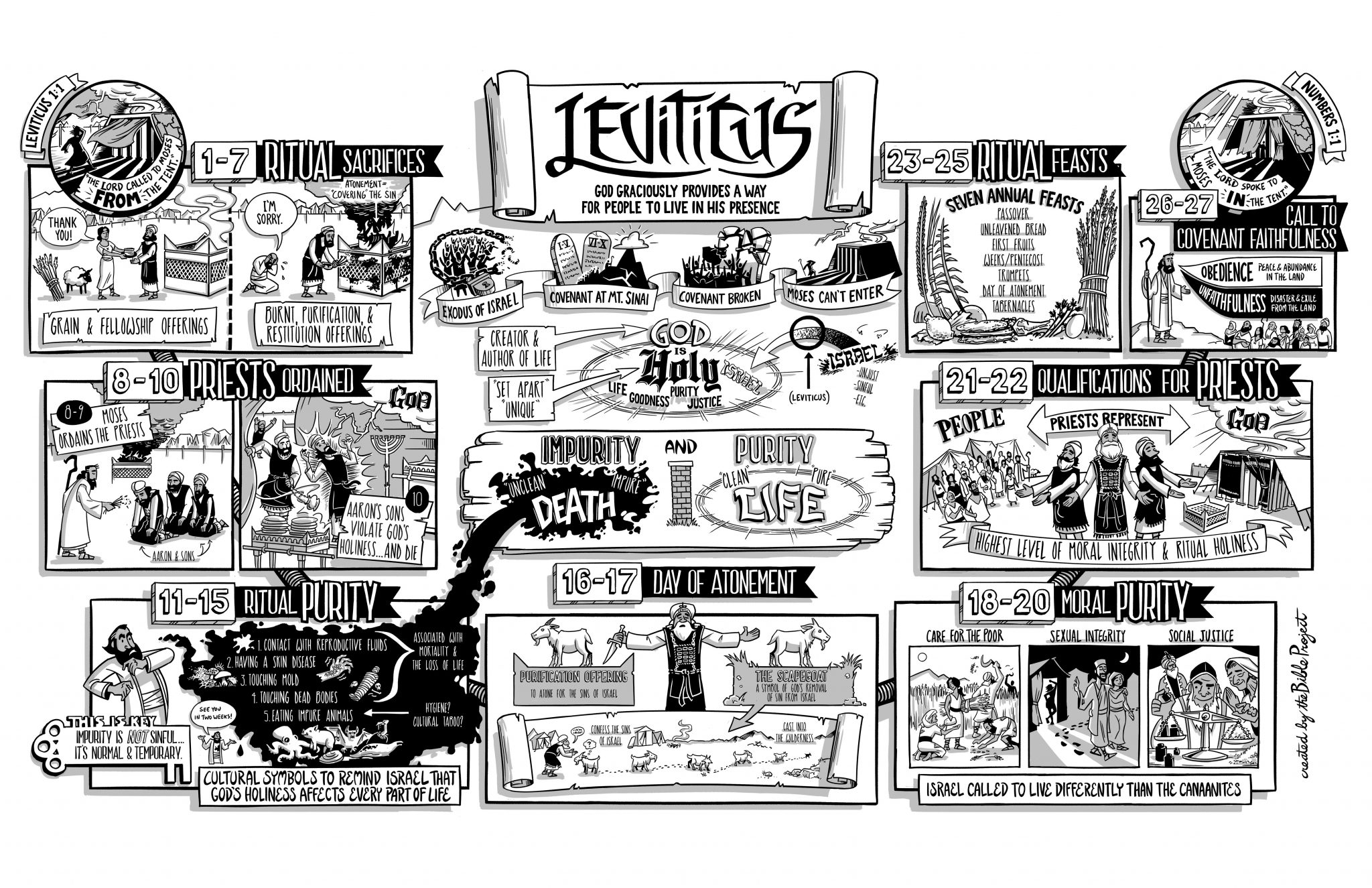
- Overview (includes the following subsections) - Click the chart above for summary of the entire book = Video book of Leviticus; Read Leviticus
- Author & Date
- Themes & Background
- Genre & Setting
- Interpretation
- Outline
- Teaching & Preaching
- Introduction Commentary
- Leviticus 1 Commentary
- Leviticus 2 Commentary
- Leviticus 3 Commentary
- Leviticus 4 Commentary
- Leviticus 5 Commentary
- Leviticus 6 Commentary
- Leviticus 7 Commentary
- Leviticus 8 Commentary
- Leviticus 9 Commentary
- Leviticus 10 Commentary
- Leviticus 11 Commentary
- Leviticus 12 Commentary
- Leviticus 13 Commentary
- Leviticus 14 Commentary
- Leviticus 15 Commentary
- Leviticus 16 Commentary
- Leviticus 17 Commentary
- Leviticus 18 Commentary
- Leviticus 19 Commentary
- Leviticus 20 Commentary
- Leviticus 21 Commentary
- Leviticus 22 Commentary
- Leviticus 23 Commentary
- Leviticus 24 Commentary
- Leviticus 25 Commentary
- Leviticus 26 Commentary
- Leviticus 27 Commentary
The following sermons may also be found on this index page (note you may need to go to bottom and move to the next page)
- Leviticus 1 Drawing Near Through Death: The Burnt Offering
- Leviticus 2 In Defense of Carbohydrates: The Grain Offering
- Leviticus 3:1-17 The Sacrifice of Peace: The Fellowship Offering
- Leviticus 4 But I Didn't Mean To: The Unintentional Sin Offering
- Leviticus 5:14-6:7 Dealing With Guilt Evangelically Dr. Derek Thomas
- Leviticus 6:8-13 The Burnt Offering (1)
- Leviticus 6:14-18 Priestly Pay: The Priest's Portion of the Grain Offering
- Leviticus 6:19-23 Burnt Bread: The Grain Offering
- Leviticus 6:24-30 Slain Before The Lord: The Sin Offering
- Leviticus 7:1-10 Blood on the Altar
- Leviticus 7:11-38 The Wave: The Fellowship Offering
- Leviticus 8:1-36 Set Apart for Service: Moses Ordains the Priests
- Leviticus 9:1-24 Aaron and His Sons Complete the Ceremonies
- Leviticus 10:1-11 The Strange Tale of Nadab and Abihu
- Leviticus 10:12-20 A Little Thick: Aaron's Sons Sin Again
- Leviticus 11:1-4 The South Sinai Diet
- Leviticus 12:1-18 Defiled by Delivery
- Leviticus 13:1-59 Dealing with Uncleanness - Why is this in the Bible?
- Leviticus 14:1-57 Amazing Remedies
- Leviticus 15:1-33 Things My Dad Taught Me Never to Talk About in Public
- Leviticus 16:1-34 “Yom Kippur: The Day of Atonement”
- Leviticus 17:1-17 Power in the Blood
- Leviticus 18:1-30 Immoral Sexual Behavior Condemned - Sexual Purity in a Sex-Crazed World
- Leviticus 19:1-37 Doing the Right Thing to Pagans and Strangers
- Leviticus 20:1-27 Capital Crimes and Consequences: Getting Radical in Response to Sin
- Leviticus 21 The Moral Demands on the Ministry
- Leviticus 22:1-33 The Lord Who Makes Us Holy
- Leviticus 23:1-44 Holy Assemblies: Feasting Unto The Lord
- Leviticus 24:1-9 Oil and Loaves: An Everlasting Covenant
- Leviticus 24:10-23 Blasphemy and an Eye for an Eye: The Lex Talionis
- Leviticus 25:1-7 Rest for the Land
- Leviticus 25:8-55 Jubilee - Freedom!
- Introduction Commentary
- Leviticus 1 Commentary
- Leviticus 2 Commentary
- Leviticus 3 Commentary
- Leviticus 4 Commentary
- Leviticus 5 Commentary
- Leviticus 6 Commentary
- Leviticus 7 Commentary
- Leviticus 8 Commentary
- Leviticus 9 Commentary
- Leviticus 10 Commentary
- Leviticus 11 Commentary
- Leviticus 12 Commentary
- Leviticus 13 Commentary
- Leviticus 14 Commentary
- Leviticus 15 Commentary
- Leviticus 16 Commentary
- Leviticus 17 Commentary
- Leviticus 18 Commentary
- Leviticus 19 Commentary
- Leviticus 20 Commentary
- Leviticus 21 Commentary
- Leviticus 22 Commentary
- Leviticus 23 Commentary
- Leviticus 24 Commentary
- Leviticus 25 Commentary
- Leviticus 26 Commentary
- Leviticus 27 Commentary
- Recommended
- Table of Contents
Warren Wiersbe one of the most respected modern commentators wrote: If you can locate the six-volume edition of the Expositor’s Bible, buy it immediately! It takes up less space than the original fifty-volume set, and not everything in the original set is worth owning. Samuel H. Kellogg on Leviticus is a classic; so is Alexander Maclaren on the Psalms and on Colossians.
James Rosscup - This lucid broader work is one of the best theologically on Leviticus. It deals perceptively with some questions not touched upon by Bonar. However, it is weak on application.
Cyril J. Barber in The Minister’s Library wrote: This set, originally published in 1903, contains expositions by both conservative and liberal theologians. The most important works are by Dod (Genesis), Chadwick (Exodus and Mark), Kellogg (Leviticus), Blaikie (Joshua, I and II Samuel), Adeney (Ezra, Nehemiah and Esther), Maclaren (Psalms), Moule (Romans), Findlay (Galatians and Ephesians), Plummer (Pastoral Epistles and the Epistles of James and Jude), and Milligan (Revelation.)
- Leviticus 1:1 Introductory
- Leviticus 1:2-4 Sacrifice: The Burnt Offering
- Leviticus 1:5-17; 6:8-13 The Burnt Offering Concluded
- Leviticus 1:6-9 The Sacrificial Burning Leviticus 1:6-9; 1:10-13; 1:14-17
- Leviticus 1:10-13 The Sacrificial Burning
- Leviticus 1:14-17 The Sacrificial Burning
- Leviticus 2:1-16; 6:14-23 The Meal-Offering Lev 2:1-16; 6:14-23
- Leviticus 3:1-17 The Peace Offering Lev 3:1-17; 7:11-34; 19:5-8;22:21-25
- Leviticus 3:16-17 The Prohibition of Fat and Blood Lev 3:16-17; 7:22-27;17:10-16
- Leviticus 4:1-35 The Sin Offering Lev 4:4-35; 5:1-13; 6:24-30
- Leviticus 4:3 Graded Responsibility
- Leviticus 4:4-35 The Ritual of the Sin Offering
- Leviticus 4:6-7 The Sprinkling of Blood
- Leviticus 4:8-12 The Eating and Burning of the Sin Offering Without the Camp
- Leviticus 4:13-14 Graded Responsibility
- Leviticus 4:16-18 The Sprinkling of Blood
- Leviticus 4:19-21 The Eating and Burning of the Sin Offering Without the Camp
- Leviticus 4:22-23 Graded Responsibility
- Leviticus 4:25 The Sprinkling of Blood
- Leviticus 4:26 The Eating and Burning of the Sin Offering Without the Camp
- Leviticus 4:27-28 Graded Responsibility
- Leviticus 4:30 The Sprinkling of Blood
- Leviticus 4:31 The Eating and Burning of the Sin Offering Without the Camp
- Leviticus 5:1-13 The Ritual of the Sin Offering
- Leviticus 6:7 The Guilt Offering Lev 5:14; 6:7; 7:1-7
- Leviticus 6:8-13 The Continual Burnt Offering
- Leviticus 6:14-23 The Daily Meal Offering
- Leviticus 6:16-18 The Priests Portions Lev 6:16-18; 7:6-10; 7:14;7:31-36
- Leviticus 6:24-30 The Sanctity of the Sin Offering
- Leviticus 7 The Guilt Offering Leviticus 5:14; 6:7; 7:1-7
- Leviticus 7:11-21 Thank Offerings, Vows, and Freewill Offerings
- Leviticus 7:11-34 The Peace Offering Lev 3:1-17; 7:11-34; 19:5-8;22:21-25
- Leviticus 8:1-36 The Consecration of Aaron and His Sons and of the Tabernacle
- Leviticus 9 - The Inauguration of the Tabernacle Service
- Leviticus 9:7-21 - The Order of Offerings
- Leviticus 9:22-24 The Double Benediction
- Leviticus 10:1-20 Nadab's and Abihu's Strange Fire
- Leviticus 10:4-7 Mourning in Silence
- Leviticus 10:8-20 Carefulness After Judgment
- Leviticus 11:1-47 Clean and Unclean…
- Leviticus 12:1-8 The Uncleanness of Child Bearing
- Leviticus 12:3 The Ordinance of Circumcision
- Leviticus 12:4-8 Purification After Child Birth
- Leviticus 13:1-46 The Uncleanness of Leprosy
- Leviticus 13:47-59 The Leprosy in a Garment or House Lev 13:47-59; 14:33-53
- Leviticus 14:1-32 The Cleansing of the Leper
- Leviticus 15:1-33 Of the Uncleanness of Issues
- Leviticus 16:1-34 The Great Day of Atonement
- Leviticus 16:20-28 Azazel
- Leviticus 17:1-16 Holiness in Eating
- Leviticus 18:1-30 The Law of Holiness: Chastity
- Leviticus 19:1-37 The Law of Holiness (concluded)
- Leviticus 20:1-27 Penal Sanctions
- Leviticus 21:1-22:33 The Law of Priestly Holiness
- Leviticus 22:1-33 The Law of Priestly Holiness
- Leviticus 22:21-25 The Peace Offering
- Leviticus 23:1-3 The Weekly Sabbath
- Leviticus 23:1-44 The Set Feasts of the Lord
- Leviticus 23:4-14 The Feast of Passover and Unleavened Bread
- Leviticus 23:15-21 The Feast of Pentecost
- Leviticus 23:23-25 The Feast of Trumpets
- Leviticus 23:26-32 The Day of Atonement
- Leviticus 23:23-25 The Feast of Tabernacles
- Leviticus 23 Typical Meaning of the Feasts of the Seventh Month - scroll to bottom
- Leviticus 24:1-23 The Holy Light and the Shew-Bread…
- Leviticus 24:1-4 The Ordering of the Light in the Holy Place
- Leviticus 24:5-9 The Bread of the Presence
- Leviticus 24:5-9 The Penalty of Blasphemy
- Leviticus 25:1-55 The Sabbatical Year and the Jubilee
- Leviticus 25:8-12 The Jubilee
- Leviticus 25:13-28 The Jubilee and the Land
- Leviticus 25:13-28 The Jubilee and Dwelling Houses
- Leviticus 25:13-28 The Jubilee and Slavery
- Leviticus 25 Practical Objects of the Sabbatic Year and Jubilee Law - scroll down
- Leviticus 25 Typical Significance of the Sabbatic and Jubilee Years - scroll down
- Leviticus 26:1-46 The Promises and Threats of the Covenant
- Leviticus 26:1-46 The Promises of the Covenant
- Leviticus 26:14-46 The Vengeance of the Covenant
- Leviticus 26:30-33 The Law of the Tithe
- Leviticus 26:40-45 The Promised Restoration
- Leviticus 27:1-34 Concerning Vows - The Vowing of Persons
- Leviticus 27:14-25 Of The Vowing of Houses and Fields
- Leviticus 27:14-25 Exclusions from the Vow
- Leviticus 27:28-29 The Law of the Ban
- Leviticus: God Demands and Gives Holiness
- Leviticus 1:1-9 How can a sinner come to God
- Leviticus 1:4-5 He shall put his hand upon The Head
- Leviticus 1:5 He Shall Kill the Bullock
- Leviticus 1:14-17 Turtledoves Or Pigeons
- Leviticus 1:10-17 Sacrifices of the Poor
- Leviticus 2:12-16 The Oblation Of The Firstfruits
- Leviticus 2 The Meat Offerings Sacrifices Of Thanksgiving
- Leviticus 3:1-17 The Peace Offerings
- Leviticus 3:1-17 Things Pertaining To Peace
- Leviticus 4:33 He Shall Lay His Hand Upon The Head Of The Sin Offering
- Leviticus 4:1-35 Christ The Sin Offering
- Leviticus 5:1-6:7 The Trespass Offering
- Leviticus 5:15-16 and 6:2-7 Restitution Made
- Leviticus 6:24-30 The Sacrifice That Could Not Be Eaten
- Leviticus 6:14-23 God's People - God's Priests
- Leviticus 6:8-13 The Fire Shall Ever Be Burning
- Leviticus 6:8-7:15 It Is Most Holy.
- Leviticus 7:1-10 The Priests' Portion
- Leviticus 7:1-10 There Is One Law
- Leviticus 7:11-38 The Law Of The Consecrations
- Leviticus 8:1-36 A Holy Priesthood
- Leviticus 8:14-15, Leviticus 8:1-36 The Efficacy Of The Blood
- Leviticus 8:8 The Urim And The Thummim
- Leviticus 8:6-9 The Glory And Beauty Of Our Priest
- Leviticus 8:14-15, Leviticus 8:1-36 The Efficacy Of The Blood
- Leviticus 8:1-36 The Thing Which The Lord Commanded
- Leviticus 8:1-36 An Holy Priesthood
- Leviticus 9:22-24 The Revelation Of God's Glory
- Leviticus 9:1-10:7 On The Eighth Day
- Leviticus 10:1-3 Strange Fire
- Leviticus 10:1-11 When Ye Go Into The Tabernacle Or Things Necessary In The Worship Of God
- Leviticus 10:1-20 Nadab And Abihu Lessons In The Worship Of God
- Leviticus 11:1-47 A Possessed People
- Leviticus 12:1-8 Fallen Man-An Unclean Thing
- Leviticus 13:1-59 He Who Has The Plague Is Clean
- Leviticus 13:1-14:57 The Law For Leprosy
- Leviticus 14:1-57 In The Day Of His Cleansing
- Leviticus 15:1-33 Something Worse Than Leprosy
- Leviticus 16:17 The Day Of Atonement
- Leviticus 17:1-16 It Is The Blood!
- Leviticus 18:1-30 Abominable Customs
- Leviticus 19:1-37 Ye Shall Be Holy
- Leviticus 20:1-27 A Severed People
- Leviticus 21:1-24 God's Priests And God's Priest
- Leviticus 22:31-33 Divine Worship
- Leviticus 22:31-33 Seven Links In The Chain Of Grace
- Leviticus 22:21 Perfect, Yet Vile"
- Leviticus 22:21 It Shall Be Perfect To Be Accepted
- Leviticus 22:1-33 Profane Not My Holy Name
- Leviticus 23:1-44," The Feasts Of The Lord
- Leviticus 23:1-3 The Sabbath Of Rest
- Leviticus 23:4-5 The Lord's Passover
- Leviticus 23:6-8 The Feast of Unleavened Bread
- Leviticus 23:9-14 The Feast of Firstfruits
- Leviticus 23:15-22 The Feast of Pentecost
- Leviticus 23:23-25 The Feast of Trumpets
- Leviticus 23:26-32 The Feast of Atonement
- Leviticus 23:33-44 The Feast of Tabernacles
- Leviticus 24:1-4 The Golden Candlestick
- Leviticus 24:5-9 The Table of Showbread
- Leviticus 24:10-13 The Name
- Leviticus 25:1-55 The Year of Jubilee (Play Michael Card's great song - Year of Jubilee)
- Leviticus 25:1-7, 18-22 The Sabbath that Remains
- Leviticus 25:18-22 Is it really safe to trust
- Leviticus 23:23-34 Strangers and Sojourners
- Leviticus 25:25-55 Christ Our Kinsman Redeemer
- Leviticus 25:35-55 God's Slaves
- Leviticus 26:1-46 A Blessing and A Curse
- Leviticus 26:1-14 The New and the Old
- Leviticus 26:1-4 The Sabbath and the Sanctuary
- Leviticus 27:1-34 A Call for Voluntary Consecration
- Israelology: Part 1 of 6 Introduction: Definition of Terms
- Israelology: Part 2 of 6 Israel Present (Note: Article begins on Page 2)
- Israelology: Part 3 of 6 Israel Present (Continued)
- Israelology: Part 4 of 6 - Israel Future (Part One)
- Israelology: Part 5 of 6 - Israel Future (Part Two)
- Israelology: Part 6 of 6 Other Relevant Topics - Illustrations of Israel (including marriage)
- Introduction Commentary
- Leviticus 1 Commentary
- Leviticus 2 Commentary
- Leviticus 3 Commentary
- Leviticus 4 Commentary
- Leviticus 5 Commentary
- Leviticus 6 Commentary
- Leviticus 8 Commentary
- Leviticus 9 Commentary
- Leviticus 10 Commentary
- Leviticus 11 Commentary
- Leviticus 12 Commentary
- Leviticus 13 Commentary
- Leviticus 14 Commentary
- Leviticus 15 Commentary
- Leviticus 16 Commentary
- Leviticus 17 Commentary
- Leviticus 18 Commentary
- Leviticus 19 Commentary
- Leviticus 20 Commentary
- Leviticus 21 Commentary
- Leviticus 22 Commentary
- Leviticus 23 Commentary
- Leviticus 24 Commentary
- Leviticus 25 Commentary
- Leviticus 26 Commentary
- Leviticus 27 Commentary
- Introduction Commentary
- Leviticus 1 Commentary
- Leviticus 2 Commentary
- Leviticus 3 Commentary
- Leviticus 4 Commentary
- Leviticus 5 Commentary
- Leviticus 6 Commentary
- Leviticus 7 Commentary
- Leviticus 8 Commentary
- Leviticus 9 Commentary
- Leviticus 10 Commentary
- Leviticus 11 Commentary
- Leviticus 12 Commentary
- Leviticus 13 Commentary
- Leviticus 14 Commentary
- Leviticus 15 Commentary
- Leviticus 16 Commentary
- Leviticus 17 Commentary
- Leviticus 18 Commentary
- Leviticus 19 Commentary
- Leviticus 20 Commentary
- Leviticus 21 Commentary
- Leviticus 22 Commentary
- Leviticus 23 Commentary
- Leviticus 24 Commentary
- Leviticus 25 Commentary
- Leviticus 26 Commentary
- Leviticus 27 Commentary
- Leviticus 1 Commentary
- Leviticus 2 Commentary
- Leviticus 3 Commentary
- Leviticus 4 Commentary
- Leviticus 5 Commentary
- Leviticus 6 Commentary
- Leviticus 7 Commentary
- Leviticus 8 Commentary
- Leviticus 9 Commentary
- Leviticus 10 Commentary
- Leviticus 11 Commentary
- Leviticus 12 Commentary
- Leviticus 13 Commentary
- Leviticus 14 Commentary
- Leviticus 15 Commentary
- Leviticus 16 Commentary
- Leviticus 17 Commentary
- Leviticus 18 Commentary
- Leviticus 19 Commentary
- Leviticus 20 Commentary
- Leviticus 21 Commentary
- Leviticus 22 Commentary
- Leviticus 23 Commentary
- Leviticus 24 Commentary
- Leviticus 25 Commentary
- Leviticus 26 Commentary
- Leviticus 27 Commentary
- What was the purpose of the Levitical Law?
- How did Jesus fulfill the meanings of the Jewish feasts?
- Do Christians have to obey the Old Testament law?
- What is the JEDP Theory?
- What is the documentary hypothesis?
- Why did God require animal sacrifices in the Old Testament?
- What does the Bible mean when it says something is unclean?
- What is the difference between the ceremonial law, the moral law, and the judicial law in the Old Testament?
- Does God view unintentional sin differently?
- Why would the aroma of a sacrifice be important to God?
- Why did the time period of being unclean end in the evening?
- What is a grain offering?
- What is a burnt offering?
- What is a peace offering?
- What is a wave offering?
- What is a heave offering?
- What was the firstfruits offering? Should Christians give a firstfruits offering today?
- Why were the people guilty for a priest’s sin?
- Why was the fire in the altar to burn continuously (Leviticus 6:13)?
- What is the Day of Atonement (Yom Kippur)?
- Who were Nadab and Abihu?
- What is the meaning of the strange fire in Leviticus 10:1?
- Why was it bad that Aaron and his sons burned the sin offering in Leviticus 10:16–20?
- What does the Bible say about what foods we should eat?
- Why does the Bible say that rabbits chew the cud? Is this an error in the Bible?
- What laws were given to Israel in exact response to pagan practices?
- Is it wrong to have a relationship with a close relative?
- Does God hate shrimp?
- What does the Bible mean by "an eye for an eye"?
- What were the Urim and Thummim?
- Why were non-Israelites allowed to participate in the sacrificial system?
- Why does the Bible speak against wearing clothing made of different types of fabric?
- Did the high priest have a rope tied to him when he entered the Holy of Holies?
- Does the Bible really say that parents should have their rebellious children stoned?
- Didn’t the Old Testament punish blasphemy with death? How is that different from radical Islam?
- How did the Israelites deny themselves in Leviticus 23:27?
- What is a sabbatical year?
- What was a sacred stone in Leviticus?
- Why was the redemption price for men and women different in Leviticus 27:3–8?
- See discussion of the fulfillment of this Old Testament shadow in the Messiah rendering Himself (literally "His soul") as a guilt offering in commentary notes on Isaiah 53:10.
- Leviticus 1 Commentary
- Leviticus 2 Commentary
- Leviticus 3 Commentary
- Leviticus 4 Commentary
- Leviticus 5 Commentary
- Leviticus 6 Commentary
- Leviticus 7 Commentary
- Leviticus 8 Commentary
- Leviticus 9 Commentary
- Leviticus 10 Commentary
- Leviticus 11 Commentary
- Leviticus 12 Commentary
- Leviticus 13 Commentary
- Leviticus 14 Commentary
- Leviticus 15 Commentary
- Leviticus 16 Commentary
- Leviticus 17 Commentary
- Leviticus 18 Commentary
- Leviticus 19 Commentary
- Leviticus 20 Commentary
- Leviticus 21 Commentary
- Leviticus 22 Commentary
- Leviticus 23 Commentary
- Leviticus 24 Commentary
- Leviticus 25 Commentary
- Leviticus 26 Commentary
- Leviticus 27 Commentary
- Introduction Commentary
- Leviticus 1 Commentary
- Leviticus 2 Commentary
- Leviticus 3 Commentary
- Leviticus 4 Commentary
- Leviticus 5 Commentary
- Leviticus 6 Commentary
- Leviticus 7 Commentary
- Leviticus 8 Commentary
- Leviticus 9 Commentary
- Leviticus 10 Commentary
- Leviticus 11 Commentary
- Leviticus 12 Commentary
- Leviticus 13 Commentary
- Leviticus 14 Commentary
- Leviticus 15 Commentary
- Leviticus 16 Commentary
- Leviticus 17 Commentary
- Leviticus 18 Commentary
- Leviticus 19 Commentary
- Leviticus 20 Commentary
- Leviticus 21 Commentary
- Leviticus 22 Commentary
- Leviticus 23 Commentary
- Leviticus 24 Commentary
- Leviticus 25 Commentary
- Leviticus 26 Commentary
- Leviticus 27 Commentary
- Introduction Commentary
- Leviticus 1 Commentary
- Leviticus 2 Commentary
- Leviticus 3 Commentary
- Leviticus 4 Commentary
- Leviticus 5 Commentary
- Leviticus 6 Commentary
- Leviticus 7 Commentary
- Leviticus 8 Commentary
- Leviticus 9 Commentary
- Leviticus 10 Commentary
- Leviticus 11 Commentary
- Leviticus 12 Commentary
- Leviticus 13 Commentary
- Leviticus 14 Commentary
- Leviticus 15 Commentary
- Leviticus 16 Commentary
- Leviticus 17 Commentary
- Leviticus 18 Commentary
- Leviticus 19 Commentary
- Leviticus 20 Commentary
- Leviticus 21 Commentary
- Leviticus 22 Commentary
- Leviticus 23 Commentary
- Leviticus 24 Commentary
- Leviticus 25 Commentary
- Leviticus 26 Commentary
- Leviticus 27 Commentary
Almost 700 pages of sermon material!
- Leviticus Introduction
- Leviticus 1:1-17:16 Introduction
- Leviticus 1:1-3:17.
- Leviticus 4:1-5:13
- Leviticus 5:14 - 19
- Leviticus 6:1-7
- Leviticus 6:8-18 (Not available)
- Leviticus 6:19-23
- Leviticus 6:24-7:21
- Leviticus 7:22-27
- Leviticus 7:28-36
- Summary Notes on Leviticus 7:37-38
- Leviticus 8:1 - 9:24
- Leviticus 10:1-7
- Leviticus 10:8-11
- Leviticus 10:12-20
- Leviticus 11:1-47
- Leviticus 12:1-8
- Leviticus 13:1-59
- Leviticus 14:1-32
- Leviticus 14:33-53 (Not available)
- Summary Notes on Leviticus 14:54-57
- Leviticus 15:1-33
- Leviticus 16:1-34
- Leviticus 17:1-16
- Introduction to Section II - Leviticus 18 - 20
- Leviticus 18:1-30
- Leviticus 19:1-37
- Leviticus 20:1-27
- Introduction to Section III - Leviticus 21:1-24:9
- Leviticus 21:1-15
- Leviticus 21:16-24
- Leviticus 22:1-16
- Leviticus 22:17-25
- Leviticus 22:26-33
- Leviticus 23:1-8
- Leviticus 23:9-22
- Leviticus 23:23-25
- Leviticus 23:26-32
- Leviticus 23:33-44
- Leviticus 24:1-9
- Leviticus 24:10-23
- Leviticus 24:1-9
- Introduction to Section IV - Leviticus 24:10-23
- Leviticus 24:10-23 (Not available)
- Introduction to Section V - Leviticus 25:1-27:34
- Leviticus 25:1 - 26:46
- Leviticus 27:1-34
Dr Johnson cautions - "There is a danger, and we all know that, of having an overactive imagination when we come to biblical typology. And, frequently, things that Bible students see in the New Testament as reflective of the Old Testament are things that it is very difficult to see. And so we have been taught to be very careful when we’re talking about typology." (David, Mephibosheth and Unmerited Grace)
- Leviticus 1:1-17 The Burnt Offering
- Leviticus 2:1-16 The Meal Offering
- Leviticus 3:1-17 The Peace Offering
- Leviticus 4:1-35 The Sin Offering
- Leviticus 5:14 - 6:7 The Trespass Offering
- Leviticus 8:1-36 Aaron and Christ, or the Typology of the Priesthood
- Leviticus 10:1-11 The Strange Fire of Nadab and Abihu
- Leviticus 13:45,48 The Law of the Leper’s Cleansing
- Leviticus 16:1-15 The Day of Atonement – I
- Leviticus 16:20-23 The Day of Atonement – II
- Leviticus 23 The Feasts of Jehovah
- Leviticus 25:25,47-55 Christ, Our Kinsman Redeemer
Spurgeon's comment: A very condensed, instructive, refreshing book. It will open up new trains of thought to those unversed in the teaching of the types.
Rosscup: This famous work deals exclusively with Leviticus 1–7, explaining the offerings and the laws regulating them. Devotional in character.
Spurgeon's comment: Keil’s works are valuable helps towards obtaining the meaning of the text; but for spiritual reflections and fruitful hints we must look elsewhere. A work for the learned. It has received the highest commendations from competent scholars. But it is somewhat dull and formal.
James Rosscup - This is the best older, overall treatment of a critical nature on the Old Testament Hebrew text verse by verse and is a good standard work to buy. The student can buy parts or the whole of this series. Sometimes it is evangelical, at other times liberal ideas enter.
- Introduction Commentary
- Leviticus 1 Commentary
- Leviticus 2 Commentary
- Leviticus 3 Commentary
- Leviticus 4 Commentary
- Leviticus 5 Commentary
- Leviticus 6 Commentary
- Leviticus 7 Commentary
- Leviticus 8 Commentary
- Leviticus 9 Commentary
- Leviticus 10 Commentary
- Leviticus 11 Commentary
- Leviticus 12 Commentary
- Leviticus 13 Commentary
- Leviticus 14 Commentary
- Leviticus 15 Commentary
- Leviticus 16 Commentary
- Leviticus 17 Commentary
- Leviticus 18 Commentary
- Leviticus 19 Commentary
- Leviticus 20 Commentary
- Leviticus 21 Commentary
- Leviticus 22 Commentary
- Leviticus 23 Commentary
- Leviticus 24 Commentary
- Leviticus 25 Commentary
- Leviticus 26 Commentary
- Leviticus 27 Commentary
Lutheran Perspective
- Introduction Commentary
- Leviticus 1 Commentary
- Leviticus 2 Commentary
- Leviticus 3 Commentary
- Leviticus 4 Commentary
- Leviticus 5 Commentary
- Leviticus 6 Commentary
- Leviticus 7 Commentary
- Leviticus 8 Commentary
- Leviticus 9 Commentary
- Leviticus 10 Commentary
- Leviticus 11 Commentary
- Leviticus 12 Commentary
- Leviticus 13 Commentary
- Leviticus 14 Commentary
- Leviticus 15 Commentary
- Leviticus 16 Commentary
- Leviticus 17 Commentary
- Leviticus 18 Commentary
- Leviticus 19 Commentary
- Leviticus 20 Commentary
- Leviticus 21 Commentary
- Leviticus 22 Commentary
- Leviticus 23 Commentary
- Leviticus 24 Commentary
- Leviticus 25 Commentary
- Leviticus 26 Commentary
- Leviticus 27 Commentary
- Introduction
- Outline
- Preliminary Note on Sacrifices
- Leviticus 1 Commentary
- Leviticus 2 Commentary
- Leviticus 3 Commentary
- Leviticus 4 Commentary
- Leviticus 5 Commentary
- Leviticus 6 Commentary
- Leviticus 7 Commentary
- Preliminary Notes on Priesthood Commentary
- Leviticus 8 Commentary
- Leviticus 9 Commentary
- Leviticus 10 Commentary
- The Laws of Purity Commentary
- Leviticus 11 Commentary
- Leviticus 12 Commentary
- Leviticus 13 Commentary
- Leviticus 14 Commentary
- Leviticus 15 Commentary
- Leviticus 16 Day of Atonement Commentary
- Leviticus 17 Commentary
- Leviticus 18 Commentary
- Leviticus 19 Commentary
- Leviticus 20 Commentary
- Leviticus 21 Commentary
- Leviticus 22 Commentary
- Leviticus 23 Commentary
- Leviticus 24 Commentary
- Leviticus 25 Commentary
- Leviticus 26 Commentary
- Leviticus 27 - Of Vows Commentary
Another Source:
Mackintosh, a Plymouth Brethren, was a gifted teacher and writer. D L Moody said that "it was C. H. Mackintosh who had the greatest influence" upon his learning of the Word of God. One of his most respected works was Notes on the Pentateuch. Further biographical Note
- Introduction Commentary
- Leviticus 1 Commentary
- Leviticus 2 Commentary
- Leviticus 3 Commentary
- Leviticus 4 Commentary
- Leviticus 5 Commentary
- Leviticus 8 Commentary
- Leviticus 10 Commentary
- Leviticus 11 Commentary
- Leviticus 12 Commentary
- Leviticus 13 Commentary
- Leviticus 15 Commentary
- Leviticus 16 Commentary
- Leviticus 17 Commentary
- Leviticus 18 Commentary
- Leviticus 21 Commentary
- Leviticus 23 Commentary
- Leviticus 24 Commentary
- Leviticus 25 Commentary
- Leviticus 26 Commentary
- Leviticus 27 Commentary
- Leviticus 1:1-9 The Burnt Offering as a Picture and a Prophecy
- Leviticus 10:1-11 Strange Fire
- Leviticus 14:1-7: The First Stage in the Leper's Cleansing
- Leviticus 16:1-19: The Day of Atonement
- Leviticus 16:22: The Scapegoat (Picture)
- Leviticus 23:33-44 The Consecration of Joy
- Leviticus 25:23: Sojourners with God
- Leviticus 25:42: God's Slaves
- Leviticus 25:48: The Kinsman Redeemer
- Leviticus 26:10: The Old Store and the New
- Leviticus 26:13 Emancipated Slaves
Mp3 Audio - Click to listen or Right click and select "Save Target as"
- Complete Book of Leviticus (144 MB) - 130 tracks on one file = listening time of 11 hrs 8 minutes
- Book of Leviticus on 130 individual files
- Introduction Commentary
- Leviticus 1 Commentary
- Leviticus 2 Commentary
- Leviticus 3 Commentary
- Leviticus 4 Commentary
- Leviticus 5 Commentary
- Leviticus 6 Commentary
- Leviticus 7 Commentary
- Leviticus 8 Commentary
- Leviticus 9 Commentary
- Leviticus 10 Commentary
- Leviticus 11 Commentary
- Leviticus 12 Commentary
- Leviticus 13 Commentary
- Leviticus 14 Commentary
- Leviticus 15 Commentary
- Leviticus 16 Commentary
- Leviticus 17 Commentary
- Leviticus 18 Commentary
- Leviticus 19 Commentary
- Leviticus 20 Commentary
- Leviticus 21 Commentary
- Leviticus 22 Commentary
- Leviticus 23 Commentary
- Leviticus 24 Commentary
- Leviticus 25 Commentary
- Leviticus 26 Commentary
- Leviticus 27 Commentary
- Leviticus 1:9
- Leviticus 2:1
- Leviticus 3:1
- Leviticus 4:2
- Leviticus 5:5-6
- Leviticus 6:13
- Leviticus 7:19
- Leviticus 8:33
- Leviticus 9:22
- Leviticus 10:3
- Leviticus 11:3
- Leviticus 12:8
- Leviticus 13:13
- Leviticus 14:7
- Leviticus 15:7
- Leviticus 16:22
- Leviticus 17:11
- Leviticus 18:30
- Leviticus 19:2
- Leviticus 19:9-18
- Leviticus 20:26
- Leviticus 21:8
- Leviticus 22:4
- Leviticus 23:27
- Leviticus 24:4-8
- Leviticus 25:25
- Leviticus 26:6
- Leviticus 27:28
Another work by F B Meyer
THROUGH THE BIBLE COMMENTARY
- Introduction Commentary
- Leviticus 1 Commentary
- Leviticus 2 Commentary
- Leviticus 3 Commentary
- Leviticus 4 Commentary
- Leviticus 5 Commentary
- Leviticus 6 Commentary
- Leviticus 7 Commentary
- Leviticus 8 Commentary
- Leviticus 9 Commentary
- Leviticus 10 Commentary
- Leviticus 11 Commentary
- Leviticus 12 Commentary
- Leviticus 13 Commentary
- Leviticus 14 Commentary
- Leviticus 16 Commentary
- Leviticus 17 Commentary
- Leviticus 23 Commentary
- Leviticus 24 Commentary
- Leviticus 25 Commentary
- Leviticus 26 Commentary
- See Dr Barrick's list above
- Best Commentary on Leviticus - Best Commentaries Reviews
- Top 5 Commentaries on the Book of Leviticus by Keith Mathison (Ligonier)
- Best Commentaries on Leviticus - Tim Challies
- The following table is from James Rosscup's excellent resource Commentaries for Biblical Expositors.
| LEVITICUS COMMENTARIES RANKED BY GENRE |
||
| DETAILED EXEGETICAL |
EXPOSITIONAL SURVEY |
DEVOTIONAL FLAVOR |
|
1. M. Rooker |
1. R. L. Harris |
1. A. Bonar |
- Search 38 Theological Journal Articles at Galaxie.com - there is a fee of $5 month or $50 per year. (content is updated annually so that most recent volumes are available - latest update Nov 1, 2018).
- Leviticus Bibliography by Ted Hildebrandt - Exhaustive! 108 pages of references updated 2004! Indexed by author's last name.
Following Journal Articles Are Free Online
- Robert Helm, "Azazel in Early Jewish Tradition," Andrews University Seminary Studies 32.3 (Autumn 1994) 217-26.
- K.C. Hason, "Blood and Purity in Leviticus and Revelation," originally published in Listening: Journal of Religion and Culture 28 (1993) 215-30.
- Lewis B. Paton, "The Holiness-Code and Ezekiel," The Presbyterian and Reformed Review 26 (1896) 98-115.
Defender's Study Bible - Excellent, conservative, literal study Bible notes from a leading Creationist. Click links below for notes available on each chapter - Study Notes are in the right hand margin:
- ESV Study Bible -
- ESV MacArthur Study Bible - $ for lifetime online access
Comment: These online resources allow one to view both the MacArthur Study Bible Notes & ESV Study Bible Notes at the same time & both synchronize with the Scripture! Very nice tool but note that purchase is required. Includes online ESV audio version.
- Theology of Leviticus - Baker's Evangelical Dictionary of Biblical Theology
- Type, Typology - Baker's Evangelical Dictionary of Biblical Theology
- Offerings and Sacrifices - Baker's Evangelical Dictionary of Biblical Theology
- Priest, Priesthood - Baker's Evangelical Dictionary of Biblical Theology
- American Church Dictionary Feasts or festivals
- Bridgeway Bible Dictionary Festivals
- Baker Evangelical Dictionary Moon, New, Festival of Feasts and Festivals of Israel
- Holman Bible Dictionary Festivals
- Smith Bible Dictionary Festivals
- International Standard Bible Encyclopedia Festival
- Kitto Biblical Cyclopedia Festivals
- The Jewish Encyclopedia Festivals
- American Tract Society Leviticus
- Bridgeway Bible Dictionary Leviticus
- Chabad Knowledge Base Leviticus
- Easton's Bible Dictionary Leviticus
- Fausset Bible Dictionary Leviticus
- Holman Bible Dictionary Leviticus
- Hastings' Dictionary of the Bible Leviticus
- Hawker's Poor Man's Dictionary Leviticus
- Watson's Theological Dictionary Leviticus
- 1911 Encyclopedia Britannica Leviticus
- International Standard Bible Encyclopedia Leviticus
- Kitto Biblical Cyclopedia Leviticus
- McClintock and Strong's Bible Encyclopedia Leviticus
- The Nuttall Encyclopedia Leviticus
- The Catholic Encyclopedia Leviticus
- The Jewish Encyclopedia Leviticus
- Book of Leviticus - Bible Survey
- Leviticus Introductory Notes - Includes short list of recommended commentaries
- Barrick- Leviticus 26 and Covenants
- Barrick- The Eschatological Significance of Leviticus 26
- The Sabbath and the Alien," 38.2 (Autumn 2000) 223-29.
- Analysis And Synthesis Of Leviticus - The aim of this analysis is to consider aspects of the context in which the book of Leviticus was written, such as its authorship, recipients, time period of historical events and composition, and its biblical context, which may be useful in understanding the book as a whole.
- Forbidden Offerings
- Use of Salt
- The Burnt Offering
- The Meat Offering
- The Sin Offering
- The Trespass Offering
- Oven - Frying Pan
- The Peace Offering
- Earthenware Unclean
- Ranges
- Mortar
- The Victim's Head
- The Great Day of Atonement
- Goat Worship
- Molech
- Fruit of Young Trees Forbidden
- Idolatrous Use of Hair
- Memorial Cuttings - Tattooing
- The Hin
- Forbidden Food
- Drink Offerings
- The Feast of Trumpets
- The Sabbatical Year
- The Year of Jubilee
- Stone Idols
- High Places - Sun-Images
- Shekel-Gerah
- The Tithing Rod
- Leviticus 1:1-2; Open Communication: Spiritual leaders must make sure they communicate all of God's truth to those they lead in order to avoid any abuse of power. Video
- Leviticus 1:10-13; The Lamb of God: To inherit eternal life, we must put our faith in the Lord Christ who sacrificed His life as a perfect, unblemished offering for our sin. Video
- Leviticus 1:14-17; Lord of All: As believers in the Lord Jesus Christ, we are to feel free to enter God's holy presence, regardless of our gender or our ethnic and economic backgrounds. Video
- Leviticus 2:1-16; Salt of the Earth: We should live Godly lives before unbelievers in a way that will cause them to want to know more about what we believe. Video
- Leviticus 3:1-17; A Fragrant Offering: We should offer our bodies as living sacrifices to God, which will become a fragrant aroma.Video
- Leviticus 4:1-5:19; Unintentional Sins: We should thank and praise God regularly that the shed blood of the Lord Jesus Christ continues to cleanse us from all sin. Video
- Leviticus 6:8-7:38; A Living Sacrifice: As those who have received the Lord Jesus Christ as a once-for-all perfect sacrifice for our sins, we are to offer ourselves to God. Video
- Leviticus 8:1-9:24; Focusing on God's Glory: Spiritual leaders are always to help God's people to worship and glorify God. Video
- Leviticus 10:1-7; Judgment for Sin: We must not allow exceptional acts of discipline to cause us to view God as impatient and unmerciful. Video
- Leviticus 11:1-47; Dietary Laws: Though some of the dietary laws in the Old Testament have practical value, we must not make these requirements absolute in todays world. Video
- Leviticus 16:1-34; Our Privilege and Responsibility: We should never neglect the marvelous access we have to enter God's Holy presence and to communicate our deepest thoughts and feelings. Video
- Leviticus 17:10-16; The Blood of Christ: We must always uphold the great biblical truth that we can only experience forgiveness through the shed blood of Christ. Video
- Leviticus 18:1-30; Sexual Sins: When we fail God morally, we are to confess our sins and accept complete forgiveness through the shed blood of Christ. Video
- Leviticus 19:1-20:27; Living Holy Lives: We are to reflect God's holiness in all relationships. Video
- Leviticus 21:1-22:9; Qualifications for Leadership: When we select leaders for the church, we are to focus on the internal spiritual qualities. Video
- Leviticus 23:1-3; Times of Rest: Though the strict Sabbath restrictions are not repeated in the New Testament, all of us should plan regular times to rest and recuperate. Video
- Leviticus 23:22;Helping Needy People: We are to provide material help to those who are truly in need. Video
- Leviticus 24:10-23; Sins Consequences: No matter who we are, we must understand that all human beings are affected by sin and need a Savior. Video
- Leviticus 26:3-46;Obedience and Blessings: Under the new covenant, we are first and foremost to claim God's promises for spiritual and eternal blessings. Video
- Leviticus 27:30-34; Christian Stewardship: Because of God's indescribable gift of salvation, we should be generous with our material possessions. Video
- Book of Leviticus - Bible Survey
- See answers to multiple questions related to Leviticus - check this out
- Blood and Purity in Leviticus and Revelation - Published in Listening: Journal of Religion and Culture 28 (1993) 215-30 - interesting
- Exegetical Notes: Meaning of Kipper - Bulletin of the Evangelical Theological Society 4.1 (April 1961): 3
- The Go'el in Ancient Israel: Theological Reflections on an Israelite Institution," Bulletin for Biblical Research 1 (1991): 3-19
- See also onsite word study of goel/ga'al
See also 3 articles by Dr Masterman…
James Rosscup - Kurtz has long been a help on details on sacrifice at the tabernacle and how this met needs of Israelites. Its usability led Baker to make it available again.
- An Introduction to Leviticus
- An Argument of the Book of Leviticus
- Selected Bibliography of Leviticus
- An Introduction to the Pentateuch
MAPS, PICTURES, ETC
- Images, etc
- Expulsion of the Hyksos
- Egypt and Palestine in the Late Bronze Age
- Sites in the Amarna Archive (Akhetaton; Tell el-Amarna)
- Campaigns of Thutmose III and Amenhotep II
- Canaan in the 14th Century: The Tell el-Amarna Tablets
- The Egyptian Empire and the Hittites
- Egyptian Empire and Balance of Power, ca. 1400 BCE
- The Route of the Exodus
- Route of Exodus - Holman
- Route of Exodus from Egypt – Insight for Living
- Route of the Exodus – Bible-History online
- Events during the Sojourn at Kadesh-Barnea - Excellent
- Journey of the Spies
- The Journey from Kadesh-Barnea to the Plains of Moab
- Pictures related to Pentateuch
- Pitts Theology Library- Digital Image Archive - Thumbnails available in full sized Pdf (E.g., The Red Sea)
- ESV Maps - Exodus from Egypt
- Tabernacle Diagram
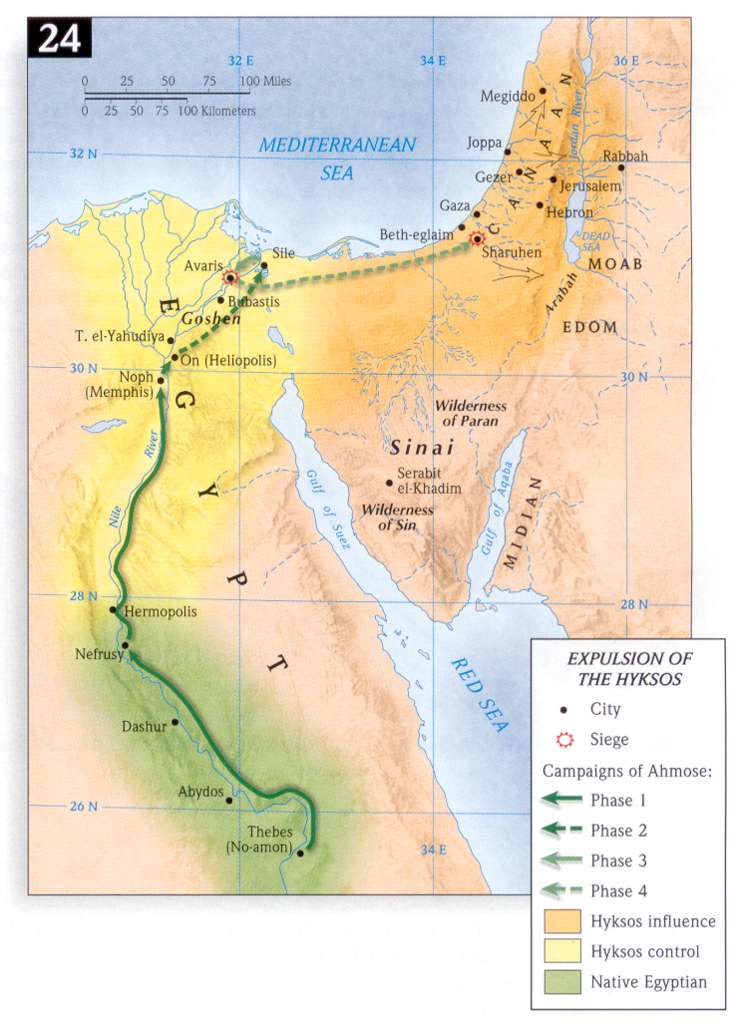
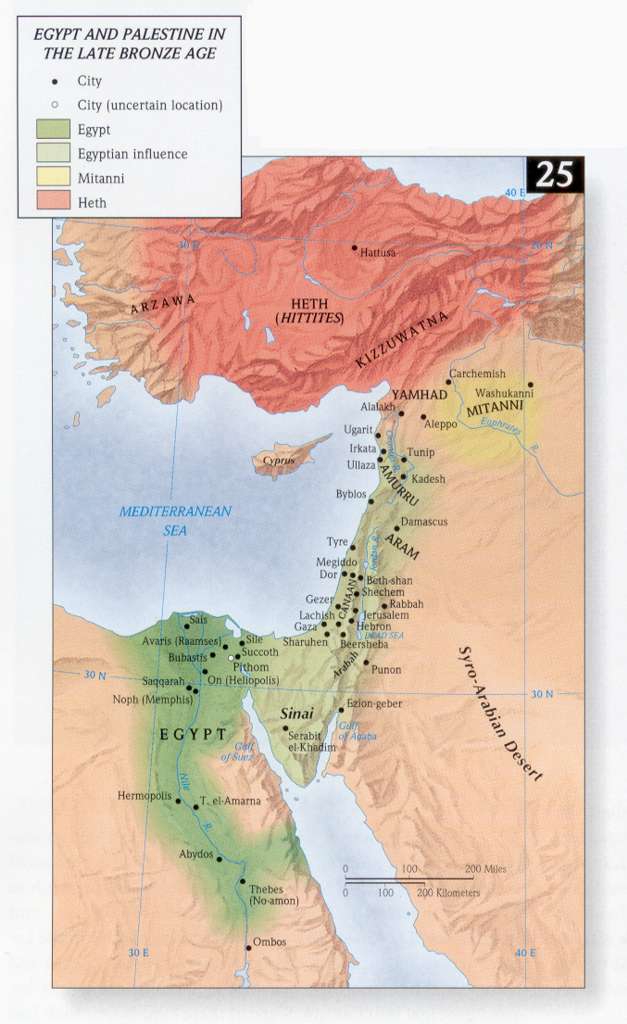
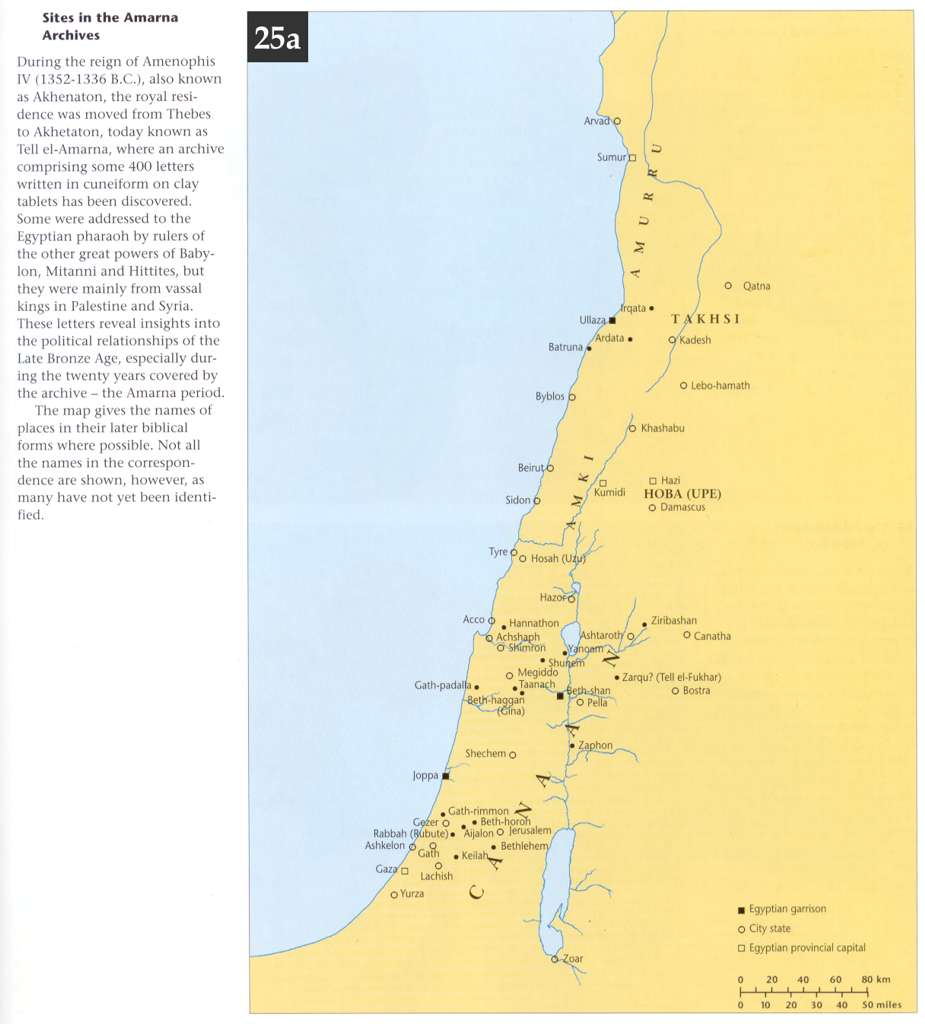
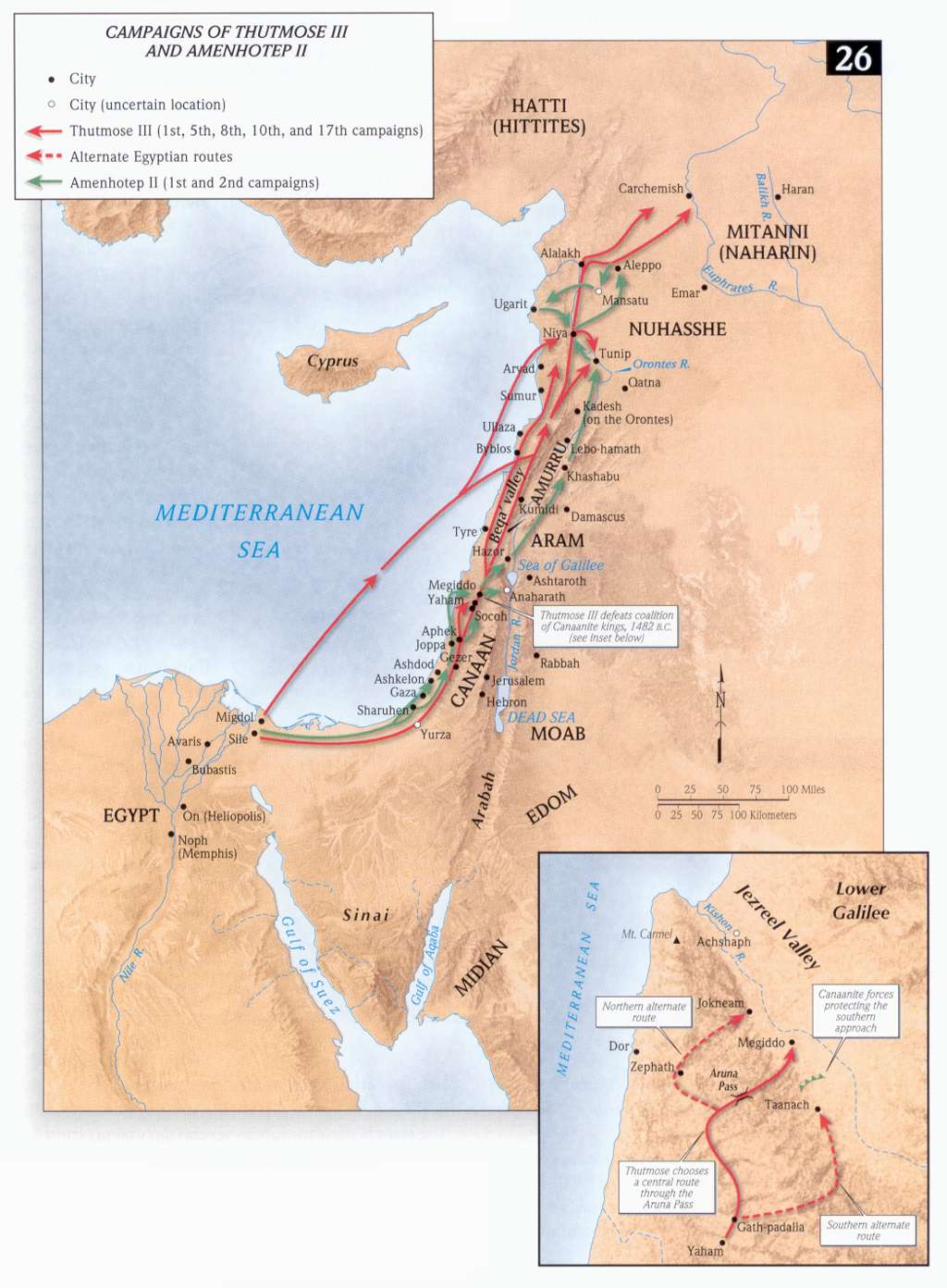
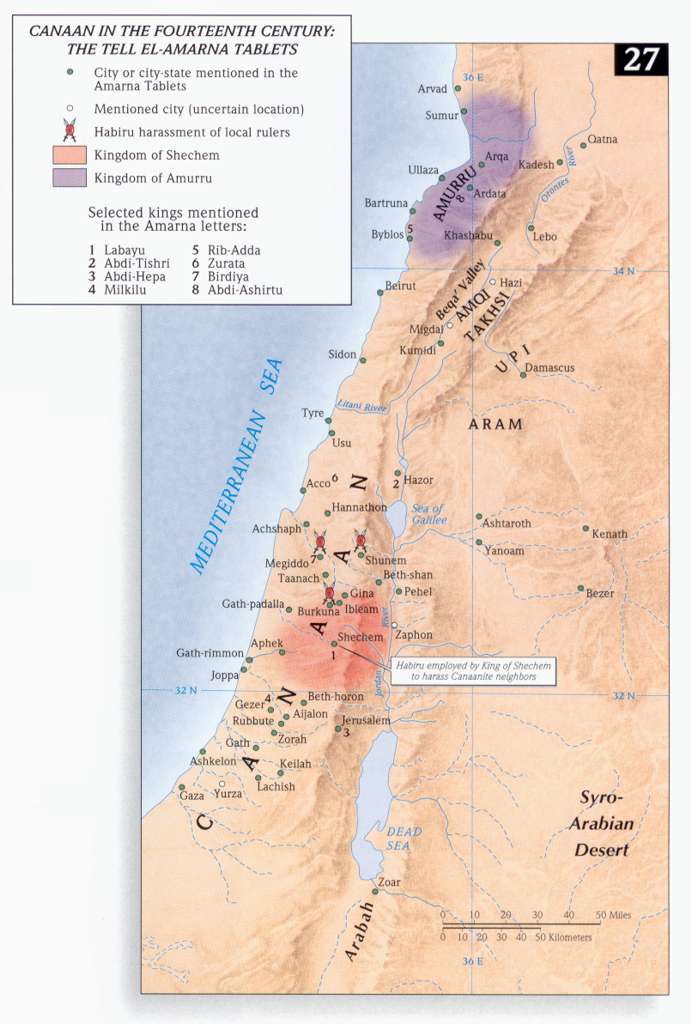
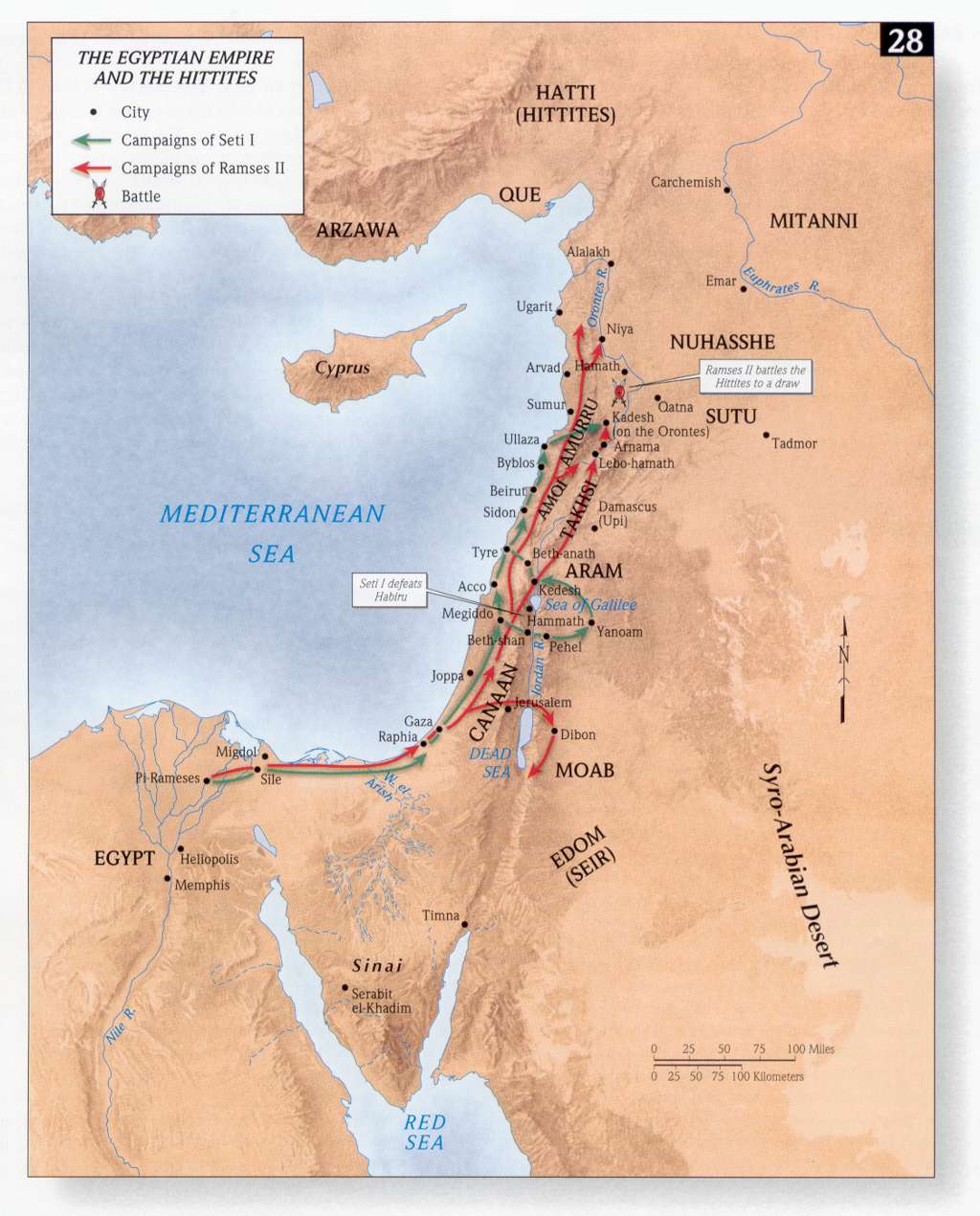
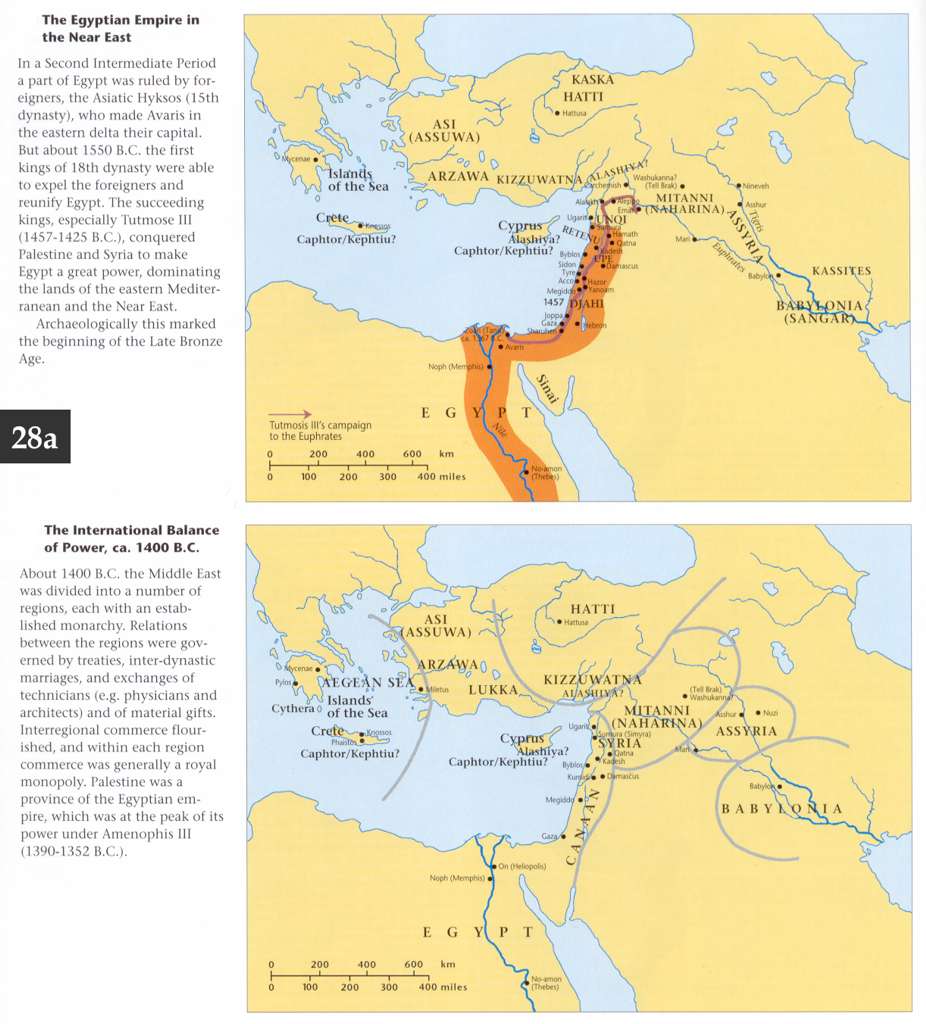
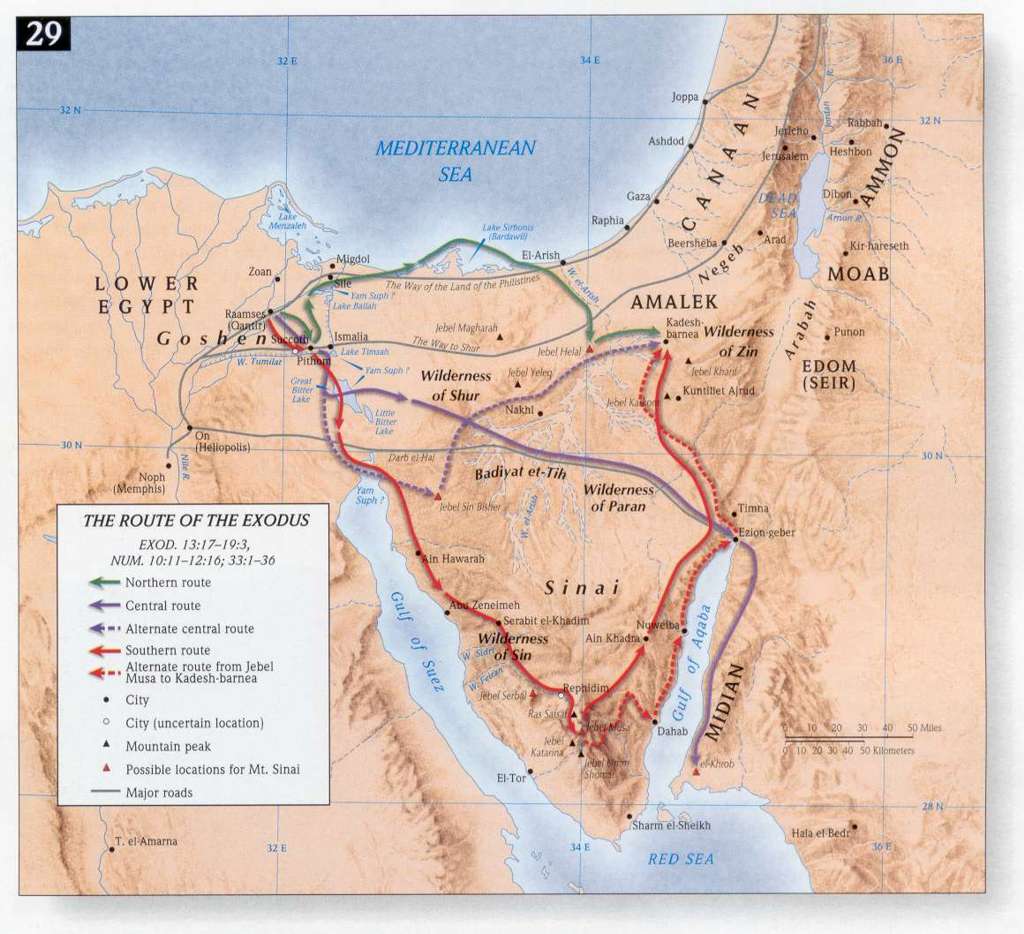
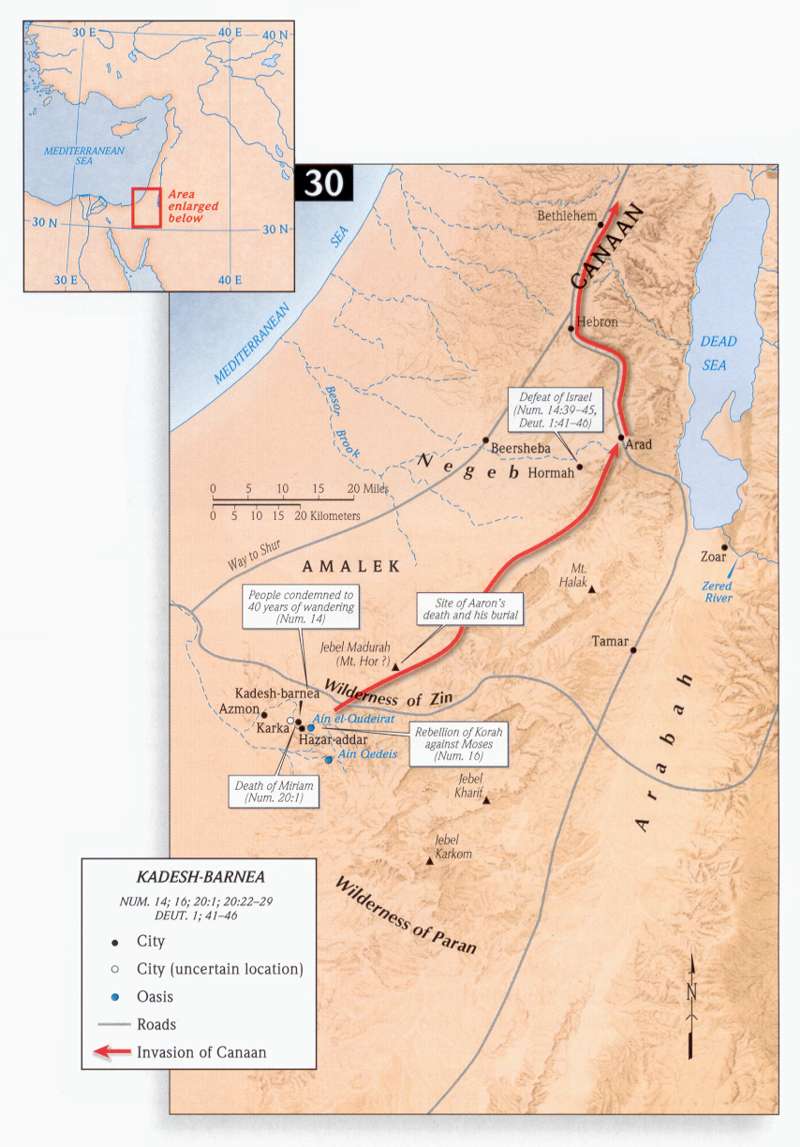
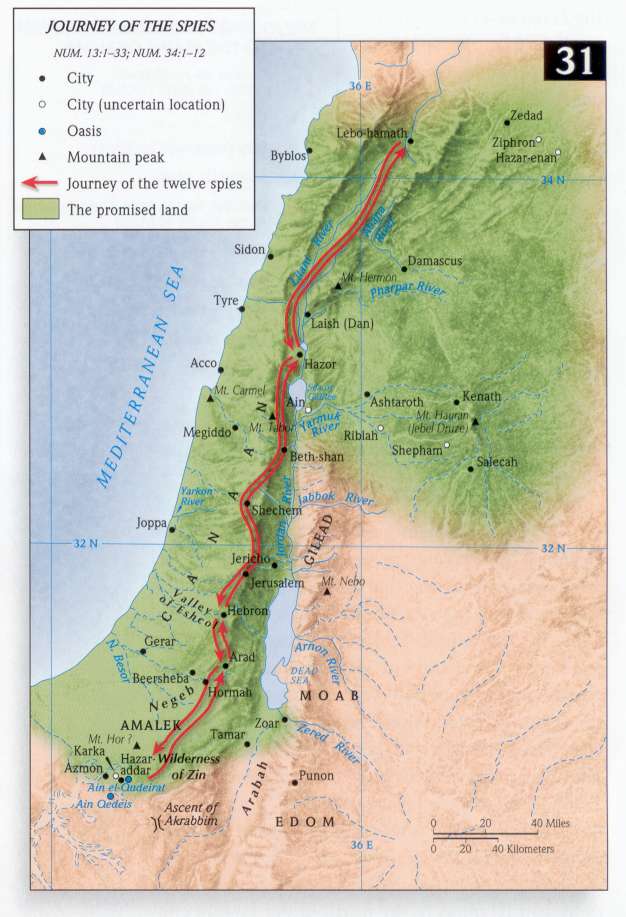


- Leviticus Part 1 - from International Std Bible Encyclopedia
- Leviticus Part 2 - from International Std Bible Encyclopedia
- The Fall Feasts - Feast of Trumpets (Rosh Hashanah),
- Day of Atonement (Yom Kippur),
- Feast of Tabernacles (Sukkot) - Recommended
- The Spring Feasts - Passover (Pesach),
- Unleavened Bread (Chag HaMatzot),
- Firstfruits (HaBikkurim)
- Pentecost (Shavout) - Recommended
- Lev 1:1–2
- Lev 1:1
- Lev 1:2
- Lev 1:3–17
- Lev 1:3
- Lev 1:4
- Lev 1:9
- Lev 1:10–13
- Lev 1:14–17
- Lev 2:1
- Lev 2:2
- Lev 2:11
- Lev 2:13
- Lev 2:14
- Lev 3:1
- Lev 3:3–4
- Lev 3:11
- Lev 3:17
- Lev 4:1–5:13
- Lev 4:2–35
- Lev 4:3
- Lev 4:6
- Lev 4:7
- Lev 4:12
- Lev 4:13–21
- Lev 4:22–26
- Lev 4:27–35
- Lev 5:1–13
- Lev 5:1–6
- Lev 5:2
- Lev 5:5
- Lev 5:7–10
- Lev 5:10
- Lev 5:11–13
- Lev 5:14–6:7
- Lev 5:16
- Lev 5:17–19
- Lev 6:1–7
- Lev 6:8–7:36
- Lev 6:9
- Lev 6:10
- Lev 6:12
- Lev 6:14
- Lev 6:18
- Lev 6:19–23
- Lev 6:22
- Lev 6:24–30
- Lev 7:1–10
- Lev 7:11–36
- Lev 7:12
- Lev 7:16
- Lev 7:20
- Lev 7:25
- Lev 7:26
- Lev 8–10
- Lev 8
- Lev 8:3
- Lev 8:7
- Lev 8:8
- Lev 8:23
- Lev 9
- Lev 9:7
- Lev 9:22
- Lev 9:23
- Lev 10
- Lev 10:1
- Lev 10:2
- Lev 10:6
- Lev 10:10
- Lev 10:17–20
- Lev 10:19
- Lev 10:20
- Lev 11–16
- Lev 11
- Lev 11:2–8
- Lev 11:9–12
- Lev 11:13–19
- Lev 11:20–23
- Lev 11:44
- Lev 11:45
- Lev 12:2
- Lev 12:5
- Lev 12:8
- Lev 13–14
- Lev 14:2
- Lev 14:3–8
- Lev 14:9–20
- Lev 14:34–57
- Lev 15
- Lev 16
- Lev 16:1
- Lev 16:2
- Lev 16:3
- Lev 16:8
- Lev 16:12
- Lev 16:16
- Lev 16:29
- Lev 16:34
- Lev 17–27
- Lev 17:3–8
- Lev 17:4
- Lev 17:11
- Lev 18
- Lev 18:8
- Lev 18:9
- Lev 18:11
- Lev 18:16
- Lev 18:17
- Lev 18:18
- Lev 18:19
- Lev 18:21
- Lev 18:25
- Lev 18:29
- Lev 19
- Lev 19:2
- Lev 19:5
- Lev 19:9–10
- Lev 19:13
- Lev 19:17
- Lev 19:18
- Lev 19:19
- Lev 19:21
- Lev 19:24
- Lev 19:28
- Lev 20
- Lev 20:6
- Lev 20:9
- Lev 20:25
- Lev 20:27
- Lev 21
- Lev 21:1
- Lev 21:5
- Lev 21:10–12
- Lev 22:3
- Lev 22:10–13
- Lev 22:14
- Lev 22:17–25
- Lev 22:23
- Lev 22:27–28
- Lev 23
- Lev 23:4–8
- Lev 23:26–32
- Lev 23:33–43
- Lev 24:2
- Lev 24:5
- Lev 24:10
- Lev 24:11
- Lev 24:14
- Lev 24:20
- Lev 25
- Lev 25:1–7
- Lev 25:10
- Lev 25:13
- Lev 25:23
- Lev 25:25
- Lev 25:26
- Lev 25:29–30
- Lev 25:36
- Lev 25:39
- Lev 26
- Lev 26:11
- Lev 26:14–39
- Lev 26:40
- Lev 26:46
- Lev 27
- Lev 27:2
- Lev 27:9–10
- Lev 27:11–13
- Lev 27:28
- Lev 27:30
- Introduction
- Diagram of the Tabernacle
- 1 - The Tabernacle as a Whole
- 2 - The Hangings of the Court
- 3 - The Gate
- 4 - The Brazen Altar
- 5 - The Offerings (Lev 1-7)
- 6 - The Laver
- 7 - The Door
- 8 - The Veil
- 9 - The Boards
- 10 - The Coverings
- 11- The Tabernacle
- 12 - The Candlestick
- 13 - The Table
- 14 - The Golden Altar
- 15 - The Ark
- 16 - The Mercy-Seat
- 17 - The Cherubim
- 18 - The Priesthood
- 19 - Jehovah's Master Workman
- 20 - Israel's Folly and Jehovah's Favor (Exodus 32-34)
- 21 - The Making & Setting Up
- Leviticus 1-7 Sinful People Need a Sacrifice to Approach a Holy God
- Leviticus 8-10 Priestly Consecration
- Leviticus 11-17 A Holy Walk before the LORD

AUTHOR OF #1 RANKED COMMENTARY ON LEVITICUS
- The Theology on Unclean Food - The Evangelical Quarterly 53.1 (Jan-Feb. 1981)
- The Old Testament Attitude to Homosexuality by Gordon J Wenham
CAUTION: As with all sermons and commentaries, one needs to maintain an Acts 17:11 "Berean mindset," but this caveat is especially true when the resource begins to speak of typology. In fact, you would do well to read our review of this somewhat "problematic" interpretative area - see Typology - Study of Biblical types.
- Leviticus 1-7 - Overview of the Offerings
- Leviticus - The Offerings
- Leviticus - The Offerings (2)
- Leviticus 1 - The Offerings (3)
- Leviticus 1 - The Offerings (4)
- Leviticus 1 - The Offerings (5)
- Leviticus 2 - The Offerings (6)
- Leviticus 2 - The Offerings (7)
- Leviticus 2 - The Offerings (8)
- Leviticus 2 - The Offerings (9)
- Leviticus 3:1-17, 7:11-34 - The Offerings (10)
- Leviticus - The Offerings - General Notes (11)
- Leviticus 4:1-6:7- The Offerings (12)
James Rosscup - This is a reprint of a work which Spurgeon described as “very precious.” Bonar treats the text in an expository and practical way, with critical notes. He is thoroughly conservative, and rich in application. Many regard this as the best older work on Leviticus from a conservative writer.
- Leviticus 2 Commentary
- Leviticus 3 Commentary
- Leviticus 4 Commentary
- Leviticus 5 Commentary
- Leviticus 6 Commentary
- Leviticus 7 Commentary
- Leviticus 8 Commentary
- Leviticus 9 Commentary
- Leviticus 10 Commentary
- Leviticus 11 Commentary
- Leviticus 12 Commentary
- Leviticus 13 Commentary
- Leviticus 14 Commentary
- Leviticus 15 Commentary
- Leviticus 16 Commentary
- Leviticus 17 Commentary
- Leviticus 18 Commentary
- Leviticus 19 Commentary
- Leviticus 20 Commentary
- Leviticus 21 Commentary
- Leviticus 22 Commentary
- Leviticus 23 Commentary
- Leviticus 24 Commentary
- Leviticus 25 Commentary
- Leviticus 26 Commentary
- Leviticus 27 Commentary
- Leviticus 1 - The Burnt Offering
- Leviticus 2 - The Meal Offering
- Leviticus 4 - The Sin Offering
- Leviticus 7:11-38 - The Peace Offering
- Leviticus 1-27: Levitical Worship: Sacrifices and Feasts
- Leviticus 1-7: The Offerings of Sacrifice
- Leviticus 1-6: The Sacrifices of the Lord
- Leviticus 1-6: Texas Before Truett
- Leviticus 1-6: The Offerings of the Lord: Sacrifices for Sin
- Leviticus 2:11 The Meaning of Leaven
- Leviticus 2-24: Types of Suffering
- Leviticus 2:14-16 A Grouping of Types
- Leviticus 4: God's Sevenfold Provision for Cleansing
- Leviticus 13-14: Leprosy: God's Sevenfold Provision for Cleansing
- Leviticus 13-14: Types of Cleansing
- Leviticus 14:1-7 Types in the Old Testament
- Leviticus 17:11 The Life Is in the Blood
- Leviticus 17:11 The Program of the Pastor
- Leviticus 17:11 The Scarlet Thread Through The Bible
- Leviticus 22:17-25 Our Best for God
- Leviticus 23: The Feasts of the Lord
- Leviticus 25:8-11 Our Double Jubilee
- Leviticus 25:8-11 Our Double Jubilee
- Leviticus 25:8-12 Our Double Jubilee
- Daring to Delight in Leviticus - Interesting answers from Dr Jay Sklar to questions:
Why is Leviticus such a hard book for Christians to understand and enjoy?
What must we understand about Leviticus in its original context before we can apply it today?
How does the New Testament help us interpret Leviticus?
What does it mean to preach Leviticus in proper relationship to Jesus and the gospel?
Would you caution preachers and teachers in any way as they proclaim Jesus from this book?
What books, sermons, and articles would you recommend for teaching the gospel in Leviticus?
- Leviticus Lectures
- Leviticus 1, 6:8-13, Lev 7-8, Dt 33:8-10, Ps 40, Eph 5:1-2 -The Burnt Offerings
- Leviticus 2, 6:14-23; Ps 16; Jn 6:33 -The Meal Offerings
- Leviticus 3, 7:11-34, Ps 85 -The Peace Offerings
- Leviticus 4, 5:1-13, 6:24-30, Ps 22, 2Cor 5:21 -The Sin Offering
- Leviticus 5:14-6:7, 7:1-7, Ps 69 -The Trespass Offering
- Leviticus 6 (Lecture V - Trespass Offering)
| Chapter 1 | Chapter 4 | Chapter 5 | Chapter 6 |
| Chapter 23 |
- Leviticus 4:27-31 A Price Must Be Paid
- Leviticus 11:42-47 Who Is Unclean?
- Leviticus 18:22 Homosexuality and the Bible
- Leviticus 18:22 Homosexuality and Science
- Leviticus 19:15-18 Peace and Justice
- Leviticus 24:17-21 Death Penalty
- Leviticus 25:7 Animal Rights
- Leviticus 25:35-43 Is Poverty A Blessing?
- Century Bible Commentary - Leviticus and Numbers (1904-1913)
- The Gospel in Leviticus
- Leviticus 1:17 The Burnt Offering
- Leviticus 2:1 The Grain Offering
- Leviticus 3:1 The Peace Offering
- Leviticus 4:3 The Sin Offering
- Leviticus 5:15-16 The Guilt Offering
- Leviticus 9:24 The Accepted Offering
- Leviticus 10:1-2 The Strange Fire
- Leviticus 11:44 Holiness
- Leviticus 11:47 Clean and Unclean
- Leviticus 12:6-7 The Child-Birth
- Leviticus 13:45 The Plague of Leprosy
- Leviticus 14:2 The Cleansing of the Leper
- Leviticus 16:8 The Scapegoat (Picture)
- Leviticus 17:10-11 Holy Blood
- Leviticus 23:3 The Sabbath
- Leviticus 23:10-11 The Sheaf of the First Fruits
- Leviticus 23:13 The Drink Offering
- Leviticus 23:16-17 The Feast of Pentecost
- Leviticus 23:23-25 The Feast of Trumpets
- Leviticus 23:34 The Feast of Tabernacles
- Leviticus 25:10 The Jubilee
- Leviticus 25:25 The Kinsman
- Leviticus 26:3-14 The Blessing and the Curse
- Leviticus 27:34 The Summary
- Leviticus 1 The Burnt Offering
- Leviticus 2 The Grain Offering
- Leviticus 4:1–5:13 The Sin Offering
- Leviticus 7:11–21 The Peace Offering
- Leviticus 10:1–3 The Regulative Principle
- Leviticus 10:1–11 Sanctification Demanded
- Leviticus 10:1–3 Holiness and Justice
- Leviticus 16 The Day of Atonement
- Leviticus 18:24–30 Expelled from the Land
- Leviticus 19:1–2 Our Pattern for Holiness
- Leviticus 19:12 Profane Oaths
- Leviticus 23:9–22 Firstfruits and Pentecost
- Leviticus 23:23–25 The Feast of Trumpets
- Leviticus 23:33–43 The Feast of Booths
- Leviticus 24:10–16 The Penalty for Blasphemy
- Leviticus 25:23–28 Our Kinsman Redeemer
- Leviticus 25:23–28 Our Kinsman Redeemer
- Leviticus 26:14-39 The Threat of Exile
- Leviticus 26:40-45 God’s Promise of Restoration
- Leviticus 26:40-45 The Hope of Restoration
- Leviticus - Old Testament Studies- Being the Lessons Given at Various Union Bible - Scroll up to the 17 page study on Leviticus - interesting
- Old Testament Studies- Review of the Pentateuch
Spurgeon's comment: This writer has some peculiarities of style and thought; but in matter and spirit he is far removed from the Darby school.
T H REYNOLDS -
JAY SKLAR -
This is an excellent resource to aid sermon preparations. Be sure to check out this potentially useful resource!
- Introductory Notes
- Leviticus 1 The Law of the Burnt Sacrifices (16 pages)
- Leviticus 2 Bloodless Sacrifices: the Food Offerings (9 pages)
- Leviticus 3 Peace Offerings of Thanksgiving (9 pages)
- Leviticus 4 Sacrifices for Sins (20 pages)
- Leviticus 5 Trespasses Heedlessly Committed (12 pages)
- Leviticus 6 Trespass Offerings: Priestly Consecration Offerings (28 pages)
- Leviticus 7 Ritual of the Sacrifices: The Peace Offering (13 pages)
- Leviticus 8 Priesthood Initiated and Consecrated (14 pages)
- Leviticus 9 Inaugural Ministries of Aaron (14 pages)
- Leviticus 10 Reckless Ministry Sternly Rebuked (23 pages)
- Leviticus 11 Food: Permitted and Prohibited
- Leviticus 12 Maternity
- Leviticus 13 Leprosy
- Leviticus 14 Leprosy Cleansed
- Leviticus 15 Secret Physical Impurities
- Leviticus 16 The Great Day of Atonement
- Leviticus 17 The Sanctity of Blood
- Leviticus 18 Incestuous Marriages: Domestic Purity
- Leviticus 19 Practical Piety: Religion in All Relationships
- Leviticus 20 Social and Moral Crimes
- Leviticus 21 Purity of the Priesthood
- Leviticus 22 Priestly Privileges Forfeited by Uncleanness
- Leviticus 23 Israel's Holy Festivals
- Leviticus 24 Sanctuary Light; The Shewbread; Blasphemy Punished
- Leviticus 25 The Year of Jubilee
- Leviticus 26 Religion as Determining a Nation's Destiny
- Leviticus 27 Votive Offerings to the Lord
- Leviticus 1:1-17 (pdf)
- Leviticus 3:1-17 (pdf)
- Leviticus 4:1-5:13 (pdf)
- Leviticus 5:14-7:7 (pdf)
- Leviticus 18:1-30 (pdf)
- Leviticus 19:1-8 (pdf)
- Leviticus 23:1-44 (pdf)
- Leviticus 23:1-3 (pdf)
- Leviticus 23:4-5 (pdf)
- Leviticus 23:6-8 (pdf)
- Leviticus 23:9-14 (pdf)
- Leviticus 23:15-22 (pdf)
- Leviticus 23:23-25 (pdf)
- Leviticus 23:26-32 (pdf)
- Leviticus 23:33-44 (pdf)
- Leviticus 24:1-3 (pdf)
- Leviticus 24:10-23 (pdf)
- Leviticus 24:17-22 (pdf)
- Leviticus 26:1-39 (pdf)
- Leviticus 26:40-46 (pdf)
- Leviticus 27:1-29 (pdf)
- Leviticus 27:30-34 (pdf)
Spurgeon's comment: Twenty-one very admirable lectures, founded upon Bush and Bonar, but containing much original matter. The work deserves attention.
- Leviticus: The Way to Wholeness-277 pages of sermons
- Leviticus: A Brief Survey - nice overview of Leviticus with charts and tables
NOTE: THE FOLLOWING LINKS OPEN UP POWER POINT PRESENTATIONS
- Leviticus 1 Christ The Holocaust
- Leviticus 2 Sacrifice of Self and Substance
- Leviticus 3 Celebrating God's Peace
- Leviticus 4 Christ the Sin Offering
- Leviticus 5 God's Grace to Thieves
- Leviticus 9:1-7, 22-25 Jesus Our High Priest
- Leviticus 10 Worship According to God's Instructions
- Leviticus 11 The Plague and Promise of Perfection
- Leviticus 16 Guilt's Scapegoat
- Leviticus 18 SEX....Who Says Leviticus is Boring?
- Leviticus 19:9-10 Overcoming the Obstacles to Giving
- Leviticus 19:11-18 Sin, Self and the Samaritan
- Leviticus 20:22-26 Made Holy By God
- Leviticus 25 The Year of Jubilee
- Leviticus 26 CTRL-ALT-DEL
- Leviticus 2 - Verse by Verse Comments
- Leviticus 3 - Verse by Verse Comments
- Leviticus 4 - Verse by Verse Comments
- What is the meaning of the strange fire in Leviticus 10:1? — Why was it bad that Aaron and his sons burned the sin offering in Leviticus 10:16–20?
- Medical Article - Biblical Leprosy- A Suggested Interpretation (In depth - 25 page article)
- Why is leprosy talked about so much in the Bible?
- Torrey Topical Textbook Leprosy
- Easton's Bible Dictionary Leprosy
- Fausset Bible Dictionary Leprosy
- Holman Bible Dictionary
- Hastings' Dictionary of the Bible Leprosy
- Hastings' Dictionary of the NT Leprosy
- Smith Bible Dictionary Leper, Leprosy
- Vines' Expository Dictionary Leprosy
- 1911 Encyclopedia Britannica Leprosy
- International Standard Bible Encyclopedia Leper; Leprosy
- Kitto Biblical Cyclopedia Leprosy
- McClintock and Strong's Bible Encyclopedia Leprosy
- The Jewish Encyclopedia Leprosy
- WHO - Leprosy
- Leprosy - Wikipedia, the free encyclopedia
- Leprosy- Medline Plus Medical Encyclopedia
- Hansen's Disease (Leprosy) - CDC
- Leviticus 15:16-17 Is Masturbation wrong?
- See also Missions and Masturbation - Desiring God
- How to Deal with the Guilt of Sexual Failure for the Glory of Christ and His Global Cause - Desiring Go
- Leviticus 16 - What is the meaning of Azazel / the scapegoat?
- See also - Scapegoat - Wikipedia - Picture of Scapegoat
SERMONS BY VERSE - LEVITICUS 19
VERSE BY VERSE - begins with verse 1, click arrow to advance
NEW AMERICAN COMMENTARY - Mark Rooker
- Leviticus 23:22 Scroll down (Google Preview - some pages missing) - scroll down to page 281
SERMON CENTRAL
- Leviticus 23 Feast of Unleavened Bread & Day of Pentecost (cp Acts 2)
- Sabbath in the Temple
- Festive Cycles and Arrangement of the Calendar
- The Passover
- The Paschal Feast and the Lord’s Supper
- The Feast of Unleavened Bread and the Day of Pentecost
- The Feast of Tabernacles
- The New Moons: The Feast of the Seventh New Moon, or of Trumpets, or New Year’s Day
- The Day of Atonement
- Post-Mosaic Festivals
- Leviticus 23 The Feasts of Tabernacles - The Feast of Rest-see additional studies on the feasts of Israel at bottom of this article
- Leviticus 23 The Holidays Of God: The Fall Feasts - Recommended
- Leviticus 23 The Holidays Of God: The Spring Feasts - Recommended
S LEWIS JOHNSON
ART/CHARTS - RELATED TO LEVITICUS 23
BIBLE.ORG
ESV CHART OF HOLY FEASTS
- Leviticus Festivals (Feasts)
- Leviticus 23 Feasts;
- Passover & Unleavened Bread;
- Feast of Trumpets
- Leviticus - Festivals (Feasts);
- Day of Atonement (scroll down)
- How did Jesus fulfill the meanings of the Jewish feasts?
- How did the Israelites deny themselves in Leviticus 23:27?
- What Are the Different Jewish Festivals?
- What is the Feast of Weeks?
- What is the Feast of Trumpets?,
- What is the Feast of Tabernacles / Booths / Sukkot?
- What is a sabbatical year?
- What were the various sacrifices in the Old Testament?
- Jubilee - Fausset's Bible Dictionary
- Compare article on the "Sabbatical Year and Jubilee" - 1901 Jewish Encyclopedia
- Michael card vocal entitled "Jubilee"
- First Fruits, Christ - Prophecy of His Resurrection
- Leviticus 25 The Year of Jubilee (Play Michael Card's great song - Year of Jubilee)
From gospelcoalition
- Invitation to Leviticus
- Purpose
- Key Verse
- Outline
- Regulations on Sacrifices (1:1–7:38)
- The Institution of the Priesthood (8:1–10:20)
- Regulations on Ritual Cleanness and Uncleanness (11:1–16:34)
- Regulations on Holy Living (17:1–25:55)
- Covenant Sanctions (26:1–46)
- Regulations of Vows (27:1–34)
- Conclusion
- Bibliography
- Permissions
From gospelcoalition
- Week 1: Overview
- Week 2: Offering the Sacrifices (1:1–6:7)
- Week 3: Sharing the Sacrifice Meals (6:8–7:38)
- Week 4: Introducing the Priesthood (8:1–10:20)
- Week 5: Clean and Unclean Meats (11:1–47)
- Week 6: Clean and Unclean Bodily Conditions (12:1–15:33)
- Week 7: The Day of Atonement (16:1–34)
- Week 8: Holy and Unholy Meats (17:1–16)
- Week 9: Holy and Unholy Moral Conditions (18:1–20:27)
- Week 10: Perfection of Priests and Sacrifices (21:1–22:33)
- Week 11: Observing the Sacrifice Festivals (23:1–25:55)
- Week 12: Blessings and Discipline (26:1–27:34)
- Leviticus Overview
- Leviticus 1 All on the Altar
- Leviticus 2 Amber Waves of Grain
- Leviticus 3 What a Fellowship! What a Joy Divine!
- Leviticus 4 & 5 Repairing Sin's Damage to Your Life
- Leviticus 8 Someone's Here to Help You
- Leviticus 10 Strange Fire
- Leviticus 11-15 The Divine Dermatologist
- Leviticus 16 The Greatest Day of the Year
Click for 62 page Pdf that contains all the Bible text and notes on entire book - an excellent technical commentary
- Leviticus 1 Commentary
- Leviticus 2 Commentary
- Leviticus 3 Commentary
- Leviticus 4 Commentary
- Leviticus 5 Commentary
- Leviticus 6 Commentary
- Leviticus 7 Commentary
- Leviticus 8 Commentary
- Leviticus 9 Commentary
- Leviticus 10 Commentary
- Leviticus 11 Commentary
- Leviticus 12 Commentary
- Leviticus 13 Commentary
- Leviticus 14 Commentary
- Leviticus 15 Commentary
- Leviticus 16 Commentary
- Leviticus 17 Commentary
- Leviticus 18 Commentary
- Leviticus 19 Commentary
- Leviticus 20 Commentary
- Leviticus 21 Commentary
- Leviticus 22 Commentary
- Leviticus 23 Commentary
- Leviticus 24 Commentary
- Leviticus 25 Commentary
- Leviticus 26 Commentary
- Leviticus 27 Commentary
- Leviticus 6:1-7 Whose Property?
- Leviticus 10:10 Holiness
- Leviticus 10:10 Dirty Laundry
- Leviticus 11:44 Start with One Step
- Leviticus 11:44 The Leviticus Reminder (alt)
- Leviticus 13:45, 22:4 The Untouchables
- Leviticus 16:1-20 The Scapegoat (Picture)
- Leviticus 16:1-22 Tale of Two Goats
- Leviticus 16:5-22 The Other Goat
- Leviticus 16:3 4 Day of Atonement
- See also Erev Yom Kippur, Take the Time
- Leviticus 18:1-5 A Book For Pilgrims
- Leviticus 19:9-15 Keep Your Hands Off
- Leviticus 19:9-15 Buried Treasure
- Leviticus 19:11-16 Whisperers
- Leviticus 19:11-18 It Is My Business
- Leviticus 19:15-18 The Tests Of Criticism
- Leviticus 19:18 Love Needs Expression
- Leviticus 19:18 Bearing A Grudge
- Leviticus 19:18 Grudges
- Leviticus 19:18 Love Your Neighbor
- Leviticus 19:32-37 The Best Policy
- Leviticus 23:23-32 Happy New Year!
- Leviticus 23:15-22 Give Thanks!
- Leviticus 23:16-22 Empty-Handed
- Leviticus 23:17 The New Harvest
- Leviticus 23:33-44 Not A Killjoy
- Leviticus 23:37-43 Our Refuge
- Leviticus 24:1-9 Daily Bread -2
- Leviticus 24:1-9 Daily Bread
- Leviticus 26:13 Walking Tall
- Leviticus 1 Commentary
- Leviticus 2 Commentary
- Leviticus 3 Commentary
- Leviticus 4 Commentary
- Leviticus 5 Commentary
- Leviticus 6 Commentary
- Leviticus 7 Commentary
- Leviticus 8 Commentary
- Leviticus 9 Commentary
- Leviticus 10 Commentary
- Leviticus 11 Commentary
- Leviticus 13 Commentary
- Leviticus 14 Commentary
- Leviticus 16 Commentary
- Leviticus 19 Commentary
- Leviticus 20 Commentary
- Leviticus 22 Commentary
- Leviticus 23 Commentary
- Leviticus 25 Commentary
- Leviticus 26 Commentary
- Leviticus 27 Commentary
- Leviticus 7 :11-21 The First Thanksgiving David E. Owen
- Leviticus 16 You Can See The Cross From Here J. Mike Minnix
- Leviticus 22 :26-33 Let Us Thank Him! Johnny L. Sanders
Note: His name is not well known but don't let that dissuade you for examining this resource!
- Leviticus 1 Commentary
- Leviticus 2 Commentary
- Leviticus 3 Commentary
- Leviticus 4 Commentary
- Leviticus 5 Commentary
- Leviticus 6 Commentary
- Leviticus 7 Commentary
- Leviticus 8 Commentary
- Leviticus 9 Commentary
- Leviticus 10 Commentary
- Leviticus 11 Commentary
- Leviticus 12 Commentary
- Leviticus 13 Commentary
- Leviticus 14 Commentary
- Leviticus 15 Commentary
- Leviticus 16 Commentary
- Leviticus 17 Commentary
- Leviticus 18 Commentary
- Leviticus 19 Commentary
- Leviticus 20 Commentary
- Leviticus 21 Commentary
- Leviticus 22 Commentary
- Leviticus 23 Commentary
- Leviticus 24 Commentary
- Leviticus 25 Commentary
- Leviticus 26 Commentary
- Leviticus 27 Commentary
- Introduction Commentary
- Leviticus 1 Commentary
- Leviticus 2 Commentary
- Leviticus 3 Commentary
- Leviticus 4 Commentary
- Leviticus 5 Commentary
- Leviticus 6 Commentary
- Leviticus 7 Commentary
- Leviticus 8 Commentary
- Leviticus 9 Commentary
- Leviticus 10 Commentary
- Leviticus 11 Commentary
- Leviticus 12 Commentary
- Leviticus 13 Commentary
- Leviticus 14 Commentary
- Leviticus 15 Commentary
- Leviticus 16 Commentary
- Leviticus 17 Commentary
- Leviticus 18 Commentary
- Leviticus 19 Commentary
- Leviticus 20 Commentary
- Leviticus 21 Commentary
- Leviticus 22 Commentary
- Leviticus 23 Commentary
- Leviticus 24 Commentary
- Leviticus 25 Commentary
- Leviticus 26 Commentary
- Leviticus 27 Commentary
- Introduction Commentary
- Leviticus 1 Commentary
- Leviticus 2 Commentary
- Leviticus 3 Commentary
- Leviticus 4 Commentary
- Leviticus 5 Commentary
- Leviticus 6 Commentary
- Leviticus 7 Commentary
- Leviticus 8 Commentary
- Leviticus 9 Commentary
- Leviticus 10 Commentary
- Leviticus 11 Commentary
- Leviticus 12 Commentary
- Leviticus 13 Commentary
- Leviticus 14 Commentary
- Leviticus 15 Commentary
- Leviticus 16 Commentary
- Leviticus 17 Commentary
- Leviticus 18 Commentary
- Leviticus 19 Commentary
- Leviticus 20 Commentary
- Leviticus 21 Commentary
- Leviticus 22 Commentary
- Leviticus 23 Commentary
- Leviticus 24 Commentary
- Leviticus 25 Commentary
- Leviticus 26 Commentary
- Leviticus 27 Commentary
Hint: Expositions are at top of page. Scroll down for Homiletics and numerous homilies related to each chapter.
- Introduction Commentary
- Leviticus 1 Commentary
- Leviticus 2 Commentary
- Leviticus 3 Commentary
- Leviticus 4 Commentary
- Leviticus 5 Commentary
- Leviticus 6 Commentary
- Leviticus 7 Commentary
- Leviticus 8 Commentary
- Leviticus 9 Commentary
- Leviticus 10 Commentary
- Leviticus 11 Commentary
- Leviticus 12 Commentary
- Leviticus 13 Commentary
- Leviticus 14 Commentary
- Leviticus 15 Commentary
- Leviticus 16 Commentary
- Leviticus 17 Commentary
- Leviticus 18 Commentary
- Leviticus 19 Commentary
- Leviticus 20 Commentary
- Leviticus 21 Commentary
- Leviticus 22 Commentary
- Leviticus 23 Commentary
- Leviticus 24 Commentary
- Leviticus 25 Commentary
- Leviticus 26 Commentary
- Leviticus 27 Commentary
- Leviticus 1 Homiletics
- Leviticus 2 Homiletics
- Leviticus 3 Homiletics
- Leviticus 4 Homiletics
- Leviticus 5 Homiletics
- Leviticus 6 Homiletics
- Leviticus 7 Homiletics
- Leviticus 8 Homiletics
- Leviticus 9 Homiletics
- Leviticus 10 Homiletics
- Leviticus 11 Homiletics
- Leviticus 12 Homiletics
- Leviticus 13 Homiletics
- Leviticus 14 Homiletics
- Leviticus 15 Homiletics
- Leviticus 16 Homiletics
- Leviticus 17 Homiletics
- Leviticus 18 Homiletics
- Leviticus 19 Homiletics
- Leviticus 20 Homiletics
- Leviticus 21 Homiletics
- Leviticus 22 Homiletics
- Leviticus 23 Homiletics
- Leviticus 24 Homiletics
- Leviticus 25 Homiletics
- Leviticus 26 Homiletics
- Leviticus 27 Homiletics
- Introduction to Leviticus
- Leviticus 1:1-17 The Burnt Offering
- Leviticus 2:1-16 The Grain Offering
- Leviticus 3:1-17 The Peace Offering
- Leviticus 4:1-5:13 The Sin Offering
- Leviticus 5:14-6:7 The Guilt Offering
- Leviticus 6:8-7:38 The Pattern
- Leviticus 8:1-36 The Priesthood
- Leviticus 9:1-24 Going to Church for the First Time
- Leviticus 10:1-20 Punishment in the Place of Forgiveness
- Leviticus 11:1-47 Clean and Unclean Foods
- Leviticus 12:1-8 God’s Holiness: The Foundation of Life
- Leviticus 13:1-14:32 Holiness and Disease
- Leviticus 15:1-3 Sexual Holiness
- Leviticus 16:1-34 The Day of Atonement
- Leviticus 17:1-16 The Fountain Filled with Blood
- Leviticus 18:1-30 Defining the Family
- Leviticus 20:1-27 Crime and Punishment
- Leviticus 21:1-24 Holy Orders
- Leviticus 22:1-33 Why Worship Matters so Much
- Leviticus 23:1-44 A Year of Holidays
- Leviticus 24:1-23 An Eye for an Eye
- Leviticus 25:1-55 The Year of Jubilee
- Leviticus 26:1-46 Blessings and Curses
- Leviticus 27:1-34 Leviticus in Overview
- A Pinch of Salt—Leviticus 2:11–13
- The Salt Agreement with God—Leviticus 2:11–13
- Salty Saints—Leviticus 2:11–13
- Pass the Salt—Leviticus 2:11–13
- Don’t Play with Fire—Leviticus 9:22–24; 10:1–2
- The Blood of Jesus—Leviticus 17:11
- The Gospel Feast—Leviticus 23
- The Feasts of the Lord—Leviticus 23:4
- Leviticus 1 & 2 Consecration of Self & Service
- Leviticus 3 - 5 Peace, Sin And Trespass Offerings
- Leviticus 6 - 8 Preparation Before Presentation
- Leviticus 9 - 10 Strange Fire
- Leviticus 11 God's Divine Menu
- Leviticus 12 - 14 The Great Physician
- Leviticus 15 Issues
- Leviticus 16 - 20 Atonement And Practical Holiness
- Leviticus 21 - 22 Purity For The Priesthood
- Leviticus 23 The Seven Feasts
- Leviticus 24 - 27 Putting Things In Order
- Introduction Commentary
- Leviticus 1 Commentary
- Leviticus 2 Commentary
- Leviticus 3 Commentary
- Leviticus 4 Commentary
- Leviticus 5 Commentary
- Leviticus 6 Commentary
- Leviticus 7 Commentary
- Leviticus 8 Commentary
- Leviticus 10 Commentary
- Leviticus 11 Commentary
- Leviticus 12 Commentary
- Leviticus 13 Commentary
- Leviticus 14 Commentary
- Leviticus 15 Commentary
- Leviticus 16 Commentary
- Leviticus 17 Commentary
- Leviticus 18 Commentary
- Leviticus 19 Commentary
- Leviticus 21 Commentary
- Leviticus 23 Commentary
- Leviticus 25 Commentary
- Leviticus 26 Commentary
- Leviticus 27 Commentary
LEVITICUS 23 - SERMONS BY VERSE
NOTE: If you are not familiar with the great saint Charles Simeon see Dr John Piper's discussion of Simeon's life - you will want to read Simeon's sermons after meeting him! - click Brothers We Must Not Mind a Little Suffering (Mp3 even better)
R Kent Hughes records an anecdotal story of Simeon's conversion that relates to the Book of Leviticus and its emphasis on offerings: "As I was reading Bishop Wilson on the Lord’s supper, I met with an expression to this effect—“That the Jews knew what they did, when they transferred their sin to the head of their offering.” The thought came into my mind, “What, may I transfer all my guilt to another? Has God provided an Offering for me, that I may lay my sins on His head? Then, God willing, I will not bear them on my own soul one moment longer.” Accordingly I sought to lay my sins upon the sacred head of Jesus." (From Hebrews: an anchor for the soul) Simeon's Conversion
- Leviticus 1:3,4 The Burnt Offering
- Leviticus 2:1-3 The Meat Offering
- Leviticus 2:13 The Meat Offering A Type of Christ
- Leviticus 2:14-16 Green Ears of Corn to Be Offered
- Leviticus 5:5,6 The Sin and Trespass Offerings Compared
- Leviticus 5:17-19 The Trespass Offering A Type of Christ
- Leviticus 7:11 The Peace Offering
- Leviticus 9:23, 24 God's Acceptance of the Sacrifices
- Leviticus 10:1-3 Death of Nadab and Abihu
- Leviticus 13:1-59 Fire on the Altar Not to Go Out
- Leviticus 13:45, 46 The Laws Relating to Leprosy
- Leviticus 14:4-9 Purification of the Leper
- Leviticus 14:14-18 The Cleansing of the Leper
- Leviticus 16:21-22 The Scapegoat a Type of Christ (Picture)
- Leviticus 16:29, 30, 33 Duties Required on the Great Day of Atonement
- Leviticus 17:10-12 The Prohibition to Eat Blood
- Leviticus 23:15-17 Feast of First-Fruits
- Leviticus 23:23-25 The Feast of Trumpets
- Leviticus 23:39-43 The Feast of Tabernacles
- Leviticus 24:1-3 The Golden Candlestick
- Leviticus 24:5-9 The Shew-Bread
- Leviticus 24:13-15 The Blasphemer Stoned
- Leviticus 25:9-11 A Jubilee Type of the Gospel
- Leviticus 25:20-22 The Sabbatical Year
- Leviticus 26:40-42 God's Promises to Penitents
Another Source for Simeon's sermons function like Commentaries
| Introduction | Leviticus 1 | Leviticus 2 | Leviticus 5 |
| Leviticus 7 | Leviticus 9 | Leviticus 10 | Leviticus 13 |
| Leviticus 14 | Leviticus 16 | Leviticus 17 | Leviticus 23 |
| Leviticus 24 | Leviticus 25 | Leviticus 26 |
- Leviticus - Overview Notes on Chapters 1-8
- Leviticus 1:1-9 Christ Our Substitute
- Leviticus 1:1-17 Christ Our Substitute
- Leviticus 4:27-31 Forgiven
- Leviticus 9:24-10:3a Strange Fire
- Leviticus 10b Strange Fire
- Leviticus 10c Strange Fire
- Leviticus 10d Strange Fire
- Leviticus 10e Strange Fire
- Leviticus 14:1 God's Glorious Grace
- Leviticus 14:1 The Law of the Leper
- Leviticus 14:1 Leprosy Cleansed
- Leviticus 14:2 The Leper in the Day of His Cleansing
- Leviticus 14:2 The Day of His Cleansing
- Leviticus 16 Yom Kippur and the Cross
- Leviticus 16:1,3 The Day of Atonement
- Leviticus 18:2 Children of God
- Leviticus 23:5 The Feast of Passover
- Leviticus 25:24 The Law of Redemption
- Leviticus 26 The Spiritual Laws of God
- Leviticus 26 The Sure Word of Jehovah
- Leviticus 26:3 God's Sure Word
- Leviticus 26:3 The Glorious Life
- Leviticus 1 Commentary
- Leviticus 2 Commentary
- Leviticus 4 Commentary
- Leviticus 5 Commentary
- Leviticus 6 Commentary
- Leviticus 7 Commentary
- Leviticus 8 Commentary
- Leviticus 9 Commentary
- Leviticus 10 Commentary
- Leviticus 11 Commentary
- Leviticus 12 Commentary
- Leviticus 13 Commentary
- Leviticus 14 Commentary
- Leviticus 15 Commentary
- Leviticus 16 Commentary
- Leviticus 17 Commentary
- Leviticus 18 Commentary
- Leviticus 19 Commentary
- Leviticus 20 Commentary
- Leviticus 21 Commentary
- Leviticus 22 Commentary
- Leviticus 23 Commentary
- Leviticus 24 Commentary
- Leviticus 25 Commentary
- Leviticus 26 Commentary
- Leviticus 27 Commentary
Recommended
BASIC HUMAN NEEDS
- Leviticus 1 The Need To Belong
- Leviticus 2 The Need To Respond
- Leviticus 3 The Need For Peace
- Leviticus 4,5 The Need To Confess
- Leviticus 5,6 The Need To Restore
- Leviticus 8:1-9 The Need For A Priest
- Leviticus 8 The Work Of A Priest
- Leviticus 9 The Present Glory
- Leviticus 10 Strange Fire
- Leviticus 10 Instructions To Priests
- Leviticus 11 The Need For A Standard
- Leviticus 12,13 Dealing With The Leprosy Of Life
- Leviticus 13,14 Sick Garments In Diseased Houses
- Leviticus 15 The Trouble With Nature
BASIC HUMAN BEHAVIOR
- Leviticus 16 The Need For Presentation
- Leviticus 17,18 Blood And Sex
- Leviticus 19,20 Power To Do
- Leviticus 20:26 The Way To Wholeness
- Leviticus 21,22 Free To Serve
- Leviticus 23 God's Calendar
- Leviticus 24 The Pattern Of Man
- Leviticus 25 The True Basis For Social Concern
- Leviticus 26 Either/Or
- Leviticus 27 Promises, Promises, Promises
- Leviticus 1:4 Putting the Hand Upon the Head of the Sacrifice
- Leviticus 1:5 Slaying the Sacrifice / Audio
- Leviticus 2:13 Salt for Sacrifice
- Leviticus 4:3 The Sin Offering
- Leviticus 4:6-7 The Sprinkling of the Blood of the Sacrifice
- Leviticus 4:7 Blood Even on the Golden Altar
- Leviticus 4:27-31 The Sin Offering For the Common People
- Leviticus 4:29 Laying the Hand on the Sacrifice
- Leviticus 4:29 Laying the Hand on the Sacrifice - Sermon Notes
- Leviticus 5:17, 18 Sins of Ignorance
- Leviticus 11:2-3 The Clean and the Unclean
- Leviticus 13:12, 13 The Cleansing of the Leper
- Leviticus 16:30 The Annual Atonement
- Leviticus 16:34 The Day of Atonement (#95)
- Leviticus 16:34 The Day of Atonement (#3400)
- Leviticus 22:21 A Plain Man's Sermon
Chapter 1
- Laws Regarding Sacrifice - Leviticus 1:1-7:38
- Introduction - Leviticus 1:1-2
- Instructions for the Laity - Leviticus 1:3-6:7
- Burnt Offering - Leviticus 1:3-17
Chapter 2
Chapter 3
Chapter 4
- Sin Offering - Leviticus 4:1-5:13
- Unintentional Sin - Leviticus 4:1-35
- Unintentional Sin by a Priest - Leviticus 4:3-12
- Unintentional Sin by the Entire Community - Leviticus 4:13-21
- Unintentional Sin by a Community Leader - Leviticus 4:22-26
- Unintentional Sin by a Community Member - Leviticus 4:27-35
Chapter 5
- Four Intentional Sins - Leviticus 5:1-6
- The Poor Man's Offering - Leviticus 5:7-13
- Guilt Offering - Leviticus 5:14-6:7
Chapter 6
- Instructions for the Priests - Leviticus 6:8-7:36
- Burnt Offering - Leviticus 6:8-13
- Grain Offering - Leviticus 6:14-18
- Priest's Grain Offering - Leviticus 6:19-23
- Sin Offering - Leviticus 6:24-30
Chapter 7
- Guilt Offering - Leviticus 7:1-10
- Fellowship Offering - Leviticus 7:11-36
- Conclusion - Leviticus 7:37-38
Chapter 8
- The Ordination of the Aaronic Priesthood - Leviticus 8:1-10:20
- Beginning the Ceremonies - Leviticus 8:1-36
- Assembly at the Entrance of the Tent of Meeting - Leviticus 8:1-5
- Anointing of Aaron and His Garments - Leviticus 8:6-13
- Bull of the Sin Offering - Leviticus 8:14-17
- Ram of the Burnt Offering - Leviticus 8:18-21
- Ram of Ordination Offering - Leviticus 8:22-29
- Anointing of Aaron and His Garments - Leviticus 8:30
- Conclusion at the Entrance of the Tent of Meeting - Leviticus 8:31-36
Chapter 9
- Aaron and His Sons Complete the Ceremonies - Leviticus 9:1-24
- Moses Orders Sacrifices - Leviticus 9:1-7
- Aaron Offers Sacrifices - Leviticus 9:8-23a
- God Responses to the Sacrifices - Leviticus 9:23b-24
Chapter 10
- Aaron and His Sons Violate the Ceremonies - Leviticus 10:1-20
- The Sin of Nadab and Abihu - Leviticus 10:1-11
- The Sin of Eleazar and Ithamar - Leviticus 10:12-20
Chapter 11
Chapter 12
Chapter 13
- Skin Diseases and Mildew - Leviticus 13:1-14:57
- Uncleanness Caused by Skin Diseases and Mildew - Leviticus 13:1-59
- Skin Diseases that Defile - Leviticus 13:1-46
- Mildew that Defiles - Leviticus 13:47-59
Chapter 14
- Cleansing From Uncleanness Caused by Skin Diseases and Mildew - Leviticus 14:1-57
- Cleansing from Skin Diseases - Leviticus 14:1-32
- Cleansing from Mildew - Leviticus 14:33-57
Chapter 15
Chapter 16
- The Day of Atonement - Leviticus 16:1-34
- Ritual Preparation- Leviticus 16:1-10
- Ritual Procedure - Leviticus 16:11-28
- The Day of Atonement: An Annual Memorial - Leviticus 16:29-34
Chapter 17
Chapter 18
Chapter 19
Chapter 20
Chapter 21
Chapter 22
Chapter 23
Chapter 24
Chapter 25
- Years of Release - Leviticus 25:1-55
- Sabbath Year - Leviticus 25:1-7
- Jubilee Year - Leviticus 25:8-55
Chapter 26
- Blessings and Curses - Leviticus 26:1-46
- Importance of Obeying the Lord's Commands - Leviticus 26:1-2
- Covenantal Blessings - Leviticus 26:3-13
- Covenantal Cursings - Leviticus 26:14-46
Chapter 27
- Leviticus 1:1-17
- Leviticus 1:1-17
- Leviticus 2:1-16
- Leviticus 2:1-16
- Leviticus 3:1-17
- Leviticus 4:1-5:13
- Leviticus 4:1-7; 5:14-19
- Leviticus 4:13-21, 27-35
- Leviticus 5:14-6:7
- Leviticus 5:14-6:7
- Leviticus 6:8-7:21
- Leviticus 6:14-17
- Leviticus 7:22-38
- Leviticus 8:1-36
- Leviticus 9:1-24
- Leviticus 10:1-20
- Leviticus 11:1-47
- Leviticus 12:1-8
- Leviticus 13:1-59
- Leviticus 14:1-57
- Leviticus 15:1-33
- Leviticus 16:1-34
- Leviticus 16:1-34
- Leviticus 16:1-28
- Leviticus 16:6-10, 20-31
- Leviticus 17:1-16
- Leviticus 17:11-14
- Leviticus 18:1-30
- Leviticus 19:1-37
- Leviticus 19:10, 33-35; 26:27-45
- Leviticus 19:35-36
- Leviticus 20:1-27
- Leviticus 20:7-8
- Leviticus 21:1-22:16
- Leviticus 22:17-33
- Leviticus 23:1-8
- Leviticus 23:4-44
- Leviticus 23:9-32
- Leviticus 23:9-14a
- Leviticus 23:15-22
- Leviticus 23:23-32
- Leviticus 23:33-24:9
- Leviticus 23:33-44
- Leviticus 23:33-44a
- Leviticus 24:10-23
- Leviticus 25:1-7
- Leviticus 25:1-28
- Leviticus 25:8-55
- Leviticus 25:8-24
- Leviticus 26:1-13
- Leviticus 26:14-46
- Leviticus 27:1-34
- Leviticus 27:30-34
- Leviticus Commentary 1
- Leviticus Commentary 2
- Leviticus Commentary 3
- Leviticus Commentary 4
- Leviticus Commentary 5
- Leviticus Commentary 6
- Leviticus Commentary 7
- Leviticus Commentary 8
- Leviticus Commentary 9
- Leviticus Commentary 10
- Leviticus Commentary 11
- Leviticus Commentary 12
- Leviticus Commentary 13
- Leviticus Commentary 14
- Leviticus Commentary 15
- Leviticus Commentary 16
- Leviticus Commentary 17
- Leviticus Commentary 18
- Leviticus Commentary 19
- Leviticus Commentary 20
- Leviticus Commentary 21
- Leviticus Commentary 22
- Leviticus Commentary 23
- Leviticus Commentary 24
- Leviticus Commentary 25
- Leviticus Commentary 26
- Leviticus Commentary 27
- Introduction
- Leviticus Commentary 1
- Leviticus Commentary 2
- Leviticus Commentary 3
- Leviticus Commentary 4
- Leviticus Commentary 5
- Leviticus Commentary 6
- Leviticus Commentary 7
- Leviticus Commentary 8
- Leviticus Commentary 9
- Leviticus Commentary 10
- Leviticus Commentary 11
- Leviticus Commentary 12
- Leviticus Commentary 13
- Leviticus Commentary 14
- Leviticus Commentary 15
- Leviticus Commentary 16
- Leviticus Commentary 17
- Leviticus Commentary 18
- Leviticus Commentary 19
- Leviticus Commentary 20
- Leviticus Commentary 21
- Leviticus Commentary 22
- Leviticus Commentary 23
- Leviticus Commentary 24
- Leviticus Commentary 25
- Leviticus Commentary 26
- Leviticus Commentary 27
- Leviticus 1
- Leviticus 2
- Leviticus 3
- Leviticus 4
- Leviticus 5
- Leviticus 6
- Leviticus 7
- Leviticus 8
- Leviticus 9
- Leviticus 10
- Leviticus 11
- Leviticus 12
- Leviticus 13
- Leviticus 14
- Leviticus 15
- Leviticus 16
- Leviticus 17
- Leviticus 18
- Leviticus 19
- Leviticus 20
- Leviticus 21
- Leviticus 22
- Leviticus 23
- Leviticus 24
- Leviticus 25
- Leviticus 26
- Leviticus 27
Dr. Daniel D. Whedon was a central figure in the struggle between Calvinism and Arminianism. He devoted 25 years to writing the New Testament commentaries. Other authors wrote the Old Testament commentaries with Whedon serving as the editor.
- Leviticus Commentary 1
- Leviticus Commentary 2
- Leviticus Commentary 3
- Leviticus Commentary 4
- Leviticus Commentary 5
- Leviticus Commentary 6
- Leviticus Commentary 7
- Leviticus Commentary 8
- Leviticus Commentary 9
- Leviticus Commentary 10
- Leviticus Commentary 11
- Leviticus Commentary 12
- Leviticus Commentary 13
- Leviticus Commentary 14
- Leviticus Commentary 15
- Leviticus Commentary 16
- Leviticus Commentary 17
- Leviticus Commentary 18
- Leviticus Commentary 19
- Leviticus Commentary 20
- Leviticus Commentary 21
- Leviticus Commentary 22
- Leviticus Commentary 23
- Leviticus Commentary 24
- Leviticus Commentary 25
- Leviticus Commentary 26
- Leviticus Commentary 27