Ezra 3:2
Ezra 3:3
Ezra 3:4
Ezra 3:5
Ezra 3:6
Ezra 3:7
Ezra 3:8
Ezra 3:9
Ezra 3:10
Ezra 3:11
Ezra 3:12
Ezra 3:13
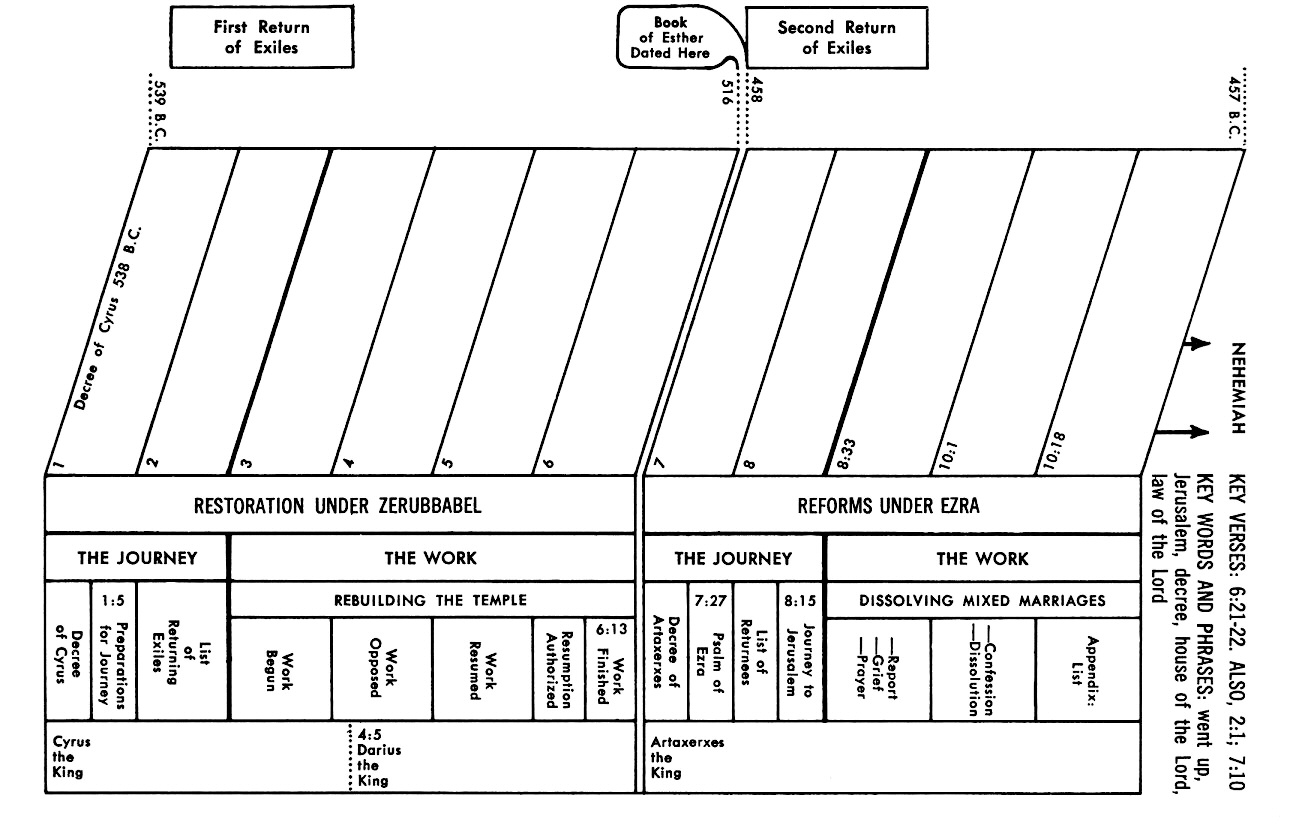
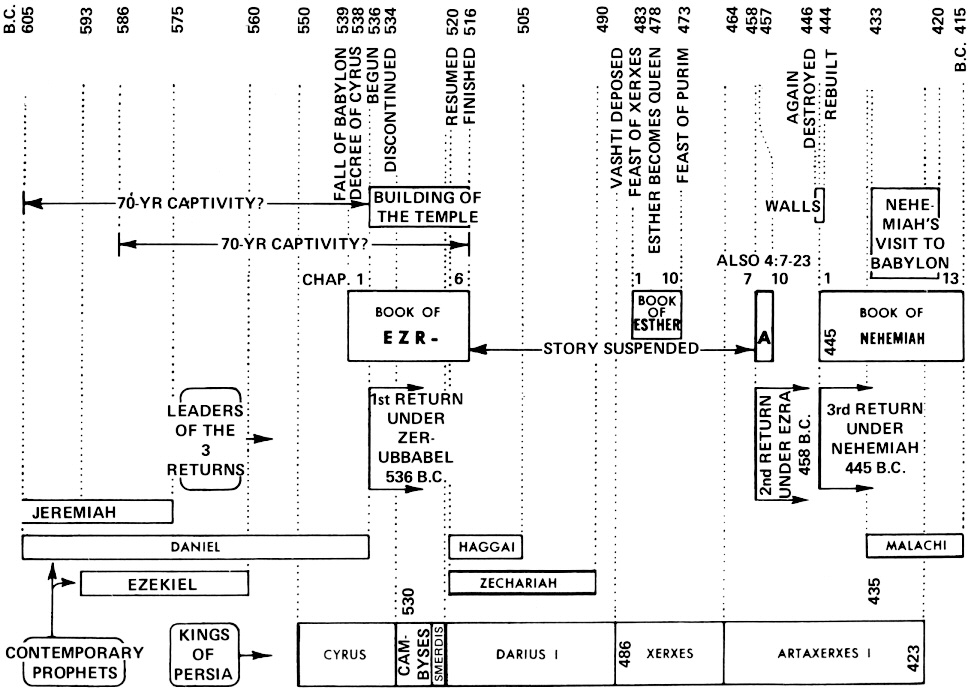
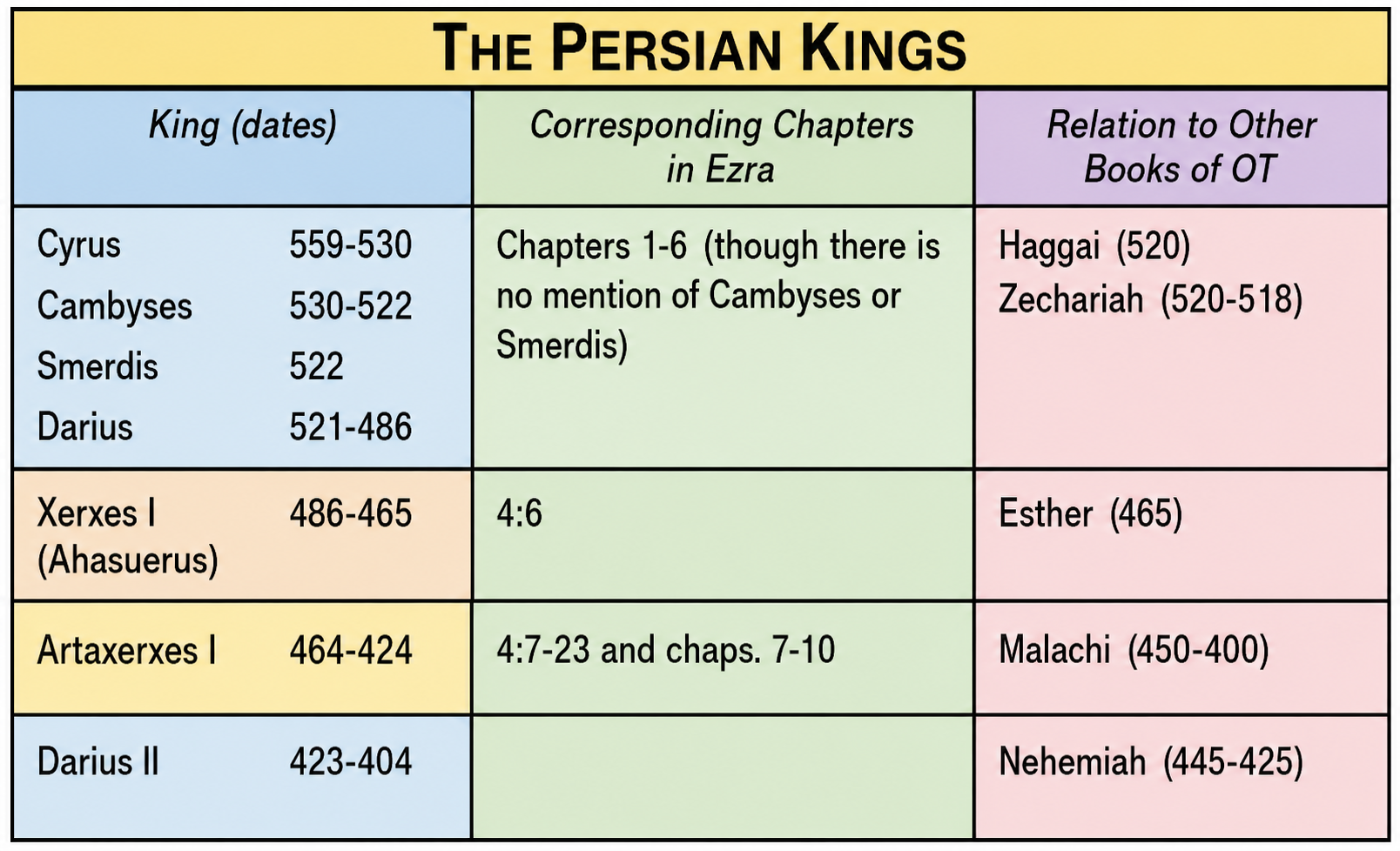
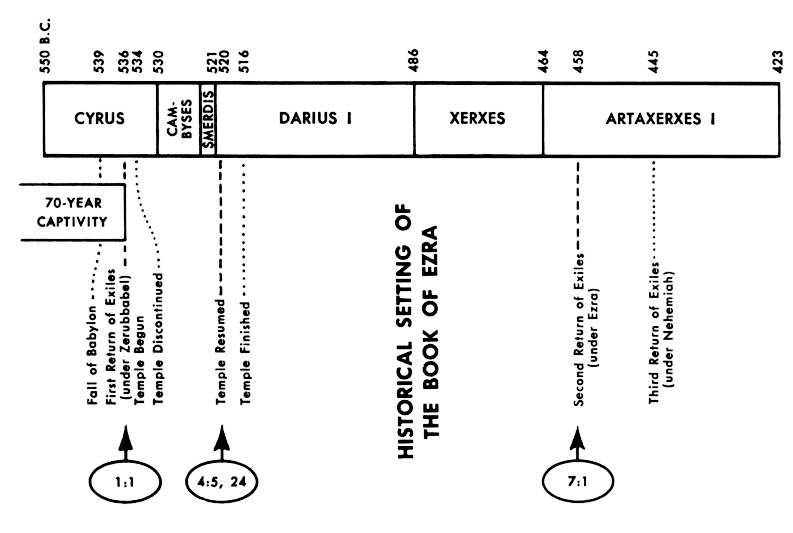
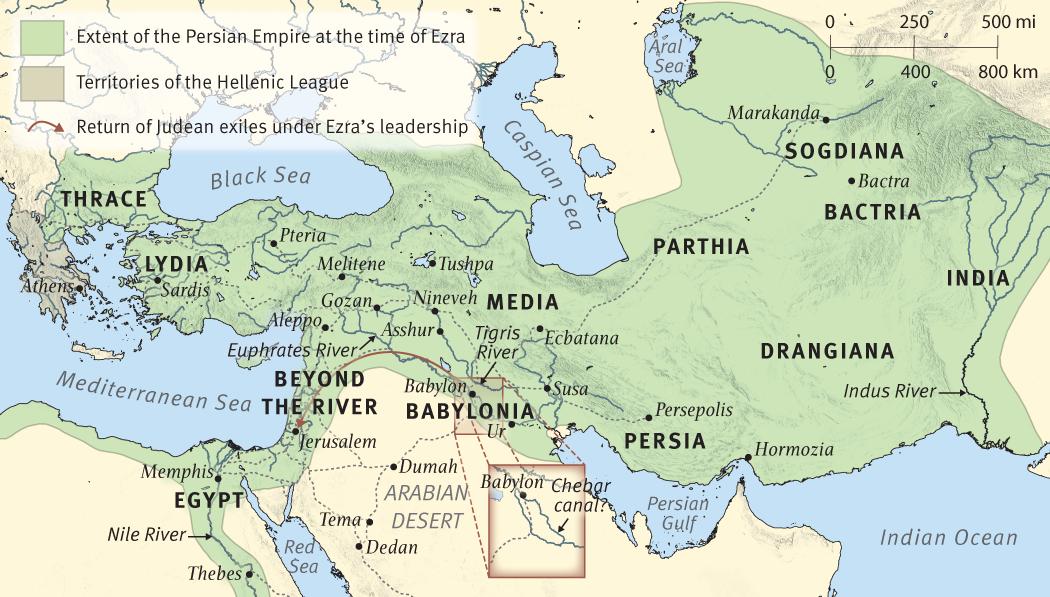
Source: ESV Maps
EZRA UNDER CONSTRUCTION
JUST A FEW NOTES NOW
WILL FINISH IF THE LORD WILLS
Ezra 3:1 Now when the seventh month came, and the sons of Israel were in the cities, the people gathered together as one man to Jerusalem.
- the seventh (KJV): Ex 23:14-17 Lev 16:29 Lev 23:24,27-44 Nu 29:1-40 Ne 8:2,14
- as one (KJV): Judges 20:1 Ne 8:1 Zep 3:9 Ac 2:46 Ac 4:32 1Co 1:10
Now when the seventh month came, and the sons of Israel were in the cities, the people gathered together as one man to Jerusalem
Bob Utley - "the seventh month" This is the month of Tishri in the Hebrew calendar (previously named Ethanim, cf. 1 Kgs. 8:2), which corresponds to our September/October. This was the month of three major annual feast days. On the first of the month was the Feast of Trumpets, on the tenth of the month was the Day of Atonement (cf. Lev. 16), and on the 15th through the 22nd was the Feast of Tabernacles or Booths (cf. Lev. 23:23-44; Num. 29:1-40). Special Topic: Ancient Near Eastern Calendars ▣ "gathered together as one man" This VERB is a Niphal IMPERFECT. The phrase is a Hebrew idiom for unity of mind and heart (cf. Neh. 7:72b-8:1 and also Jdg. 20:1,8,11). This assembly included women and children. The community unity can be seen in Ezra 3:9.
Henry Morris - to Jerusalem. This gathering at Jerusalem and reinstitution of the sacrifices (Ezra 3:2) probably marks the end of the seventy-year exile predicted by Jeremiah (Jeremiah 25:11,12; Daniel 9:2). Although the exact dates are uncertain, many authorities believe the exile began in about 605 B.C. and the return began in about 535 B.C.
Believer's Study Bible - 1-3) The renewing of daily sacrificial offerings on the altar prior to rebuilding the temple may appear to be inconsistent with the ritual of Judaism. Here again the scarlet thread of redemption surfaces. The prayers of Ezra, Daniel, and other leaders immediately before the intertestamental period are marked by confession of sin. The people went into exile because of disobedience and sin. Now they show a spirit of genuine repentance in their zealous determination to renew the blood sacrifices on the altar even before the temple is rebuilt. Judaism often maintained the sacrificial system perfunctorily, but these returning exiles seem determined to face and settle their sin problem first.
Ryrie - The journey of 530 direct mi (852 km) from Babylon to Palestine (about 900 traveling mi, or 1,448 km) would have taken at least four months, as it did Ezra later (cf. 7:8-9).
Matthew Henry - The altar and festivals - Ezra 3:1-7. From the proceedings of the Jews on their arrival, let us learn to begin with God, and to do what we can in the worship of God, when we cannot do what we would. They could not at once have a temple, but they would not be without an altar. Fear of danger should stir us to our duty. Have we many enemies? Then it is good to have God our Friend, and to keep up communion with him. Our fears should drive us to our knees. The sacrifices for all these solemnities were a heavy expense for so poor a company; yet besides those expressly appointed, many brought free-will offerings to the Lord. And they made preparation for the building of the temple without delay: whatever God calls us to do, we may depend upon his providence to furnish us with the needful means.
Steven Cole - A New Beginning with God (Ezra 3:1-13)
Harold Ross started The New Yorker magazine years ago in small offices, with little equipment. One day in a restaurant downstairs he met Dorothy Parker, one of the magazine’s first writers. “What are you doing here?” he asked. “Why aren’t you upstairs working?”
“Somebody was using the pencil,” she explained, “so I came down for some coffee.” (“Bits & Pieces,” [6/84], pp. 23, 24.) From such humble beginnings, The New Yorker has become a famous and widely circulated magazine. Almost everything great had a small beginning. You’ve got to start somewhere!
Our chapter is about a new beginning with God. To some of the old timers, it didn’t look like much. They were comparing it with the former glory of Solomon’s Temple that they had known, and this one didn’t pass muster. So they wept while the younger men rejoiced. But God used this new beginning to reestablish His people in their worship to Him amidst the rubble of what once had been Jerusalem. Concerning the temple that was begun here, the Lord said, “The latter glory of this house will be greater than the former” (Hag. 2:9). It was to this temple that the Lord Jesus Himself would come and bring the greater glory.
There are times in all of our lives when we need a new beginning with God. Maybe you have failed the Lord terribly through deliberate rebellion and sin. Perhaps you have drifted carelessly into the world and its ways, neglecting the things of God. Now you’re far from Him. A disappointment or trial may have caused you to drift from the close fellowship with God and His people that you once enjoyed. You need a new beginning.
But you wonder if it’s even possible. And if it is, where do you start? The thought of a new beginning is scary, because you don’t want to risk another failure. But you’re not content where you’re at. You’ve come to realize that the idols of Babylon can’t satisfy your soul. You’re so dissatisfied in Babylon that you’re willing to uproot yourself and make the difficult and perilous journey back to the land of promise. But you get there and discover that the land is just a pile of rubble. How do you begin again with God? Our chapter shows us four things:
1. New beginnings with God are possible no matter how spiritually low we have gone.
The nation of Israel was about as spiritually low as you can go. The northern kingdom had fallen to the Assyrians in 722 B.C., after a history of idolatry. The southern kingdom of Judah fell in 587 B.C., when Nebuchadnezzar destroyed Jerusalem and the Temple and dragged the Jews into captivity in Babylon. Fifty years passed when out of the gloom, according to God’s promise through Jeremiah 29:10-14, He stirred up the pagan king Cyrus to issue a decree permitting the Jews to return to the land.
Almost 50,000 Jews responded. They gave up their lives in Babylon, risked the dangerous and difficult journey across the desert, and now were back in the land. But it wasn’t the land the old timers had once known. It was a land devastated by war, suffering from 50 years of neglect. When in the seventh month (September/October) these Jews went up to Jerusalem (Ezra 3:1), they came to a city where the walls were torn down and the buildings, including the temple, had been destroyed 50 years before. The hostile people that had moved in viewed these returning Jews with suspicion. There was nothing happening spiritually. And yet God had promised a new beginning in this desolate ghost town (see Jer. 33:10-11).
Whether it is to His people corporately or to individual believers who have fallen into sin, our God is a God of new beginnings! To the fallen but repentant King David, the prophet said, “The Lord has taken away your sin” (2 Sam. 12:13). To the disobedient and chastised prophet Jonah, vomited out of the great fish, “The word of the Lord came … the second time” (Jonah 3:1). To the weeping and broken Peter, the risen Savior appeared privately to restore him. Have you failed the Lord miserably? God graciously offers you a new beginning! But, where do you start?
2. New beginnings with God must focus on the cross of Jesus Christ.
The first thing that the leaders, Jeshua and Zerubbabel, did when they saw the pile of rubble where the Temple once stood was to rebuild the altar (Ezra 3:2). From verse 6 we learn that they had done this prior to the first day of the seventh month, when the returned remnant gathered in Jerusalem. So when the people got to the devastated city, rising out of the rubble they saw a restored altar. Even though the foundation of the temple had not been laid, the sight of that altar filled them with hope!
Why did they begin with the altar? Because our fundamental need if we want to draw near to God is forgiveness of our sins. God designated the altar so that the one bringing the offering would be “accepted before the Lord” (Lev. 1:3). Concerning the altar, God had said, “I will meet there with the sons of Israel …” (Exod. 29:43). The sacrificial animals pointed ahead to God’s perfect, once-for-all sacrifice for sins, the Lord Jesus Christ.
If you have never begun with God, you must begin at the cross, where Jesus the Lamb of God shed His blood to atone for sinners. The Bible says that without the shedding of blood, there is no forgiveness (Heb. 9:22). Your good works can never earn God’s forgiveness. Either you put your trust in the perfect substitute God provided, the Lord Jesus Christ; or you must pay for your own sins with eternal separation from God in the lake of fire (Rev. 20:14). Faith in Christ’s blood is the only way to begin with God.
If you are a believer, but have strayed from the Lord, the cross is still the place for a new beginning. “If we confess our sins, He is faithful and righteous to forgive us our sins and to cleanse us from all unrighteousness” (1 John 1:9). Live daily at the foot of the cross.
3. New beginnings with God must focus on obedience to His Word.
How did they know to set up the altar? We read (Ezra 3:2), “as it is written in the law of Moses, the man of God.” Why did they observe the Feast of Booths? We read (Ezra 3:4), “as it is written,” and “according to the ordinance.” They weren’t making this stuff up according to their own preferences. They didn’t take a poll to find out what the people wanted to do. Maybe the old way of worship wasn’t in tune with the modern times! Maybe the younger generation wanted a more contemporary way of meeting with God! Why not throw out the old and bring in some innovation to liven things up? But they didn’t do that! They went back to the Word of God and they obeyed it.
There is nothing wrong with contemporary music and forms of worship, as long as they do not violate Scripture. Just because it’s old does not mean that it’s good or bad, and the same can be said of the new. Some of the old hymns contain great theology, and the younger generation should learn them and pass them on. Some of the old hymns are shallow and corny and should be forgotten! The same can be said of the newer music: Some songs are solid and edifying; some are theologically shallow and silly.
The standard we need to evaluate everything is, does it line up with Scripture and properly glorify God as He is revealed in His Word? And, does it promote holiness in God’s people, in line with His Word?
When it comes to how we should live as God’s people, we also must go to God’s Word and obey what He commands. God’s moral commandments do not adapt to the changing moral standards of our times. He hasn’t softened His views on premarital sex or homosexuality, in spite of what our modern society feels. God doesn’t say, “Well, if you feel really good about marrying a non-Christian, and you’ve prayed about it, then I guess it’s okay!” His Word plainly declares, “Do not be unequally yoked with unbelievers” (2 Cor. 6:14). And, “Let us cleanse ourselves from all defilement of flesh and spirit, perfecting holiness in the fear of God” (2 Cor. 7:1).
If you want a new beginning with God, it’s available. Begin at the cross and then walk in obedience to His Word.
4. New beginnings with God must focus on building His house.
Verse 6 implies that while their new beginning of rebuilding the altar was good, something major was still missing: They had not yet laid the foundation for the temple. These verses contain three references to the temple (Ezra 3:6, 9, 10) and five where it is called the Lord’s house (Ezra 3:8 [2x], Ezra 3:11, 12 [2x]). The temple or house of the Lord was the place where He dwelled among His people and manifested His glory. His people went there to offer sacrifices for forgiveness of sins and for thanksgiving for His goodness to them. It was a place of corporate celebration, where all Israel gathered three times a year for the feasts of Passover (March/ April), Pentecost (May/June), and Tabernacles (or Booths; September/October). The restored nation could not properly worship God until they rebuilt His house.
The remarkable thing is that we as God’s church are now His temple or house, where He dwells in us and walks among us (1 Cor. 3:16; 2 Cor. 6:16; Eph. 2:19-22)! The building where we meet is not God’s house; it is only the place where God’s house gathers for worship. God’s house or temple can meet in private homes or in a park or a barn or a cathedral. But we need to remember that the place isn’t sacred; the people are sacred! When even two or three of God’s people gather in the name of Jesus, He is there in their midst (Matt. 18:20).
The application is that if you need a new beginning with God, don’t try to go it alone. There is a sense, of course, in which any new beginning must be intensely private. You must go to the Lord in private and confess your sins and personally appropriate the shed blood of Christ. You must personally get into God’s Word and begin to obey it in your daily life, starting on the thought level. If you have not started there, you can go to church meetings every day of the week, but you will simply be reinforcing hypocrisy in your life, putting on a good front to others while your private life is in shambles.
But once you’ve begun anew in private, you very much need to be built together with others who have a commitment to know God. Without that commitment to other believers, the world, the flesh, and the devil will overwhelm you. But, you may wonder, how do we build God’s house? Our text reveals at least five factors:
A. BUILDING GOD’S HOUSE REQUIRES THE COURAGE TO STAND TOGETHER AGAINST THIS HOSTILE WORLD.
They rebuilt the altar because, “they were terrified because of the peoples of the lands” (Ezra 3:3). These words imply “that the threatening situation had brought home to them their need of help, and therefore of that access to God which was promised at the altar” (Derek Kidner, Ezra & Nehemiah, Tyndale Old Testament Commentaries [IVP], p. 46). Some may have focused on building a strong and well-armed militia. But these men knew that help from man is in vain if the Lord is not in His rightful place. If they put God first by rebuilding His altar, then He would protect them from the enemies who weren’t happy about their return. God wants a people for His name. If we will seek first His kingdom and righteousness, He will take care of our basic needs.
Courage does not mean a lack of fear, but rather the gumption to stand firm in threatening circumstances because your trust is in the Lord. Courageous Christians will admit, “I could lose my friends or my job or perhaps even my life, and yes, that is a scary thought. But I will not compromise my commitment to Jesus Christ to preserve any of those things, which are all going to perish soon anyway. Then I will stand before God.” So we fear God more than we fear anything in this evil world. (Luke 12:4-5.) You may have to have that kind of courage alone. But it’s easier to take that sort of stand with other believers who support you with encouragement and prayer.
B. BUILDING GOD’S HOUSE REQUIRES GIVING OUR RESOURCES.
These people had just returned to the land, which meant giving up their source of income in Babylon and making a four-month trek to a land that had no crops waiting to be harvested and no jobs or economy. Surely most of them were not wealthy after 50-70 years in captivity. But when they saw that the house of God was a pile of rubble, they gave money, food, drink, and oil for the labor and materials to rebuild the temple (3:7).
Building God’s house requires money. Your willingness to give and the proportion that you give are perhaps the best indicators that Jesus is Lord of your heart. If statistics mean anything, the modern evangelical church is not living under the lordship of Christ. This week I received a letter with these statistics:
(a) In churches whose sole stewardship method is receiving offerings, and people base their decisions on a dollar amount, without writing it on paper and turning it in annually, attendees give an average of 1.5 percent of their incomes.
(b) In churches that ask people to annually write on a card and turn in a dollar amount based on a budget goal, parishioners give an average of 2.9 percent of their incomes.
(c) In churches that ask people to annually write on a card and turn in a dollar amount based on a percentage of their income, attendees give an average of 4.6 percent of their incomes.
Among all denominations, 63 percent of pastors give at least 10 percent of their before-taxes income. Yet, one out of three does not tell their congregations, thereby missing a great influence opportunity. (From Steve LeBar, citing Leith Anderson, Leadership That Works.)
Our church fits the first description as far as stewardship method. I hope that we do not match the 1.5 percent! I fit the one out of three pastors who is reluctant to tell the church how much we give. But if it encourages anyone to be more faithful, I will share that the Lord has enabled us for many years now to give more than 20 percent of our pre-tax income to His work. If you want a new beginning with the Lord, start with financial faithfulness. Jesus said that if we are faithful with the “little thing” of money, God will entrust true riches to us (Luke 16:10-13).
C. BUILDING GOD’S HOUSE REQUIRES WORKING IN UNITY UNDER GODLY LEADERSHIP.
Israel came “together as one man to Jerusalem” (3:1). The various leaders “stood united” (Ezra 3:9) with one another to oversee the workers who were rebuilding the temple. Unity was essential because of the enemy outside that would shortly threaten and shut down the work. The leaders wisely delegated the work so that it did not fall on just a few. Any significant work for God is the work of many members working together in harmony, under godly leaders.
When the enemy wants to stop such a work, often he disrupts the unity. When that happens (as has happened here in the past few months), there are several dangers. Leaders can be tempted to compromise important truth for the sake of preserving unity, but this always leads to greater disaster down the line because it undermines God’s Word. Leaders also can react in the flesh by lashing out in anger or personal counter-attacks, thus tarnishing their qualifications as spiritual leaders.
Workers can use the occasion to vent their frustration against the leaders because of personal issues that they feel have not been properly addressed. Workers also can form factions based on friendships and other emotional issues, rather than submitting to the God-ordained leaders. Gossip and false rumors can quickly spread through the body because people listen to those who are disgruntled and do not go directly to the source to ascertain the truth. All in all, Satan has a heyday and many of the Lord’s people end up wounded. So we must be diligent to preserve the unity of the Spirit in the bond of peace, while striving to attain to the unity of the faith that comes with spiritual maturity (Eph. 4:3, 13).
D. BUILDING GOD’S HOUSE REQUIRES A RENEWED EMPHASIS ON CORPORATE WORSHIP.
Much could be said here, but I must limit myself. Note first that both personal and corporate worship focus on God and affirm by faith His goodness and covenant love (Ezra 3:11). Worship requires skillful musicians (Ezra 3:10), but if the focus is on them, you’re into entertainment, not worship. Worship praises the Lord, saying, “For He is good, for His lovingkindness is upon Israel forever.”
Remember, these people had just come through 70 years of captivity in Babylon. Many had lost loved ones, as well as possessions and homes, when Jerusalem fell. If they had been focused on themselves, they would have complained and impugned the goodness of God. But by faith they knew that the Lord had afflicted them out of His goodness (Ps. 119:67, 71). So now they could sing of His goodness and covenant love toward His people.
Second, notice that these people expressed their emotions in their praises. They shouted for joy and it was a loud shout (Ezra 3:12-13). Some of us non-charismatics are a bit too restrained in our worship. Certainly there is the danger of emotion pumped up by sentimental tunes sung over and over until they produce the desired state of ecstasy. That is wrong. But if our focus is on our great, faithful, loving, covenant-keeping God and the truth of His Word, it should affect our emotions! How can we not be moved when we think on His abundant grace? Finally,
E. BUILDING GOD’S HOUSE REQUIRES A SPIRIT OF COOPERATION AND UNDERSTANDING BETWEEN THE OLD AND THE YOUNG.
The young people were thrilled as they saw the foundation of the temple laid. All they had ever known was Babylon and its temples for idols. Here they were, back in the land of promise, in the city of God’s choosing, and the foundation for the Lord’s house was laid! They had never seen anything like it!
But the old timers had seen something far greater: Solomon’s Temple in all its golden glory. For them, this puny foundation amidst the rubble and broken down walls of Jerusalem was pitiful. So while the young men shouted for joy, the old men wept in grief. You couldn’t tell who was laughing and who was crying, except that the division pretty much fell along age lines.
There were two dangers, as there always are in these matters. The old guys could have discouraged the younger men from this new beginning. That would have been tragic. They had to start somewhere, and even though this new beginning didn’t match the former glory, it was a start, and it was where God was now working. The other danger was that the young guys could have ignored the wisdom and experience of the old guys, in which case they would have made more mistakes and repeated the failures of the past. The older folks needed the enthusiasm, energy, and joy of the younger folks, and the younger folks needed the wisdom, maturity, and experience of the older folks.
There are churches made up of a few old folks clinging to their favorite old hymns and their King James Bibles. They can’t understand why the younger folks don’t join them, and they’re dwindling in numbers. Other churches are made up mostly of young people who have cast off the traditions of the older folks. Often they are exciting, growing churches that have almost no resemblance to churches of the past. But they’re in danger of casting off centuries of Christian heritage and of making some serious mistakes that could be avoided if they would learn from the older generation. We need all ages in God’s church, and we all should learn from one another.
Conclusion
Do you need a new beginning with God?
New beginnings with God are always possible and must focus on the cross, on obedience to God’s Word, and on building His house.
Wherever you’re at, God’s door is open. He invites you to a new beginning with Himself.
Discussion Questions
- How can a person keep a new beginning with God from fizzling out? What sustains it over the long haul?
- How can we determine which aspects of worship are merely cultural and which are biblically essential?
- How can we determine which commands in the Bible are absolute and which are culturally relative? (Gender roles, head coverings for women, modest clothing, etc.)
- Jonathan Edwards argued that true religion consists largely in “holy affections” (emotions). Is this so? How can we know whether our emotions are holy or just due to our personalities?
- What can the older believers learn from the young (and vice versa)? To what extent should one side cater to the other?
Brian Bell - Nehemiah 3:1-13
- Intro:
- So, how do I restore things after Gods chastening is complete...after I’ve blown it so bad?
- Israel...repented (in Babylon) then Gathered, Worshiped, Celebrated, Worked & Sang.
- Might be a good model for us?
- Upon their return the Jews soon accomplish 3 of their goals:
- The Altar is rebuilt (Ezra 3:1-3) & daily sacrifices are immediately resumed.
- The Festival of Tabernacles/Shelters is observed (4-6).
- The Temple construction is begun (Ezra 3:7-9).
- Outline: Gathering Together. Worshiping Together. Celebrating Together. Working Together. Singing Together.
- So, how do I restore things after Gods chastening is complete...after I’ve blown it so bad?
- WORSHIP RESTORED (Ezra 3:1-13)
- Gathering Together (Ezra 3:1)
- Uniting together as one man is the 1st key.
- Worshiping Together (Ezra 3:2,3)
- It would have been very easy to be content with their arrival & resettlement.
- But they immediately go to work on the central feature of the Temple…the Altar (w/o this they could not approach God or expect His blessing)
- They placed Worship 1st…this is a great illustration of Mt.6:33 But seek first the kingdom of God and His righteousness, and all these things shall be added to you.
- So they did.
- (Ezra 3:3) Fear had come upon them because of the people of those countries.
- Because of this they were acutely aware of the need for God’s protection.
- In the following chapters we’ll see their fears were completely justified.
- Celebrating Together (Ezra 3:4-7) [Tab/Shukkot/booths/Feast of Ingathering (as it was at the completion of the Harvest)]
- This was a joyful feast of thanksgiving. [It’s actually a Jewish Thanksgiving of sorts]
- To remember their time in the wilderness in tents, so they would always remember not to dig in to this world, but to view it as a temporary place. So they’d stay in tents/make shift lean-to’s for a whole week.
- This was the most joyful feast of the year. A festival packed with Joy & feasting lasting 1 whole week.
- This came right after the Day of Atonement.
- True Joy comes only when we know we are right w/God.
- Ps 51:7,8,12 Purge me with hyssop, and I shall be clean; Wash me, and I shall be whiter than snow. Make me hear joy and gladness, That the bones You have broken may rejoice…Restore to me the joy of Your salvation, & uphold me by Your generous Spirit.
- Parents: next camp-out you take your tikes on, use this as a mini-devotion, a reminder that we are pilgrims also, we’re just passing through.
- Cedar Logs from Tyre/Sidon to Joppa/Jaffa. Perhaps an echo of Solomon’s preparations.
- Working Together (Ezra 3:8-10)
- How did they know how to build it?
- The Scriptures told them all they need to know to rebuild the temple.
- They simply followed God’s plan.
- The foundation (Ezra 3:10) is the most important part of the structure because it determines the size, shape, & strength of the structure.
- Do you have the right foundation for your life? Do you know how to build it? Are you following God’s plan?
- Singing Together (Ezra 3:11-13)
- Sang responsively - The structure of Psalm 136 suggests that it was used anTIPHonally.
- Antiphonal = is a short sentence that is sung, recited, or played alternately by 2 groups in worship, with one part of the congregation making a statement or phrase and the other part responding with the refrain.
- Wept – remember some of the men watching all of this, were alive when Nebuchadnezzar burned the Temple to the ground.
- Read Haggai 2:3 it let’s us know that this Temple was kind of plain compared to the last
- There was no ark, no visible glory, actually even no temple at this point...only some beginnings, and small beginnings at that.
- Thus Haggai & Zechariah were the prophets of the day, in the same context (Temple being rebuilt) Zechariah adds in Zech 4:10, For who has despised the day of small things?
- There was no ark, no visible glory, actually even no temple at this point...only some beginnings, and small beginnings at that.
- Do you despise the small things God is doing in your life? [always look back to the foundation]
- These small things add up. Small things are ordained by a very big God.
- Instead of despising & becoming discouraged with the small & the ordinary, rejoice!
- God is working in & through them for His everlasting glory & your eternal joy.
- Here are some examples:
- Don’t despise the small things of prayer, by means of which God changes people’s hearts.
- Don’t despise the small things of service in the local church, by which God is glorified and people encouraged.
- Don’t despise the small things of working in the seemingly insignificant place like the church nursery, by which you reflect Christ like love and compassion.
- Don’t despise the small things like daily bible reading, by which your heart is transformed by the power of the Holy Spirit.
- Don’t despise the small things of daily obedience and sacrifice through which your heart is trained and molded after the Savior.
- Don’t despise the small things of putting sin to death, by which you are responding to the victory Christ has won for you.
- Don’t despise the small things like gospel joy, these things indicate you are alive and God is thrilling your soul with his son.
- Don’t despise the small things like not getting bitter and walking in the Spirit, by which you promote the power of the gospel.
- Don’t despise the small things like daily loving, leading and learning your wife, through them you begin to more clearly reflect Christ’s love for the church.
- Don’t despise the small things like respecting and submitting to your husband, by them you showcase the beauty of Christ’s submission to his Father.
- Don’t despise the small things like honoring your parents, by them you demonstrate that there is a God who is bigger than you, whose authority you value.
- Don’t despise the small things like working hard at your job or school everyday, in these things you show that there is something more profound, more powerful, more worthy than the fluctuating value of the American dollar.
- Don’t despise the small things like speaking of Christ to others, by which unbelievers may come to trust and treasure Jesus.
- Don’t despise the small things of corporate worship, the singing of songs and preaching of the word, through which there is an announcement of the kingdom of our Lord Jesus.
- Don’t despise the day of small things, but Rejoice! Rejoice!
- Temples in Scripture:
- Solomon’s – David’s Heart to build God a home. Destroyed by Nebuchadnezzar in 586bc, at the destruction of Jerusalem.
- Zerubbabel’s – Completed & dedicated (516bc). Desecrated in 169bc by Antiochus Epiphanes.
- Herod’s – was actually a restoration of Zerubbabel’s. It was built from 19bc-to nearly complete in ad70, when Titus destroyed it. Since then, no physical Temple.
- Present Temple – In the heart of the believer. Your body is the temple of the Holy Spirit who is in you. You are the temple of the living God.
- Temple of Rev.11 – Will be constructed during the Tribulation, then desecrated by the man Anti-Christ. Then destroyed at end of trib.
- Millennium Temple –Ezek.40-42 gives the details. The builder the Messiah Himself.
- Eternal Temple – Rev.21:22 syas there is no temple in New Jer. Because, the Lord God Almighty & the Lamb are its Temple.
- Haggai 2:9 says, The glory of this latter temple shall be greater than the former (i.e. Zerubbabel’s remodel of Solomon’s) Why? Because Jesus visits it personally.
- We need to be careful looking back to the past though.
- The old looked back & wept. The young looked ahead & rejoiced. [Tears & Cheers]
- Be careful not to concentrate on your past, least you rob yourself of a glorious future.
- You can’t change the past, but the past can change you.
- Either for the better or for worse. Example? [makes you bitter or better]
- The Past can be a rudder that guides you or an anchor that hinders you.
- Or an iceberg to sink you (pstr Todd)
- Leave your past mistakes w/God & look to the future by faith.
- The spiritual building process is just like the physical building process…it is a process.
- The project won’t be complete until we get to heaven.
- Meanwhile, many around us are watching our spiritual building going up.
- 1 Pet.2:5 you also, as living stones, are being built up a spiritual house, a holy priesthood, to offer up spiritual sacrifices acceptable to God through Jesus Christ.
- Yes we are under construction…but the project is in the hands of the Master Builder. That means, the building will one day be complete…& it will stand forever.
- Where are you in the spiritual building process?
- Just laying the foundation? Well into the project?
- Have resistance or opposition? Maybe you’ve put things on hold?
- Are you just coming out of captivity...and thinking about starting fresh?
- How would you describe where you are right now in your spiritual life?
- As they Sang Responsively - so will we as Romulo leads us in Psalm 136.
- Our response will be, His love endures forever.
- The word love (ḥeseḏ) is God’s covenantal loyal love which exists forever with His people Israel & with us.
Dale Ralph Davis - God's People in Gray Times (Ezra 3)
Calvin Coolidge published some truisms in his 1930 news column. These were observations like: Our banking system is not yet perfect; public officers are not infallible; the future may be better or worse. Such conditions roughly typified life for the Jewish remnant around 538 B.C. It was hopeful - but hard; encouraging to a point - but tough. There were sort of gray times. But Ezra 3 seems to indicate that God's people can live through their gray times. What can we expect as God's people, and what are our duties in such times?
I. The Circumstances We Will Face - Ezra 3:1-6
The focus here is on the altar not the temple itself (note Ezra 3:2). Observe how the text describes Israel and, by implication, us.
They are fearful (Ezra 3:3). They "set up the altar," then note the causal connection: "for [it was] on account of dread upon them because of the peoples of the lands." The NIV obscures the connection (see the NASB). The "peoples" apparently mean not only the Samarians, but also those of the lands around.
They are faithful (Ezra 3:2, 4). Joshua and company joined Zerubbabel and company in building the altar to offer burnt offerings "as it is written in the torah of Moses the man of God" (Ezra 3:2). Then verse 4 relates that they celebrated the Feast of Tabernacles "as it is written." Their worship was inaugurated and carried out in accordance with what God required of them ("as it is written"). Indeed, they established a program of regular, ongoing worship (Ezra 3:5-6). Now bring in verse 3 again - that verse implies that their fears drove them to worship, to seek God. Is that legitimate? Should we have higher motives? Maybe. But what's wrong with this? In our fears, what better recourse can we have than God? Why shouldn't we take our fears to his altar (cf. Jacob's very candid prayer in Gen 32:11-12)? In their altar building they unashamedly assumed that God was their refuge. Together these two sub-points make a crucial point: you can be fearful and faithful at the same time.
They are fragile (Ezra 3:4). Note the reference to observing the "Feast of Booths" or "Feast of Tabernacles." The "seventh month" in verse 1 indicates the time for this festival. Pay special attention here to Leviticus 23:39-40, 42-43(cf. also Num 29:12-38, where the types and amounts of sacrifices for the Feast of Tabernacles are outlined). The Feast of Tabernacles was meant to remind Israel of their wilderness experience post-Egypt; during this week they were to live in lean-tos or huts ("booths"), which conjured up so vividly their precarious existence during the wilderness years, to remind them of how fragile their life was at that time. It was as if God were saying to Israel, "That's always the situation of my people. Don't ever forget that your life hangs by a mere thread." The Feast of Tabernacles, or "Wilderness-Reminder Week," was Yahweh's annual reminder that our lives can often be bleak, uncertain, and insecure, and that he is our only sustainer. Strange, isn't it, how God often makes us combine worship with fear and uncertainty?
II. The Restoration We Can Expect - Ezra 3:7-11
This description goes beyond restoring the altar - now Israel looks to rebuild and restore the whole temple. So, there is preparation (obtaining materials [3:7]), organization (providing oversight [3:8-9]), and celebration (over the beginning of the work [3:10-11]).
Pay special attention to verses 10-11, especially verse 11, and then look at the promise of Jeremiah 33:7, 10-11
"I will restore the fortunes of Judah and the fortunes of Israel and will rebuild them as they were at first…" Thus says the Lord, "Yet again there will be heard in this place, of which you say, ‘It is a waste, without man and without beast,' that is, in the cities of Judah and in the streets of Jerusalem that are desolate, without man and without inhabitant and without beast, the voice of joy and the voice of gladness, the voice of the bridegroom and the voice of the bride, the voice of those who say, ‘Give thanks to the Lord of hosts, For the Lord is good, For His lovingkindness is everlasting'; and of those who bring a thank offering into the house of the Lord. For I will restore the fortunes of the land as they were at first," says the Lord.
Think what it must have been like when the Babylonians finally creamed Jerusalem and the temple (the situation Jeremiah's word presupposes). In that heap of rubble and smoking destruction, who would ever have thought that this day (of Ezra 3:10-11) would come? Do you see why the lyrics of Ezra 3:11 are so important? They show that Jeremiah 33:11 was beginning to be fulfilled! Against all human likelihood, God's people saw God's goodness again! It's very simple in one way, but sometimes you need to hear that word in your despair and sadness: you will yet see the goodness of God again. That is, by the way, typical of God (cf. Ps 30:4-5; Joel 2:25 RSV).
Initially, rebuilding the temple here might not strike you as terribly exciting. But you should look at it differently once you realize that from the perspective of the people in Ezra's day, it looked like the temple had no chance of being rebuilt. Christians are no strangers to these things, for our lives are as sin-racked as Israel's and Judah's. Consider the man who has engaged in pre-marital sex, brought shame on Christ, and decimated his own life. Yet, he is brought to repentance, is restored, and later is able to establish a home with a loving spouse. Or think of a daughter in her twenties who seems to have left behind and forgotten all the claims of Christ. She is long in the far country, and then the Father brings her back. Then there are relationships so marred that it looks like they will never be healed, and yet… Yahweh can make you sing again. This is the restoration you can expect.
III. The Disappointment We Must Control - Ezra 3:12-13
What a mixed response! From Ezra 3:12b it looks like the memory of the first temple clouded the day for some (see 1 Kings 5-7on Solomon's temple). The older folks could still recall that magnificence. And they could tell from the foundation of this projected temple that it would have none of the "pizzazz" of Solomon's. There is no problem here with the candor of their weeping, but there is a danger in it - it could color the whole occasion. But you can understand them, can you not?
In 1953 my father purchased a new car, a 1953 Chevrolet. As usual, he selected the most basic, stripped-down, economical model. He bought the "150" model, which had black rubber instead of chrome trim on the back fender. There was no radio. It had only regular hubcaps, no wheel covers, and a standard transmission, no "Power Glide." It was nothing like the fine looking "Bel Air" model. This second temple was a "150" model, and a major disappointment to those who had seen Solomon's Bel Air style.
Sometimes nostalgia like this can kill a church. We can also have problems if a church does not meet our expectations in its ministry or fellowship. In our culture of hyped-expectations, we tend to think that what is low-key, ordinary, plain, simple and quiet must be rather worthless - and this attitude can infect God's people. Sometimes we can be so caught up in desiring revival (not a series of meetings, but when God's Spirit is poured out in a striking way) that we may forget that it's possible to be faithful even when God doesn't send revival. We can still engage in family worship, sincere public worship, loving intercessory prayer, consistent Christian living in school or workplace. Don't despise the "day of small things" (Zech 4:10). What matters is not whether the church is grand, but whether she is genuine. The question is not "Is it jazzy here?" but "Is Jesus here?"
Can the people of God live through their gray days? Yes, by running with their fears to worship their Savior; by expecting that though God has dashed their hopes they will yet see the goodness of the Lord in the land of the living; and by being content when God prefers to work in plain, ordinary, non-sensational ways.
Ezra 3:1-13
Father, if you are willing, take this cup from me; yet not my will, but yours be done. - Luke 22:42
TODAY IN THE WORD
A small congregation purchased ground and saved for several years to build a new church building. Members cheered aloud the day the contractor put up the first wall. But once they began worshiping in their new building, a strange thing happened. The church experienced a collective sense of depression. They enjoyed the amenities of their new church but missed the intimacy of their old building, even though it had only been a storefront in town.
The exiles who returned to Jerusalem and saw the foundation of the second temple laid in Ezra’s day felt a similar ambivalence. Although Cyrus had issued the original decree that opened the way for the reconstruction of the temple in Jerusalem, the work did not begin in earnest until the time of Artaxerxes I. Ezra returned with about 5,000 exiles to complete the work Nehemiah had begun.
Ezra’s commission did not reflect genuine faith by Artaxerxes. Although the king expressed concern about the wrath of Israel’s God, his policy seems to have been driven more by motives of political expediency than by religious conviction. Persian rulers found it more effective to accommodate the religious customs of the nations they subjected than to disrupt and relocate them like the Babylonians had done. God used this more “enlightened” policy to accomplish His goals and fulfill His promise to restore Jerusalem.
The initial efforts of the returned exiles, led by Joshua the high priest and Zerubbabel the governor, begun three months after their arrival, reflected both faith and fear. According to Ezra 3:3 they built the altar on the foundation of the original “despite their fear of the peoples around them.” Faith is not incompatible with fear. The two often coexist.
When the time came to lay the foundation of the temple itself, the builders did so to the sound of trumpets and cymbals as the Levites sang a psalm. The people shouted in response—but not everyone cheered. The older priests who could still remember Solo-mon’s temple wept so loudly that it was impossible to distinguish the shouts of joy from the sound of weeping.
APPLY THE WORDIf fear is sometimes compatible with faith, so is ambivalence. Jesus’ prayer in the garden is proof of this. In His prayer Jesus speaks of two “wills.” One is His own, and the other is the will of His heavenly Father (Luke 22:42). Jesus’ confidence that the Father’s will was superior is what separated His understandable ambivalence from our sinful rebellion. If you are struggling with this, pray the words of Jesus and ask the Spirit to strengthen you to obey the leading of the Lord.
Ezra 3:1-13
Reform your ways and your actions and obey the Lord your God. - Jeremiah 26:13
TODAY IN THE WORD
When the Olympic Games resumed in London in 1948 after a twelve-year absence due to World War II, the competitors included two athletes who represented what could be called the old and the new of Olympic champions. A Dutch track star who had first competed in the 1936 Games in Berlin, Germany, returned in 1948 at the age of 30. She was relatively old by Olympic standards, but she won four gold medals! Another hero at the 1948 Games was a 17-year-old American named Bob Mathias, who won gold in the decathlon.
Interesting things happen when the old and the new come together. One of the most famous examples of this in the Bible is found in today’s text, as the older exiles cried and the younger ones rejoiced when sacrifices were offered in Jerusalem for the first time in fifty years. The purpose of the exiles’ return to the land of Israel was to rebuild the temple and to re-establish worship as God’s covenant people.
Jeremiah had warned the people of Judah before their captivity to reform their ways, but they failed to obey God and suffered exile and the destruction of the temple. The people who came back under Zerubbabel knew they could not afford to make the same mistakes.
The first thing the people did under the leadership of Zerubbabel and the priest Jeshua was to build an altar on which to offer the sacrifices prescribed in the Law of Moses. The temple itself was still in ruins, and it would take some months to gather all the building materials that were needed. But the worship of God could not wait.
TODAY ALONG THE WAYThe exiles had to build their altar and worship God in the midst of people who didn’t know Him and were a cause for fear (v. 3). That sounds very familiar. As God’s people today, we are called to serve and worship Him in the middle of a culture that has forgotten Him and is often hostile to Christian faith. And if we’re honest, we have to admit that we are fearful sometimes. The next time you are tempted to fear, turn to 2 Timothy 1:7 and claim the truth of this great verse.
Ezra 3:2 Then Jeshua the son of Jozadak and his brothers the priests, and Zerubbabel the son of Shealtiel and his brothers arose and built the altar of the God of Israel to offer burnt offerings on it, as it is written in the law of Moses, the man of God.
- Jeshua (KJV): Hag 1:1,12,14 Hag 2:2-4 Zec 3:1,8 Zec 6:11, Joshua the son of Josedech
- Zerubbabel (KJV): Ezr 2:2 1Ch 3:17,19 Hag 2:21,23 Zec 4:6-10 Mt 1:12,13 Lu 3:27, Zorobabel, Salathiel
- as it is written (KJV): Ex 20:24,25 Nu 28:3-31 De 12:5-7 2Ch 6:6 Ps 78:68 Bp. Patrick observes, that before the temple was built, there seems to have been a tabernacle pitched for Divine service, as was in David's time, not on mount Moriah, but mount Sion, to be used while the temple was building. Let us learn hence to begin with God, and to do what we can in the worship of God, when we cannot do what we would. They could not immediately have a temple, but they would not be without an altar. Wherever a Christian goes, if he carry not with him the sacrifices of prayer and praise, he is wanting in his duty; for he has an altar ever ready that sanctifies both the gift and the giver.
Then Jeshua the son of Jozadak and his brothers the priests, and Zerubbabel the son of Shealtiel and his brothers arose and built the altar of the God of Israel to offer burnt offerings on it, as it is written in the law of Moses, the man of God
Bob Utley - "Jeshua the son of Jozadak" See note at Ezra 2:2. The father's name (cf. Ezra 3:2,8; Ezra 5:2; Ezra 10:18; Neh. 12:26) is spelled Jehozadak in 1 Chr. 6:14,15; Hag. 1:1,12,14; Hag 2:2,4; Zech. 6:11. Jeshua is never called High Priest in Ezra or Nehemiah, but he is in Hag. 1:1,14 and Zech. 3:1,8; Zech 6:11. ▣ "Zerubabbel the son of Shealtiel" See note at Ezra 2:2. ▣ "built the altar" This is a Qal IMPERFECT (BDB 124, KB 139). The returnees wanted to reinstitute the Mosaic rituals and procedures as much as possible. With the sacrificial altar they could begin the feast/rest/fast days of Lev. 23 and Num. 29. This altar was covered in bronze (cf. Exod. 27:1-8; Exod 38:1-7), which the Babylonians had removed. The inner stone structure of the altar remained. This was covered again in bronze and placed back in its original place. ▣ "the man of God" This is literally "ish" of Elohim. This phrase is used in the OT 76 times to describe YHWH's faithful servants:Elisha, Elijah, Moses (cf. Deut. 33:1; Jos. 14:6; Ps. 90:1; 1 Chr. 23:14; 2 Chr. 30:16; Ezra 3:2), Samuel, David, Shemiah, Hanan, anonymous (29 times)
F B Meyer on built an altar - This is the first thing that must be done before our temple-building or other undertakings can be crowned with success…. The new start that God Himself was giving would have been invalidated without the altar, which meant forgiveness for the past, and renewed consecration for the future.
Alexander Maclaren - There cannot be a temple without an altar, but there may be an altar without a temple. God meets men at the place of sacrifice, even though there be no house for His name....The ruined Jerusalem was better guarded by that altar than if its fallen walls had been rebuilt.
Ryrie - The altar was erected on the first day of the seventh month (v. 6), which was the beginning of the Feast of Trumpets (Num. 29:1-6), an interesting foreshadowing of Israel's final regathering. See note on Lev. 23:24. burnt offerings. For their significance, see note on Lev. 1:3. These were offered morning and evening (v. 3). See note on Ex. 29:38-41.
Ezra 3:3 So they set up the altar on its foundation, for they were terrified because of the peoples of the lands; and they offered burnt offerings on it to the LORD, burnt offerings morning and evening.
- the altar (KJV): 2Ch 4:1
- for fear (KJV): Ezr 4:11-16 Ezr 8:21,22 Ps 27:1,2 Ps 56:2-4
- even burnt (KJV): Ex 29:38-42 Nu 28:2-8
So they set up the altar on its foundation, for they were terrified because of the peoples of the lands; and they offered burnt offerings on it to the LORD, burnt offerings morning and evening.
Bob Utley - "So they set up the altar on its foundation" It is possible that the sacrificial altar was placed on a raised platform. Therefore, Ezra 3:2 refers to the altar itself and Ezra 3:3 to the platform (bama). ▣ "they were terrified because of the peoples of the land" This either refers to (1) the Jews who stayed in Palestine and resented the newcomers rebuilding or (2) Sanballat and Tobiah and their political and/or legal resistance to the rebuilding of the temple (cf. Ezra 4:4) In this context option #2 fits best. The phrase "the people of the land" (SINGULAR) originally referred to the landed nobility (pre-exiled, cf. 2 Kgs. 24:15), but it came to refer to the poor people of the land (post-exile, cf. 2 Kgs. 24:14); however, in this context it is plural and must refer to all the people groups in the Persian province called Beyond the River (i.e., Palestine and Lebanon). ▣ "burnt offerings morning and evening" This refers to "the Continual" (cf. Ezra 3:5). Two lambs offered every day at 9 a.m. and 3 p.m. (cf. Exod. 29:38-46; Num. 28:1-8).
F B Meyer - Ezra 3:3 - And they set the altar upon its bases.
This is the first thing that must be done before our temple-building or other undertakings can be crowned with success. It was well that the returned remnant made this their care; it augured well for their future. The new start that God Himself was giving would have been invalidated without that altar, which meant forgiveness for the past, and renewed consecration for the future.
Where is the altar in your life? Where the burned sacrifice which betokens entire surrender of consecration? It cannot be too often insisted on, that since Christ died for all, all died in Him. We were not only saved by His death, we were included in it, but we must appropriate and identify ourselves with it. We must look up to God and say, “I desire that this death should be mine, to the world, to sin, to the flesh; make it so by the power of the Holy Ghost, that in Jesus I may be truly dead unto sin, but alive unto Thee.”
Perhaps that last clause will help some souls most. Do not perpetually dwell on the dying side, but think much of the living side. Yield yourselves to receive God’s life, which is the life of the Son of God in the surrendered nature. Be very sensitive, and “quick of scent,” to every movement and prompting of the Holy Spirit. Seek the things which are above, where Christ, your life, is seated. So you will find your energy drained away from self to Christ. Because He lives you will live also. A maple tree planted on a barren soil sent out one of its rootlets to a richer patch not far away, and ultimately all its roothold was there, till finally it was bodily moved and transferred from its first position to this more salubrious one.
Ezra 3:1-6
Despite their fear of the peoples around them, they built the altar … to the LORD. - Ezra 3:3
TODAY IN THE WORD
When Jacob and his sons went to Egypt to escape the famine in the land God had promised to Abraham, the Lord told him that his descendants would one day return to the land of promise (Gen. 46:3-4; Gen 50:24-25). God kept this promise, miraculously leading the people of Israel from Pharaoh’s bondage. Yet on the verge of entering the Promised Land, the people balked. They heard the report from ten of the spies that focused on the dangerous inhabitants. They rebelled against Moses, preferring to base their decision on fear of others’ power rather than faith in God’s promise (see Num. 13:28-14:4).
Centuries later, the people of Israel were again returning to their land. Again God had kept His promise. And again, dangerous people inhabited the land. Anyone familiar with the history of Israel would wonder: What will they do this time? Will they respond in fear or in faith?
Notice in our passage today that the Israelites still feared the peoples who were in the land (v. 3). As we will see this month,this fear was not without reason. But they did not focus on their fear or their foes—they responded with worship. The leadership of Zerubbabel is introduced here, and he led the people in starting right away to rebuild the “altar of the God of Israel” (v. 2).
Although the temple had not yet been rebuilt, Zerubbabel and the people didn’t use that to excuse themselves from worship. The tone of the text indicates that they eagerly hurried to complete the altar so that they could resume worship. Obedience and worship are integrally connected throughout Scripture, including in the book of Ezra. The people of God exhibit their identity through worship offered to the Lord and obedience to His decrees. The specific offerings are listed in verses 3 through 5, and notice the refrain describing them: “in accordance with what is written in the Law of Moses,” “required number,” and “appointed sacred festivals” (vv. 2, 4, 5). The people took God’s Word seriously, and they acted in faith and obedience.
APPLY THE WORD
The Lord does not promise us a life free from opposition or obstacles, but He does promise to never leave us or forsake us (Deut. 31:6; Heb. 13:5). He doesn’t guarantee that we will never have people or situations to fear, but He does promise that He will reward our faith (1 Cor. 15:58). If you are facing a frightening situation, commit the outcome to God and choose to worship and obey Him. Offer Him your praises and service, knowing that His Word will never fail.
Ezra 3:4 They celebrated the Feast of Booths, as it is written, and offered the fixed number of burnt offerings daily, according to the ordinance, as each day required;
- the feast (KJV): Ex 23:16 Lev 23:34-36 Ne 8:14-17 Zec 14:16-19 Joh 7:2,37
- the daily (KJV): Nu 29:12-38
- as the duty of every day required (KJV): Heb. the matter of the day in his day, Ex 5:13 Ex 29:38 Jer 52:34 *marg:
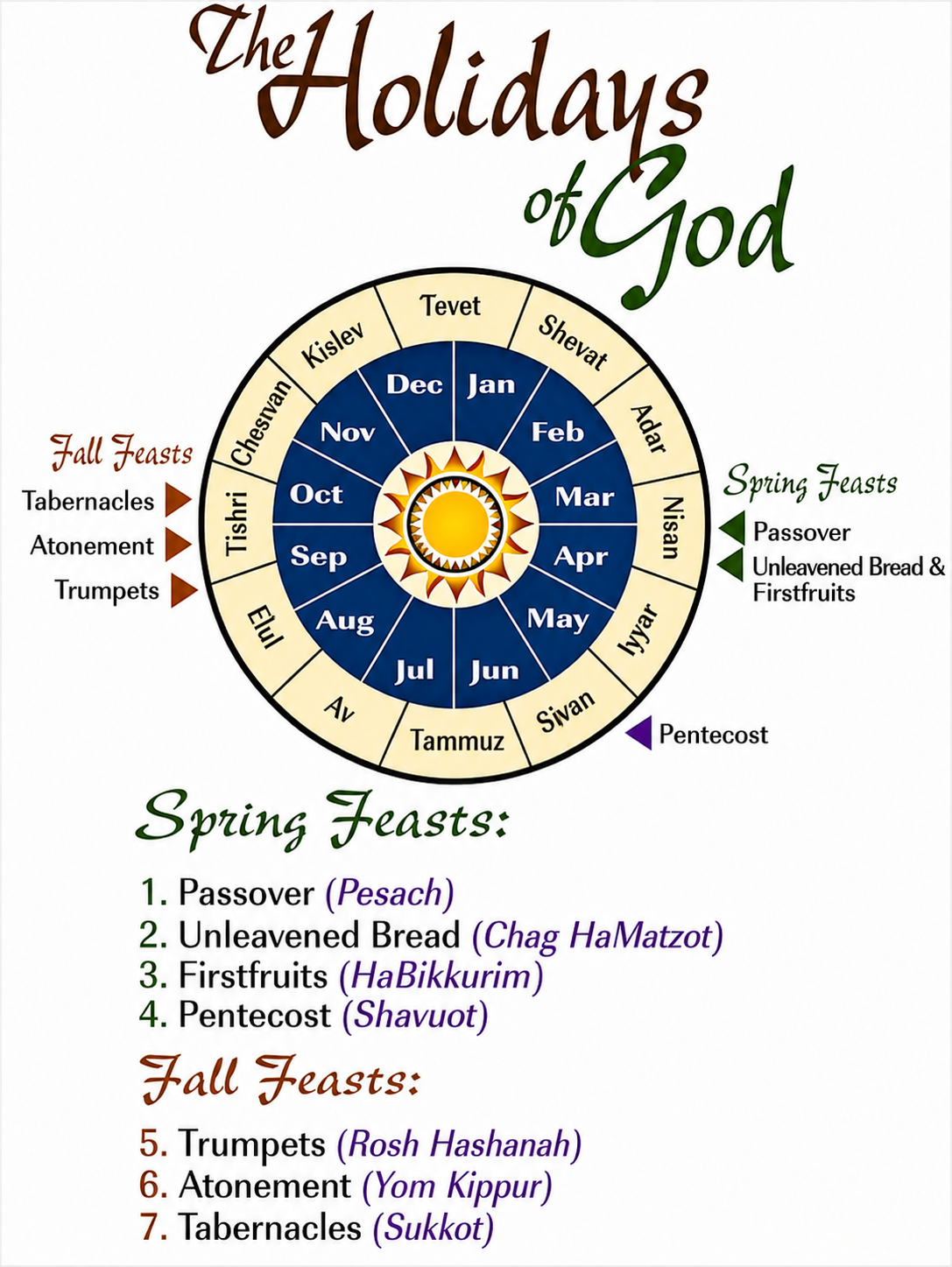
They celebrated the Feast of Booths (Tabernacles, Sukkot), as it is written, and offered the fixed number of burnt offerings daily, according to the ordinance, as each day required
Bob Utley - "They celebrated the feast of booths as it is written" This annual feast is mentioned several times in Moses' writings (cf. Exod. 23:16; Exod 34:32; Lev. 23:33-36, 39-43; Num. 19:12-38; Deut. 16:13-17). Its procedures are spelled out in great detail. Much of the timing and procedures of these Jews in re-initiating the sacrifice system follows Solomon's timing (cf. 2 Chronicles 7) and procedures of building the temple (cf. 2 Chr. 2-4, see note at Ezra 3:10). They want to legitimatize themselves as the true Israel, the true covenant people of God.
▣ "all the fixed festivals" See Lev. 23 and Num. 29.
▣ "a freewill offering" These could be offered at any time (e.g., peace offerings, cf. Lev. 3:1-17; Lev 7:13-34).
Ryrie - the Feast of Booths. Lasting from the fifteenth to the twenty-second of the seventh month (Sept.-Oct.). See note on Lev. 23:34-43.
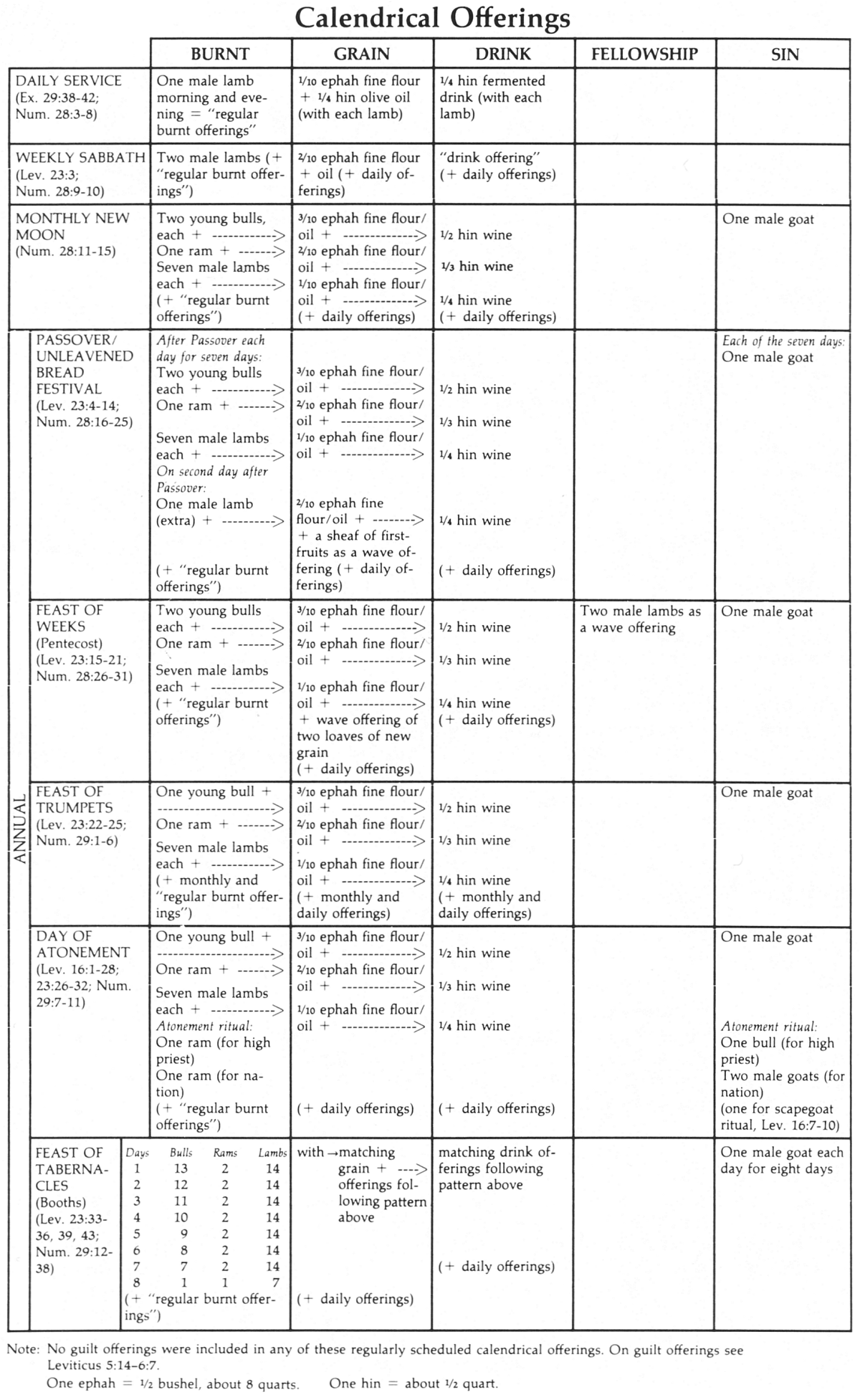
Summary of Numbers 28-29 Calendar (Source: Bible Knowledge Commentary)
Click to Enlarge
Ezra 3:5 and afterward there was a continual burnt offering, also for the new moons and for all the fixed festivals of the LORD that were consecrated, and from everyone who offered a freewill offering to the LORD.
- the continual (KJV): Ex 29:38-42 Nu 28:3-10,11,19,27 Nu 29:2,8,13
- willingly (KJV): Lev 1:3 De 12:6,17 2Ch 29:31,32
and afterward there was a continual burnt offering, also for the new moons and for all the fixed festivals of the LORD that were consecrated, and from everyone who offered a freewill offering to the LORD
Edwin Yamauchi - During their long stay in Babylon, the Jews were not able to offer any sacrifices, as this could only be done in Jerusalem. Instead they were surrounded by a myriad of pagan temples. About fifty temples are mentioned in Babylonian texts together with 180 open-air shrines for Ishtar, three hundred daises for the Igigi gods, and twelve hundred daises for the Anunnaki gods. (See The Expositor's Bible Commentary - Abridged Edition: ... - Page 50 or The Expositor's Bible Commentary: 1 Chronicles-Job - Page 404 or Ezra, Nehemiah, Esther - Page 147)
Bob Utley - "but the foundation of the temple of the Lord had not been laid" This Hebrew VERB (BDB 413, KB 417, Pual PERFECT) has a wide range of meaning (i.e., establish, found, fix, or restore, cf. NIDOTTE, vol. 2, p. 474-475), which seems to solve the contradiction between here (also Ezra 3:10) and 5:16 (Aramaic VERB, BDB 1095, Peal PERFECT). For the wide meaning of this word see (1) "restored," 2 Chr. 24:12ff AND (2) "was laid" or "established" (in the sense of continued, not just begun, cf. Kidner, Tyndale Commentary Series, p. 140), Hag. 2:18.R. K. Harrison, BORROW Introduction To The Old Testament, pp. 1139-1140,
"According to Ezra 4:24 and 5:1ff., work commenced in the second year of Dairus, whereas in Ezra 3:8ff. and 5:16 it is said to have occurred in the reign of Cyrus. This objection rests entirely upon a misunderstanding of the text. The rebuilding of the Temple did in fact commence in the days of Cyrus (Ez. 3:8ff.; 5:16), but when opposition to the project arose (Ez. 4:1ff.), the work was delayed, and in the end it ceased until the time of Darius (Ez. 4:24), the interval thus occasioned being the principal cause why Haggai and Zechariah were sent to stimulate the people into activity (Ez. 5:1ff.). Haggai clearly implies that some preliminary work had been done at the site (Hag. 1:4,9,14), while for his part Ezra (Ez. 5:16) does not state that the task had been pursued smoothly and without interruption since its inception."
Ryrie - Though the people observed the holidays of new moon (at the beginning of each month; cf. 2 Kings 4:23; Isa. 1:13) and sabbath, the merchants could scarcely wait until these days were over to get back to their business of cheating people. An undersized container (bushel) plus a heavy shekel (against which the customer weighed his own money) gave the merchant an illegal double profit.
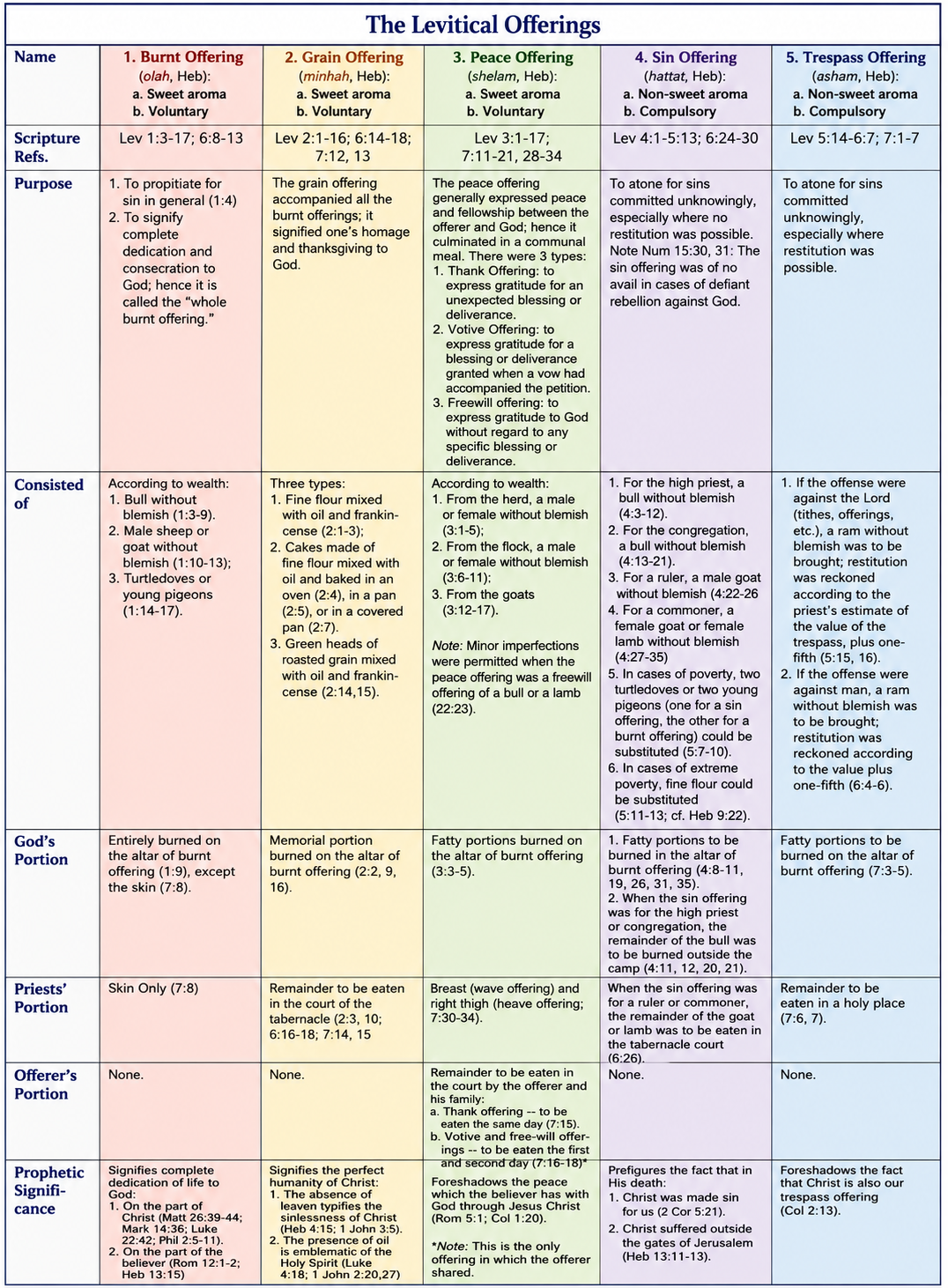
Ezra 3:6 From the first day of the seventh month they began to offer burnt offerings to the LORD, but the foundation of the temple of the LORD had not been laid.
- the foundation of the temple of the Lord was not yet laid (KJV): Heb. the temple of the Lord was not yet founded.
From the first day of the seventh month they began to offer burnt offerings to the LORD, but the foundation of the temple of the LORD had not been laid
Worship First
They began to offer burnt offerings to the Lord, though the foundation of the Lord’s temple had not yet been laid. Ezra 3:6
I’d never planned to start a non-profit organization about adult friendship, and when I felt called to do so, I had so many questions. How would the charity be financed, and who should help me build it? My greatest help on these matters ended up coming not from a business book, but a biblical one.
The book of Ezra is essential reading for anyone called by God to build something. Recounting how the Jews rebuilt Jerusalem after their exile, it shows how God provided funds through public donations and government grants (Ezra 1:4-11; Ezra 6:8-10), and how both volunteers and contractors did the work (1:5; 3:7). It shows the importance of preparation time, with rebuilding not beginning until the second year of the Jews’ return (3:8). It shows how opposition may come (ch. 4). But one thing in the story particularly stood out to me. A whole year before any building began, the Jews erected the altar (3:1-6). The people worshiped “though the foundation of the Lord’s temple had not yet been laid” (v. 6). Worship came first.
Is God calling you to start something new? Ezra’s principle is poignant whether you’re starting a charity, a Bible study, a creative project, or some new task at work. Even a God-given project can take our attention away from Him, so let’s focus on God first. Before we work, we worship. -- Sheridan Voysey (Reprinted by permission from Our Daily Bread Ministries. Please do not repost the full devotional without their permission.)
Reflect & Pray
Why do you think the Jews built the altar first? How could worship fit into your workflow today?
Heavenly Father, I worship You as Lord of all, including the tasks You’ve given me to do today.
Today's Insights
The book of Ezra is one of the post-exilic books in the Old Testament, meaning it recounts events following the exile of Judah to Babylon. After seventy years in captivity, when the people were allowed to return to the land of their forefathers, they found Jerusalem a mere shadow of its former glory. With both the impact of Babylon’s attack and the seven decades of neglect having taken its toll, the city needed to be rebuilt. However, the people also needed to be rebuilt in their relationship with God as His covenant people. Described as a teacher of the law (Ezra 7:6, 10), Ezra reestablished the law of Moses and called the people to worship the God their ancestors had forsaken—which had prompted the exile in the first place. Ezra was also of the priestly line, descending from Seraiah, the last chief priest to serve in Solomon’s temple (2 Kings 25:18).
Ezra 3:7 Then they gave money to the masons and carpenters, and food, drink and oil to the Sidonians and to the Tyrians, to bring cedar wood from Lebanon to the sea at Joppa, according to the permission they had from Cyrus king of Persia.
- gave money (KJV): 2Ki 12:11,12 2Ki 22:5,6 2Ch 24:12,13
- carpenters (KJV): or, workmen
- meat (KJV): 1Ki 5:6,9-11 2Ch 2:10-15 Eze 27:17 Ac 12:20
- Joppa (KJV): Joppa, now Jaffa or Yaffa, one of the most ancient sea-ports in the world, is situated in a fine plain on the shore of the Mediterranean, between Jamnia south and Caesarea of Palestine north, 150 stadia from Antipatris, according to Josephus, 30 miles south of Caesarea, 12 miles north of Ashdod, 9 miles west of Ramla, and 40 miles west of Jerusalem, according to modern authorities; and in lat. 32 degrees 50' long. 65 degrees 40' according to Ptolemy. It is still a considerable town, containing about 4,000 or 5,000 souls, and occupying a circular eminence close to the seaside, with a citadel on the summit; the bottom of the hill being surrounded by a wall 12 or 14 feet high, and two or three feet thick. The environs are occupied by extensive gardens. 2Ch 2:16 Jon 1:3 Ac 9:36 Ac 10:5,6
- according (KJV): Ezr 6:3-5
Then they gave money to the masons and carpenters, and food, drink and oil to the Sidonians and to the Tyrians, to bring cedar wood from Lebanon to the sea at Joppa, according to the permission they had from Cyrus king of Persia.
Bob Utley - The payment of these workmen is similar to the account paid for the construction of Solomon's temple in 2 Chr. 2:9-10,15-16. Much of the second temple was patterned after Solomon's temple, but on a much smaller scale. ▣ "Joppa" This was the seaport for Jerusalem. It was about 35 miles northwest of the city. It was the only natural harbor on this part of the Mediterranean coast. ▣ "according to the permission they had from Cyrus" This had become the legal issue of the challenge from Samaria. Cyrus' edict is recorded twice, once in Hebrew in chapter 1 and once in Aramaic in chapter 6.
Ryrie - 3:7 This pattern followed that of the building of Solomon's Temple (1 Kings 5:7-12). The details of Cyrus's decree are recorded in 6:3-5.
Ezra 3:8 Now in the second year of their coming to the house of God at Jerusalem in the second month, Zerubbabel the son of Shealtiel and Jeshua the son of Jozadak and the rest of their brothers the priests and the Levites, and all who came from the captivity to Jerusalem, began the work and appointed the Levites from twenty years and older to oversee the work of the house of the LORD.
- Zerubbabel (KJV): Ezr 3:2
- twenty years old (KJV): Nu 4:3 1Ch 23:24-32
Now in the second year of their coming to the house of God at Jerusalem in the second month, Zerubbabel the son of Shealtiel and Jeshua the son of Jozadak and the rest of their brothers the priests and the Levites, and all who came from the captivity to Jerusalem, began the work and appointed the Levites from twenty years and older to oversee the work of the house of the LORD.
Derek Kidner - This would hardly have escaped their notice – the second was the month in which Solomon’s Temple had been started (1 Kings 6:1) (Ezra and Nehemiah)
Bob Utley - "the second month" This was the same month when Solomon started building his temple (cf. 1 Kgs. 6:1; 2 Chr. 3:2). ▣ "appointed the Levites from twenty years and older" In Moses' day all of the people who were skilled worked on the tabernacle (cf. Exod. 35:10; Exod 36:4,8), but Solomon used only Levites (cf. 1 Chr. 23:4,24,27) from twenty years old and upward. Ritual service in the temple was limited to priests who were between thirty and fifty years old (cf. Num. 4:3) or starting at twenty-five (cf. Num. 8:24) and later changed to twenty, cf. 2 Chr. 31:17. For a good discussion of the changing age range see PAGE 136 IN Hard Sayings of the Bible
David Guzik - The Law of Moses commanded that the Levites begin their service at thirty years of age (Numbers 4:1-3, Numbers 4:3-47). David changed the starting point for Levitical service to twenty years of age (1 Chronicles 23:24). Under the leadership of Zerubbabel and Jeshua, they adopted David’s revised practice.
Ryrie - 3:8 the second year. The foundation was laid in the spring of 535 B.C., bringing to a close the 70 years of captivity, which had begun in 605. twenty years and older. See notes on Num. 4:3 and 1 Chron. 23:24. Though originally the age was 30, then reduced to 25, now it was 20, likely because of the shortage of Levites.
Matthew Henry - The foundations of the temple laid - Ezra 3:8-13. There was a remarkable mixture of affections upon laying the foundation of the temple. Those that only knew the misery of having no temple at all, praised the Lord with shouts of joy. To them, even this foundation seemed great. We ought to be thankful for the beginnings of mercy, though it be not yet perfect. But those who remembered the glory of the first temple, and considered how far inferior this was likely to be, wept with a loud voice. There was reason for it, and if they bewailed the sin that was the cause of this melancholy change, they did well. Yet it was wrong to cast a damp upon the common joys. They despised the day of small things, and were unthankful for the good they enjoyed. Let not the remembrance of former afflictions drown the sense of present mercies.
Sorrow and Joy by Amy Boucher Pye
Bible Reading: Ezra 3:8-13
Ezra 3 verse 13 says “No one could distinguish the sound of the shouts of joy from the sound of weeping.”
Angela’s family reeled with sorrow as they experienced three bereavements in just four weeks. After the one involving the sudden death of her nephew, Angela and her two sisters gathered around the kitchen table for three days, only leaving to buy an urn, get takeout and attend the funeral. As they wept over his death, they also rejoiced over the ultrasound photos of the new life growing within their youngest sister.
In time, Angela found comfort and hope from the Old Testament book of Ezra. It describes God’s people returning to Jerusalem after the Babylonians destroyed the temple and deported them from their beloved city (SEE Ezra1). As Ezra watched the temple being rebuilt, he heard joyful praises to God (3:10–11). But he also listened to the weeping of those who remembered life before exile (V. 12).
One verse especially consoled Angela: “No one could distinguish the sound of the shouts of joy from the sound of weeping, because the people made so much noise” (V. 13). She realised that even if she was drenched in deep sorrow, joy could still appear.
We too might grieve the death of a loved one or mourn a different loss. If so, we can express our cries of pain along with our moments of rejoicing to God, knowing that He hears us and gathers us in His arms.
REFLECT: Why do you think you can experience both joy and sorrow at the same time? How can you cultivate joy today?
PRAY: Loving God, in this world we experience pain and suffering. Spark joy in me as I look to You for hope and peace.
Ezra 3:9 Then Jeshua with his sons and brothers stood united with Kadmiel and his sons, the sons of Judah and the sons of Henadad with their sons and brothers the Levites, to oversee the workmen in the temple of God.
- Jeshua (KJV): Not Jeshua the high-priest, before mentioned, but another Jeshua, a Levite, mentioned in the parallel passage. Ezr 2:40
- Judah (KJV): Hodaviah, [Howdavyah <Strong's H1938>,] is called Hodevah, [Howdevah <Strong's H1937>,] by the elision of [Yowd,] {yood,} and was probably named Judah, from the word having the same signification. Ezr 2:40, Hodaviah, Ne 7:43, Hodevah
- together (KJV): Heb. as one
Then Jeshua with his sons and brothers stood united with Kadmiel and his sons, the sons of Judah and the sons of Henadad with their sons and brothers the Levites, to oversee the workmen in the temple of God.
Ezra 3:10 Now when the builders had laid the foundation of the temple of the LORD, the priests stood in their apparel with trumpets, and the Levites, the sons of Asaph, with cymbals, to praise the LORD according to the directions of King David of Israel.
- when the builders (KJV): Zec 4:10
- they set (KJV): Ex 28:40-42 1Sa 22:18 1Ch 15:27 Ne 12:24-26
- trumpets (KJV): Nu 10:1-10 1Ch 15:24 1Ch 16:5,6,42
- the sons of Asaph (KJV): 1Ch 6:39 1Ch 16:37 1Ch 25:1-7 2Ch 35:15
- after the ordinance (KJV): 1Ch 6:31-48 1Ch 16:4-7 1Ch 23:5 2Ch 29:25,26
Now when the builders had laid the foundation of the temple of the LORD, the priests stood in their apparel with trumpets, and the Levites, the sons of Asaph, with cymbals, to praise the LORD according to the directions of King David of Israel.
Bob Utley - "the builders had laid the foundation" See note at Ezra 5:16. ▣ "trumpets" These were silver trumpets (BDB 348) like those of Num. 10:2, which were used at festival occasions by the priests (cf. Num. 10:8; Num 31:6; Jos. 6:4; 1 Chr. 15:24; 1 Chr 16:6; 2 Chr. 5:12). See Horns Used by Israel ▣ "cymbals" This musical instrument (BDB 853) is mentioned several times in the OT (cf. 1 Chr. 15:16, 19; 1 Chr 16:5; 1 Chr 25:1-6; 2 Chr. 7:6). ▣ "according to the directions of King David of Israel" This phrase is theologically parallel to "as is written in the law of Moses, the man of God," Ezra 3:2 and "as it is written," Ezra 3:4. They both reflect the mentality of the returning Jews in wanting to act in conformity to God's word like His covenant people of old and their appointed leaders (i.e., Moses and David). These returnees see themselves as the legitimate covenant people (cf. Ezra 3:11)! The specific reference is to David's organization of the Levites (cf. 1 Chr. 24-25; 2 Chr. 29:25-30).
Ezra 3:11 They sang, praising and giving thanks to the LORD, saying, “For He is good, for His lovingkindness is upon Israel forever.” And all the people shouted with a great shout when they praised the LORD because the foundation of the house of the LORD was laid.
- they sang (KJV): Ex 15:21 Ne 12:24,40 Ps 24:7-10 Isa 6:3
- because (KJV): 1Ch 16:34,41 2Ch 7:3 Ps 103:17 Ps 106:1 Ps 107:1 Ps 135:3 Ps 136:1-26 Ps 145:1-11 Jer 33:11 Lu 1:50
- shouted (KJV): Jos 6:5,10,16 Ps 47:1,5 Isa 12:6 Isa 44:23 Zec 9:9
- because (KJV): Ps 102:13,14 Rev 21:10-14
They sang, praising and giving thanks to the LORD, saying, “For He is good, for His lovingkindness is upon Israel forever.” And all the people shouted with a great shout when they praised the LORD because the foundation of the house of the LORD was laid.
Derek Kidner - This time there is no ark, no visible glory, indeed no Temple; only some beginnings, and small beginnings at that. But God is enthroned on the praises of Israel, and these could be as glorious as Solomon’s.
James Smith - . The Start Made. The first thing they did was to set the altar upon his bases (Ezra 3:3). They began with the altar. This is the sure basis of all acceptable work for God. The atoning sacrifice must have its true place if the great house of God's Church is to be built up and established. The altar of the Cross is not upon its proper basis when it stands on the wisdom of men instead of the wisdom of God. The true basis of the Cross of Christ is to put it where God has put it, between sin and salvation. Then they laid the foundation (Ezra 3:10). After the burnt-offerings came the laying of the foundation. Those who lay the foundation, and go on with the building before the altar of the Cross is placed upon its right basis, are vainly working outside the gracious purposes of God. The foundation of God's house is laid on the rock of Christ's atoning sacrifice. God's order is, first, reconciliation, then stability and progress. After this they praised the Lord (Ezra 3:11). This was not formal Psalm-singing, it was the spontaneous outburst of hearts filled to overflowing with joy and thanksgiving. "They shouted with a great shout" (Josh. 6:5). Such a result surely proves that this is the right method and spirit in which to do the work of God.
Believer's Study Bible - 11-13) This was a time of greatest joy and deepest grief. On the one hand, the people experienced the delight of hope as the foundation was laid for the temple. But older men, perhaps comparing this work with Solomon's temple (cf. Hag. 2:3), "wept with a loud voice" (v. 12). Both Haggai (2:4-9) and Zechariah (4:10) in their prophecies challenged the attitudes which fostered such discouragement.
Ryrie - They sang. I.e., antiphonally, though probably the translation should simply be "they sang." See note on Ps. 136.
Bob Utley - "For He is good, for His lovingkindness is upon Israel forever" This phrase was first used by David in 1 Chr. 16:34,41. Later it was incorporated into the Psalms: 106:1; 107:1; 118:1,29; and 136:1ff. It was used by Solomon in his dedication of the temple in 2 Chr. 5:13 and 7:3. Part of it occurs in a Levitical praise text spoken before King Jehoshaphat in 2 Chr. 20:21.
▣ "the Lord. . .His lovingkindness" These are the two special terms for the covenant God. The term "the Lord" = YHWH (BDB 217, KB 394), which is a form of the VERB "to be" (cf. Exod. 3:14). It is the covenant name for the God of Abraham, Isaac, and Jacob. See Special Topic: Names for Deity. The theological use of the word "lovingkindness" (BDB 338, KB 336 II, NKJV, "mercy"; NRSV, "steadfast love"; NJB, "faithful love") speaks of God's covenant love and fidelity. It denotes an aspect of His character—loving faithfulness and trustworthiness.
Lovingkindness (02617) hesed/chesed/heced is the idea of faithful love in action and often in the OT refers to God's lovingkindness expressed in His covenant relationship with Israel (His "loyal love" to His "Wife" Israel [cp Hos 2:18, 19, 20, Is 54:5, Je 31:32] = His "loyalty to covenant"). God's hesed His denotes persistent and unconditional tenderness, kindness, and mercy, a relationship in which He seeks after man with love and mercy (cp God immediately seeking man Ge 3:9, who was immediately hiding Ge 3:8 trying to cover their shame Ge 3:7 - contrast God's lovingkindness manifest by spilling blood to provide skins to cover their shame! Ge 3:21). Hesed expresses both God’s loyalty to His covenant and His love for His people along with a faithfulness to keep His promises.
Ezra 3:8-4:6
He is good; his love towards Israel endures forever. - Ezra 3:11
TODAY IN THE WORD
James Meredith was the first black student to attend the University of Mississippi. His application was rejected twice until the Supreme Court finally ruled that Meredith had a right to be admitted. Riots broke out the university’s campus and Meredith’s life was threatened, but his resolve did not waver: “I believe now that I have a Divine Responsibility … I am familiar with the probable difficulties involved in such a move as I am undertaking and I am fully prepared to pursue it all the way to a degree from the University of Mississippi.”
Meredith showed courage in the face of opposition, and so did the Israelites in the wake of their return from exile. As we read yesterday, the nations of Israel and Judah abandoned covenant faithfulness to Yahweh, and as punishment for their sin, God allowed enemy nations to overrun the land, capture the people, and send them into exile. Samaria fell to Assyria in 722 B.C.; Judah fell to Babylon in 586 B.C.
By God’s mercy, He granted them a return to the land of Judah, which had been virtually uninhabited for a period of 70 years. The walls of defense encircling Jerusalem had been torn down; the temple had been destroyed. The exiles faced the work of rebuilding their capital, their house of worship, and their lives.
At first, the work proceeded quickly, and the foundation for the temple was laid. But the neighboring nations did not support the reconstruction, and the Israelites met with fierce opposition. It slowed their work considerably for at least a decade.
The challenge facing them was to refuse to be discouraged. They needed to continue to believe that God was good and that God would allow them to complete the work He had called them to do. At the end of the book of Ezra, the author records that the people did indeed persevere and see the completion of the temple.
APPLY THE WORD
Courage comes when we’ve convinced that God has commissioned us for a particular work. But the challenge is always to tune our ears to the voice of God and to silence the voices of our opponents. Can we hear what God is saying to us? When He speaks, it is to strengthen us, to encourage us, and to remind us that all of His resources are sufficient and available to us. Enemy voices seek to discourage and disempower us. Which voice gets airtime in your heart and mind?
Ezra 3:7-13
They sang to the LORD: “He is good; his love toward Israel endures forever.” - Ezra 3:11
TODAY IN THE WORD
Amish communities are known for the practice of barn raising. Within just a few days, the community gathers to build an entire barn for one family, usually in response to a natural disaster that destroyed a barn or sometimes to assist a new family in the community. Typically, participation is mandatory—everyone, even children, has a role to ensure a successful barn raising.
In our reading today, we see the continuing leadership role of Zerubbabel to direct the rebuilding of the temple, and the entire community needed to participate to make this project of obedience to God a success. Masons and carpenters had to be paid, and a trading arrangement needed to made with Tyre and Sidon (v. 7). Next, Zerubbabel ensured that diligent work on the temple foundation progressed (vv. 8-9).
The skilled workers built the physical foundation of the new temple, and the priests and Levites provided the appropriate spiritual context for this occasion. As we saw yesterday, again they were careful to obediently follow the instructions for praise; obedience and worship continue to be linked (v. 10). Not only did the people offer sacrifices, they also offered shouts and songs of praise to the Lord in recognition of the significance of this new temple foundation. Their praise acknowledged the love and faithfulness of God who keeps His promises (v. 11).
The older generation, those who had seen Solomon’s temple, had been carried into exile, and now had returned to see the new foundation, wept aloud (v. 12). Some think that these were tears of sadness from comparing the new temple unfavorably to the glory of the old one. Others see the weeping as an emotional expression of amazement: after seeing the destruction of Solomon’s temple, this older generation was overwhelmed at God’s provision to allow them to see the construction begin on a new temple. It’s clear that this foundation produced a tremendous physical, emotional, and spiritual response. A hint for the events to come is at the end of the chapter: “The sound was heard far away” (v. 13). When we respond to the work of God, others will notice.
APPLY THE WORDThis has important lessons for us today. First, we each have different gifts and roles in order to accomplish the work of God (see 1 Cor. 12:4-11). We need not be jealous of the technical skills or spiritual leadership of others—every member of the community of faith is necessary. Second, our different gifts all come together in unity to praise the Lord for what He has done. Here is the spirit of true unity: recognizing the goodness and glory of God and responding in praise and obedience.
Count Your Blessings
All the people gave a great shout of praise to the Lord. Ezra 3:11
Ezra 3:1, 4-6, 9-11
When I was a little girl, I loved the old hymn “Count Your Blessings.” The song encourages those who are “tempest-tossed” and “thinking all is lost” to “count your blessings, name them one by one.” Years later when my husband, Alan, was discouraged, he would often ask me to sing that simple song to him. Then I would help him to enumerate his blessings. Doing so took Alan’s focus off his struggles and self-doubt and centered his thoughts on God and his reasons for thankfulness.
The book of Ezra describes God’s people facing overwhelming challenges through focusing on God’s power and provision. After they’d endured decades of captivity in Babylon, King Cyrus allowed the Jewish exiles to return to Israel to rebuild the temple (Ezra 1-2). Only a fraction returned (2:64). Despite their “fear of the peoples around them” and the great task before them, they rebuilt the altar and laid the temple’s foundation (3:3, 10). Then “with praise and thanksgiving they sang to the Lord: ‘He is good; his love toward Israel endures forever.’ And all the people gave a great shout of praise to the Lord” (v. 11).
If you’re discouraged or facing seemingly insurmountable obstacles, turn your thoughts toward God. “Count your blessings . . . and it will surprise you what the Lord has done,” and continues to do, for those who love Him. -- Alyson Kied (Reprinted by permission from Our Daily Bread Ministries. Please do not repost the full devotional without their permission.)
Reflect & Pray
How has counting your blessings helped you in a difficult situation? What are you thankful for?
Dear God, please help me to be grateful and praise You for who You are and for all You’ve done.
Today's Insights
The celebration recorded in Ezra 3:10-11 is significant. After decades of captivity on foreign soil, God’s people were back in their homeland in fulfillment of Jeremiah’s prophecy: “I will . . . bring you back from captivity. I will gather you from all the nations and places where I have banished you . . . and will bring you back to the place from which I carried you into exile” (Jeremiah 29:14). Though the work ahead of them would be long and hard, the presence of the temple foundation (Ezra 3:10-13) was a visible reminder that God had kept His promise. When we’re discouraged and facing severe obstacles, we can pause and recognize what God has done. Gratitude for His faithfulness helps us gain momentum for the future.
Ezra 3:12 Yet many of the priests and Levites and heads of fathers’ households, the old men who had seen the first temple, wept with a loud voice when the foundation of this house was laid before their eyes, while many shouted aloud for joy,
- many (KJV): Hag 2:3
- when the foundation (KJV): Job 8:7 Isa 41:14 Isa 60:22 Da 2:34,35 Zec 4:10 Mt 13:31,32
- wept (KJV): Ps 126:6 Jer 31:8,9
Yet many of the priests and Levites and heads of fathers’ households, the old men who had seen the first temple, wept with a loud voice when the foundation of this house was laid before their eyes, while many shouted aloud for joy,
G Campbell Morgan - “The backward look which discounts present activity is always a peril. Regrets over the past which paralyse work in the present are always wrong. Moreover all such regrets, as in this case, are in danger of blinding the eyes to the true value and significance of the present.”
Ryrie - 3:12 Many older men who remembered the grandeur of Solomon's Temple (destroyed about 50 years before) wept because this Temple was smaller and less magnificent. The same reaction occurred 15 years later when construction was renewed. See note on Hag. 2:3.
Bob Utley - It seems that the climax of this chapter is reached in Ezra 3:11, but Ezra 3:12-13 show the anticlimax for those who personally saw Solomon's Temple. This may have been part of the problem of apathy which plagued these returnees. This same thing recurs at the dedication of the temple in 520 B.C. (cf. Haggai 2:3ff; Zech. 4:10). Ezra 3:11-12 is the strongest argument for identifying Sheshbazzar of chapter 1 with Zerubbabel of Ezra 2. There would be many more older people alive in the 530s than in 516 B.C. The question has always been about when the second temple was begun and by whom. I still believe that Sheshbazzar and Zerubbabel are two distinct persons. Sheshbazzar laid the foundation of the temple, but did not finish it, while Zerubbabel completed it along with Jeshua, the High Priest, with the encouragement of Haggai and Zechariah (520-519 B.C.). Haggai 1:4 states that the temple was still in ruins in 520 B.C.
Ezra 3:12
G Campbell Morgan
The old men that had seen the first house, when the foundation of this house was laid before their eyes, wept with a loud voice; and many shouted aloud for joy. Ezra 3.12.The leaders in this great movement of return were conscious of the matters of real importance in the life of the people. This is evident from the fact that directly they were settled in their cities, the altar of God was established in Jerusalem. They also observed the Feast of Tabernacles, the most joyful of all the feasts of Jehovah, established all the feasts, and so far as was possible restored the Divinely appointed order of worship. The reason for this activity is expressed in the words, "For fear was upon them because of the people of the countries." Different interpretations have been given of the meaning of this statement, but that which seems to suit the situation best is that they were conscious how, in the neglect of the altar of God in the past, they had become contaminated by the idolatrous practices of surrounding peoples, and in order to prevent a repetition of such failure, they immediately set up the true altar. It is at least significant that they never returned to idolatry. The next step was that of the rebuilding of the Temple. The foundations were laid, and in the second year of the return, with fitting ceremonies, they rejoiced. Then it was that the lamentations of the old men broke out. This can well be understood when the comparative poverty and insignificance of the people and building are remembered. Yet it was an element of weakness. The backward look which discounts present activity in true directions, is always a peril. Regrets over the past which paralyze work in the present are always wrong. Moreover all such regrets, as in this case, are in danger of blinding the eyes to the true value and significance of the present. The Temple these men were building was destined to have more honour and glory than the old one.
Ezra 3:13 so that the people could not distinguish the sound of the shout of joy from the sound of the weeping of the people, for the people shouted with a loud shout, and the sound was heard far away.
- So that (KJV): This sight must have been very affecting; a whole people, one part weeping aloud with sorrow, the other shouting aloud for joy; and on the same occasion too, in which both sides felt an equal interest. The prophet Haggai (ch 2:1-9) comforted them on this occasion, by assuring them that the glory of this latter house should exceed that of the former, because the Lord would come to this temple, and fill it with His glory.
- the noise (KJV): Jud 2:5
- shouted (KJV): Ne 12:43 Ps 5:11 Jer 33:11 Zec 4:7 Lu 19:37-40
- and the noise (KJV): Ex 32:17,18 1Sa 4:5 1Ki 1:40,45 Ps 100:1,2
so that the people could not distinguish the sound of the shout of joy from the sound of the weeping of the people, for the people shouted with a loud shout, and the sound was heard far away.
Tears and Laughter
TODAY'S SCRIPTURE Ezra 3:7–13
Last year at a retreat I reconnected with some friends I hadn’t seen in a long time. I laughed with them as we enjoyed the reunion, but I also cried because I knew how much I had missed them.
On the last day of our time together we celebrated the Lord’s Supper. More smiles and tears! I rejoiced over the grace of God, who had given me eternal life and these beautiful days with my friends. But again I cried as I was sobered by what it had cost Jesus to deliver me from my sin.
I thought about Ezra and that wonderful day in Jerusalem. The exiles had returned from captivity and had just completed rebuilding the foundation of the Lord’s temple. The people sang for joy, but some of the older priests cried (Ezra 3:10–12). They were likely remembering Solomon’s temple and its former glory. Or were they grieving over their sins that had led to the captivity in the first place?
Sometimes when we see God at work we experience a wide range of emotions, including joy when we see God’s wonders and sorrow as we remember our sins and the need for His sacrifice.
The Israelites were singing and weeping, the noise was heard far away (v. 13). May our emotions be expressions of our love and worship to our Lord, and may they touch those around us.
Reflect & Pray
Lord, You welcome our sorrow and our joy, our tears and our laughter. We bring all of our emotions in their raw honesty to You. May we praise You with our whole being.
Both tears and smiles bring God praise.
No one could distinguish the sound of the shouts of joy from the sound of weeping. Ezra 3:13
Ezra 3:8–13
Angela’s family reeled with sorrow as they experienced three bereavements in just four weeks. After the one involving the sudden death of their nephew, Angela and her two sisters gathered around the kitchen table for three days, only leaving to buy an urn, get takeout, and attend the funeral. As they wept over his death, they also rejoiced over the ultrasound photos of the new life growing within their youngest sister.
In time, Angela found comfort and hope from the Old Testament book of Ezra. It describes God’s people returning to Jerusalem after the Babylonians destroyed the temple and deported them from their beloved city (see Ezra 1). As they watched the temple being rebuilt, the people heard joyful praises being offered to God by the priests and Levites (3:10–11). But there was also the weeping of some of the older priests, Levites, and other leaders who remembered life before exile (v. 12).
One verse especially consoled Angela: “No one could distinguish the sound of the shouts of joy from the sound of weeping, because the people made so much noise” (v. 13). She realized that even if she was drenched in deep sorrow, joy could still appear.
We too might grieve the death of a loved one or mourn a different loss. If so, we can express our cries of pain along with our moments of rejoicing to God, knowing that He hears us and gathers us in His arms. -- Amy Boucher Pye (Reprinted by permission from Our Daily Bread Ministries. Please do not repost the full devotional without their permission.)
Reflect & Pray
Why do you think you can experience both joy and sorrow at the same time? How can you cultivate joy today?
Loving God, in this world we experience pain and suffering. Spark joy in me as I look to You for hope and peace.
Today's Insights
The book of Ezra captures the return of the Jews from Babylonian exile. Ezra 1–6 tells of the first return of fifty thousand led by Zerubbabel (538 bc). They rebuilt the altar (ch. 3), reinstituted the sacrifices, and attempted to rebuild the temple (536 bc). But the temple work stalled for sixteen years because of strong opposition from enemies (chs. 4–5). Under the ministry of Haggai and Zechariah, the temple was eventually completed in 516 bc. Ezra 7–10 records the second return of five thousand Jews eighty years later, now led by Ezra himself (458 bc). The third return led by Nehemiah (444 bc) is recorded in the book of Nehemiah.