Isaiah 1:2
Isaiah 1:3
Isaiah 1:4
Isaiah 1:5
Isaiah 1:6
Isaiah 1:7
Isaiah 1:8
Isaiah 1:9
Isaiah 1:10
Isaiah 1:11
Isaiah 1:12
Isaiah 1:13
Isaiah 1:14
Isaiah 1:15
Isaiah 1:16
Isaiah 1:17
Isaiah 1:18
Isaiah 1:19
Isaiah 1:20
Isaiah 1:21
Isaiah 1:22
Isaiah 1:23
Isaiah 1:24
Isaiah 1:25
Isaiah 1:26
Isaiah 1:27
Isaiah 1:28
Isaiah 1:29
Isaiah 1:30
Isaiah 1:31

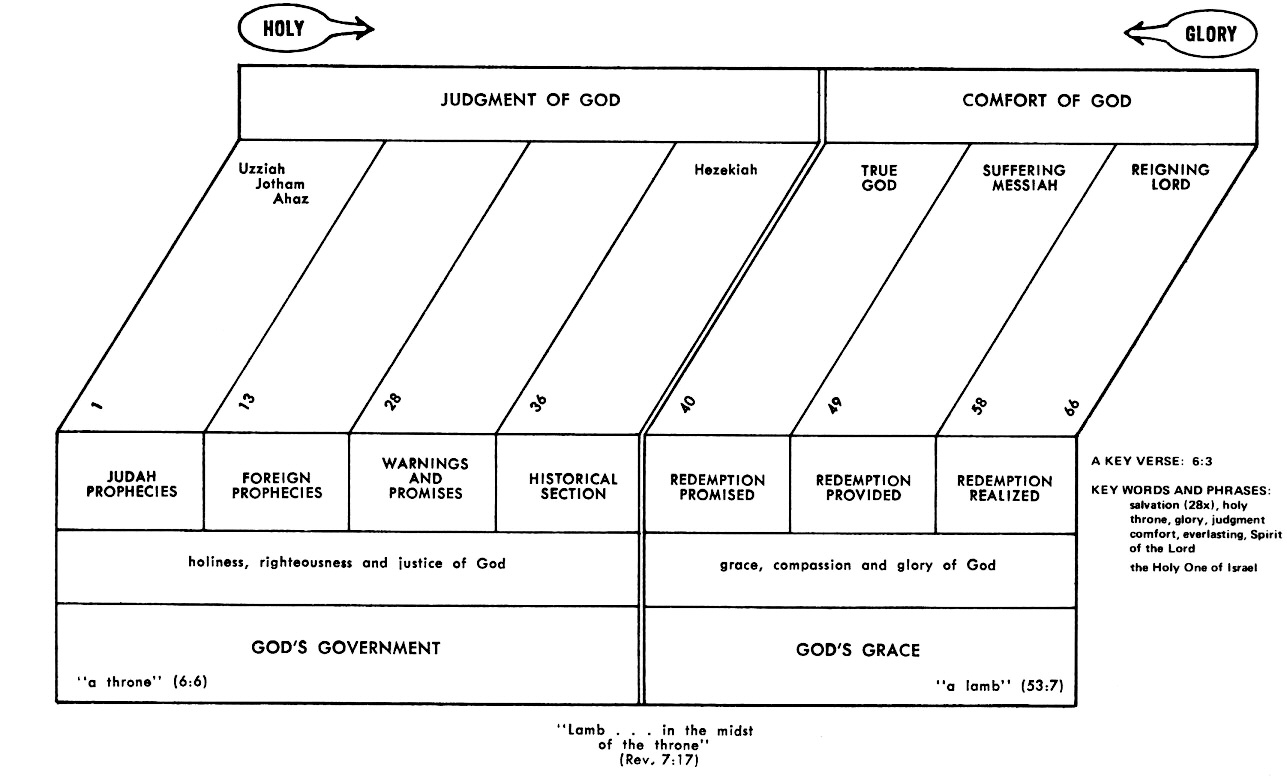
Click chart to enlarge
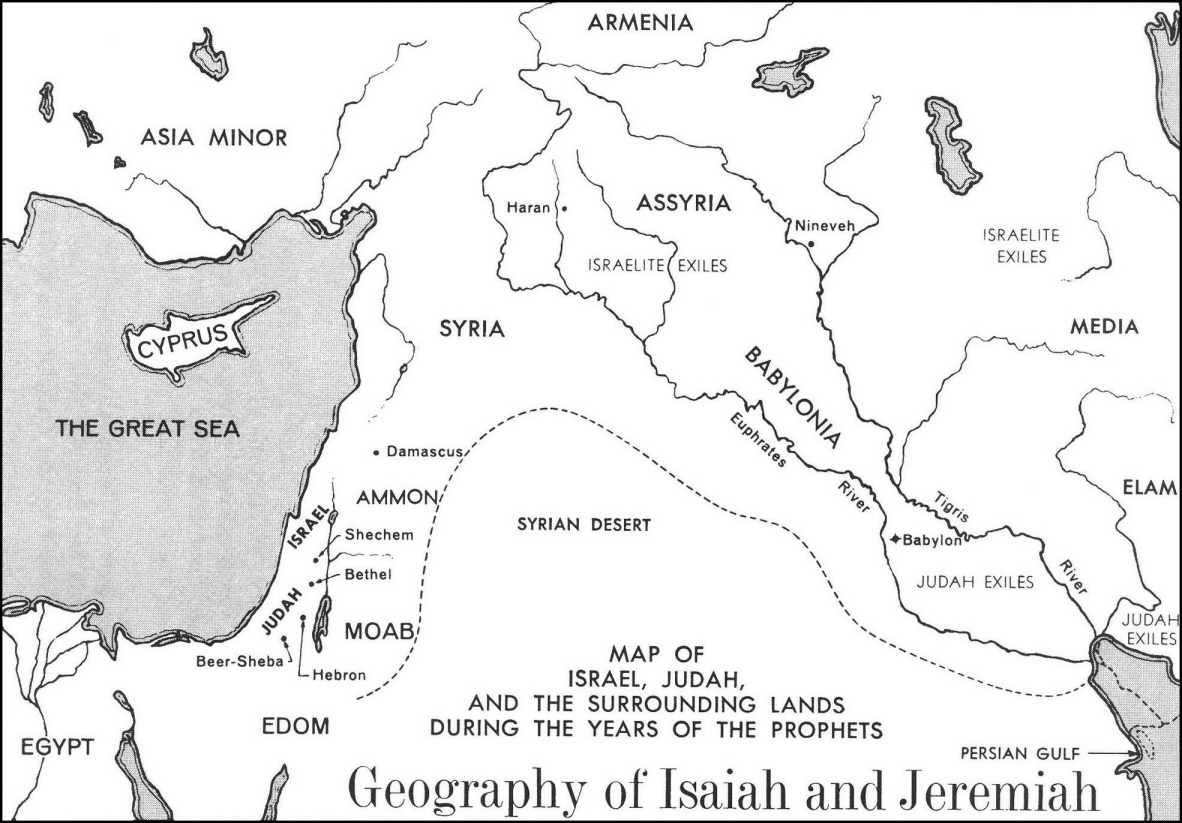
Click chart to enlarge
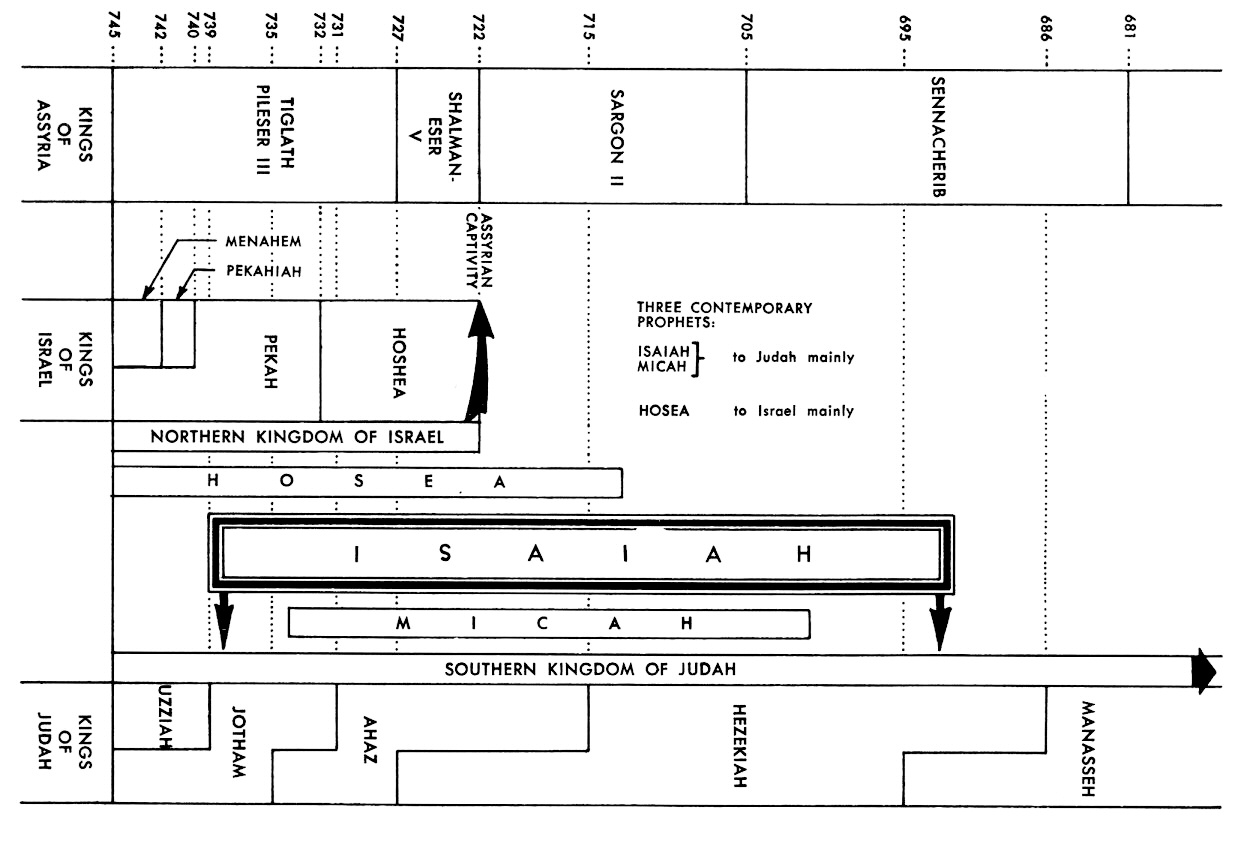
Chart from recommended resource Jensen's Survey of the OT - used by permission
Another Isaiah Chart see on right side
Isaiah 1:10 Hear the word of the LORD, You rulers of Sodom; Give ear to the instruction of our God, You people of Gomorrah. (NASB: Lockman)
English Translation of the Greek (Septuagint): Hear the word of the Lord, ye rulers of Sodoma; attend to the law of God, thou people of Gomorrha.
Amplified: Hear [O Jerusalem] the word of the Lord, you rulers or judges of [another] Sodom! Give ear to the law and the teaching of our God, you people of [another] Gomorrah! (Amplified Bible - Lockman)
KJV: Hear the word of the LORD, ye rulers of Sodom; give ear unto the law of our God, ye people of Gomorrah.
NET: Listen to the LORD's word, you leaders of Sodom! Pay attention to our God's rebuke, people of Gomorrah! (NET Bible)
NJB: Hear what Yahweh says, you rulers of Sodom; listen to what our God teaches, you people of Gomorrah. (NJB)
NLT: Listen to the LORD, you leaders of Israel! Listen to the law of our God, people of Israel. You act just like the rulers and people of Sodom and Gomorrah. (NLT - Tyndale House)
Young's Literal: Hear the word of Jehovah, ye rulers of Sodom, Give ear to the law of our God, ye people of Gomorrah
Hear the word of the LORD, you rulers of Sodom; Give ear to the instruction of our God, You people of Gomorrah:
- Hear the word - 1 Kings 22:19, 20, 21, 22, 23; Amos 3:1,8; Micah 3:8, 9, 10, 11, 12
- Sodom - Genesis 13:13; Deuteronomy 32:32; Jeremiah 9:26; 23:14; Ezekiel 16:46; Amos 9:7; Revelation 11:8
- Isaiah 1 Resources - Multiple Sermons and Commentaries
ISAIAH'S DEMEANING
DECLARATION
Criswell - this is a demeaning label he is applying to his audience. It was intended to be offensive so that they might consider his words and also see that their sin was as great as that of these ancient nations. That he is not speaking rhetorically is demonstrated by v. 11, because the ancient peoples of Sodom and Gomorrah were not worshipers of Yahweh.
The prophet Isaiah did not shrink back from declaring "the whole purpose of God" (Acts 20:27+ in contrast to the false prophets failure to warn as described in Lam 2:14) and was not trying to "tickle their ears" (2 Ti 4:3+) but to shock them out of their disobedience and complacency with this demeaning comparison of Jerusalem to S&G. Isaiah was warning of danger so that the Jews might consider their sin and come to realize that it was as great as that of S&G which were a "stench in the nostrils" of the God (cp Jude 1:7+).
THOUGHT - I am reminded of God's warning to the post-exilic Israelites "Consider your ways!" Hebrew literally a command to "set your heart upon". In the Septuagint (taxate (tasso de tas kardias humon) which is literally "get your hearts in order". Our modern day equivalent might be "Get your priorities straight" or "order your priorities"! The point is the Great I Am justifiably deserves being respected and responded to as #1 in our life. The failure of the post-exilic Israelites to complete His Temple clearly indicated the low priority Jehovah had in their hearts. What is it in my life that I have placed on the "back burner" in regard to God but need to return to highest priority status? Considering that my body is now His Temple, is there anything I am failing to do? Am I guarding my eyes and my heart not to let defiling images into His Temple. If so, the word is "Consider your ways!" "Get your priorities in order!"
Hear the word of the LORD - This verse is the introduction to God Himself speaking in Isa 1:11-20a, first exposes the hypocrisy and external nature of all their religious efforts (sacrifices, feasts, prayers) of the people in Isa 1:11-15. Then after presenting their sins, which should serve to convince them of their need, Jehovah then gives them the remedy for their sad plight in Isa 1:16-19. In Isa 1:20, God warns them of the consequences of refusing His gracious offer. In 1:20b the prophet signals that this section of God Himself speaking has come to a close.
- Isa 1:10 Isaiah calls Israel (Sodom & Gomorrah) to hear Jehovah
- Isa 1:11-15 - God exposes their external religion
- Isa 1:16-19 - God offers them salvation
- Isa 1:20a - God warns them of their peril if they refuse
- Isa 1:20b - Isaiah closes this section of Jehovah's own words
In a word, God's word to Israel is "You have committed spiritual apostasy!" As the wife of Jehovah (Isa 54:6), you have been unfaithful and committed spiritual harlotry!
Hear (listen, obey, understand)(08085)(shama) is used over 1000x in the OT and is used in the famous "Shema" widely regarded as the very heart of Jewish confession and faith in Dt 6:4 “Hear, O Israel! The LORD is our God, the LORD is one!". When Jesus was asked what was the greatest commandment of all, he quoted this text (Mt 22:37–38). As an aside, it is traditions such as this which can make it difficult to speak to Jews about Yeshua (Jesus) for they believe Christians are speaking of three Gods and they only accept one God. Of course they fail to grasp the doctrine of the Trinity, a mystery even for believers!
Sodom - In Rev 11:8+ Jerusalem, the "holy" city is referred to as Sodom (so centuries later things have not improved)! Isaiah picks up on the comparison of Israel to Sodom and Gomorrah in the previous verse (Isa 1:9+). Isaiah now likens Israel's conduct to that of these notoriously well known grossly wicked cities. Even though God's destruction of Sodom and Gomorrah had occurred some 1500 years earlier, these infamous names still familiar to all in Israel. Isaiah's address to Israel must have come as a shock and perhaps that is part of the reason for his pithy comparison. One would imagine that the prophet Isaiah would not have been very popular after ascribing these wicked names to those who considered themselves God's chosen people.
Rulers - Note who God holds most responsible for the depraved condition of His Holy City! All are called to hear and heed Isaiah's words for all are guilty before Jehovah.
NET Note - Building on the simile of Isa 1:9, the prophet sarcastically addresses the leaders and people of Jerusalem as if they were leaders and residents of ancient Sodom and Gomorrah. The sarcasm is appropriate, for if the judgment is comparable to Sodom's, that must mean that the sin which prompted the judgment is comparable as well.
Give ear to the instruction (torah; Lxx = nomos = law) of our God, You people of Gomorrah: NET = "Pay attention to our God's rebuke, people of Gomorrah!" Give ear is a command. The Septuagint translates give ear with prosecho in the present imperative calling for them to be giving God's law their continual attention (the Greek verb in active voice as here depicts on turning or holding their mind to God's law). This is a good word for all people in every age!
Give ear (0238)(azan related to noun ozen = ear) means to give an ear, to lend an ear, to listen, to hear and most uses are in the imperative or the form of a command, so the implication is not just to hear but to obey. This word is almost always found in poetic texts of the Old Testament and is often found in songs. Here Isaiah commands Israel to give God an ear! The Song of Moses begins with an exhortation "“Give ear, O heavens, and let me speak" (Dt. 32:1). Jeremiah asked for the people of Israel to listen to his prophecy (Jer. 13:15). God's people commonly asked the Lord to listen to their prayers and petitions; this significant use is found many times throughout the Book of Psalms (Ps. 5:1; Ps 77:1; Ps 80:1).
In the literal sense of "listen, give heed to," ʾāzan is found in contexts where people give and receive the instruction to listen (e.g., Ge 4:25; Judg. 5:3; Job 34:2; Ps. 49:1). God also commands attention in order to convey a message of condemnation against his people (cf. Isa. 28:23; 32:9; Jer. 13:15; Hos. 5:1). People give heed to God's commandments (cf. Exod. 15:26; Job 32:11). The psalmist also pleads with God to give heed to his people (cf. Ps 5:1; 17:1; 55:1; 140:6). In Dt. 1:45 God is the subject, āzan indicates Yahweh's refusal to listen to his people on account of their sin. In Ps. 77:1 God does give careful attention to the psalmist's plea. In Isa. 1:2, God commands that elements of the created order, "Listen, O heavens, and hear, O earth," to pay close attention to his testimony against Israel.
Azan - 41x in 41v - give ear(24), give heed(2), hear(3), listen(8), listened(1), listening(1), pays attention(1), perceived by ear(1). KJV has "hearken" 6 times. Gen. 4:23; Exod. 15:26; Num. 23:18; Deut. 1:45; Deut. 32:1; Jdg. 5:3; 2 Chr. 24:19; Neh. 9:30; Job 9:16; Job 32:11; Job 33:1; Job 34:2; Job 34:16; Job 37:14; Ps. 5:1; Ps. 17:1; Ps. 39:12; Ps. 49:1; Ps. 54:2; Ps. 55:1; Ps. 77:1; Ps. 78:1; Ps. 80:1; Ps. 84:8; Ps. 86:6; Ps. 135:17; Ps. 140:6; Ps. 141:1; Ps. 143:1; Prov. 17:4; Isa. 1:2; Isa. 1:10; Isa. 8:9; Isa. 28:23; Isa. 32:9; Isa. 42:23; Isa. 51:4; Isa. 64:4; Jer. 13:15; Hos. 5:1; Joel 1:2
Revival
Isaiah 1:10-20
WE NEED REVIVAL WHEN:
- OUR ACTIONS REMIND GOD OF SODOM AND GOMORRAH - Isa 1:10
- For a list of the sins of Sodom see Ezekiel 16:49.
- THERE ARE MANY SACRIFICES, BUT A GOD WHO IS FED UP - Isa 1:11
- THERE IS FREQUENT ATTENDANCE, BUT A GOD WHO IS INDIFFERENT Isa 1:12
- THERE ARE MANY ATTEMPTS AT WORSHIP, BUT A GOD WHO IS GRIEVED - Isa 1:13-14
- THERE ARE MANY PRAYERS, BUT A GOD WHO WILL NOT HEAR - Isa 1:15
WE HAVE REVIVAL WHEN:
- WE HEED GOD'S CALL TO REPENTANCE
- Confess (Wash you, and make you clean) - Isa 1:16, 1 John 1:9
- Forsake (…Put away the evil of your doings…) - Isa 1:16
- Learn (…to do good…) - Isa 1:17
- WE ACCEPT GOD'S INVITATION FOR CLEANSING - Isa 1:18, 19, 20
- THE WORK OF GOD - Isa 1:18
- THE RESPONSE OF MAN (If ye be willing and obedient…) - Isa 1:19, 20
Isaiah 1:11 "What are your multiplied sacrifices to Me?" Says the LORD. "I have had enough of burnt offerings of rams And the fat of fed cattle; And I take no pleasure in the blood of bulls, lambs or goats. (NASB: Lockman)
English Translation of the Greek (Septuagint): Of what value to me is the abundance of your sacrifices? saith the Lord: I am full of whole-burnt-offerings of rams; and I delight not in the fat of lambs, and the blood of bulls and goats:
Amplified: To what purpose is the multitude of your sacrifices to Me [unless they are the offering of the heart]? says the Lord. I have had enough of the burnt offerings of rams and the fat of fed beasts [without obedience]; and I do not delight in the blood of bulls or of lambs or of he-goats [without righteousness]. (Amplified Bible - Lockman)
KJV: To what purpose is the multitude of your sacrifices unto me? saith the LORD: I am full of the burnt offerings of rams, and the fat of fed beasts; and I delight not in the blood of bullocks, or of lambs, or of he goats.
NET: "Of what importance to me are your many sacrifices?" says the LORD. "I am stuffed with burnt sacrifices of rams and the fat from steers. The blood of bulls, lambs, and goats I do not want. (NET Bible)
NJB: ‘What are your endless sacrifices to me?' says Yahweh. ‘I am sick of burnt offerings of rams and the fat of calves. I take no pleasure in the blood of bulls and lambs and goats. (NJB)
NLT: "I am sick of your sacrifices," says the LORD. "Don't bring me any more burnt offerings! I don't want the fat from your rams or other animals. I don't want to see the blood from your offerings of bulls and rams and goats. (NLT - Tyndale House)
Young's Literal: Why to Me the abundance of your sacrifices? saith Jehovah, I have been satiated with burnt-offerings of rams, And fat of fatlings; And blood of bullocks, and lambs, And he-goats I have not desired.
What are your multiplied sacrifices to Me?" Says the LORD. "I have had enough of burnt offerings of rams and the fat of fed cattle; and I take no pleasure in the blood of bulls, lambs or goats:
- What are your - Isa 66:3; 1Samuel 15:22; Psalms 50:8; 51:16; Proverbs 15:8; 21:27; Jeremiah 6:20; 7:21; Amos 5:21; Micah 6:7; Matthew 9:13
- Isaiah 1 Resources - Multiple Sermons and Commentaries
PERFUNCTORY
RITUALISTIC WORSHIP
Perfunctory means a state of indifference, or the suppression of emotions such as concern, excitement, motivation and passion. An apathetic individual has an absence of interest in or concern about emotional, social, spiritual, philosophical and/or physical life. The timeless principles is that external acts of worship and ritual, apart from internal (heart) obedience, are worthless both to God and to the individual. Compare similar divine injunctions against ritualistic worship without relationship to the one being worshipped...
Jeremiah 6:20; “For what purpose does frankincense come to Me from Sheba And the sweet cane from a distant land? Your burnt offerings are not acceptable And your sacrifices are not pleasing to Me.”
Amos 5:21 “I hate, I reject your festivals, Nor do I delight in your solemn assemblies.
Micah 6:7 Does the LORD take delight in thousands of rams, In ten thousand rivers of oil? Shall I present my firstborn for my rebellious acts, The fruit of my body for the sin of my soul?
This is why the prophet Isaiah rebuked his nation for their empty ritualism. What good, he lamented, were all the sacrifices, New Moon festivals, sabbaths, convocations and filing into the temple of God? So worthless was all this feverish activity that God said he was fed up with it all. What was needed, instead, was a CIRCUMCISED heart as the proper preparation for meeting God (See Excursus on circumcision). The temptation to externalize religion and to use it only in emergency situations is altogether too familiar. God clearly approved of sacrificing in the OT, but not at the expense of a surrendered heart and obedience to His Word or as a sham substitute for a personal relationship of love and trust.
THOUGHT - Animal sacrifices are no longer necessary today, because Christ was our sacrifice, once for all (Heb 10:1-18). Nevertheless, the principle remains the same: What is the use of performing outward acts of religion if that religious activity is not energized by the Spirit working in an obedient heart of faith? True religious affection for God begins with the heart and not in acts of worship or the accompanying vestments and ritual! (see Jas 1:26,27+)
I like S Lewis Johnson's sermon title for Isaiah 1 "The Great Arraignment or The Wickedness of Formal Worship" (Click here)
As Solomon wrote...
The sacrifice of the wicked is an abomination to the Lord, but the prayer of the upright is His delight. (Pr 15:8)
John Piper comments on Pr 15:8 - An act which is good in itself (Ed: Sacrifices that He Himself has ordained) can become displeasing to God when it is done with the wrong inner disposition. An outward act that looks pious to us can look horrible in God’s eyes because the pious act comes from a heart that is wrong. There seems to be a principle implied here that would go something like this: in God’s eyes the beauty (and hence enjoyableness) of an act is the outworking of inward beauty, and the ugliness of an act is the outworking of an inward ugliness. Since God always looks on the heart (1Samuel 16:7), he always sees our outward acts not as man sees them, but as extensions of what he sees on the inside. Whether our acts are immoral, like stealing and lying and adultery, or whether our acts are moral like church attendance and community service, both may be abominable in God’s eyes if the heart is not right. Paul teaches the same thing when he says in Ro 14:23 (note), “Whatever is not from faith is sin.” The inner beauty of hoping in God, of trusting him for help and guidance, makes the external act beautiful. And if this faith is not there motivating the act, the act is not pleasing to the Lord; it is sin. Hebrews 11:6 (note) teaches this when it says, “Without faith it is impossible to please God.” Mere external righteousness does not please God. In fact, we will see that it is not righteousness at all if it does not come from faith. In the near context of Hebrews 11:6 (note) the very same issue of sacrifices is addressed that we have here in Proverbs 15:8. Hebrews 11:4 (note) says, “By faith Abel offered to God a more acceptable sacrifice than Cain.” Why was Abel’s sacrifice pleasing to God and not Cain’s? The reason is that Abel’s sacrifice was offered by faith, but Cain’s wasn’t; and without faith it is impossible to please God. (The Pleasures of God: Meditations on God's Delight in Being God)
What are your multiplied sacrifices - A rhetorical question by Jehovah which is phrased to get His hearers' attention. Jehovah then proceeds to give them a "multipart" answer (Isa 1:11b, 12, 13, 14, 15a) that undoubtedly must have surprised many of his listeners, especially the "ultra religious". It is not until the last phrase of Isa 1:15 that Jehovah states the reason their multiplied sacrifices, etc, were in essence an abomination to Him (cp Pr 15:8) -- "Your hands are covered with blood." (cp Isa 59:3) And what is the divine formula when one's hands are stained with blood? Simply put Jehovah says "Wash them!" (see Isa 1:16ff-note)
NET Note - Heb "Why to me the multitude of your sacrifices?" The sarcastic rhetorical question suggests that their many sacrifices are of no importance to the Lord. This phrase answers the possible objection that an Israelite could raise in response to God's indictment: "But we are offering the sacrifices you commanded!" In this section the Lord refutes a potential objection that his sinful people might offer in their defense. He has charged them with rebellion (Isa 1:2–3), but they might respond that they have brought him many sacrifices. So he points out that he requires justice first and foremost, not empty ritual.
Piper adds "what Isaiah is really saying is that the reason God abominates the sacrifices of the unjust is not merely the inconsistency of external behavior during the week, but that they come before the Lord with hearts that are not broken for their sin, and with no true intention of forsaking it. And this heart condition of stubbornness and impenitence is why their sacrifices are an abomination to God. The sacrifice is meant to be an occasion of forgiveness for sinners. So the sin of the people in itself is not a sufficient answer for why their sacrifice is rejected… (for) when a wicked person comes to God and makes a sacrifice with a heart of penitence, his sacrifice is accepted. That is the whole purpose of the guilt offering. A person who has been sinful during the week can be accepted through the sacrifice when it is accompanied by a broken, humble, repentant heart. (Ibid)
I have had enough - In what amounts to a anthropomorphism, God is pictured as being satiated or fully fed with no need for more of Judah's sacrifices. What He was full of and no longer interested in, were their external, formal, ritualistic sacrifices, offered from their hands but not from their heart!
Had enough (07646) (saba) means to be satiated, filled full, and thus fully satisfied. In the present context, Jehovah, however, is hardly fully satisfied in the sense of being pleased with their offerings. NET Note adds "The verb [saba', "be satisfied, full") is often used of eating and/or drinking one's fill. Here sacrifices are viewed, in typical ancient Near Eastern fashion, as food for the deity. God here declares that he has eaten and drunk, as it were, his fill. In the chiastic structure of the verse, the verbs at the beginning and end highlight God's displeasure, while the heaping up of references to animals, fat, and blood in the middle lines hints at why God wants no more of their sacrifices. They have, as it were, piled the food on his table and he needs no more." They still do this in India, leaving food in a bowl for their so-called deity! (See Ganesha drinking milk miracle) The tragic irony is that while demons dine on delicacies, many human beings suffer starvation! Such is the utter stupidity and foolishness of all false religion! It reflects the depth of deception of the practitioners.
G Campbell Morgan writes that "At the heart of the chapter these words occur (Isa 1:11), and they are startlingly revealing of the Divine attitude toward the sacrifices which are being offered. The words, "I have had enough of," are expressive of loathing, produced by satiety. The whole force of this is derived from the fact that all these offerings were Divinely appointed. What an interpretation we have here of the attitude of God toward all religious observances. When the highest and best of these, those of His own ordination, cease to be the expressions of a true spiritual and mental condition, He loathes them. (Life Applications from Every Chapter of the Bible)
Comment: Loathe = to dislike greatly and often with disgust or intolerance, to look on with hatred or abhorrence, particularly, to feel disgust at food or drink, either from natural antipathy, or a sickly appetite, or from satiety, or from its ill taste.
I take no pleasure - Pleasure here is the same word used in Isa 53:10. J Vernon McGee explains that "God specifies His charges against His people. He has put His hand upon a definite thing, and He is going to prove that particular point in which they are wrong. He puts His finger on the best thing in Judah, not the worst. He shows them what is exceedingly wrong. Israel has a God-given religion and a God-appointed ritual in a God-constructed temple, but they are wrong in that which represented the best. They are bringing sacrifices and going through the ritual according to the letter of the Law, but their hearts are in rebellion against God. Their religion is not affecting their conduct. Frankly, that is a problem among believers today. A great many of us have reached the place where we have a form of godliness, but we deny the power thereof (2Ti 3:5-note).
Pleasure (02654) (chaphets) has the basic sense of to feel great favor towards something. Originally this verb meant “to bend” (cp Job 40:17), hence to “incline to” then to “take pleasure in.” It means to feel a strong positive attraction for something. This positive feeling God did not have toward Judah's sacrifices.
Jeremiah records a similar complaint by God against Judah…
For what purpose does frankincense come to Me from Sheba And the sweet cane from a distant land? Your burnt offerings are not acceptable And your sacrifices are not pleasing to Me.” (Jer 6:20).
Walter Kaiser writes that "So deceptive was the nation’s (Judah's) trust in this hollow worship that Jeremiah later announced that God had wanted more than sacrifices when he brought Israel out of Egypt (Jer 7:22). He had wanted the people to trust him. It was always tempting to substitute attendance at God’s house, heartless worship or possessing God’s Word for active response to that Word (Jer 7:9, 10, 11, 12, 13, 14, 15, 21, 22, 23, 24, 25, 26; 8:8, 9, 10, 11, 12)…God does approve of sacrificing, but he does not wish to have it at the expense of full obedience to his Word or as a substitute for a personal relationship of love and trust. Sacrifices, however, were under the Old Testament economy. Animal sacrifices are no longer necessary today, because Christ was our sacrifice, once for all (He 10:1-18). Nevertheless, the principle remains the same: What is the use of performing outward acts of religion if that religious activity is not grounded in an obedient heart of faith? True religious affection for God begins with the heart and not in acts of worship or the accompanying vestments and ritual! (Kaiser, W. C.. Hard Sayings of the Bible Downers Grove, Il: InterVarsity) (Bolding added to emphasize the importance of obedience to the Word - cp the NT teaching on this same subject in Jas 1:22-note)
The prophet Hosea records what God finds pleasure in, writing…
For I delight (chapets/hapes) in loyalty (hesed) rather than sacrifice, and in the knowledge of God (cp Ho 4:1, 6) rather than burnt offerings (Ho 6:6)
Comment: So what gives God pleasure? (1) Loyalty (loyal love) or hesed - a covenant term which speaks of unswerving allegiance and faithfulness (as manifested in one's godly attitude and actions) in this case of men to God and (2) Knowledge of God - not referring to just head knowledge but head knowledge that affects heart change (i.e., repentance) which in turn brings about godliness and holiness in conduct and behavior. Israel wanted the shadows (sacrifices, burnt offerings) but they did not want the substance (repentance, obedience, holiness, etc)
Enough… no pleasure - They had religious activity (as summarized in Isa 1:12, 13, 14, 15), but their external "worship" did not please God. The rulers and the people had plenty of religious activity but no intimacy or relationship with the living God.
Later in Isaiah's prophecy similar charges are reiterated with this scathing synopsis…
Then the Lord said, "Because this people draw near with their words and honor Me with their lip service (external), but they remove their hearts far from Me (no internal change - no changed hearts), and their reverence for Me consists of tradition (mere formality, like so many dead religious rituals in many modern churches) learned by rote (Isa 29:13)
In Ezekiel we see a similar indictment…
But as for you, son of man (the prophet Ezekiel), your fellow citizens (those Jews in captivity with Ezekiel in Babylon) who talk about you by the walls and in the doorways of the houses, speak to one another, each to his brother, saying, 'Come now, and hear what the message is which comes forth from the LORD.' And they come to you as people come, and sit before you as My people, and hear your words, but they do not do them, for they do the lustful desires expressed by their mouth, and their heart goes after their gain. (Ezekiel 33:30, 31)
In the Sermon on the Mount our Lord Jesus Christ gave a similar warning about the deceptive nature of external religion unaccompanied by a changed (new) heart indicative of genuine spiritual rebirth…
"Not everyone who says to Me, 'Lord, Lord,' will enter the kingdom of heaven; but he who does (present tense = as a lifestyle, which is clear evidence of a changed life, a new direction, a born again spirit) the will of My Father who is in heaven. 22 "Many (Read that word again and weep. This will be an eternal tragedy for the many who thought that they were saved when they in fact were not saved as evidenced by their lack of obedience from the heart - Mt 7:23-note, cp Ro 6:17-note) will say to Me on that day, 'Lord, Lord, did we not prophesy in Your name, and in Your name cast out demons, and in Your name perform many miracles?' (Each of these categories speak of various aspects of religious activity, even activity with a supernatural character. Interestingly Jesus does not refute their claims, implying that the claimants indeed carried out these activities. And yet these activities do not save anyone, nor do they irrefutably identify one as saved or not saved. Only a faith that works demonstrates evidence that it is true saving faith and not just simply mental or intellectual assent without heart transformation) 23 "And then I will declare to them, 'I never (Very strong negation in Greek - oude = not even + pote = at any time -- "not even at a time, never at all" is the idea! They weren't saved and then lost their salvation - they simply and sadly were never truly saved!) knew (speaks of intimate fellowship) you; DEPART (present imperative - A divine command which calls for continuing obedience! No second chance one these fateful words fall from from our Lord's lips. The Greek verb apochoreo calls them to move away from, with emphasis upon separation) FROM ME, YOU WHO PRACTICE (present tense = speaks of their lawless life as not just a momentary lapse or a period of backsliding but the general bent and direction of their life) LAWLESSNESS (equates with sin in 1Jn 3:4 - their lifestyle was wholly unholy despite their words and their religious activities).' (Mt 7:21-note, Mt 7:22, 23-note)
Comment: Do misinterpret Jesus' words as teaching that "doing" saves a person ("he who does the will of My Father"), for that is not what Scripture teaches. What He is warning about however is that words that claim Jesus as "Lord", when coupled with a lifestyle that proves He is not "Lord" will be excluded from the Kingdom of heaven. In other words, these individuals have no change of heart (no "circumcised heart - eg, see Ro 2:28, 29-note, Col 2:11, 12-note) that reflects the Spirit's regenerative activity in the soul who has been saved by grace through faith. Luke echoes Jesus' words emphasizing the vital importance of obedience, recording "And why do you call Me, 'Lord, Lord,' and do not do what I say?" (Lk 6:46)
The words of an engraving from the cathedral of Lubeck, Germany, beautifully reflect our Lord’s teaching here :
Thus speaketh Christ our Lord to us:
Ye call Me Master and obey me not,
Ye call Me Light and see Me not,
Ye call Me Way and walk not,
Ye call Me Life and desire Me not,
Ye call Me wise and follow Me not,
Ye call Me fair and love Me not,
Ye call Me rich and ask Me not,
Ye call Me eternal and seek Me not,
Ye call Me gracious and trust Me not,
Ye call Me noble and serve Me not,
Ye call Me mighty and honor Me not,
Ye call Me just and fear Me not,
If I condemn you, blame me not. Anonymous
Jesus castigated the "super religious" Pharisees with a series of staccato-like "Woes" beginning with this scathing indictment…
saying, "The scribes and the Pharisees have seated themselves in the chair of Moses; 3 therefore all that they tell you, do and observe, but do not do according to their deeds; for they say things, and do not do them. 4 "And they tie up heavy loads, and lay them on men's shoulders; but they themselves are unwilling to move them with so much as a finger. 5 "But they do all their deeds to be noticed by men; for they broaden their phylacteries, and lengthen the tassels of their garments… 13 "But woe ("Woe" throughout Scripture = expression of judgment, destruction, condemnation and corresponds to the Hebrew interjection "Alas" as in Isa 1:4) to you, scribes and Pharisees, hypocrites, because you shut off the kingdom of heaven from men; for you do not enter in yourselves, nor do you allow those who are entering to go in… 15 "Woe to you, scribes and Pharisees, hypocrites, because you travel about on sea and land to make one proselyte; and when he becomes one, you make him twice as much a son of hell as yourselves.
23 "Woe to you, scribes and Pharisees, hypocrites! For you tithe mint and dill and cummin, and have neglected the weightier provisions of the law: justice and mercy and faithfulness; but these are the things you should have done without neglecting the others. 24 "You blind guides, who strain out a gnat and swallow a camel! 25 "Woe to you, scribes and Pharisees, hypocrites! For you clean the outside of the cup and of the dish, but inside they are full of robbery and self-indulgence. 26 "You blind Pharisee, first clean the inside of the cup and of the dish, so that the outside of it may become clean also. 27 "Woe to you, scribes and Pharisees, hypocrites! For you are like whitewashed tombs which on the outside appear beautiful, but inside they are full of dead men's bones and all uncleanness. 28 "Even so you too outwardly appear righteous to men, but inwardly you are full of hypocrisy and lawlessness. (Mt 23:2-5, 13, 15, 23, 24, 25, 26, 27, 28)
Paul's words aptly summarize the external religiosity of the Jews in Isa 1:11-15…
They (Titus 1:15 the "defiled and unbelieving") profess (present tense = continually they say "I have a relationship with God") to know God, but (always take note the important contrast word but - it marks a "change in direction" in the writers thought) by their deeds (in other words it is not what they say, but what they don't do [obey the truth of God's Word in the power of His Spirit] that proves them to be unregenerate "professors") they deny Him (not with their words but with their deeds, just as Jesus prophesied in Mt 7:21, 22, 23!), being detestable and disobedient, and worthless for any good deed.
And so in this section (Isa 1:11, 12, 13, 14, 15), God does not berate the rulers or the people of Judah for not attending the temple service and not bringing animals for sacrifice, but he condemns for their hypocritical hearts that were rebellious, hardened and still far from Him.
This section teaches a well known truth that sacrifices per se do not please God, unless they are accompanied by clean hands (right deeds) and a pure heart (right motives) (cp Ps 24:4, 5). As the prophet Samuel made clear to a disobedient, remorseful but non-repentant King Saul…
22 And Samuel said, "Has the LORD as much delight in burnt offerings and sacrifices As in obeying the voice of the LORD? Behold, to obey is better than sacrifice, and to heed than the fat of rams.
23 "For rebellion is as the sin of divination, and insubordination is as iniquity and idolatry. Because you have rejected the word of the LORD, He has also rejected you from being king."
24 Then Saul said to Samuel, "I have sinned; I have indeed transgressed the command of the LORD and your words, because I feared the people and listened to their voice.
25 "Now therefore, please pardon my sin and return with me, that I may worship the LORD."
26 But Samuel said to Saul, "I will not return with you; for you have rejected the word of the LORD, and the LORD has rejected you from being king over Israel." (1Sa 15:22-26)
In David's psalm expressive of his genuine repentance after his horrible sin with Bathsheba we David acknowledge that God does…
not delight in sacrifice, otherwise I would give it; Thou art not pleased with burnt offering. The sacrifices of God are a broken spirit; A broken and a contrite heart, O God, Thou wilt not despise. (Ps 51:16, 17)
And through the prophet Micah ask and then answer a series of questions regarding what constitutes genuine spirituality (reflective of a changed heart and salvation)…
6 With what shall I come to the LORD and bow myself before the God on high? Shall I come to Him with burnt offerings, with yearling calves?
7 Does the LORD take delight in thousands of rams, In ten thousand rivers of oil? Shall I present my first-born for my rebellious acts, the fruit of my body for the sin of my soul?
8 He has told you, O man, what is good; and what does the LORD require of you but to do justice, to love kindness, and to walk humbly with your God? (Micah 6:6, 7, 8).
Comment: Again it is important to emphasize that this characteristics of a godly walk (Micah 6:8) do not earn or merit one's salvation (one could never carry them out perfectly anyway and God demands perfection - cp Jas 2:10, Eccl 7:20, 1Ki 8:46, 2Chr 6:36, Ps 130:3, Pr 20:9, Isa 53:6, Ro 3:23!), but are traits that should characterize all those have been saved by grace through faith in Messiah, the OT saints of course having a less complete understanding of the Cross then NT saints have as a result of progressive revelation of truth. Nevertheless, both Old and New Testament individuals have always been saved the same way - by grace through faith in Messiah or Christ (cp Ge 15:6).
Warren Wiersbe draws out a pithy application from this section writing that… before passing judgment on worshipers in a bygone era, perhaps we should confess the sins of the “worshiping church” today. According to researcher George Barna, 93 percent of the households in the United States contain a Bible and more than 60 percent of the people surveyed claim to be religious; but we would never know this from the way people act (cp Mt 7:23, Ezek 33:31). One Protestant church exists for every 550 adults in America, but does all this “religion” make much of a difference in our sinful society? Organized religion hasn’t affected the nation’s crime rate, the divorce rate, or the kind of “entertainment” seen in movies and on TV. The average church allocates about 5 percent of its budget for reaching others with the Gospel, but 30 percent for buildings and maintenance. At a time (Ed: Wiersbe wrote this about 1992) when the poor and the aged are pleading for help, churches in America are spending approximately 3 billion dollars a year on new construction. Where churches have life and growth, such construction may be needed; but too often the building becomes “a millstone instead of a milestone,” to quote Vance Havner. At least 62 percent of the people Barna surveyed said that the church was not relevant to today’s world and is losing its influence on society. It may be that, like the worshipers in the ancient Jewish temple, we are only going through the motions. (See The Frog in the Kettle- George Barna) (Wiersbe, W. W. Be Comforted. An Old Testament Study. Wheaton, Ill.: Victor Books)
Isaiah 1:12 "When you come to appear before Me, Who requires of you this trampling of My courts? (NASB: Lockman)
English Translation of the Greek (Septuagint): neither shall ye come with these to appear before me; for who has required these things at your hands? Ye shall no more tread my court.
Amplified: When you come to appear before Me, who requires of you that your [unholy feet] trample My courts? (Amplified Bible - Lockman)
KJV: When ye come to appear before me, who hath required this at your hand, to tread my courts?
NET: When you enter my presence, do you actually think I want this– animals trampling on my courtyards? (NET Bible)
NJB: When you come and present yourselves before me, who has asked you to trample through my courts? (NJB)
NLT: Why do you keep parading through my courts with your worthless sacrifices? (NLT - Tyndale House)
Young's Literal: When ye come in to appear before Me, Who hath required this of your hand, To trample My courts?
When you come to appear before Me, Who requires of you this trampling of My courts:
- When you come Isa 58:1,2; Exodus 23:17; 34:23; Deuteronomy 16:16; Ecclesiastes 5:1; Matthew 23:5
- Who requires of you this trampling of My courts Ps 40:6; Micah 6:8
- Isaiah 1 Resources - Multiple Sermons and Commentaries
Trampling of My courts - While one cannot be absolutely dogmatic, Isaiah seems to be painting the image of a trampling by a herd of animals mindlessly meandering through and muddying up God's holy courts. Quite a disgusting image indeed, but a picture of God's opinion of worship without righteousness and mere formalism and ritual with inner genuine commitment (cp 1Sa 15:22, 23)
Trampling (07429) (ramac/ramas) refers to the trampling down with the feet. NET Note - Heb "When you come to appear before me, who requires this from your hand, trampling of my courtyards?" The rhetorical question sarcastically makes the point that God does not require this parade of livestock. The verb "trample" probably refers to the eager worshipers and their sacrificial animals walking around in the temple area.
My courts - Solomon's building complex at Jerusalem included the "inner" court of the temple (1Ki 6:36; 7:12), the court of the palace (1Ki 7:8), perhaps the "middle" court of 2Ki 20:4 and the "great" court covering the entire area of the complex (1Ki 7:9, 12).
WASTED WORSHIP - "The sacrifices of God are a broken spirit, a broken and a contrite heart." -- Psalm 51:17
If you are able to go to church on Sunday, you probably will. For most Christians, it's almost automatic -- and rightly so.
But is it possible that our efforts to go to church for worship might be wasted? Could it all be in vain?
Yes. Before we even enter the church, the worth of our worship can be reduced to nothing because of the way we've lived during the week.
In Amos 5 (Amos 5:21, 22, 23, 24, 25, 26, 27), the Lord had some harsh words for those who attempted to worship Him while bringing with them the guilt of an ungodly lifestyle. His people were constantly angering Him by following false gods (Amos 5:26). When they assembled to worship the Lord through sacrifices and songs, God despised their hypocrisy.
In Isaiah 1, God instructed His people that before they could worship Him, they were to "cease to do evil, learn to do good; seek justice" (Isa 1:16, 17).
What a challenge to us! Before we worship God, we are to put things in order by confessing our sins, seeking His forgiveness, and then serving Him. Our daily walk with God and our obedience to His commands are the elements that prepare us for church. Anything less will lead to wasted worship. -- J. David Branon (Our Daily Bread, Copyright RBC Ministries, Grand Rapids, MI. Reprinted by permission. All rights reserved)
O holy God, undone by guilt depressing
We come to Thee our every sin confessing;
Grant us, we pray, Thy cleansing and Thy blessing;
We worship Thee, O God!
-- Frost
Worship that pleases God comes from an obedient heart.
Isaiah 1:13 Bring your worthless offerings no longer, Incense is an abomination to Me. New moon and sabbath, the calling of assemblies -- I cannot * endure iniquity and the solemn assembly. (NASB: Lockman)
English Translation of the Greek (Septuagint): Though ye bring fine flour, it is vain; incense is an abomination to me; I cannot bear your new moons, and your sabbaths, and the great day;
Amplified: Bring no more offerings of vanity (emptiness, falsity, vainglory, and futility); [your hollow offering of] incense is an abomination to Me; the New Moons and Sabbaths, the calling of assemblies, I cannot endure—[it is] iniquity and profanation, even the solemn meeting. (Amplified Bible - Lockman)
KJV: Bring no more vain oblations; incense is an abomination unto me; the new moons and sabbaths, the calling of assemblies, I cannot away with; it is iniquity, even the solemn meeting.
NET: Do not bring any more meaningless offerings; I consider your incense detestable! You observe new moon festivals, Sabbaths, and convocations, but I cannot tolerate sin-stained celebrations! (NET Bible)
NJB: Bring no more futile cereal offerings, the smoke from them fills me with disgust. New Moons, Sabbaths, assemblies— I cannot endure solemnity combined with guilt. (NJB)
NLT: The incense you bring me is a stench in my nostrils! Your celebrations of the new moon and the Sabbath day, and your special days for fasting--even your most pious meetings--are all sinful and false. I want nothing more to do with them. (NLT - Tyndale House)
Young's Literal: Add not to bring in a vain present, Incense -- an abomination it is to Me, New moon, and sabbath, calling of convocation! Rendure not iniquity -- and a restraint!
Bring your worthless offerings no longer, Incense is an abomination to Me. New moon and sabbath, the calling of assemblies -- I cannot * endure iniquity and the solemn assembly:
- Bring your - Ezekiel 20:39; Malachi 1:10; Matthew 15:9; Luke 11:42
- Incense Isa 66:3; Proverbs 21:27
- New moon Leviticus 23:1-44; Numbers 28:1-29; Deuteronomy 16:1-22; Lamentations 2:6; Joel 1:14; 2:15
- Iniquity 1 Cor 11:17; Philippians 1:15
- Psalm 78:40; Ephesians 4:30
- Isaiah 1 Resources - Multiple Sermons and Commentaries
Bring your worthless offerings no longer - Why does God give this piercing command? The answer is found in Isa 1:15, 16 - bloody hands, evil deeds. The offering (presumably) still met the letter of the law (animals without defect) and still had the same "value" with men, but were without value to God. Sacrifices alone can never please God; for along with the outward observance, God wants inward obedience (1Sa 15:22), a broken heart (Ps 51:17), and a godly walk (Mic 6:6-8). Judah’s worship of Jehovah was iniquity, not piety; and God was sick of it! Instead of lifting up “holy hands” in prayer (1 Ti 2:8), their hands were stained with blood because of their many sins (Isa 59:3; Eze 7:23; see Ac 20:26).
Worthless (07723)(shav) is a "masculine noun meaning emptiness, vanity, evil, ruin, uselessness, deception, worthless, without result, fraud, deceit. The primary meaning of the word is deceit, lie, or falsehood. God used the word to indicate that He punished Judah in vain. The word is used by the psalmist to state that all activities such as laboring, guarding, rising early, staying up late, and toiling for food were useless without God's assistance (Ps. 127:1, 2). In the Ten Commandments, the word is used to describe what is prohibited (Deut. 5:20). The word is used in Proverbs to indicate that which the author desires to be kept away from him: in this case, falsehood and lies (Prov. 30:8). Idols were declared worthless with the usage of the noun in Jeremiah (Jer. 18:15). These idols were those that led the people of God to forget Him." (Complete Word Study Dictionary – Old Testament) Psalms 119:37 (Ps. 119:37) Turn away my eyes from looking at vanity, And revive me in Your ways. The most familiar use of shāwʾ is in the third commandment, "You shall not take the name of the Lord your God in vain" (Ex 20:7; Dt. 5:11).
Victor Hamilton - That the primary meaning of shāvʾ is "emptiness, vanity" no one can challenge. It designates anything that is unsubstantial, unreal, worthless, either materially or morally. Hence, it is a word for idols (in the same way that hebel "vanity" is also a designation for (worthless) idols, for example). Ps 24:4 may then be rendered, "He who has not lifted up his mind to an 'idol'." Dahood (Psalms, I, AB, p. 151) lists the following passages: Ps 26:4; Psalm 31:6; Psalm 119:37; Isaiah 1:13; Jeremiah 18:15; Job 31:5 with this implication, although some are dubious, the last one and Isaiah 1:13 especially.Not only are idols "deceptions" but so too the words of a false prophet which whitewash and sugarcoat a gloomy situation (Lament. 2:14; Ezekiel 13:6-9, 23). (Theological Wordbook of the Old Testament)
The Septuagint translates shav in this passage with mataios which means vain, empty, devoid of force, lacking in content, nonproductive, useless, dead, fruitless, aimless, of no real or lasting value. This adjective describes an ineffectual attempt to do something or an unsuccessful effort to attain something. Mataios emphasizes aimlessness or the leading to no object or end and thus is used to describe false gods or idols in contrast to the true God (see below).
Shav - 53x in 47v - deceit(2), deceitful(1), deception(1), emptiness(2), empty(1), false(9), false visions(4), falsehood(7), lies(1), vain(18), vanity(3), worthless(4). - Exod. 20:7; Exod. 23:1; Deut. 5:11; Deut. 5:20; Job 7:3; Job 11:11; Job 15:31; Job 31:5; Job 35:13; Ps. 12:2; Ps. 24:4; Ps. 26:4; Ps. 31:6; Ps. 41:6; Ps. 60:11; Ps. 89:47; Ps. 108:12; Ps. 119:37; Ps. 127:1; Ps. 127:2; Ps. 139:20; Ps. 144:8; Ps. 144:11; Prov. 30:8; Isa. 1:13; Isa. 5:18; Isa. 59:4; Jer. 2:30; Jer. 4:30; Jer. 6:29; Jer. 18:15; Jer. 46:11; Lam. 2:14; Ezek. 12:24; Ezek. 13:6; Ezek. 13:7; Ezek. 13:8; Ezek. 13:9; Ezek. 13:23; Ezek. 21:23; Ezek. 21:29; Ezek. 22:28; Hos. 10:4; Hos. 12:11; Jon. 2:8; Zech. 10:2; Mal. 3:14
Incense is an abomination to Me - Notice the irony -- that which should have been "sweet smelling savor" instead was a stench to God! Incense is a picture of prayers in Scripture and in Isaiah 1:15 we see God's response to their prayers! The disgusting thing about this rebellious people is that they were also a religious people (Isa1:10-15). They attended the temple services and brought a multitude of sacrifices to the Lord; but their hearts were far from God, and their worship was hypocritical.
Abomination (detestable, loathsome) (08441)(toebah) refers to that which is loathsome, detestable, abhorrent. The Greek is even more vivid for the Lxx translates toebah with bdelugma (946) (derived from bdelusso [see word study] = emit foul odor, turn away from something or someone on account of the "stench". A loathing or disgust, abhor in turn derived from bdeo = to stink; see word study on related - bdekluktos) which describes something foul, that which is extremely hated, disgusted, detested or abhorred. The first NT use of bdelugma is in Mt 24:15 which is fitting as it describes the "Abomination (bdelugma) of desolation" (the Antichrist) (cp Mk 13:14). The other 4 uses of bdelugma are - Lk 16:15, Rev 17:4, 5, Rev 21:27.
NET Note - Notice some of the other practices that Yahweh regards as "detestable": homosexuality (Lev 18:22–30; 20:13), idolatry ( Deut 7:25; 13:15), human sacrifice (Deut 12:31), eating ritually unclean animals (Deut 14:3–8), sacrificing defective animals (Deut 17:1), engaging in occult activities (Deut 18:9–14), and practicing ritual prostitution (1 Kgs 14:23).
New moon and sabbath, the calling of assemblies -
NEW MOON (Lv 23:1-44 Nu28:1-29:40 Dt16:1-22 La2:6 Joe1:14 2:15): The references in the Bible to the New Moon celebration include [Ex40:2, 17 Nu10:10 28:1-10; 11-15 Ps104:19]. The law specified that two bullocks, one ram, seven lambs, and one kid were to be offered in connection with this celebration. Grain mixed with oil accompanied the offerings; a trumpet blast introduced this feast. The sins committed and not expiated during the previous month were covered by the offerings of the New Moon. New Moon (Heb. rosh hodesh, “beginning of a month,” Nu10:10; 28:11). The ordinary new moons, i.e., all except the seventh, were raised out of the rank of ordinary days, but not to that of festivals. They may be called demi-feast days. Many nations of antiquity celebrated the returning light of the moon with festivals, sacrifices, and prayers. Some believe that the object of Moses in providing for this occasion was to suppress heathen celebrations of the day. There was, however, a deeper meaning in this observance. The new moon stood as the representative of the month. For an individual day, a burnt offering that emphasized consecration to the Lord rather than atonement was sufficient. But for the month, because of sins committed and remaining unexpiated during the course of the month, a special sin offering for atonement was required. Thus, on the ground of the forgiveness and reconciliation with God thereby obtained, the people might be able in the burnt offering to consecrate their lives anew to the Lord.
Mode of Ascertaining the New Moon. As the festivals, according to the Mosaic law, were always to be celebrated on the same day of the month, it was necessary to fix the commencement of the month. This was determined by the appearance of the new moon; for the new moon was reckoned not by astronomical calculation, but by actual personal observation. On the 30th of the month watchmen were placed on commanding heights around Jerusalem to watch the sky. As soon as each of them detected the moon he hastened to a house in the city kept for this purpose and was there examined by the president of the Sanhedrin. When the evidence of the appearance was deemed satisfactory, the president stood up and formally announced it, uttering the words, “It is consecrated.” The information was immediately sent throughout the land from the Mt of Olives by beacon fires on the tops of the hills. The religious observance of the day of the new moon may plainly be regarded as the consecration of a natural division of time.
Sacrifices. These were of two types: (1) the usual morning and evening sacrifices, with their grain and drink offerings, and (2) special sacrifices, consisting of two young bulls, one ram, and seven lambs of the first year, as a burnt offering, with their grain and drink offerings. A goat was also presented as a sin offering, at which time the priests blew the silver trumpets (Nu10:10; 28:11-15). It is evident from the writings of the prophets and from postexilic documents that the New Moon was an important national festival. It was often called a feast along with the Sabbath (Ps81:3; Isa1:13; Eze46:1; Ho2:11), on which all business ceased (Am8:5), the pious Israelites waited on the prophets for edification (2Ki4:23), many families and clans presented their annual thank offerings (1Sa20:6, 29), social gatherings and feasting were indulged in (v5, 24), and the most devout persons omitted fasting (Judith 8:6).
I cannot endure Iniquity and the solemn assembly - The very things that should have brought pleasure to God, He cannot even put up with or tolerate!
G Campbell Morgan commenting on I cannot endure iniquity writes by way of application that "In all our exercises in worship we need to remember this. The singing of hymns, the offering of prayers, the giving of money, the study of the Word, all may become hateful to God, and do, when the spiritual and moral condition of the worshippers is not in harmony with what these things stand for." (Life Applications from Every Chapter of the Bible)
NET Note - Heb "sin (iniquity) and assembly" (these two nouns probably represent a hendiadys). The point is that their attempts at worship are unacceptable to God because the people's everyday actions in the socio-economic realm prove they have no genuine devotion to God (see Isa 1:16–17).
F B Meyer adds "Notice that and. It is very emphatic. The solemn meeting is not sufficient to deliver the soul from iniquity, because its effect may only be skin-deep."
John Piper explains why God rejects sacrifices in a system which He Himself established, writing that "when a wicked person comes to God and makes a sacrifice with a heart of penitence, his sacrifice is accepted. That is the whole purpose of the guilt offering. A person who has been sinful during the week can be accepted through the sacrifice when it is accompanied by a broken, humble, repentant heart. So what Isaiah is really saying is that the reason God abominates the sacrifices of the unjust is not merely the inconsistency of external behavior during the week, but that they come before the Lord with hearts that are not broken for their sin, and with no true intention of forsaking it. And this heart condition of stubbornness and impenitence is why their sacrifices are an abomination to God. The sacrifice is meant to be an occasion of forgiveness for sinners. So the sin of the people in itself is not a sufficient answer for why their sacrifice is rejected… the sacrifices of the wicked are an abomination because God sees all our acts as extensions or outworkings of the heart, and where the heart is bad the deed is bad, whether secular or religious. (The Pleasures of God)
Imitation Faith - READ: Isaiah 1:1-4,12-17 - These people … honor Me with their lips, but have removed their hearts far from Me. --Isaiah 29:13
Tourists throughout the centuries have visited the famous Acropolis, the ancient hilltop religious citadel in Athens. Thousands of sightseers from all over the world have picked up marble chunks as souvenirs.
Why hasn't the supply of pieces been exhausted long ago? The answer is very simple. Every few months a truckload of marble fragments from a quarry miles away is scattered around the whole Acropolis area. So tourists go home happy with what they think are authentic pieces of ancient history.
We can be deceived by other kinds of imitations. Religious language and music, religious objects and services may fool us into imagining that we are experiencing a firsthand relationship with God when in reality we are simply going through empty routines.
During the time of the prophet Isaiah, many of the people of Israel were merely going through the motions. That is why God told them, "Bring no more futile sacrifices; incense is an abomination to Me… Your New Moons and your appointed feasts My soul hates" (Isaiah 1:13, 14).
The possibility of religious deception prompts personal soul-searching. Our pious practices may be only imitations of the true heartfelt faith that the Lord desires. — Vernon C. Grounds (Our Daily Bread, Copyright RBC Ministries, Grand Rapids, MI. Reprinted by permission. All rights reserved)
Hypocrisy is a common sin
That grieves the Lord above;
He longs for those who'll worship Him
In faith and truth and love. —Bosch
A hypocrite has God on his tongue and the world in his heart! Woe!
(Ed: And I would add he usually doesn't even know it! That's the nature of deceit!)
Isaiah 1:14 "I hate your new moon festivals and your appointed feasts, They have become a burden to Me; I am weary of bearing them. (NASB: Lockman)
English Translation of the Greek (Septuagint): your fasting, and rest from work, your new moons also, and your feasts my soul hates: ye have become loathsome to me; I will no more pardon your sins.
Amplified: Your New Moon festivals and your [hypocritical] appointed feasts My soul hates. They are an oppressive burden to Me; I am weary of bearing them. (Amplified Bible - Lockman)
KJV: Your new moons and your appointed feasts my soul hateth: they are a trouble unto me; I am weary to bear them.
NET: I hate your new moon festivals and assemblies; they are a burden that I am tired of carrying. (NET Bible)
NJB: Your New Moons and your meetings I utterly detest; to me they are a burden I am tired of bearing. (NJB)
NLT: I hate all your festivals and sacrifices. I cannot stand the sight of them! (NLT - Tyndale House)
Young's Literal: Your new moons and your set seasons hath My soul hated, They have been upon me for a burden, I have been weary of bearing.
I hate your new moon festivals and your appointed feasts, They have become a burden to Me; I am weary of bearing them:
- My soul Isa 61:8; Amos 5:21
- Weary Isa 43:24; Amos 2:13; Zechariah 11:8; Malachi 2:17
- Isaiah 1 Resources - Multiple Sermons and Commentaries
God wanted relationship, not ritual. How easy (and deceitful) it is for all of us to fall into this subtle snare -- we go to church on Sunday and live like the devil on Monday through Saturday. God hates hypocrisy!
The prophet Amos records a similar indictment by God against the religious hypocrisy that characterized the 10 tribe Northern Kingdom of Israel…
"I hate (sane' - same verb used by Isaiah in Isa 1:14), I reject (the repetition of hate and reject indicates vehemence and passion) your festivals (the three pilgrimage festivals required of every male each year - the feasts of Unleavened Bread, feast of Harvest or feast of Weeks), and Ingathering or feast of Tabernacles), Nor do I delight in your solemn assemblies. 22 "Even though you offer up to Me burnt offerings and your grain offerings, I will not accept them (cp Ps 51:16, 17, 19); and I will not even look at the peace offerings of your fatlings. 23 "Take away from Me the noise of your songs; I will not even listen to the sound of your harps. 24 "But (dramatic contrast) let justice roll down like waters and righteousness like an ever-flowing stream (cp God's desire in Mic 6:8). (Amos 5:21, 22, 23, 24)
Earlier God even issued a sarcastic call to false worship was intended to show the people how far they were from God…
Enter Bethel and transgress. In Gilgal multiply transgression! Bring your sacrifices every morning, Your tithes every three days. (Amos 4:4)
Comment: These offerings God calls for in Amos had become a sham. The religious activities of people of the Northern Kingdom were carried out to impress others, not to fellowship and walk humbly with God (Mic 6:8). They would brag about their devotion, but their day-to-day conduct violated the spirit of their offerings. In fact some of the produce they tithed came from stolen land. Some of the animals they sacrificed had been fattened on unjustly seized fields. Their vacuous worship was an offense to God as it hypocritically offered the fruits of their rebellion against His covenant. God is never pleased by the practice of ritual at the expense of righteous lives!
Hate (08130)(sane) this verb is essentially the opposite of the Hebrew verb ahab meaning to love and means to feel extreme enmity toward or to have strong aversion toward.
TWOT says that sane - expresses an emotional attitude toward persons and things which are opposed, detested, despised and with which one wishes to have no contact or relationship. It is therefore the opposite of love. Whereas love draws and unites, hate separates and keeps distant. The hated and hating persons are considered foes or enemies and are considered odious, utterly unappealing. God hates Israel's feast days; he has no delight in religious assemblies and will not accept sacrifices (Amos 5:17). Since in point of fact these prescribed elements of worship have become a mere cover-up for hypocrisy, deception, and spiritual adultery (Zec 8:17, Isa 1:13, 14, 15). They are placed in the same category as idols (Deut 16:22) and other means to express sin (Pro 6:16). God's hatred for idols and feasts is also directed against people, e. g, Esau (Mal 1:3, Gen 27, Psa 5:5, Psa 11:5). In each case the character and/or activities of the hated ones are expressed; thus God is opposed to, separates himself from, and brings the consequences of his hatred upon people not as mere people, but as sinful people. The OT speaks a number of times of men hating God. Men express in one way or other an absence of love and kindly sentiment or actual illwill and aversion toward God (Exo 20:5; Dt 5:9; 2Chr 19:2, Ps 22:8).
Isaiah 1:15 So when you spread out your hands in prayer, I will hide My eyes from you; Yes, even though you multiply prayers, I will not listen. Your hands are covered with blood (NASB: Lockman)
English Translation of the Greek (Septuagint): When ye stretch forth your hands, I will turn away mine eyes from you: and though ye make many supplications, I will not hearken to you; for your hands are full of blood.
Amplified: And when you spread forth your hands [in prayer, imploring help], I will hide My eyes from you; even though you make many prayers, I will not hear. Your hands are full of blood! (Amplified Bible - Lockman)
KJV: And when ye spread forth your hands, I will hide mine eyes from you: yea, when ye make many prayers, I will not hear: your hands are full of blood.
NET: When you spread out your hands in prayer, I look the other way; when you offer your many prayers, I do not listen, because your hands are covered with blood. (NET Bible)
NJB: When you stretch out your hands I turn my eyes away. You may multiply your prayers, I shall not be listening. Your hands are covered in blood (NJB)
NLT: From now on, when you lift up your hands in prayer, I will refuse to look. Even though you offer many prayers, I will not listen. For your hands are covered with the blood of your innocent victims. (NLT - Tyndale House)
Young's Literal: And in your spreading forth your hands, I hide mine eyes from you, Also when ye increase prayer, I do not hear, Your hands of blood have been full.
So when you spread out your hands in prayer, I will hide My eyes from you; Yes, even though you multiply prayers, I will not listen. Your hands are covered with blood:
- Isa 59:2; 1Kings 8:22,54; Ezra 9:5; Job 27:8,9,20; Psalms 66:18; 134:2; Proverbs 1:28; Jeremiah 14:12; Ezekiel 8:17,18; Micah 3:4; Zechariah 7:13; Luke 13:25, 26, 27, 28; 1Timothy 2:8, I will - Isa 58:7; Psalms 55:1
- Multiply - Matthew 6:7; 23:14)(Your hands - Isa 59:2,3; Jeremiah 7:8-10; Micah 3:9-11
- Isaiah 1 Resources - Multiple Sermons and Commentaries
Isaiah explains the reason for their futile, fruitless petitions in Isa 59:2 "But your iniquities have made a separation between you and your God, And your sins have hidden His face from you, so that He does not hear."
I will not listen - Notice it is not as if He cannot still hear, but it is that He will not listen! If you will not repent of your sins, God will not listen to your prayers.
Unrepentant sin stops our prayers
There are a number of reasons why our prayers may seem to go unanswered and the presence of unconfessed and unforsaken sin is often the cause. This possibility must always be considered with all honesty before seeking another reason.
As the Psalmist knew so well…
Ps 66:18 If I regard (Hebrew = to see intellectually, even to look with favor upon; Lxx = theoreo = to regard with interest & attention!! Meditate on this picture! Be sure that the little foxes will not spoil your vineyard - Song 2:15) wickedness in my heart, the Lord will not hear me:
Comment: "Regard" means here "to look with favor upon" or "plan". One picture is that of a heart which is making "provision" for sin (Ro 13:14-note). Another aspect is that of compromising with sin rather than having a holy aversion toward sin. We must seek to maintain the same attitude toward sin which God takes. A high view of God is always a good "catalyst" to maintain a low view of sin. A clear conscience, devoid of a desire for sin, is necessary for effectual prayer (1Jn 3:20,21). We must be diligent to avoid nullifying your prayers by planning, harboring, or entertaining sin or wickedness in your heart.
Spurgeon: If I regard iniquity in my heart. If, having seen it to be there, I continue to gaze upon it without aversion; if I cherish it, have a side glance of love toward it, excuse it, and palliate it;
The Lord will not hear me. How can he? Can I desire him to connive at my sin, and accept me while I wilfully cling to any evil way? Nothing hinders prayer like iniquity harboured in the breast; as with Cain, so with us, sin lieth at the door, and blocks the passage. If thou listen to the devil, God will not listen to thee. If you refuse to hear God's commands, he will surely refuse to hear thy prayers. An imperfect petition God will hear for Christ's sake, but not one which is wilfully miswritten by a traitor's hand. For God to accept our devotions, while we are delighting in sin, would be to make himself the God of hypocrites, which is a fitter name for Satan than for the Holy One of Israel.
Robert Gordon: If I regard iniquity in my heart, the Lord will not hear me. The very supposition that "if he regarded iniquity in his heart, the Lord would not hear him," implies the possibility that such may be the state even of believers; and there is abundant reason to fear that it is in this way their prayers are so often hindered, and their supplications so frequently remain unanswered. Nor is it difficult to conceive how believers may be chargeable with regarding iniquity in their heart, even amidst all the solemnity of coming into the immediate presence of God, and directly addressing him in the language of prayer and supplication. It is possible that they may put themselves into such a situation, in a state of mind but little fitted for engaging in that holy exercise; the world, in one form or another, may for the time have the ascendancy in their hearts; and there may have been so much formality in their confessions, and so much indifference in their supplications, that when the exercise is over, they could not honestly declare that they really meant what they acknowledged, or seriously desired what they prayed for. A Christian, it is true, could not be contented to remain in a state like this; and, when he is awakened from it, as he sooner or later will be, he cannot fail to look back upon it with humiliation and shame. But we fear there are seasons in which believers themselves may make a very near approach to such a state; and what then is the true interpretation of prayers offered up at such a moment? It is in fact saying, that there is something which, for the time, they prefer to what they are formally asking of God; that, though the blessing which they do ask may be for a time withheld, yet they would find a compensation in the enjoyment of the worldly things which do at the moment engross their affections; and that, in reality, they would not choose to have at that instant such an abundant communication of spiritual influence imparted to them, as would render these worldly objects less valuable in their estimation, and would turn the whole tide of their affections towards spiritual things…
The Christian may sometimes betake himself to prayer, to ask counsel of God in some perplexity regarding divine truth, or to seek direction in some doubtful point of duty; but, instead of being prepared fairly to exercise his judgment in the hope that, while doing so, the considerations that lie of the side of truth will be made to his mind clear and convincing; he may have allowed his inclinations so to influence and bias his judgment towards the side of error, or in favour of the line of conduct which he wishes to pursue, that when he asks counsel it may only be in the hope that his previous opinion will be confirmed, and when he seeks direction it is in reality on a point about which he was previously determined…
Another case is, I fear, but too common, and in which the believer may be still more directly chargeable with regarding iniquity in his heart. It is possible that there may be in his heart or life something which he is conscious is not altogether as it should be -- some earthly attachment which he cannot easily justify -- or some point of conformity to the maxims and practices of the world, which he finds it difficult to reconcile with Christian principle; and yet all the struggle which these have from time to time cost him, may only have been an effort of ingenuity on his part to retain them without doing direct violence to conscience -- a laborious getting up of arguments whereby to show how they may be defended, or in what way they may lawfully be gone into; while the true and simple reason of his going into them, namely, the love of the world, is all the while kept out of view. And, as an experimental proof of how weak and inconclusive all these arguments are, and at the same time how unwilling he still is to relinquish his favourite objects, he may be conscious that in confessing his sins he leaves them out of the enumeration, rather because he would willingly pass them over, than because he is convinced that they need not be there; he may feel that he cannot and dare not make them the immediate subject of solemn and deliberate communing with God; and, after all his multiplied and ingenuous defences, he may be reconciled to them at last, only by ceasing to agitate the question whether they are lawful or not. Robert Gordon, D.D., 1825.
Isaiah repeats God's righteous indictment of Israel (and of all who would sin and seek to pray while in confessed sin)…
Behold, the LORD'S hand is not so short that it cannot save; Neither is His ear so dull that it cannot hear. But your iniquities have made a separation between you and your God, and your sins have hidden His face from you, so that He does not hear. (Isa 59:1, 2)
John Bunyan…
Prayer will make a man cease from sin, or sin will entice a man to cease from prayer.
It’s not that God somehow goes deaf when we have sin in our life. It’s not that He can’t hear, it’s that He won’t hear.
Illustration - After moving to a rural area, I discovered that my fax machine would transmit messages but could not receive them. Every incoming message was cut off and labeled with the frustrating words: "Communication Error. Line disconnected during reception." "Too much resistance and noise on your telephone line," the repairman said. After 2 hours of searching, splicing, and tightening connections, he had solved the problem. I have continued to ponder this situation as an illustration of my communication with God. It's easy to transmit my requests to Him, but much more difficult to receive His messages to me. My natural focus is on what I want to say rather than what I need to hear. If I allow the "resistance" of sin and the "noise" of the cares of life to build up, they disrupt my attention as I read the Bible, hear a sermon, or remain silent in prayer. When Jesus told a story about listening and responding to God's Word, He emphasized His point by saying, "He who has ears to hear, let him hear!" (Mk 4:9). Today is a fresh opportunity to clean up the line of communication with God. Let's give Him our undivided attention and listen carefully to Him in His Word. --D C McCasland (Our Daily Bread, Copyright RBC Ministries, Grand Rapids, MI. Reprinted by permission. All rights reserved)
Communication with the Lord
Involves much more than prayer,
For we must also read His Word
And listen to Him there. --Sper
Worldly static disrupts our communication with God.
John Piper in addressing the question of what facilitates answered prayer asks his congregation…
Is there anyone here who conducts his business in a way that takes advantage of people, that deceives or exploits others? Is there anyone here whose investments or procedures oppress and gouge the fatherless, the widow, the poor, or any disadvantaged people? If so, God’s word to you is, “Even though you make many prayers, I will not listen.” Christian, the answer to your prayers may depend on where your money is invested and how you do your business.